REVIEW · HO CHI MINH CITY
Grandma Noodles, Good Coffee, Exotic Fruits & Little History
Book on GetYourGuide →Operated by Spring Saigon Tours · Bookable on GetYourGuide
Skip the caffeine rush; try Saigon slow. This small-group morning tour is a softer way into Ho Chi Minh City, with grandma-style noodle dumplings and a warm ginger tofu dessert that feels like a private secret. I also like that you get more than food: Vietnam War stories come from a local lens, and you finish with Vietnamese coffee made by someone who really knows the process. One consideration: you’ll walk narrow alleys and market lanes, so it’s not for mobility limits.
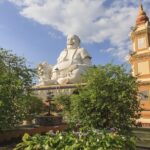
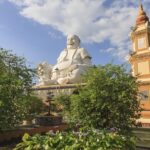
You’ll join with a guide—often Hieu and Spring—and you’ll keep moving at a breakfast pace. The group stays small (up to 6), the tour lasts about 3 hours, and the base price is $40 with everything included. You just handle getting yourself to the meeting point: in front of a monk monument.
In This Review
- Key Things I’d Book This For
- A Saigon Morning That Doesn’t Feel Like a Checklist
- Grandma Noodles in a No-Sign Alley (Stools, Broth, and Real Breakfast)
- The Chessboard Market: Fruit Names That Sound Like Characters
- Vietnam War Stories From Old Walls, Not Slogans
- Vietnamese Coffee the Way Locals Do It
- Ginger Tofu Pudding: Sweet, Warm, and Comforting
- Backstreet hẻm Wandering and Time to Ask Anything
- Food Allergies and Dietary Needs: Plan for a Better Fit
- Logistics That Matter: Shoes, Pace, and Meeting Point
- Is It Good Value at $40?
- Should You Book This Saigon Morning Tour?
- FAQ
- How long is the tour?
- What’s included in the price?
- Do I need cash for extra costs?
- Where do we meet?
- Is the tour guided in English?
- What should I wear?
- Is it suitable for people with mobility impairments?
Key Things I’d Book This For
- Grandma noodle dumplings soup served from a stall with no stage, just broth and bowls
- The chessboard market: Saigon’s second-largest local market and a full-on fruit tasting mission
- Vietnam War context told in a historic area, focused on daily life and resilience instead of slogans
- Vietnamese coffee technique: slow drip coffee into condensed milk, with options like coffee with lime
- Ginger tofu pudding in warm syrup, sometimes with coconut milk, finished gently and sweetly
- Backstreet hẻm wandering plus time to ask questions at the end, not another rushed “next stop”
A Saigon Morning That Doesn’t Feel Like a Checklist
Saigon can be loud and fast. Motorbikes, heat, crowded cafés. This tour is the opposite tempo. It’s built around the kind of morning locals recognize: steam from street-side kitchens, the scrape of chopsticks, and vendors who work like they’ve done it a thousand times.
That changes what you notice. You stop seeing the city as scenery and start seeing it as routine—where food happens, where people buy fruit, and where history sits close to everyday walls. And yes, you’ll eat well, but the tour’s real skill is timing: you’re catching Saigon before it turns fully on.
Price-wise, $40 for a 3-hour, food-forward experience adds up fast in Vietnam when most tastings and drinks are included. The only cost gap is getting to the meeting point and back on your own.
You can also read our reviews of more historical tours in Ho Chi Minh City



Grandma Noodles in a No-Sign Alley (Stools, Broth, and Real Breakfast)
The first food stop is the star for a reason: you’re not at a formal restaurant. You’re in a small alley setup where the meal feels like something you stumble into as a local—until a guide shows you exactly what to order and how to eat it.
You’ll savor Vietnamese noodle dumplings soup from a grandmother’s stall, and the point isn’t just flavor. It’s the texture and rhythm of the place: hot broth first, then dumplings, then the quiet focus of people eating without performance. You can take photos, but the atmosphere is clearly meant for eating.
In practice, this is where you’ll learn how Vietnamese breakfasts are put together: layered comfort (broth, noodles, herbs), and the way a simple bowl can carry a whole morning. If you’re the kind of person who likes to understand what makes a dish Vietnamese—not just what’s on the menu—this stop delivers.
What to watch for:
- The bowl will be hot and you’ll be standing or shifting posture on tight space, so wear shoes you can stay in comfortably.
- The flavors may be stronger than what you expect if you’re used to bland Western soups. That’s the whole point.
The Chessboard Market: Fruit Names That Sound Like Characters
Next comes the fruit part, and it’s not timid sampling. You’ll head into Saigon’s second-largest local market, known as the chessboard, where stalls are packed, and the aisles feel like a maze you’re meant to wander with a guide.
Here’s what makes this stop fun: you’re tasting tropical fruits with vivid names—rambutan, mangosteen, breast milk fruit, and sapodilla. Some fruits are sweet and juicy. Others are floral, creamy, or mildly strange in the best way. Your guide helps you figure out what you’re looking at and what to expect before the first bite.
If you’re thinking, I don’t really like trying new fruits—good. This tour is exactly for that. The guide’s job is to get you past the hesitation. You’ll end up with a better instinct for what you like, because you taste multiple textures in one focused session.
One more practical note: markets move fast and floors can be uneven. Plan for a little hustle with your feet, not just your appetite.
Vietnam War Stories From Old Walls, Not Slogans
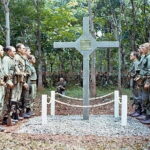
After fruit, you shift gears to history. You’ll walk through an older housing block where the Vietnam War is understood from local experience—how people endured, adapted, and kept living when life was anything but stable.
This isn’t a lecture full of dates. The tone is more human: resilience, daily life, and what you can read between the lines when you look at neighborhoods rather than battlefields.
Why this stop matters for your trip: so many Vietnam stories turn into one-note timelines. Here, you get context for why food and family routines still carry emotional weight. Even if you already know the basics, you’ll likely leave with a clearer sense of what war looked like from the inside—at street level.
What to expect emotionally:
- It can feel heavier than the food stops.
- Your guide will keep it grounded in everyday life, but you should still be ready to pay attention and listen.
Vietnamese Coffee the Way Locals Do It
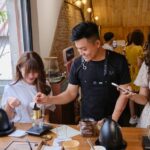
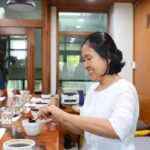
Then comes the caffeine moment—done properly. You’ll watch Vietnamese coffee drip in the classic style: slow and stubborn coffee flowing into a glass of condensed milk. It’s simple, but the timing and texture are everything.
This tour treats coffee like a craft, not a beverage. You’ll learn how it’s made, what changes the taste, and why the final sweetness works with the bitterness instead of fighting it. If you think you know Vietnamese coffee already, this is where your assumptions get corrected.
There’s also a fun option if you’re curious: cà phê chanh, coffee with lime. It sounds odd. It works. Your guide can explain how to think about that flavor pairing before you try it.
And because this is Saigon, coffee shops here aren’t just functional. The vibe tends to be old-school—some places feel like they’ve been there forever, and the method is part of the story you’re tasting.
You can also read our reviews of more tours and experiences in Ho Chi Minh City




Ginger Tofu Pudding: Sweet, Warm, and Comforting
To finish, you get a dessert that feels gentle after market walking: silken tofu in warm ginger syrup. You’ll often find coconut milk involved too, which makes the whole thing feel creamy instead of sharp.
This isn’t dessert that shows off sugar. It’s the kind of dish that reminds you why Vietnamese comfort food is often subtle: warm ginger, soft texture, and sweetness that lands quietly.
If you’ve ever felt like food tours end with something heavy, this one balances you out. It’s soft on the stomach, and it gives you a clean stop at the end instead of a sugar crash.
Backstreet hẻm Wandering and Time to Ask Anything
After the formal stops, the tour shifts into free-wandering mode. You’ll slide into the hẻm, the narrow alley neighborhoods where Saigon lives in everyday motion—small doors, everyday routines, and the city’s less-performative side.
Then you land somewhere quieter for open chat. This is a nice change from tours that cram questions into the middle of noise. You’ll have time to ask about food, history, or even what to do next around town. If you’re traveling with questions and you want real answers, this ending style helps.
Also, small group size (max 6) means you’re not shouting to be heard. You get more back-and-forth with your guide.
Food Allergies and Dietary Needs: Plan for a Better Fit
The tour is food-heavy, so it’s smart to flag your needs early. Here’s what you should know from experience with this group: if you don’t eat beef or pork, you can be offered a vegan option at places where those meats might appear.
That doesn’t replace telling your guide exactly what you avoid, but it’s a good sign that flexibility is taken seriously. Bring your preferences clearly, and you’ll get a smoother experience.
Logistics That Matter: Shoes, Pace, and Meeting Point
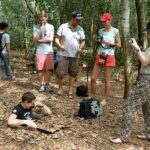
This tour is 3 hours, guided in English, and limited to a small group of up to 6 people. You meet in front of a monument of a monk, then you move on foot for the rest.
Two practical reminders:
- You’ll walk through narrow alleys and market areas, so comfortable shoes are non-negotiable.
- It’s not suitable for people with mobility impairments.
Because transportation back and forth isn’t included, you’ll want to plan how you’ll reach the monk monument and how you’ll return afterward. In a city like Saigon, that can be the difference between a relaxed morning and a rushed one.
Is It Good Value at $40?
For $40 per person, you’re paying for a tight package: noodles/dumplings, market fruit tastings, Vietnamese coffee, a dessert finish, plus local history context and a real guide throughout.
You’re not just buying food. You’re buying:
- Access to places you’d likely skip on your own
- Translation and guidance when fruit names and local dishes get complex
- Context for the neighborhood and historic setting
- A small-group pace that keeps you from feeling like a moving camera crew
If you enjoy food plus context—and you like the idea of a calmer Saigon—this value feels fair.
If you only want a quick bite-and-go without walking, you may feel the time spent on travel and alleys more than the tastings themselves.
Should You Book This Saigon Morning Tour?
Book it if you want:
- A food-focused tour that still explains the why behind dishes
- A market experience that feels like a hunt for interesting tastes, not a staged tasting menu
- Vietnam War context delivered in a human, neighborhood-based way
- Coffee and dessert that feel thoughtfully chosen, not random pickups
Skip it if:
- You struggle with walking narrow lanes and crowded market floors
- You want a long day of major sights, because this is more concentrated on mornings, food, and stories in one area
If your goal is to understand Saigon before it speeds up, this tour fits that goal well. It’s short enough to feel doable, and varied enough to keep your senses awake.
FAQ
How long is the tour?
The tour lasts about 3 hours.
What’s included in the price?
Everything is included, including the food and drinks on the stops.
Do I need cash for extra costs?
Your tour price covers the included tastings and drinks. Transportation to and from the meeting point is not included.
Where do we meet?
You meet in front of a monument of a monk.
Is the tour guided in English?
Yes. The guide speaks English.
What should I wear?
Wear comfortable shoes and clothing, since you’ll walk through narrow alleys and market areas.
Is it suitable for people with mobility impairments?
No. The tour is not suitable for people with mobility impairments.