REVIEW · HO CHI MINH CITY
Ho Chi Minh 1 Day Private Tour from Phu My Seaport
Book on GetYourGuide →Operated by OUROS Travel · Bookable on GetYourGuide
Saigon history, minus the hassle. On this private day trip from Phu My Port, I like the English-speaking guide who helps you connect old and new Saigon, and I like the War Remnants Museum for its direct, eye-opening way of explaining the Vietnam War. The trade-off is time: the drive between the port and Ho Chi Minh City is long, so you’ll want to start the day rested and ready to move.
You’ll also get a satisfying mix of Vietnam War context plus religious and city-life stops. Thien Hau Temple and the Central Post Office area slow the pace with strong architecture and everyday local energy, and the included lunch keeps you fueled for the rest of the day. For comfort, plan on comfortable shoes and modest clothing for temple visits.
In This Review
- Key things to know before you go
- From Phu My Port to Saigon: the day’s real warm-up
- Entering Ho Chi Minh City: old Saigon, new Saigon, one guide
- Reunification Palace: where April 1975 became real
- War Remnants Museum: sobering, direct, and graphic
- Thien Hau Temple: a calmer hour of faith and detail
- Chinatown and Binh Tay Market area: where everyday commerce shows
- Lunch (12:30–13:30): included, local, and worth timing
- Central Post Office and the Notre Dame Cathedral area: French-era postcard, real life
- Shopping choice: Ben Thanh Market or Saigon Square (60 minutes)
- Getting back to the ship: driver-only return and timing reality
- Transportation, pacing, and who this tour fits best
- Price and value: what $114 per person buys (and what it can’t)
- Practical prep checklist for a smooth Saigon day
- Should you book Ho Chi Minh City from Phu My Port?
- FAQ
- How long is the Ho Chi Minh City private tour from Phu My Seaport?
- What time do you meet at Phu My Port?
- What are the major stops on the tour?
- Is lunch included?
- Are entrance fees included?
- What should I wear for temple visits?
- Is the tour wheelchair accessible?
- Do I need to pay for bottled water or transport?
- How do I find the correct meeting point at the port?
Key things to know before you go
- Long but managed transfer from Phu My Port to Ho Chi Minh City by private car, with sightseeing time built in after you arrive.
- War Remnants Museum is the emotional center of the day, with graphic displays and a focused time window.
- Temples plus city rhythm: Thien Hau Temple, then Chinatown, with time for the Binh Tay Market area.
- Included lunch at a local restaurant, plus bottled water to keep the day smooth.
- Shopping is optional for 60 minutes at either Ben Thanh Market or Saigon Square, depending on what you request.
- Private tour format means you’re not squeezed into a large group schedule, and your guide can tailor how you move through stops.
From Phu My Port to Saigon: the day’s real warm-up
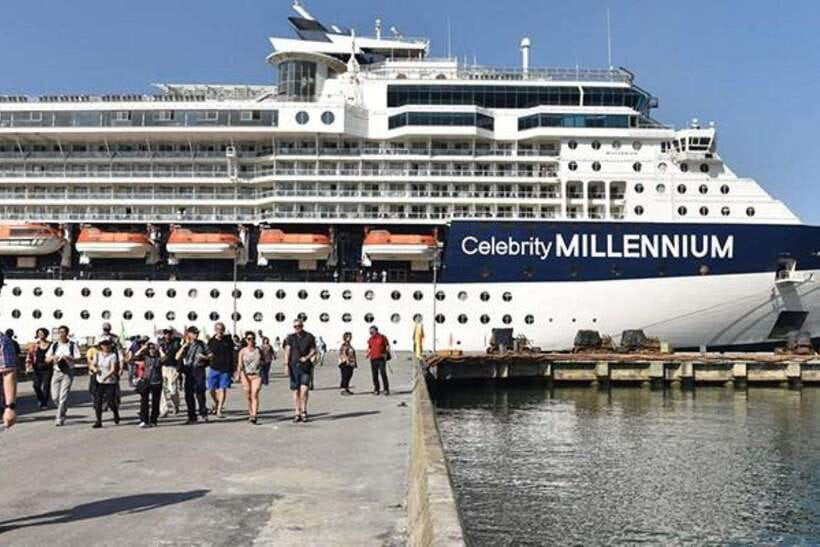
This tour starts at Phu My Seaport and runs about 8 hours total. The meet time is 08:00–08:30, and you’ll transfer about 75 km into Ho Chi Minh City. The bigger reality here is that you’re doing a cruise-day style excursion: a lot of your time is spent in transit, because the port is outside the main city area.
You’ll ride in a private air-conditioned vehicle with a driver, sized to your group:
- Sedan for 1–2 people
- SUV for 3–4 people
- Van for 5–10 people
That matters. In Ho Chi Minh City, traffic can feel chaotic, and a good driver keeps things under control. One guide named Peter is specifically praised for managing Vietnam traffic calmly and for keeping the day on track so guests made it back to the ship on time.
Practical tip: pack light snacks or at least plan to eat promptly at lunch. Long drives can make you hungry at the wrong moment, and the day’s food is scheduled.
You can also read our reviews of more private tours in Ho Chi Minh City

Entering Ho Chi Minh City: old Saigon, new Saigon, one guide
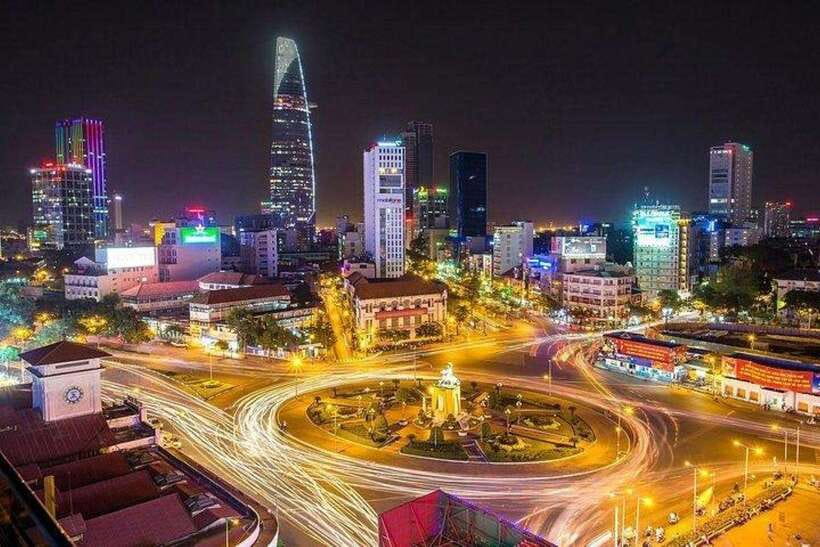
Ho Chi Minh City (formerly called Saigon) is a fast-moving mix. What makes it interesting on a guided day is that you’re not just seeing famous buildings. You’re also getting the “why” behind what you see: French colonial touches, Chinese cultural influence in the neighborhoods, and a modern city that’s always moving.
Your guide helps with two things that make the city feel less intimidating:
- Context fast: you understand what you’re looking at instead of just taking photos.
- Order to the chaos: you’re moving between areas with a logical flow, so the day doesn’t feel random.
The day is built around major landmarks first, then religion and neighborhoods, then a classic French-era civic stop, and finally optional shopping.
Reunification Palace: where April 1975 became real
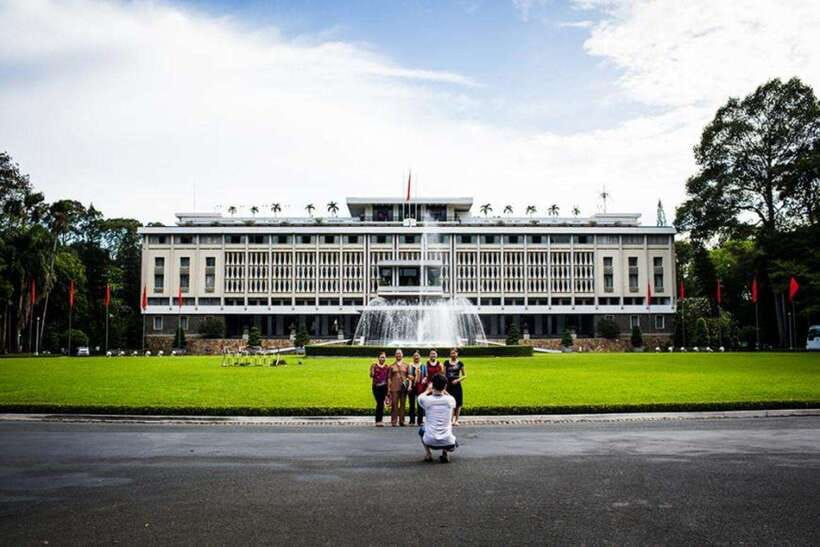
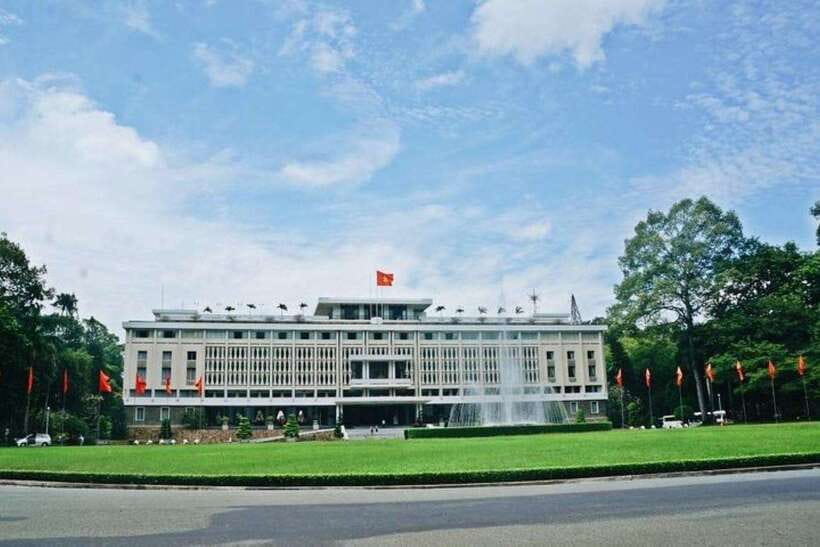
The day’s early highlight is Independence Palace, also called the Reunification Palace. This was the residence of the President of the Republic of Vietnam. The key moment everyone associates with the site is 30 April 1975, when North Vietnamese forces entered and the Vietnam War’s end became unmistakably visible to the world.
What you’ll like here is that it doesn’t feel like a distant history lesson. The building is presented as a working place of power, not just a museum label. You get a guided sense of what life looked like there—how decisions were made, and what kind of reality leaders lived in during those turbulent years.
Timing note: you’ll spend about 45 minutes here. That’s enough to absorb the main rooms and architecture, but not long enough to treat it like a slow, full walkthrough.
Consideration: if you’re sensitive to heavy historical material, you’ll want to pace yourself. Independence Palace is intense in theme, even if it doesn’t come with the same graphic tone as the War Remnants Museum later.
War Remnants Museum: sobering, direct, and graphic
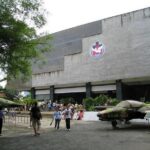
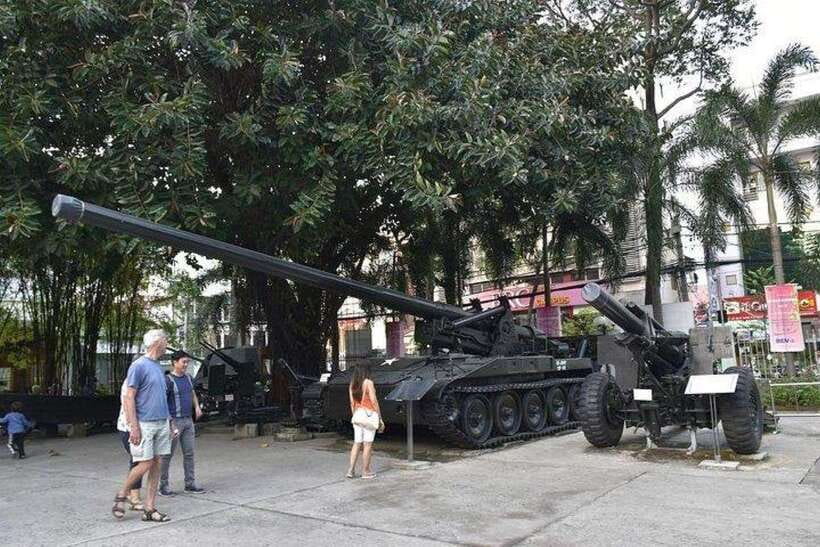
Next comes the big one: the War Remnants Museum. It opened to the public in 1975, and it’s remembered as the Museum of American War Crimes. Even if you already know the basics, the museum is designed to hit you with how brutal the Vietnam War was.
Expect:
- Graphic photographs
- American military equipment on display
Your time here is about 30 minutes, which sounds short—until you realize the material is intense. This is one of those stops where you don’t need to rush, but you also can’t linger too long if the rest of the day must stay on schedule.
What I think makes this stop valuable: it’s not abstract. You’re given visual reminders that force you to connect dates and politics to human consequences. And because it’s guided, you’re less likely to leave with only vague impressions.
Who should be cautious: if graphic imagery is difficult for you, go in with your own boundaries and be ready to step out briefly if you need a break.
Thien Hau Temple: a calmer hour of faith and detail
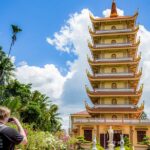
After the museum’s weight, Thien Hau Temple is a strong reset. This richly decorated pagoda is dedicated to Thien Hau, the Goddess of the Sea and patron of sailors. There’s a legend attached to her—she is said to travel over the oceans on a mat and ride clouds to wherever she desires.
You’ll get about 30 minutes at the temple. That’s long enough to notice:
- the visual richness of the complex
- the way the space supports worship and daily life
It’s also one of the easiest stops to appreciate if you like architecture and symbolism more than museums.
Dress rule you should follow: for temple visits, wear modest clothing. Non-sleeve shirts and short trousers are not allowed. If you forget, you may end up losing valuable time.
You can also read our reviews of more tours and experiences in Ho Chi Minh City


Chinatown and Binh Tay Market area: where everyday commerce shows

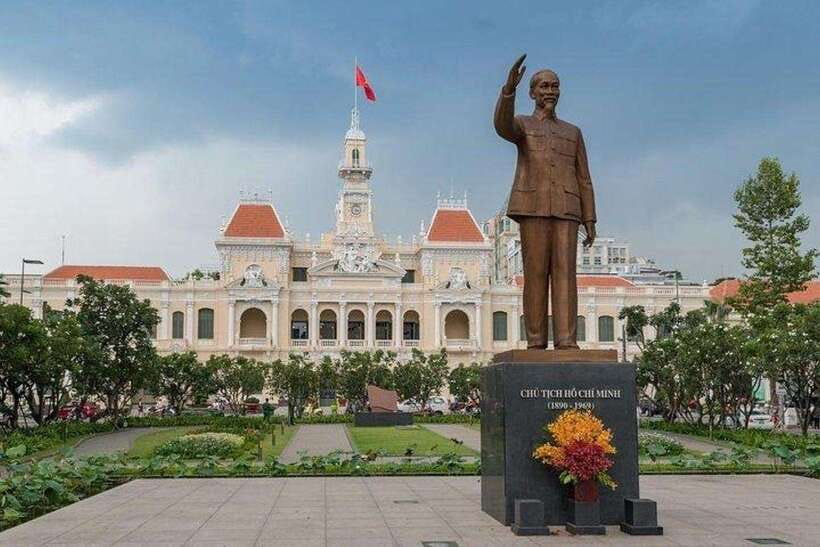
Then the tour moves into Chinatown, which traces back to settlement in the late 18th century. This area feels like a working neighborhood: restaurants, temples, and stores. It’s also where you’ll find the Binh Tay Market, described as a major wholesale marketplace in Chinatown.
You’ll have about 60 minutes here, which is a sweet spot. Long enough to walk through the lanes and catch the shopping chaos, but short enough that it won’t drain you before lunch.
How to enjoy it without getting overwhelmed: don’t try to see everything. Pick a few lanes to explore slowly and let the guide point out what’s important—especially temple elements and market logic.
Practical tip: markets can be hot and crowded. Your best friends are water, shade when you can find it, and comfortable shoes.
Lunch (12:30–13:30): included, local, and worth timing
Lunch runs 12:30–13:30 and is included. It’s served at a local restaurant, and you also get bottled water.
This timing is useful. It places lunch after Chinatown so you’re fueled before the remaining history stops and optional shopping.
I like included lunch on a day like this because you avoid the stress of hunting for something reliable while you’re also managing the cruise schedule. You don’t need to be adventurous in the first hour—you just eat, reset, and keep moving.
Small caution: lunch is only 60 minutes, so don’t plan on a long sit-down or slow pace. Use the time to recharge.
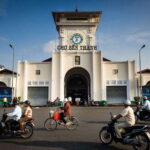
Central Post Office and the Notre Dame Cathedral area: French-era postcard, real life
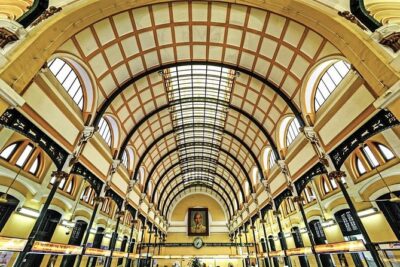
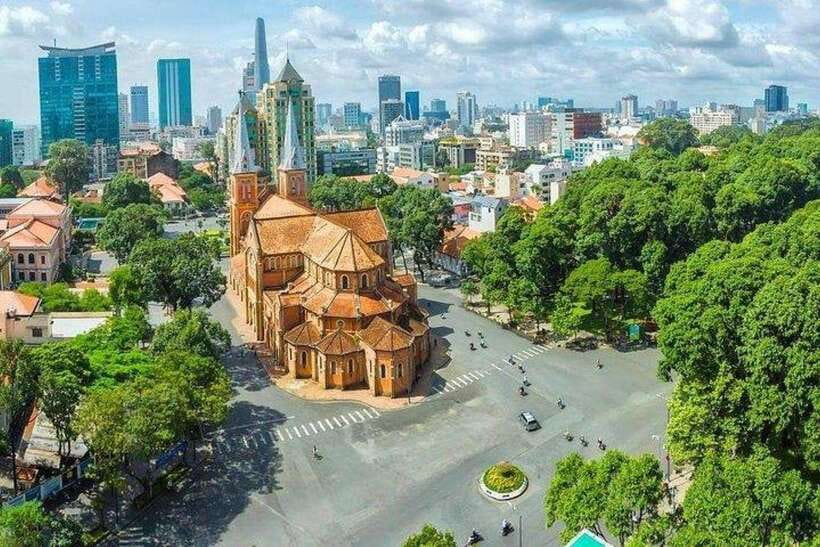
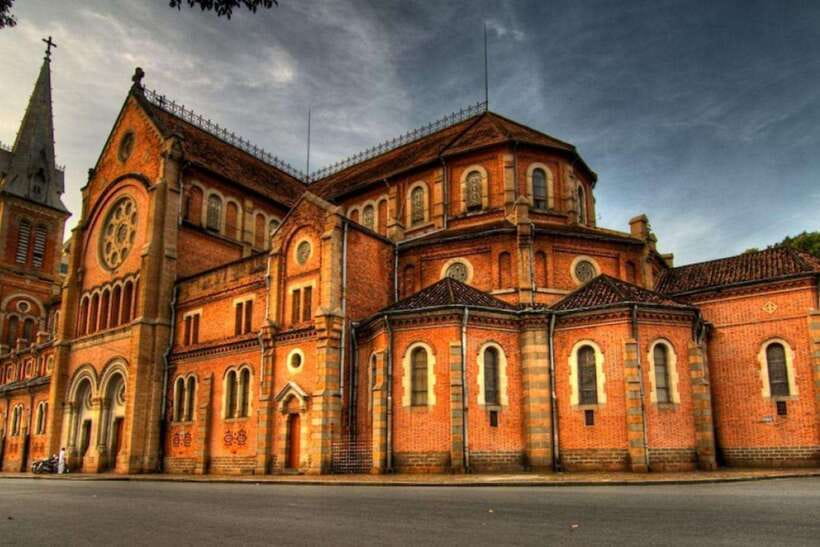
In the afternoon, the tour shifts to a classic French colonial landmark: the Central Post Office. It’s described as beautifully preserved and possibly the grandest post office in Southeast Asia. It sits next to Notre Dame Cathedral, so the two cultural sights can be visited together.
You’ll spend about 20 minutes here. That’s enough to take in the building and its street-facing presence.
Why this stop works on the same day as the war sites: it gives you a different layer of Saigon. You’re not only focused on conflict. You also see how colonial-era civic life tried to shape the city’s identity—and how the city carried that forward.
If you enjoy details, look for the interplay between grand design and the human scale around it: people moving, sellers nearby, and the constant city motion.
Shopping choice: Ben Thanh Market or Saigon Square (60 minutes)
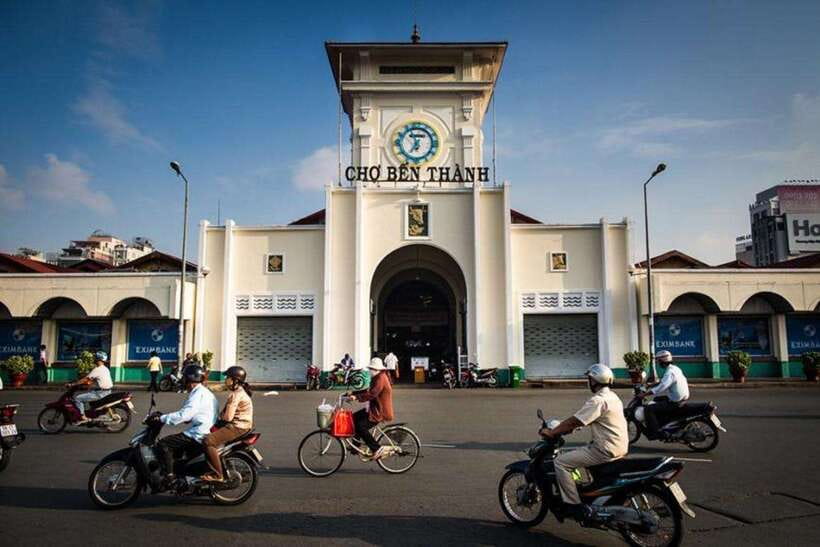
Between 14:30 and 15:00, shopping is by your request. You’ll have about 60 minutes in total for this block, and the two options are:
- Ben Thanh Market
- Saigon Square
This is the part of the day that works best if you know what you want—souvenirs, small gifts, or just a change of pace after museums and temples.
How to keep it enjoyable: set a goal before you walk in. If you leave it open-ended, markets can swallow the hour and you’ll feel rushed.
Also remember: traffic and crowds can slow things down. If you want guaranteed time for browsing, ask your guide how to prioritize in that exact shop window.
Getting back to the ship: driver-only return and timing reality
At 15:00, you farewell the tour guide in Ho Chi Minh City. The driver then returns passengers back to Phu My Port with no guide on board.
You’ll arrive back around 16:30. This give-or-take buffer is important because cruise schedules don’t care about your last photo.
Because the road back is long, this is where the early choices matter. If you linger too long at shopping, you risk a stressful return. If you respect the time blocks, you’re more likely to make it back calmly.
Transportation, pacing, and who this tour fits best
This is a private group tour, which helps with pacing. Your guide can slow down when you need it and keep you moving when you’re ready. That’s a big deal on a day this long.
One review highlighted that the guide took time to explain not just history, but also the modern social and cultural context of the city. Another noted the long port-to-city transfers (about two hours each way), which made the day tiring. The key is how you manage that fatigue.
This tour fits you if:
- you’re on a cruise and want a single-day sampler of Ho Chi Minh City
- you want a guide to explain big-picture context at the War Remnants Museum and major landmarks
- you like mixing heavy history with architecture, temples, and local neighborhoods
- you appreciate included lunch and bottled water on a tight schedule
This tour may not fit you if:
- you dislike long car rides—because the port distance is real
- you need wheelchair-friendly access—the tour is not suitable for wheelchair users
- graphic war imagery is a problem for you
Price and value: what $114 per person buys (and what it can’t)
The price is $114 per person for an 8-hour private tour from Phu My Seaport, including:
- an experienced English-speaking guide
- all entrance and sightseeing fees
- a private air-conditioned vehicle with driver
- lunch as mentioned
- bottled water
- pickup and drop-off at the port
For many cruise travelers, the value is less about the per-hour math and more about reducing decision fatigue. You don’t have to plan routes, haggle for tickets, or figure out where the best places are during a limited port day. The guide handles the order of stops, plus you get museum and landmark context.
What the price doesn’t solve: it can’t erase the travel time. Two hours on the road can feel like a lot, especially after a morning of early pickup.
So I’d judge the value this way: if you want one guided, high-impact day without logistics headaches, the cost looks fair. If you’d rather spend more time in the city and less time traveling, you may want a tour closer to the center or a shorter excursion.
Practical prep checklist for a smooth Saigon day
Bring:
- comfortable shoes
- hat
- camera
- sunscreen
Wear:
- modest clothes for temple visits (no non-sleeve shirts or short trousers)
And for the port meeting point, be ready for this reality: vehicles aren’t allowed inside the terminals. You’ll meet after customs at the MAIN EXIT GATE, then walk or take a free shuttle about 500–900 meters to the designated meeting spot. An assigned driver with a name sign waits outside.
If you get lost: call or message the hotline listed for the tour so they can help you locate the guide or driver.
Should you book Ho Chi Minh City from Phu My Port?
Book it if you want a well-paced, guided day that covers the biggest Ho Chi Minh City hits in one go: War Remnants Museum, Independence Palace, Thien Hau Temple, Chinatown/Binh Tay area, a classic French civic stop at the Central Post Office, and a simple lunch reset. The private format and included fees make it feel organized, especially on cruise schedules.
Skip it (or swap to a different plan) if your priority is spending long, slow hours in one place. The long transfer time is the real trade-off. Also, go in prepared for graphic war content, and dress right for the temples so you don’t lose time.
If you’re comfortable with that, this is a strong way to understand Saigon beyond the postcards.
FAQ
How long is the Ho Chi Minh City private tour from Phu My Seaport?
The total duration is about 8 hours.
What time do you meet at Phu My Port?
The meeting time is 08:00 to 08:30 at Phu My Port.
What are the major stops on the tour?
You’ll see Independence Palace, the War Remnants Museum, Thien Hau Temple, Chinatown (including Binh Tay market area), the Central Post Office area, and you may have optional shopping time at either Ben Thanh Market or Saigon Square.
Is lunch included?
Yes. Lunch is included for 12:30–13:30.
Are entrance fees included?
Yes. The tour includes all entrance and sightseeing fees.
What should I wear for temple visits?
Dress modestly. Non-sleeve shirts and short trousers are not allowed for temple visits.
Is the tour wheelchair accessible?
No. It is not suitable for wheelchair users.
Do I need to pay for bottled water or transport?
No. The tour includes bottled water and private air-conditioned transportation with a driver.
How do I find the correct meeting point at the port?
After passing customs and going through the MAIN EXIT GATE, you’ll walk or use a free shuttle bus to the meeting point, which is about 500–900 meters away. There are several ports in the Phu My area, so confirm the correct seaport with your cruise staff.