REVIEW · HO CHI MINH CITY
Remembering Long Tan- Nui Dat Battle : A Tour of Historic Sites
Book on Viator →Operated by Viet Kolors Tour · Bookable on Viator
Long Tan lives on in the ground itself. This tour takes you to key Nui Dat and Long Tan sites, moving from artillery positions to memorial viewpoints with an English-speaking guide who ties the places to the events. It is the kind of day where the names on maps start to make sense.
I love that the day includes both the surface action locations and the supporting infrastructure, especially the Long Phuoc Tunnels. You also get the practical stuff handled for you, like hotel pickup, bottled water, and a included lunch that keeps the long drive from feeling like a slog.
The main drawback is time: the 7:30 AM pickup means an early start and a full 7-hour outing, so bring some patience and comfortable shoes.
In This Review
- Key Highlights You Should Not Miss
- A Morning Drive To Nui Dat and the Long Tan Memorial Trail
- Nui Dat Base Stops: 161 Kiwi Artillery, Kangaroo Pad, and SAS Hill
- The 6 RAR Flagpole and Horseshoe Hill: Memorial Viewing With Context
- Long Phuoc Tunnels: Ammunition Storage Beneath the Ground
- What You Get for $107.10: Price, Lunch, and Real Value
- How to Prepare: Timing, Comfort, and What to Bring
- Who This Tour Suits Best (and Who Might Want Another Plan)
- Should You Book the Long Tan–Nui Dat Tour?
- FAQ
- What time does the tour start?
- How long is the tour?
- Where does the tour travel during the day?
- Is lunch included?
- Does the tour include an English guide?
- Are admission fees included?
- Is hotel pickup and drop-off included?
- Is this tour private?
- Is tipping required?
Key Highlights You Should Not Miss
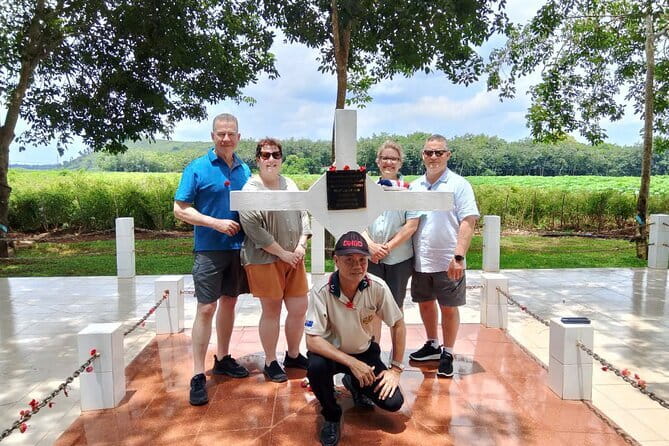
- On-site stops at Nui Dat key points like the 161 Kiwi artillery position and SAS hill
- Memorial-focused touring, including the 6 RAR flagpole and Horseshoe Hill base areas
- Long Phuoc Tunnels, used for ammunition storage and told in plain, human terms
- Little details that bring it to life, including the Luscombe bow concert by Dottie and Col Joy
- A guide-led route with English interpretation, plus bottled water and flowers for memorial moments
A Morning Drive To Nui Dat and the Long Tan Memorial Trail
You start from Ho Chi Minh City with hotel pickup around 7:30 AM, then head toward Ba Ria-Vung Tau Province. There’s a break at the Ba Ria rest stop, which matters because the day is built around several outdoor sites and travel time adds up fast.
One thing I really like about this setup is the pacing. You are not just bouncing between random photo stops. The route is built to follow the logic of the battle geography, so you keep seeing how one area connects to the next.
For the drive, you’ll be in an air-conditioned vehicle, and you get bottled water along the way. That sounds basic, but on hot days in Vietnam it changes how you experience the outdoors, especially when you’ll be walking and standing for periods.
You can also read our reviews of more historical tours in Ho Chi Minh City



Nui Dat Base Stops: 161 Kiwi Artillery, Kangaroo Pad, and SAS Hill

The center of the day is the Battle of Long Tan area, reached by driving to the Nui Dat army base using military maps. That matters because these names you hear—Kiwi artillery, Kangaroo Pad, SAS hill—aren’t just labels. They’re points that existed for a reason, and seeing them in sequence gives you a clearer mental picture.
You’ll check out several specific features at Nui Dat, including:
- the 161 Kiwi artillery
- Kangaroo Pad
- SAS hill
- the Luscombe airfield
- the Luscombe bow, tied to the concert by Dottie and Col Joy
What makes this feel worthwhile is the way the sites are grouped. Instead of rushing past each stop, you’re given time to look at the ground where these events unfolded and connect it back to the battle story. It’s the kind of touring where you start asking better questions, like why certain positions mattered and how the terrain affected what happened.
This is also where a strong guide can change everything. In the feedback, Dingo Chien is singled out for being fun, using Aussie lingo, and sharing details about 6 RAR key personnel, weapons, and tactics. Even if you know little going in, that blend of storytelling and specifics helps you follow what you’re seeing without drowning in jargon.
Tip for you: if the guide offers a quick “what to look for here” moment, listen closely. Small cues—like what role a position played—make the next stop easier to understand.
The 6 RAR Flagpole and Horseshoe Hill: Memorial Viewing With Context
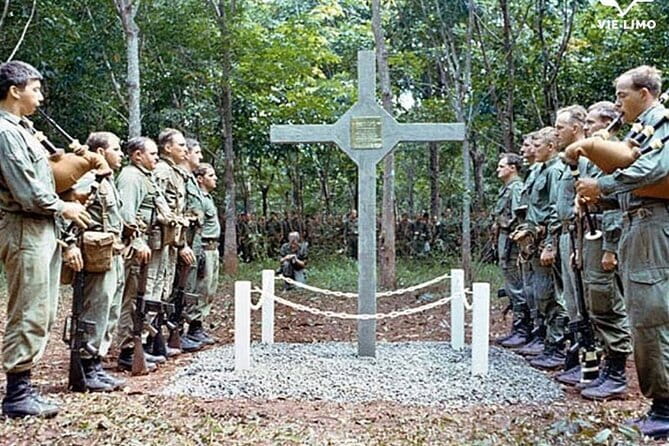
After the Nui Dat base highlights, you’ll continue to the 6 RAR flagpole, which is described as a second memorial site. Memorial spots can sometimes feel like they’re there for reflection only, but here they’re used as waypoints in the broader story.
Then the tour heads to Horseshoe Hill, another base where the Diggers were stationed. Seeing horseshoe-shaped terrain from a memorial angle helps you appreciate why some locations become central to how people remember and document the past.
What I value most about these stops is balance. You’re not only shown what happened during the battle; you’re also shown the places where people were positioned, stationed, or linked to the fighting. In one of the guide notes, the storytelling is described as covering both sides of the conflict, which is exactly what you want for a respectful visit. It keeps the day from turning into one-note hero worship or one-sided myth.
You’ll spend around two hours in this section, which feels like the right amount of time. Enough to absorb and re-center, not so long that everyone starts zoning out.
Long Phuoc Tunnels: Ammunition Storage Beneath the Ground
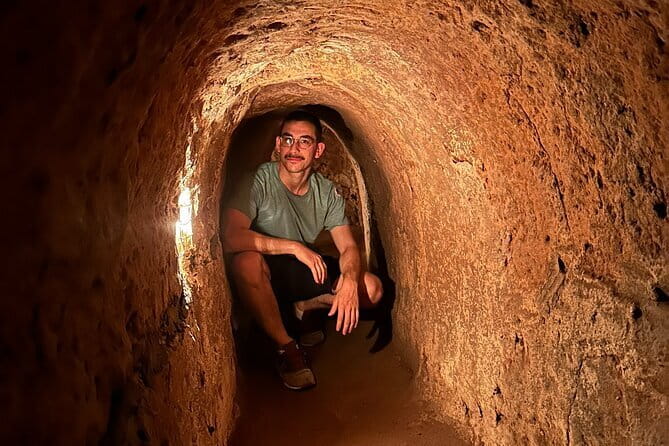
The third main stop is Long Phuoc Tunnels, visited for about one hour. These tunnels were used to store ammunition, and that specific detail gives the site a clear purpose. It’s not just an underground maze for photos; it’s part of the logistics story of how fighting could be sustained.
Tunnels are also a good reality check. The war isn’t only about visible action. It’s also about supply, protection, and the practical work required to keep people ready. This is where the tour helps you shift from battlefield drama to how conflict is supported behind the scenes.
The important thing for you to know is that tunnel sites often involve uneven ground and tighter spaces. The tour data doesn’t spell out physical limitations, so plan to move carefully and wear shoes with decent grip. If you tend to feel claustrophobic in enclosed spaces, consider going slowly and deciding on the spot whether you want to keep going deeper.
Tip for you: bring a calm mindset. Tunnels reward patience. The longer you take to look, the more you understand how a place like this fits into the bigger battle map.
What You Get for $107.10: Price, Lunch, and Real Value

At $107.10 per person for about seven hours, this tour sits in the practical middle ground. It is not the cheapest way to do a Long Tan day trip, but it also does not feel like you’re paying only for transport.
Here’s what you’re getting that supports the value:
- Hotel pickup and drop-off for a smooth start and finish
- An air-conditioned vehicle, plus bottled water
- Lunch included, which matters on a long travel day
- All fees and taxes included, so you are not hit with surprise admissions
- An English-speaking guide
- Flowers included for memorial moments (handy, and you don’t need to hunt for them)
For me, the biggest value driver is the combination of memorial sites plus the tunnel visit, all done with a guide. If you tried to DIY this day on your own, you’d likely spend extra on transport coordination and still miss the on-site explanation that helps you connect the names and locations.
Another plus: this is listed as a private tour/activity, meaning only your group participates. That usually makes the day feel less chaotic and gives you better odds of hearing your guide clearly, especially when questions come up.
So yes, you’re paying for a guided, organized experience. But the way it’s structured—time in key areas, lunch included, and fees covered—puts the value where it should be: in your day not becoming a logistics project.


How to Prepare: Timing, Comfort, and What to Bring
This tour starts at 7:30 AM with pickup in Saigon/Ho Chi Minh City. If you are staying across town, plan for extra morning time so you can be ready when pickup arrives. The day includes driving time plus outdoor stops, so you’ll be up and active earlier than you might expect.
Because it’s a memorial-and-sites itinerary, dress smart:
- wear comfortable shoes for uneven ground
- bring a hat or cap and sunglasses if you sunburn easily
- carry a light layer if the air-conditioning makes you chilly
The tour includes bottled water, but you’ll still sweat and walk. Pack accordingly.
Also think about flowers. Since flowers are provided, you don’t need to buy anything last minute. Still, it helps to keep them protected on the ride so they don’t get crushed before you need them.
One small but real consideration: the day includes multiple emotional and historical locations. If you’re sensitive to heavy topics, plan a gentle return to the hotel after drop-off and avoid stacking a big evening plan.
Who This Tour Suits Best (and Who Might Want Another Plan)
This is a strong fit if you:
- want a focused day on Long Tan and Nui Dat rather than a random Vietnam history sampler
- like getting place-by-place context from an English-speaking guide
- appreciate visiting both memorial points and practical sites like ammunition storage tunnels
It can also work well for couples and small friend groups thanks to the private-group format.
Where it may feel less ideal is if you want a purely casual outing with lots of free time for independent wandering. This day is scheduled and site-focused. You’ll be moving from one named location to another, following the story rather than picking stops on your own.
Should You Book the Long Tan–Nui Dat Tour?
I’d book this tour if you want a guided, structured day built around real named locations: 161 Kiwi artillery, SAS hill, Luscombe airfield, the Luscombe bow concert by Dottie and Col Joy, the 6 RAR flagpole, Horseshoe Hill, and Long Phuoc Tunnels.
Your decision mainly comes down to whether you can handle an early start and a full day. If 7:30 AM doesn’t scare you, the included lunch, transport, fees, and memorial-friendly extras like flowers make it a solid value. And with guides like Dingo Chien delivering both detail and humor, you’ll likely leave with a clearer, more human sense of what you saw and why those places matter.
If you’re the type who likes to understand the story behind the scenery, this is one of those Vietnam tours that earns the time.
FAQ
What time does the tour start?
Pickup is around 7:30 AM from your hotel.
How long is the tour?
The duration is about 7 hours.
Where does the tour travel during the day?
It goes from Ho Chi Minh City to Ba Ria-Vung Tau Province, including Nui Dat and Long Phuoc Tunnels, then returns to your hotel in Saigon.
Is lunch included?
Yes, lunch is included.
Does the tour include an English guide?
Yes, an English-speaking guide is included.
Are admission fees included?
Yes, fees are included for the stops listed with admission included, and there are no admission charges for the start and end drive portions.
Is hotel pickup and drop-off included?
Yes, convenient pick-up and drop-off are included at your hotel.
Is this tour private?
Yes, it’s private for your group, meaning only your group participates.
Is tipping required?
Tip is optional. The tour does not require it.