REVIEW · HO CHI MINH CITY
Cu Chi Tunnels and Mekong Delta Full Day Tour
Book on GetYourGuide →Operated by GUU TRAVEL · Bookable on GetYourGuide
Two worlds, one long day. I love the real Cu Chi Tunnels experience, and I also like how the day ends with the calm hand-rowed sampan feeling in the Mekong Delta. It’s the kind of tour that keeps switching gears without feeling rushed.
This trip also packs in some crowd-pleasers you can actually use: a supervised weapons-shooting option (optional), plus cultural stops like Don ca tai tu Southern folk music and local fruit tastings. The main consideration is simple: the tunnel crawl is tight and can feel hot, so if enclosed spaces make you nervous, plan ahead.
In This Review
- Key Highlights Worth Prioritizing
- A Single Full Day That Puts Ho Chi Minh City in Two Different Moods
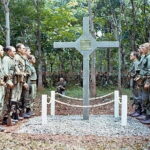
- Cu Chi Tunnels: More Than a Ruin, a Whole Underground System
- The Tunnel Crawl: Tight, Hand-Made, and Intentionally Uncomfortable
- Documentary, Hidden Refuge Details, and a Guide You Can Follow
- Optional AK47 or MK16 Shooting: Fun, But Watch the Extra Fees
- The War-Time Snack: Boiled Tapioca and Hot Pandan Tea
- Tien River Cruise: Fishermen Ports and the Four Mythical Islets
- Kirin Islet: Orchards, Seasonal Fruit, and Local Candy
- Don ca tai tu: Southern Folk Music With a Spiritual Core
- Tuktuk and the Hand-Rowed Sampan: A Slower Way to See the Delta
- Riverside Lunch: Giant Gourami and a Private Feel
- Price, Pickup, and Comfort: What You’re Really Paying For
- Who This Tour Suits Best (and One Thing to Respect)
- Should You Book Cu Chi Tunnels and Mekong Delta Full Day Tour?
- FAQ
- Is the tour offered in English?
- How long is the tour and how do I know the starting times?
- What does the $50 price include?
- Is the Cu Chi shooting included?
- Where is hotel pick-up free?
- What happens if my hotel is outside District 1, 3, or 4?
- What meals are included besides lunch?
Key Highlights Worth Prioritizing
- Cu Chi tunnels crawl: move through narrow, hand-dug tunnels that explain how people lived underground
- War-time ingenuity up close: watch the documentary, uncover hidden refuge details, and see trap concepts discussed
- Optional AK47 or MK16 shooting: add-on experience in a supervised range area, with extra bullet cost
- Tien River cruise + Kirin islet: see the mythical four-islet story tied to Southeast Asian folklore
- Don ca tai tu + orchard fruit: UNESCO-recognized folk music paired with seasonal tropical tastings
- Hand-rowed sampan + village pace: slow down after lunch and catch 19th-century-style transport vibes
A Single Full Day That Puts Ho Chi Minh City in Two Different Moods
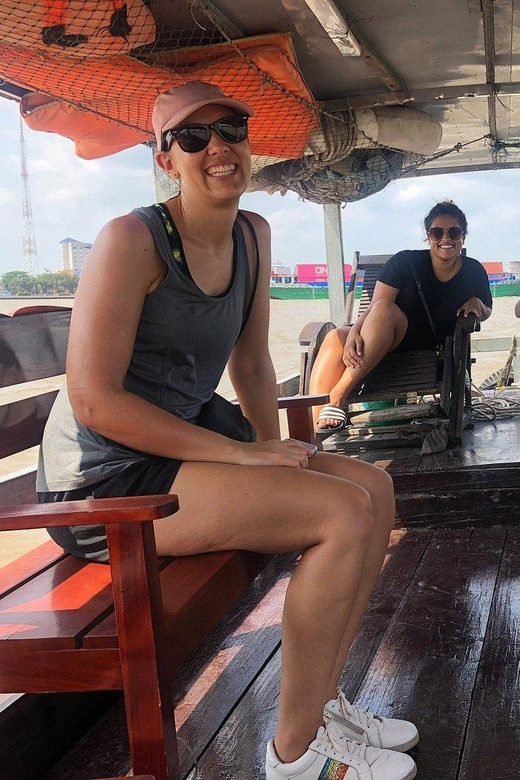
If you only have a day in Southern Vietnam, this tour is built for that exact problem: you get pulled out of the city world and then brought back into it, but in a completely different tone. Morning is about survival and hidden logistics at Cu Chi. Afternoon is about rivers, gardens, and the soft social rhythm of the Delta.
I like that the itinerary does not rely on one big photo stop. You get multiple small moments that add up: a short Cu Chi documentary, a tunnel crawl, folk music, fruit tasting, and a boat ride. You also travel with a group capped at 10 people and an AC 16-seat car, which matters on a long day in Vietnam’s heat.
One trade-off: it’s full-day by design, so you’ll want to eat smart, wear the right clothes, and keep your expectations realistic for a tight tunnel experience.
You can also read our reviews of more tours and experiences in Ho Chi Minh City
Cu Chi Tunnels: More Than a Ruin, a Whole Underground System
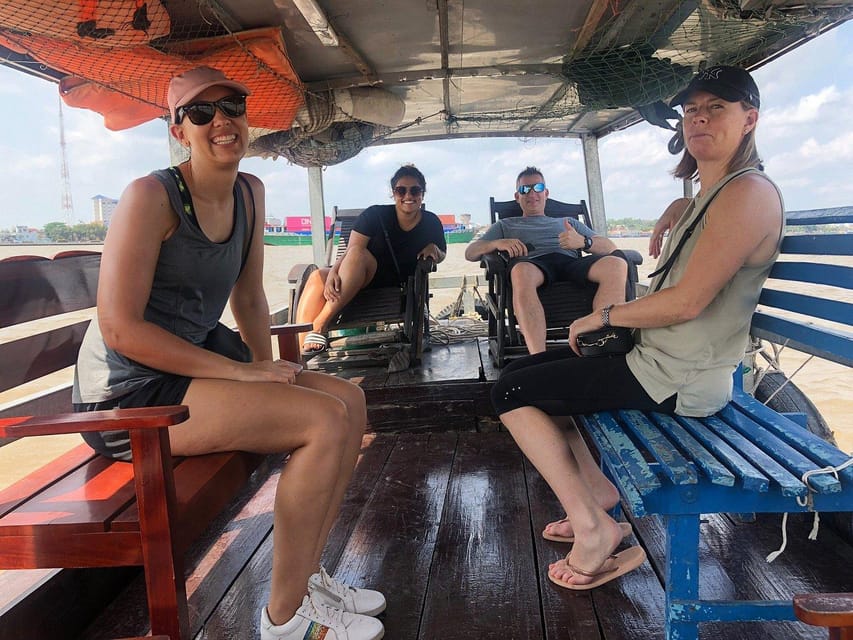
Cu Chi is famous, but it can also feel like just another war site unless your guide gives it the right framing. On this tour, the emphasis is on how the tunnel network functioned as an underground village and survival system—not just a hiding place.
You’ll learn that the network stretches to over 250 kilometers and includes the kinds of everyday spaces people needed to live: smoke-free kitchens, storage areas, handicraft and tailor setups, weapon-factory rooms, healthcare spaces, meeting areas, and command centers. The tunnels also connect with thousands of tiny warming houses where families could live and even raise kids.
That big-picture scale changes how the tunnels feel when you’re standing near the entrances. Instead of thinking of a few passages, you start picturing an entire working world designed to last under pressure.
You also get a clear “why this matters” theme: the stories focus on Vietnamese tenacity, intelligence, creation, and pride tied to the people who made and used these spaces.
The Tunnel Crawl: Tight, Hand-Made, and Intentionally Uncomfortable

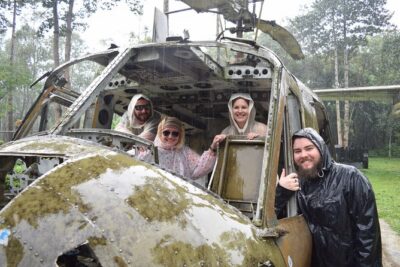
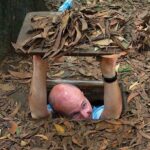
This is the part most people remember. You’ll crawl through the narrow tunnels that were made by hand, which is exactly why the experience works. It’s not about seeing a model; it’s about feeling what it cost to build and use.
Your guide will walk you through the main ideas as you move, including how secret refuge covers were used and what made the system effective. You’ll also hear about damaged self-construct traps and the kinds of risks people faced.
A practical note: this is not a walk-through at normal walking speed. You’ll be moving low and slow, and your comfort will depend on your personal tolerance for confined spaces. Wear clothes that you don’t mind getting a little dusty, and keep your plan simple—skin covered, hair secured, and nothing loose.
If you’re claustrophobic, treat that as a real factor, not a minor one. You can still enjoy Cu Chi without turning it into a mental wrestling match, but you should know what you’re signing up for.
Documentary, Hidden Refuge Details, and a Guide You Can Follow
Before you crawl, you’ll watch a short documentary film about Cu Chi during the war, and it’s offered in multiple foreign-language options. This is a smart pacing choice. It helps you understand what you’re about to see, so the tunnels stop being confusing and start being meaningful.
Then the tour shifts into the “spot the system” phase: you’ll discover how secret refuge covers worked and how the tunnels connect into a larger network. When a guide keeps that storytelling clear, the whole visit becomes easier to process.
And this is one of the tour strengths: the experience is organized and planned, with an English-speaking professional guide who keeps things running smoothly. That kind of calm structure matters here because you’re dealing with moving between sites plus physical tunnel time.
Optional AK47 or MK16 Shooting: Fun, But Watch the Extra Fees
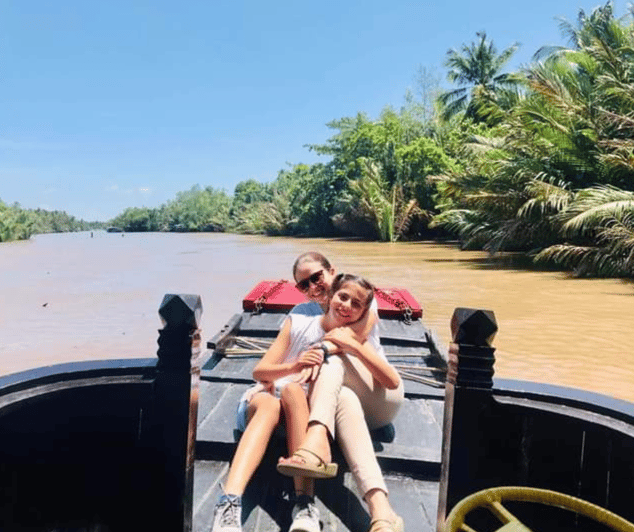
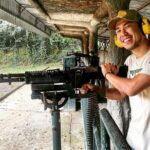
One of the most talked-about additions is the supervised shooting range option. You can try shooting with AK47 or MK16 rifles in a well-supervised area. It’s optional, and it comes with an add-on cost.
Here’s what you should know from the pricing info you’re given: the tour does not include the bullet fee at the shooting range, listed around $2 per piece. There’s also a mention of an optional surcharge for the shooting activity itself.
This doesn’t mean it’s not worth it. If you want hands-on experience and you’re comfortable with the rules at a supervised range, it can be a memorable way to connect the history you just learned with a physical reality. Just budget for the add-ons so you’re not surprised at the range.
The War-Time Snack: Boiled Tapioca and Hot Pandan Tea
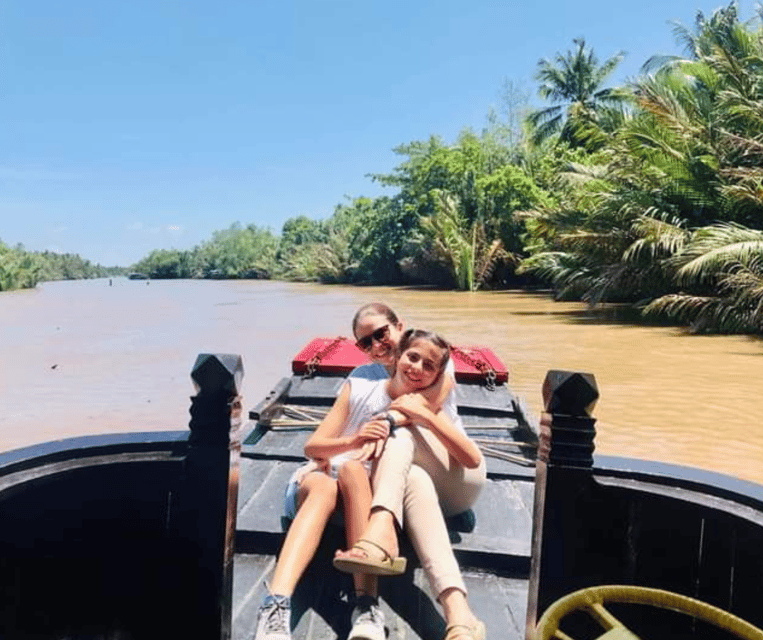
After the tunnel time, you’ll stop for a light snack at Cu Chi: boiled tapioca served with hot pandan tea. This is included, and it’s a good match for the day because it’s filling without being heavy.
Pandan tea is aromatic and helps balance the dryness that can come from lots of outdoor heat and travel. The snack timing also gives you a mental reset before you move on to the Mekong Delta part of the day, which has a completely different pace.
Tien River Cruise: Fishermen Ports and the Four Mythical Islets
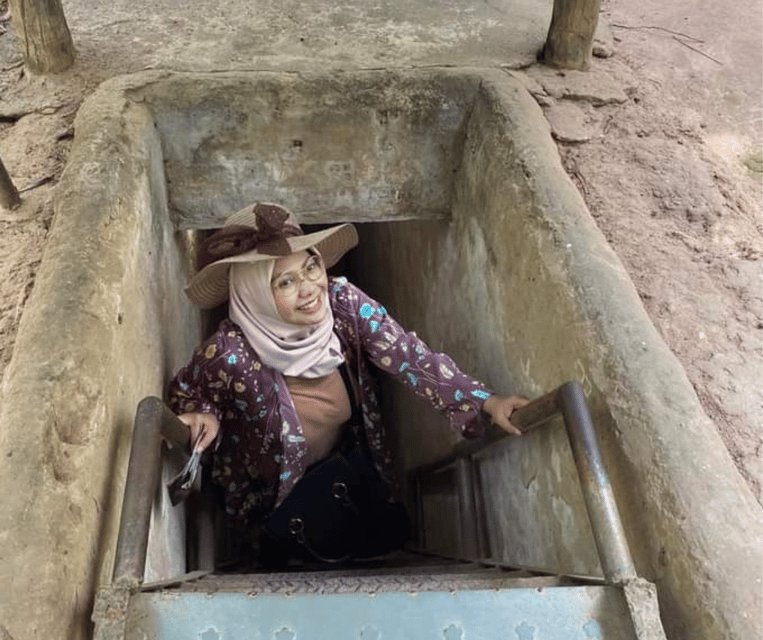
Once you leave Cu Chi behind, the Mekong Delta starts doing what it does best: slowing time down. You’ll cruise on the Tien River and see fisherman’s ports as well as four islets tied to Southeast Asian mythology.
The four mythical animals are described as Dragon, Kirin, Tortoise, and Phoenix. You’ll learn the story angle connected to those islets and then visit Kirin islet for the main activities.
Even if you’re not a mythology person, this works because it gives shape to the scenery. Instead of looking at water and palm lines, you’re watching a place with meaning and local storytelling attached to it.
Kirin Islet: Orchards, Seasonal Fruit, and Local Candy
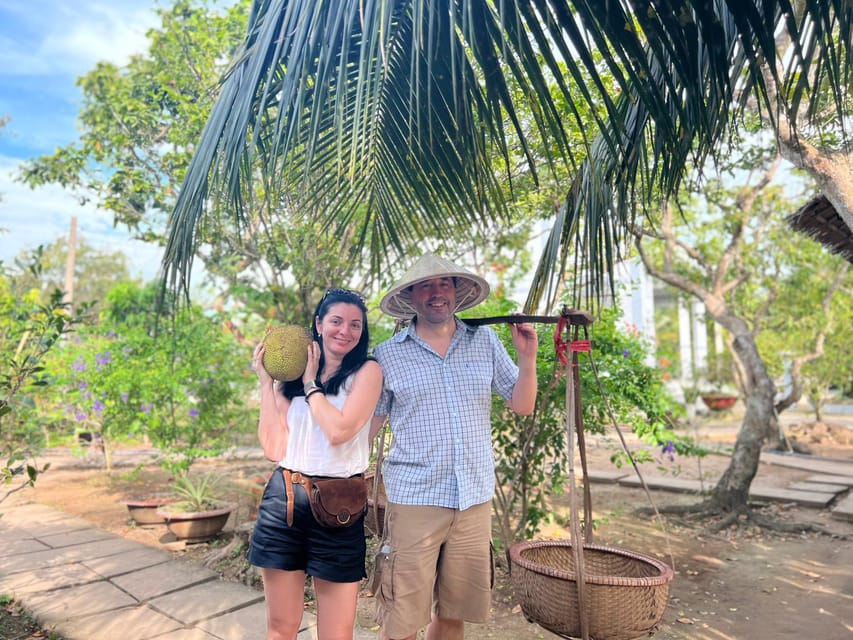
On Kirin islet, the day shifts into a garden-and-stroll mode. You’ll walk through orchard gardens and taste fresh seasonal tropical fruits. That fruit tasting is included, and it’s one of the easiest “yes, this was worth it” parts of the tour because you get to sample what locals grow rather than just point at trees.
You’ll also taste local-made candy. This is typically light, but it adds texture to the stop—sweet, small bites that help you keep your energy steady for the next activities.
If you’re sensitive to sweetness, start small. If you love trying local snacks, this will feel like a fun bonus rather than a time filler.
Don ca tai tu: Southern Folk Music With a Spiritual Core
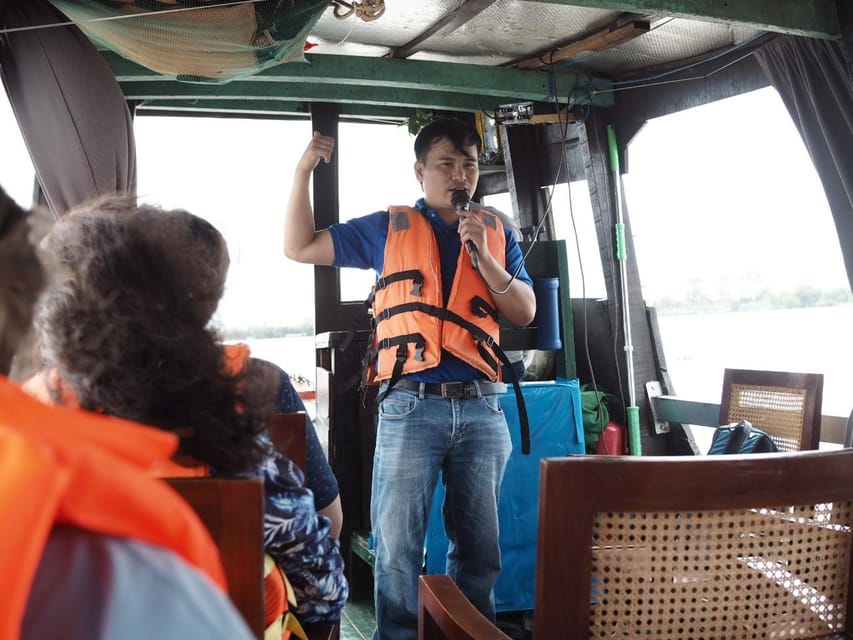
This tour doesn’t just slap on a performance. You get to enjoy Don ca tai tu Southern folk music, and it’s recognized by UNESCO as an Intangible Cultural Heritage of Humanity.
What I like about including it after the orchard and fruit part is that it feels like a natural continuation of daily life in the Delta. It’s not only about singing; it’s about the social and spiritual role the music plays for local people.
In practical terms, it also gives you a seated break from travel and sun. That matters if you’re doing a full day.
Tuktuk and the Hand-Rowed Sampan: A Slower Way to See the Delta
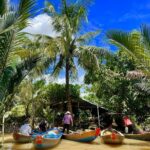
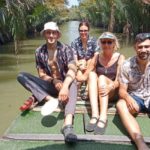
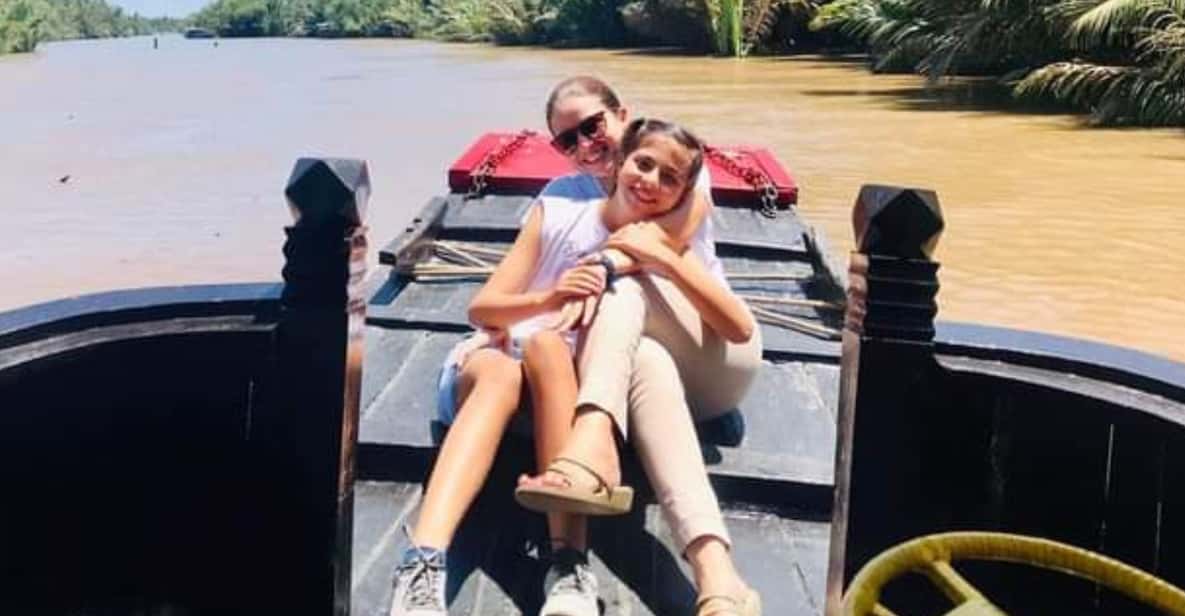
One of the most distinctive highlights is the ride called hand–rowing sapan. This is essentially a hand-rowed boat that recalls how local people moved through canals and waterways in earlier times.
Along the way, you’ll also hop on a tuktuk and take a short walk through a quiet village. The goal here is simple: you’re meant to slow down and see the Delta at human speed, not just from a bus window.
This portion is also where the tour earns its value as more than a “two stops and leave” day. You get movement through canals and brief moments of village-scale calm.
Riverside Lunch: Giant Gourami and a Private Feel
You’ll reach a riverside restaurant for lunch, described as Riverside restaurant, with bottled water included. You also get lunch time described as private, which is a nice touch on a day that otherwise has a fixed group schedule.
The menu highlights include deep-fried giant gourami, spring rolls, and a giant fried sticky rice ball. Since the only meals explicitly included are lunch and water, you’ll want to treat lunch as your main meal of the day and plan to skip extra big eats before returning.
I like that the lunch sits at the end of the more active canal-and-village moments. It doesn’t feel like eating in transit. It feels like a finish line.
Price, Pickup, and Comfort: What You’re Really Paying For
At $50 per person for a one-day tour, the value comes from the package size. You’re not just visiting Cu Chi or only cruising the Delta. You’re getting both, plus:
- AC 16-seat car and a small group (maximum of 10 people)
- Professional English-speaking guide
- Entrance fees
- Lunch at Riverside restaurant and bottled water
- Tapioca snack with hot pandan tea at Cu Chi
- Tropical fruits at a local market
Also, you get free pick-up and drop-off in District 1, 3, and 4. If your hotel is outside those areas, there’s a surcharge listed as $8 for the group for two ways.
This matters because transportation and entrance fees can quietly inflate costs when you do it independently. Here, you’re paying for time saved and logistics smoothed out, especially helpful if your schedule is tight.
The skip-the-ticket-line detail is another small but real quality-of-life point. When you combine it with a guide who can keep everyone together, your day stays on track.
Who This Tour Suits Best (and One Thing to Respect)
This tour is a great fit if you want a strong mix: war history plus everyday Delta culture in one long day. It also works well if you like guided structure—there’s enough context to make the tunnels and folk music land properly.
It’s especially good for:
- Couples or friends traveling together who want one guide and one ride
- First-timers to Ho Chi Minh City who only have a day to spare
- People who like hands-on experiences like the tunnel crawl and optional range activity
The one thing to respect is physical comfort. The Cu Chi tunnel crawl is narrow, and the experience is designed to be. If you’re worried about enclosed spaces or you’re traveling with mobility concerns, this is the part you should think hard about before booking.
If you go anyway, plan for covered clothing, keep your expectations grounded, and let the guide pace you.
Should You Book Cu Chi Tunnels and Mekong Delta Full Day Tour?
I’d book this tour if you want the best use of limited time in Southern Vietnam and you like experiences that mix learning with activity. Cu Chi gives you a rare look at underground living systems, and the Mekong Delta portion adds a cultural and scenic reset with fruit, Don ca tai tu music, and a hand-rowed boat ride.
The price looks fair for what’s included—especially lunch, entrance fees, a small-group AC ride, and the guide’s structure. Just budget for the optional shooting add-on if you want it, since the bullet fee is not included.
If you dislike tight spaces, treat the tunnel crawl as your deciding factor. Otherwise, this is a strong, well-rounded day: history in the morning, river life in the afternoon, and enough stops to feel like you actually experienced two different sides of Vietnam.
FAQ
Is the tour offered in English?
Yes. The tour includes a professional English-speaking guide.
How long is the tour and how do I know the starting times?
The duration is 1 day, and you’ll need to check availability to see the starting times.
What does the $50 price include?
It includes an AC vehicle with a small group (up to 10 people), free pick-up and drop-off in Districts 1, 3, and 4, professional English guide, entrance fees, lunch at Riverside restaurant with bottled water, a tapioca and tea snack at Cu Chi, and tropical fruits.
Is the Cu Chi shooting included?
Shooting is optional. The shooting itself has an optional surcharge, and the bullet fee at the range is not included (about $2 per piece).
Where is hotel pick-up free?
Free pick-up and drop-off is available from hotels in Ho Chi Minh City in District 1, 3, and 4.
What happens if my hotel is outside District 1, 3, or 4?
A surcharge is listed as $8 for the group for two-way transfer.
What meals are included besides lunch?
Only lunch is listed as included, plus a light snack at Cu Chi (boiled tapioca with hot pandan tea). Other meals are not included.