REVIEW · HO CHI MINH CITY
Coffee Workshop in Ho Chi Minh City: Discover the art of coffee
Book on Viator →Operated by iO Specialty Coffee · Bookable on Viator
Vietnamese coffee teaches hands-on patience. I love the max-15 class size and the chance to brew with a traditional phin filter, not just drink a sample. One possible drawback: if you’re expecting easy, carefree English explanations, you may find the instruction a bit hard to follow.
Over roughly two hours, you’ll work through farming, processing, roasting at three levels, cupping different roasts, and then making your own cup you can brew again at home. The goal is simple: understand what makes Vietnamese Fine Robusta taste good, and how to choose better coffee by sight and smell.
In This Review
- Key highlights worth your time
- Where the class starts in District 7 (and what that means for you)
- Farming and green beans: learning what to look for before roasting
- Roasting hands-on: three roast levels and the taste you can name
- Cupping: tasting like a brewer, not like a bystander
- Brewing Vietnamese Phin coffee: the skill you take home
- Quality and technique: learning to tell low vs high coffee
- Instructor style: Chris or Danny’s teaching vibe
- Price and value of this Ho Chi Minh City coffee workshop ($71 for about 2 hours)
- Who should book this workshop (and who might skip it)
- Should you book this Coffee Workshop in Ho Chi Minh City?
- FAQ
- How long is the coffee workshop in Ho Chi Minh City?
- What group size should I expect?
- What does the workshop include besides drinking coffee?
- Do we use a Vietnamese Phin filter during the class?
- Where is the meeting point?
- Is there free cancellation?
- Is a mobile ticket used?
Key highlights worth your time
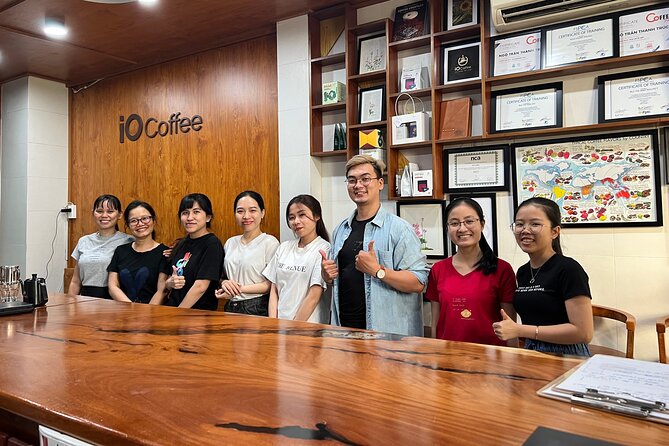
- Small-group format (max 15) that helps you actually practice, not just watch
- Traditional phin brewing so you learn a method that defines Vietnamese coffee
- Hands-on farming and processing including green bean prep and defect checking
- Three roasting levels plus cupping to connect taste with roast choices
- Tasting samples throughout so you leave with a clearer flavor map
Where the class starts in District 7 (and what that means for you)
You meet in District 7 at the Signature M7, Lobby Block A (near the BPPFH+R5V landmark). The activity ends back at the same meeting point, so you’re not building a whole new route into your day. With a duration of about two hours and a mobile ticket, you can treat this like a focused half-block on your itinerary.
The biggest practical win here is timing. If you’re staying in District 1 or nearby, this kind of workshop is a smart “useful activity” that doesn’t eat your whole afternoon. It also matters that the group is capped at 15. In a bigger class, you’d be standing around; here you’re more likely to be called in for brewing, tasting, and bean-level sorting.
Also note the course supports service animals, and it’s listed as near public transportation—helpful if you want to avoid ride-hailing for one short stop.
You can also read our reviews of more city tours in Ho Chi Minh City
Farming and green beans: learning what to look for before roasting
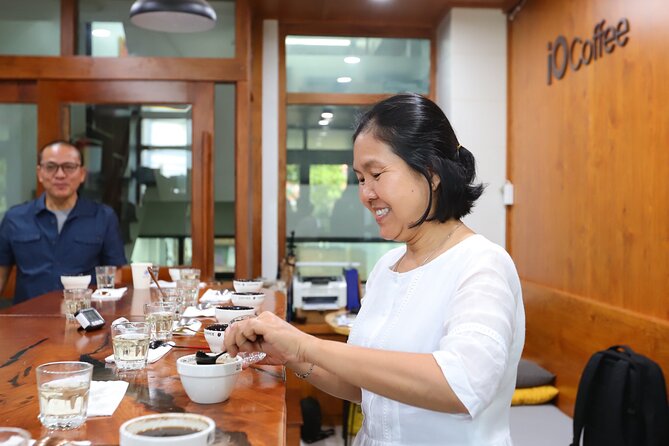
This is the part I appreciate most because it turns coffee from a product into a process. You start with harvesting and how ripe coffee cherries look and are handled. Then you move into processing—specifically a small-scale demonstration of three different processing methods—so you can connect what happens before roasting to what you later taste in the cup.
You also get a very practical skill: sorting. The class teaches you how to recognize lower-quality coffee and then personally pick green beans to remove defective ones. That sounds basic, but it’s the kind of foundation that makes tasting less mysterious. Instead of thinking good coffee is random luck, you learn it can be built from choices made early.
For you, this matters because most Vietnam coffee encounters are passive: you order, you drink, you move on. Here, you build a checklist in your head—what the cherries/beans should look like, and what to do when something seems off. Even if you never start sourcing beans, the tasting later feels easier when you’ve already practiced “quality control.”
Roasting hands-on: three roast levels and the taste you can name

After farming comes the part most people love and most people guess about: roasting. In this workshop you get hands-on roasting experience, not just an explanation. You also work through three roasting levels, and you learn how flavor changes across them.
I like this approach because it trains your senses. Roast level isn’t just a number on a bag—it becomes a reference point you can taste later. The class aims to help you notice your own preference, which is key. Some people like brighter, lighter roasts for clarity. Others prefer deeper roasts for heavier notes. The workshop doesn’t force one answer; it helps you figure out yours.
One caution: roasting is physical and detail-driven. If your main goal is casual coffee enjoyment, you may find the focus on roast levels and technique more serious than you expected. But if you enjoy learning steps and cause-and-effect, this is where the class feels worth the money.
Cupping: tasting like a brewer, not like a bystander
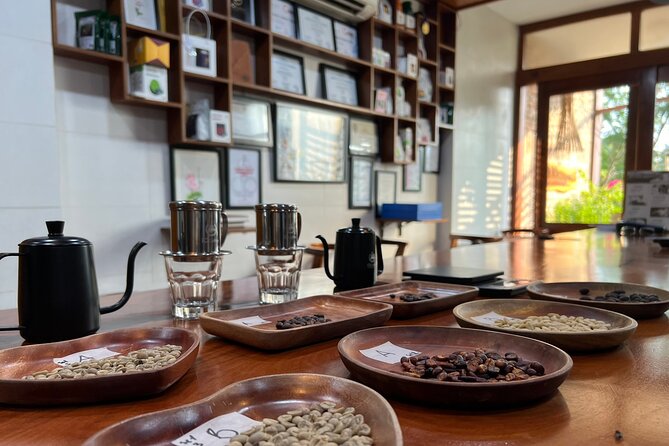
Cupping is where I see people switch from drinking to evaluating. You’ll explore flavors through tasting and compare different roast levels. This isn’t presented as a fancy show. It’s more like structured practice so you can better describe what you like.
For you, the value is repeatability. A lot of coffee trips end with a vague memory: It was good. After cupping, you’re more likely to say what changed—because you tasted it in sequence, roast level to roast level. That’s a major advantage in a place like Ho Chi Minh City, where cafés offer a mix of styles and you might want to replicate what you enjoyed.
And there’s another benefit: cupping reduces second-guessing at cafés. Instead of wondering why one coffee tastes different, you’re primed to think about roast and preparation choices.
Brewing Vietnamese Phin coffee: the skill you take home
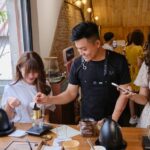
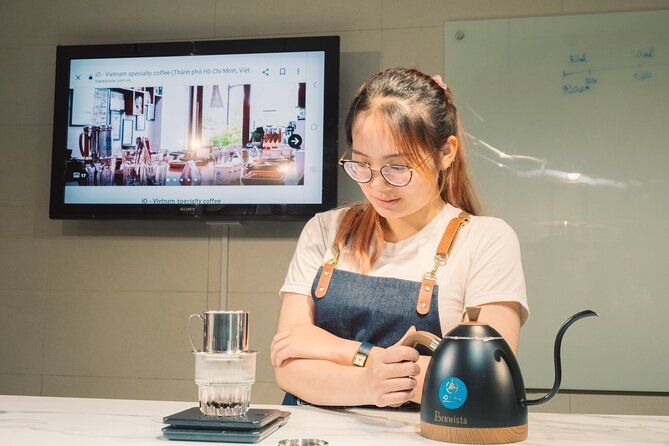
The workshop culminates with brewing traditional Vietnamese Phin coffee using a traditional phin filter. You also get the background of the phin style itself—just enough context to understand why it’s not an espresso imitation. Then you brew your own cup, and the experience is built to help you make authentic Vietnamese coffee at home afterward.
Here’s why this matters for real life. Most people can buy coffee. Fewer people can recreate the specific style. The phin method is part ritual, part technique. When you practice it in class, you’re not relying on guesswork. You leave knowing what steps lead to a drink that matches what you tried during the workshop.
In case you’re wondering what to expect from the final “make your own cup” moment: it’s not just pouring hot water and hoping. You’ll follow the process taught during the brewing segment, and you’ll be working with the phin filter specifically—so your takeaway is truly Vietnamese coffee, not a generic “coffee making” demo.
You can also read our reviews of more tours and experiences in Ho Chi Minh City




Quality and technique: learning to tell low vs high coffee
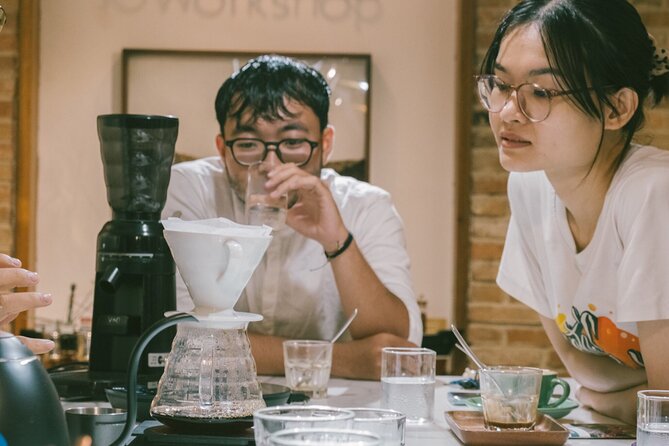
A big part of the class is quality awareness. You’ll learn how to tell low and high-quality coffee apart through demonstrations, and you’ll apply it during the bean-selection step where you remove defective green beans.
This is one of the most praised elements of the experience, because it adds an adult level of confidence to your coffee choices. You’ll start noticing that “good coffee” isn’t only about a café’s reputation. It’s also about the raw material and preparation steps leading up to it.
Just keep your expectations realistic. Coffee isn’t graded like a math test. But you can learn patterns. For example, the workshop focuses on selecting beans and understanding how processing and roasting influence flavor—so you’re building a method for evaluating coffee instead of relying on marketing claims.
Also, the teaching style can lean toward technical explanation. One piece of feedback described the workshop as very scientific and suited for people with a serious barista mindset. If you’re here for that level of detail, you’ll likely appreciate it. If you want simple and relaxed, you might need a little extra attention when the instruction gets technical.
Instructor style: Chris or Danny’s teaching vibe
Teaching quality is a big deal in a hands-on workshop, and the feedback highlights two instructor examples: Chris and Danny.
Chris has been described as kind, funny, and knowledgeable, with the ability to adapt the course when there’s only one participant. Danny has been described as patient when explaining details. That adaptability matters because coffee learning isn’t one-size-fits-all. If you have questions about bean defects, roast levels, or brewing steps, you’re more likely to get answers in a way you can actually use.
One practical thought for you: if English is your limiter, it’s smart to come in ready to focus. The class is structured, and even if you don’t catch every word, the visuals and the hands-on tasks do a lot of the communicating.
Price and value of this Ho Chi Minh City coffee workshop ($71 for about 2 hours)
At $71 for about two hours, this workshop isn’t a cheap caffeine stop. It’s closer to a skills lesson with multiple tasting and practical components. You’re paying for several distinct parts: farming and processing demonstrations, hands-on roasting, cupping across three roast levels, and phin brewing plus samples throughout.
For value, the small-group limit is the deciding factor. With a maximum of 15, the workshop can keep it personal enough that you’re not just observing. And there’s evidence the experience can become extra individualized—one participant ended up as the only person in the course, turning it into a VIP-style, one-on-one pacing.
So who gets good value? You’ll likely feel it if you want more than “try coffee” and instead want to understand how to brew Vietnamese coffee at home. If you mostly want a quick taste and don’t care about method, you might feel the price is higher than your goals.
Overall, I’d call it good value for coffee lovers who want structure, practice, and a clear takeaway: making Vietnamese coffee with a phin filter.
Who should book this workshop (and who might skip it)
Book it if you:
- Want a hands-on workshop focused on Vietnamese coffee, especially Robusta and phin brewing
- Like learning the steps behind taste: processing → roasting → cupping → brewing
- Enjoy structured tasting and want help identifying what you prefer
Consider a different option if you:
- Want a purely casual café experience rather than a method-focused class
- Get frustrated when instruction is technical or when English clarity varies
If you’re a serious barista type or you like SCA-style learning, this aligns with that mindset. If you’re a casual coffee drinker, you can still enjoy it—you just may want to go in knowing it’s technical enough to be educational.
Should you book this Coffee Workshop in Ho Chi Minh City?
If your goal is to come home with a method—not just a new café to visit—this workshop is a strong choice. The combo of green bean selection, three roast levels, cupping, and phin brewing gives you a full pathway from farm to cup in a short time.
I’d tell you to book it when you’re curious about Vietnamese Robusta and want real technique you can repeat. And if you’re sensitive to unclear English in fast explanations, be ready to lean on visuals and hands-on practice, because the class is designed around that.
FAQ
How long is the coffee workshop in Ho Chi Minh City?
The workshop lasts about 2 hours.
What group size should I expect?
The class has a maximum of 15 travelers.
What does the workshop include besides drinking coffee?
You’ll do activities around farming/harvesting and green bean processing, hands-on roasting, cupping and tasting samples, and brewing traditional Vietnamese Phin coffee.
Do we use a Vietnamese Phin filter during the class?
Yes. You’ll learn to brew Vietnamese coffee using a traditional phin filter.
Where is the meeting point?
The start point is Signature M7, Lobby Block A, in District 7, Ho Chi Minh City. The activity ends back at the meeting point.
Is there free cancellation?
Yes. You can cancel for a full refund up to 24 hours before the experience starts.
Is a mobile ticket used?
Yes. The experience features a mobile ticket.