REVIEW · HO CHI MINH CITY
From Ho Chi Minh: Cu Chi Tunnels – A Half-Day Trip
Book on GetYourGuide →Operated by Asia Tour · Bookable on GetYourGuide
Underground life starts with a film. This half-day Cu Chi Tunnels trip pairs war documentary footage with a chance to crawl the same narrow routes guerrillas used, plus the snack that kept people going: tapioca cooked on the Hoang Cam stove. The main catch is that the tunnels are tight and low, and you’ll also want to budget for anything extra like the ticket or the optional shooting-range bullets.
I like that the experience is built around more than just a walk-by attraction. You watch authentic footage, you see how camouflage worked (including leaves used to blend in), and you learn how underground refuge networks were organized like an underground city. A second consideration: some groups can run a bit late getting there and back, which can make the schedule feel rushed if you’re on a tight time window.
What you get for the money is the big story here. For $16, the day includes pickup/drop-off, an AC car transfer, a guide in multiple languages, bottled water, and a light snack at the site—while the main add-ons (like the ticket and bullet packs) are clearly not included.
In This Review
- Key points before you go
- First steps from Saigon: the AC transfer and on-the-ground briefing
- The documentary stop: why the story comes before the crawling
- Secret hideouts and the underground city effect
- Crawling through the tunnels: the physical part you should respect
- Real guns and real bullets: what’s included, what’s extra
- Tapioca and tea at the Hoang Cam stove: a wartime food detail you can taste
- Guides matter: Lian, Oliver, Lam, and Kieu bring different strengths
- Timing and value: what $16 covers, and what doesn’t
- What makes this trip worth your time, even if you’ve seen war sites before
- Who should book the Cu Chi half-day trip?
- Should you book this Cu Chi Tunnels half-day trip?
- FAQ
- What is included in the Cu Chi Tunnels half-day trip?
- Is the ticket included in the price?
- How long is the tour?
- Can I shoot at the shooting range?
- What food will I get?
- Do you go inside the tunnels?
- What languages are available for the guide?
- Is there free cancellation?
- Is a private group option available?
Key points before you go
- War documentary + real footage sets context before you go underground
- Crawl through narrow tunnels so it’s physical, not just visual
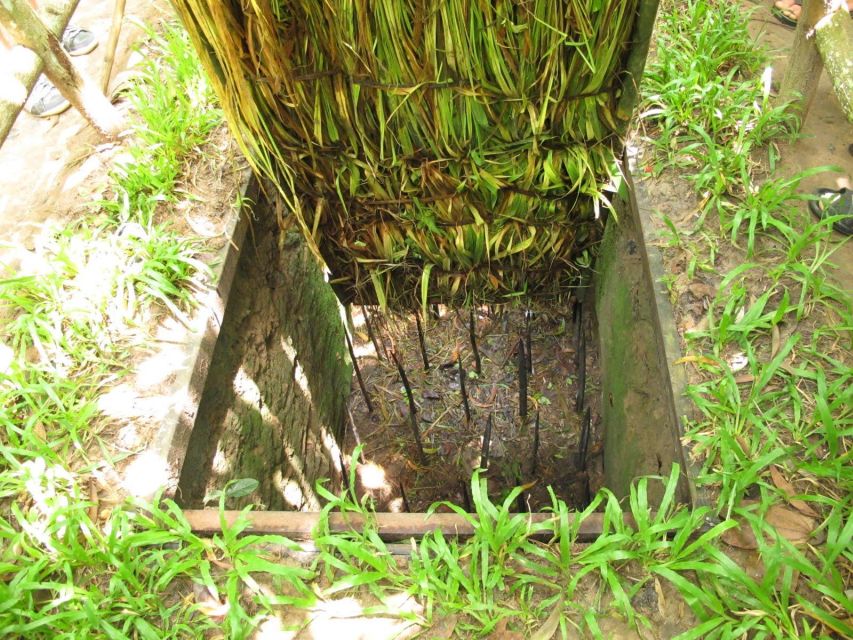
- Leaf camouflage and secret hideouts explain how survival worked
- Optional shooting with real guns (AK-47, M-60) with separate bullet fees
- Tapioca on the Hoang Cam stove gives you a taste of wartime food habits
- Guides can make or break the day, and the best ones handle questions well (I’m looking at you, Lam, Lian, Oliver, and Kieu)
First steps from Saigon: the AC transfer and on-the-ground briefing
This is a half-day trip designed to fit into a typical Ho Chi Minh schedule. You’ll be picked up in Saigon and transported by AC car, then returned to the meeting area after the tunnels visit. That comfort matters here, because once you’re at Cu Chi the day becomes a lot about walking and—yes—getting low.
The guide leads the whole flow in an appropriate language. Options include English and many others (Chinese, French, Japanese, Italian, Spanish, Korean, Russian, German). In practice, clear guiding helps because you’re dealing with history, a physically constrained setting, and multiple short parts of the program.
One practical note: the experience can be a bit harder to follow if you’re not catching every spoken detail. I’d plan to stay close to your guide and use any breaks to ask quick questions, especially if you’re in a language setting that feels like it’s moving fast.
You can also read our reviews of more tours and experiences in Ho Chi Minh City

The documentary stop: why the story comes before the crawling
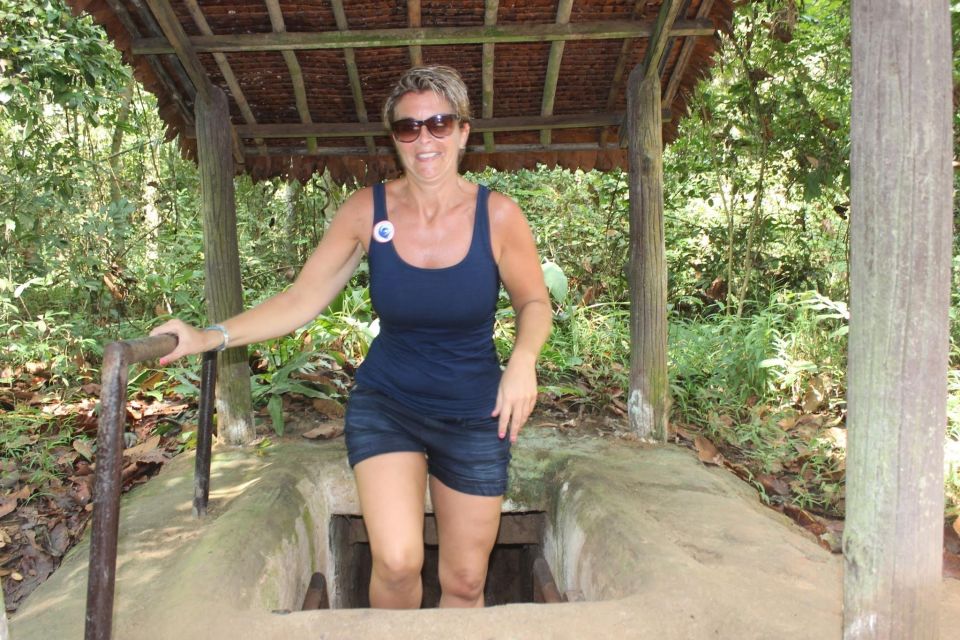
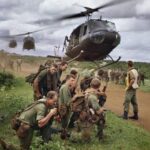
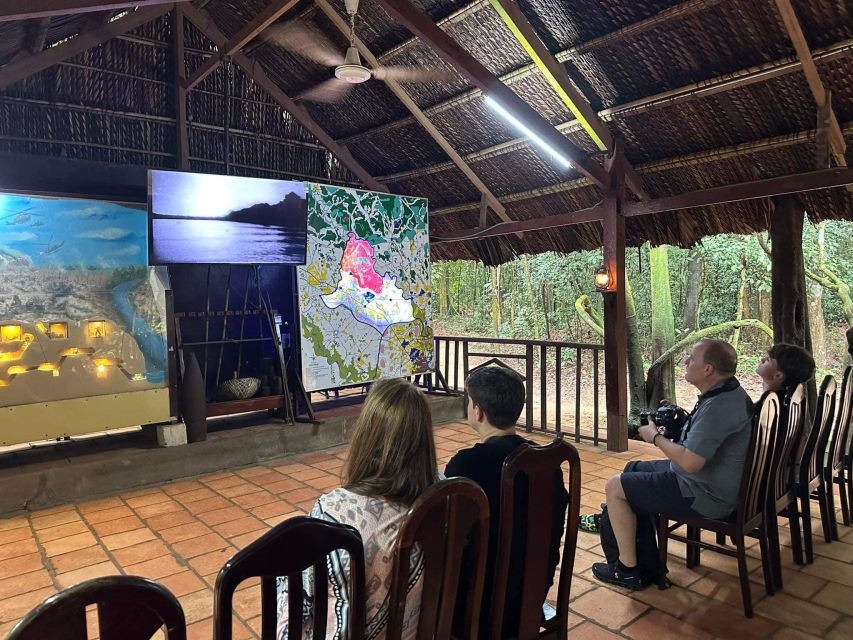
A standout part of this trip is that it starts with context, not just a map of tunnels. You can watch a real documentary about the Cu Chi Tunnels during the war, including authentic war footage recorded by cameramen. That’s not a “movie break.” It’s the setup for why what you’ll see underground looks the way it does.
If you normally think of tunnels as a single dark corridor, this kind of viewing changes the picture. It frames the tunnels as a living network—built for movement, secrecy, and survival—rather than an exhibit.
I also like how the trip weaves in multiple small documentary moments during the visit. That keeps you from treating each tunnel room or hideout as random scenery. Instead, you keep connecting the physical space to the human actions inside it: resisting, surviving, and fighting from below.
Secret hideouts and the underground city effect
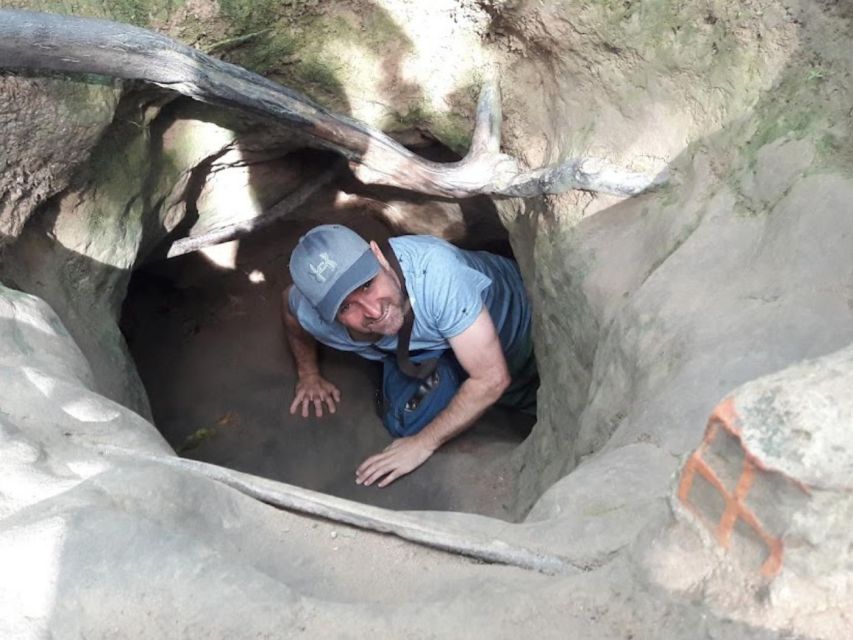
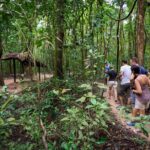
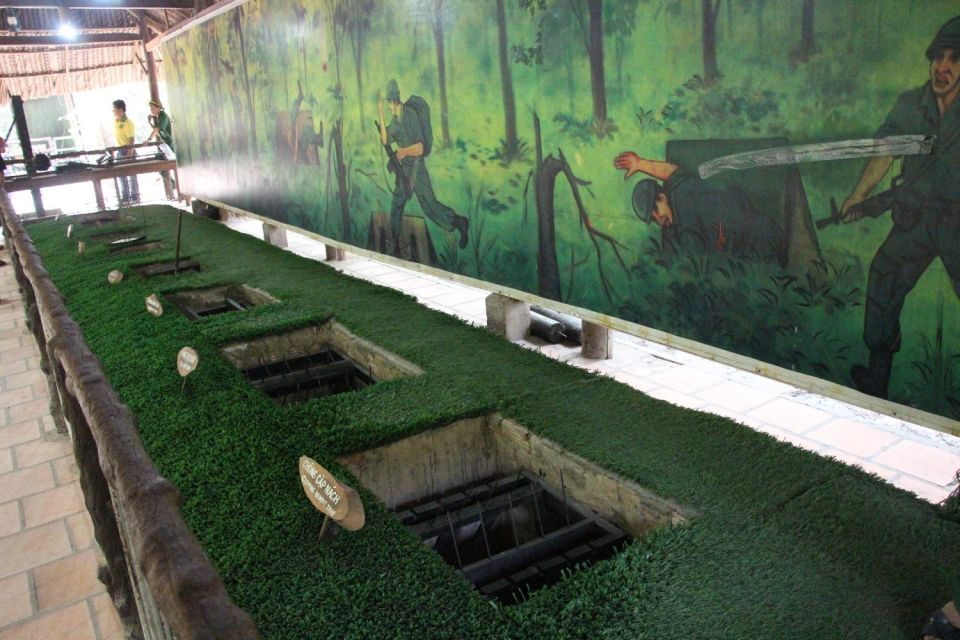
Once you’re on site, you explore secret refuge areas and networks that feel like a web. People describe the tunnels as intricate, and that’s exactly what this stop is meant to communicate: the sense that you’re entering a system designed for cover, escape, and control.
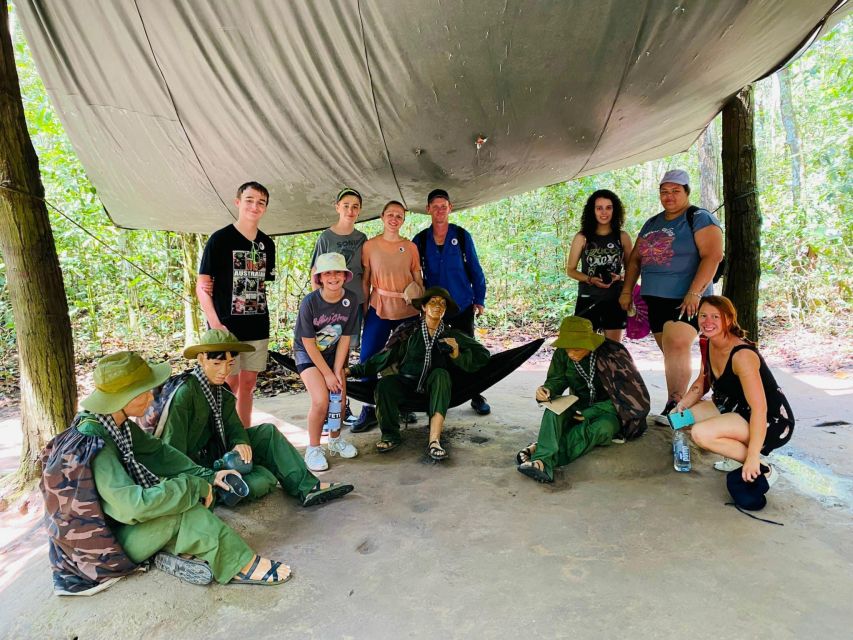
You’ll learn how guerrillas lived and resisted underground, including details like how they used leaves to camouflage themselves. That leaf detail matters because it explains that concealment wasn’t only about walls and distance—it was about blending in with the environment around the tunnels.
This is also where you get the underground-city idea. The trip doesn’t present it as one tunnel with a doorway. You’re guided through the logic of a hidden settlement: where people could stay, how movement could be routed, and why the network had to be dense.
Crawling through the tunnels: the physical part you should respect
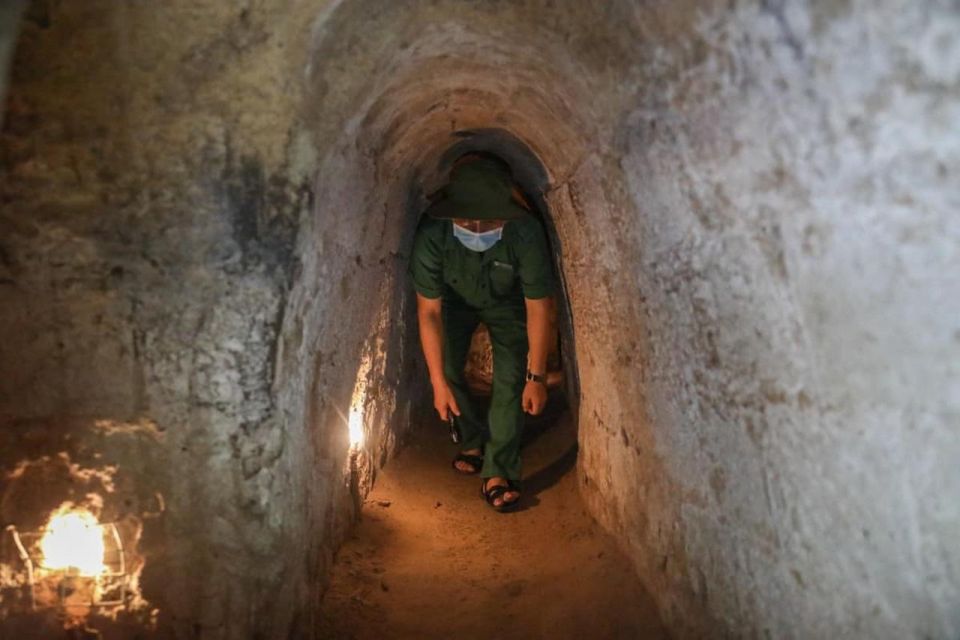
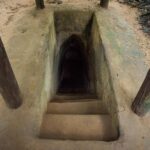
This is the part people remember because it’s not optional in spirit, even if you can choose how far you go. The experience includes an opportunity to go inside a very narrow tunnel so you can truly feel what tunnel life was like.
Here’s the honest practical consideration: claustrophobia and mobility issues can be a problem. The tunnels are described as narrow, and the low space is the point. You’re meant to understand the feeling, not just read about it.
If you go, wear practical footwear and expect you’ll be moving slowly. You’re not touring a museum floor. You’re moving through tight wartime engineering, where the “comfort” is basically zero and the goal is stealth and endurance.
Real guns and real bullets: what’s included, what’s extra
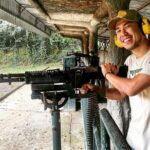
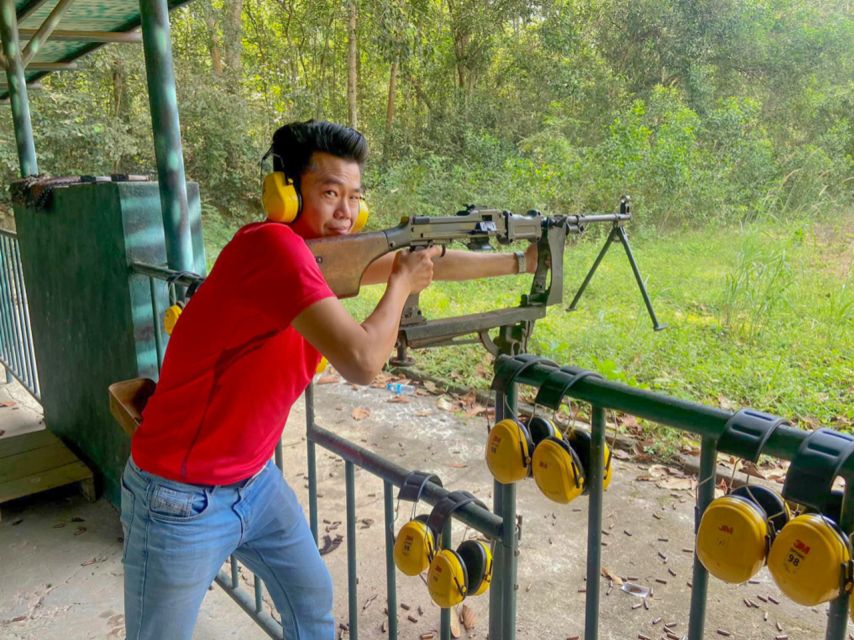
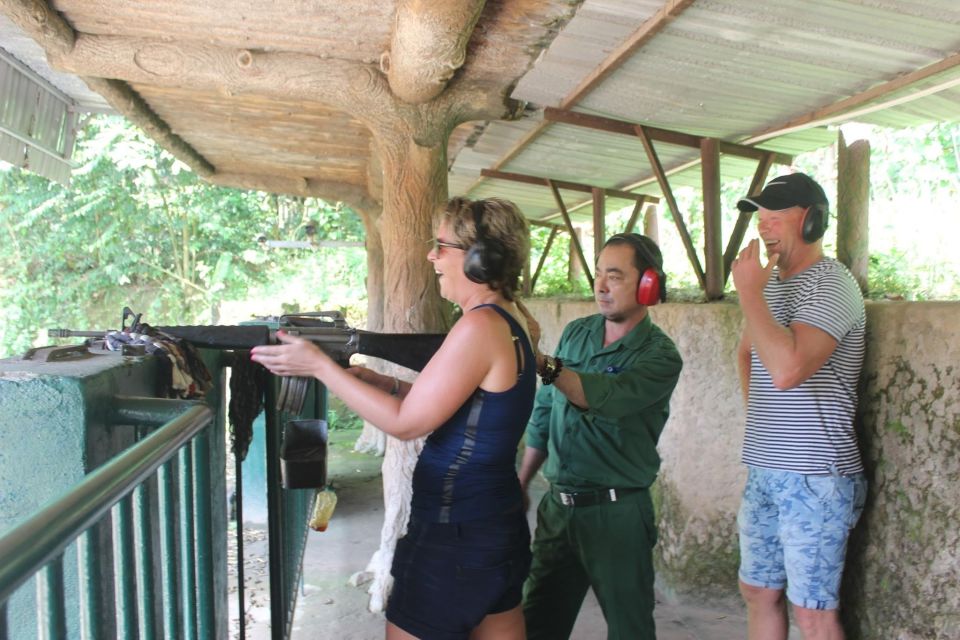
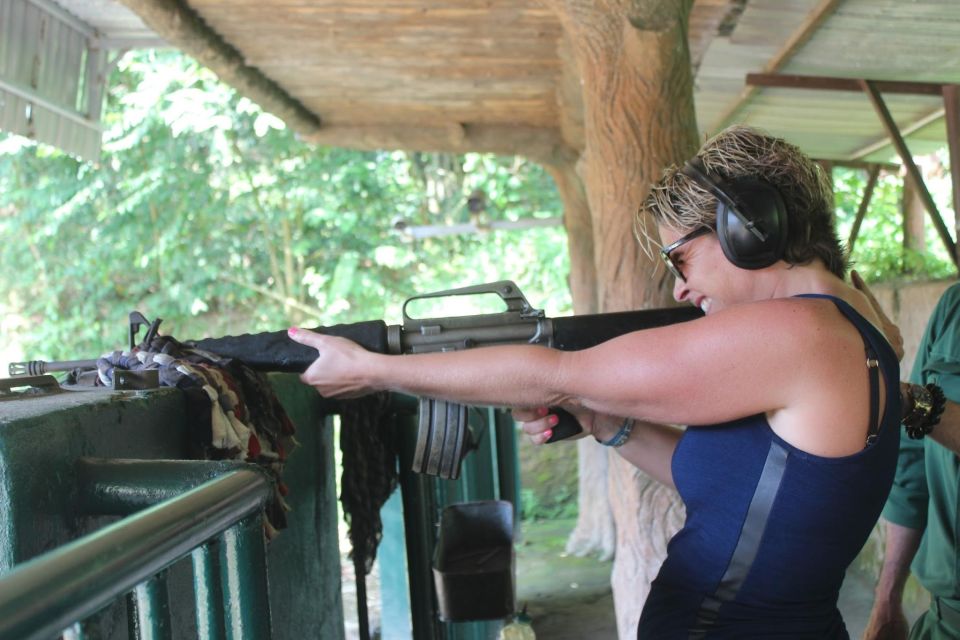
There’s an optional shooting-range component tied to real firearms, and it comes with separate costs. The trip includes the chance to shoot using real bullets and famous guns like the AK-47 and M-60, but the bullet fee is not included. The price listed for bullets is roughly 600,000 VND for a pack of 10 bullets.
The important value question: is that worth it to you? If you’re interested in how people trained and handled equipment during wartime, the chance to shoot can add a concrete sensation to the history you’ve already watched. If you’re more focused on the human story and the survival engineering, you may prefer to keep it strictly on the tunnels and demonstrations.
Also, keep in mind that the shooting part can add time. Since this is a 6-hour half-day, deciding early helps you avoid feeling like you’re rushing at the end.
You can also read our reviews of more tours and experiences in Ho Chi Minh City




Tapioca and tea at the Hoang Cam stove: a wartime food detail you can taste
After the tunnel time and the history context, you’ll have a light snack at the site: tapioca and tea. The food is prepared on the Hoang Cam stove, described as a special stove with the ability to hide smoke.
That’s a small detail with a big point. It connects the cooking process to the same wartime logic you learned from the camouflage and the underground hiding. Heat had to be managed quietly. Even everyday food had to be adapted for survival.
I like that the snack isn’t presented as a random “tourist treat.” It’s tied to the wartime theme of the day. If you’ve been thinking about how people lived when visibility was dangerous, this kind of food stop helps you keep that connection.
Guides matter: Lian, Oliver, Lam, and Kieu bring different strengths
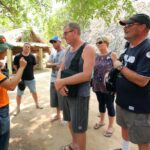
The quality of a Cu Chi day often comes down to the guide’s storytelling and pacing. In this experience, guides are described as friendly and professional, and English-speaking guides are included (with other languages available for an added surcharge).
I’m especially drawn to the way strong guides handle questions and interaction. Names that stand out include Lam, praised for being an excellent storyteller and for answering questions in a way that expands understanding. There’s also Lian and Oliver, who were noted for making guests feel safe while delivering an amazing experience.
Kieu is another guide name worth remembering, especially if you care about language clarity and smooth communication. In one case, she was described as speaking perfect Spanish and making the activity very interesting, plus helping with additional local tips like references for Vietnamese coffee and adjusting the route to bring the group to an exclusive spot in the city.
One more real-world consideration from day-to-day experience: sometimes a guide’s speech can be harder to catch, and groups can feel late due to travel time. If you want a calmer experience, build in a bit of buffer in your schedule.
Timing and value: what $16 covers, and what doesn’t
The headline price is $16 per person for a 6-hour outing. That’s relatively low for a structured half-day that includes pickup/drop-off in Saigon, an AC car transfer, bottled water, a friendly guide, and a light snack with tapioca and tea.
But you should price the day correctly in your head. Two key items are not included:
- Ticket (ticket price isn’t listed in the details you provided)
- Bullet fee if you choose the shooting-range option (roughly 600,000 VND per pack of 10 bullets)
Also, note the holiday surcharge: a 30% increase on the total price on holidays in Vietnam. That can matter if you’re planning around major dates, because it changes the real “all-in” number.
So here’s how I’d evaluate value:
- If you want the history context, the documentary, and the tunnel crawl, the included price can feel like a bargain.
- If you also want the shooting range and you’re there on a holiday, your all-in total will climb.
What makes this trip worth your time, even if you’ve seen war sites before
Plenty of war-related places focus on objects or big monuments. This trip leans harder into how people survived in a specific environment. You get camouflage explanations (including leaf cover), you explore secret hideouts and networks, and you see the underground city concept formed by interconnected tunnels.
The tunnel crawl is the “proof.” It turns theory into bodily understanding: why movement was difficult, why hiding had to be smart, and why the layout mattered for safety and resistance.
Then the snack at the Hoang Cam stove closes the loop. It’s a food detail that reinforces the same theme—wartime living required ingenuity in everyday moments, not only in combat.
Who should book the Cu Chi half-day trip?
This is a great fit if you:
- Like history that explains practical life, not only battles
- Want something hands-on (tunnel crawling) alongside short documentary segments
- Enjoy structured guide-led learning in multiple languages
- Prefer a half-day format so you can keep your other Ho Chi Minh plans intact
You should think twice if you:
- Feel uncomfortable in tight spaces or low-ceiling environments
- Know you won’t enjoy the shooting-range option and want to avoid time pressure (because this day is compact)
Should you book this Cu Chi Tunnels half-day trip?
I’d book it if you want a focused, guided experience that connects documentary footage to physical tunnel survival—and you’re fine with the tunnels being narrow and low. The $16 base price looks especially good when you factor in AC transport, bottled water, a guide, and the tapioca-and-tea snack.
Hold off (or plan your expectations carefully) if you dislike claustrophobic spaces, or if you’re sensitive to schedule pressure in a short 6-hour window. And if you’re curious about shooting, treat the bullet pack cost as part of your planning from the start.
If you choose this trip, give yourself one gift: arrive ready to listen and move slowly. This isn’t a place for rushing through the story.
FAQ
What is included in the Cu Chi Tunnels half-day trip?
The trip includes pickup and drop-off at the center of Saigon, a friendly and professional guide, AC car transfer, bottled water on the car, and a light snack with tapioca and tea at Cu Chi Tunnels.
Is the ticket included in the price?
No. The ticket is not included, and you’ll need to pay it separately.
How long is the tour?
The duration is 6 hours.
Can I shoot at the shooting range?
You can shoot with real bullets and famous guns like AK-47 and M-60. However, bullet fees are not included and are roughly 600,000 VND for a pack of 10 bullets.
What food will I get?
You’ll have a light snack with tapioca and tea at Cu Chi Tunnels, cooked on the Hoang Cam stove.
Do you go inside the tunnels?
Yes. There is an opportunity to go inside the very narrow tunnel to understand how guerrillas lived during the war.
What languages are available for the guide?
English is available, and other languages include Chinese, French, Japanese, Italian, Spanish, Korean, Russian, and German (with a surcharge for other languages).
Is there free cancellation?
Yes. You can cancel up to 24 hours in advance for a full refund.
Is a private group option available?
Yes. Private group availability is offered.