REVIEW · HO CHI MINH CITY
HCM: Cu Chi Tunnels-Tapioca Small Group Tour Morning or Afternoon
Book on Viator →Operated by KIM TRAVEL · Bookable on Viator
Under Saigon, history breathes. This Cu Chi Tunnels tour makes the Vietnam War feel physical, with war relics above ground and an optional crawl below it. I love the small-group feel (up to 25) because your guide can actually manage the crowd in the heat, and I love that pickup is handled for you from Districts 1, 3, and 4. One drawback to plan for: the tunnel section is extremely tight, so if you hate small spaces, you’ll want to skip the crawling option.
The pacing is built for a half-day day trip from Ho Chi Minh City, roughly 7 hours including travel. You’ll start with films and exhibits, then move into the underground maze where you’ll see how people used hiding entrances, trap-style layouts, storage, field hospital areas, and command spaces. Expect lots of standing and walking in tropical weather, even though the main underground time is limited.
Because different guides lead the experience, the quality of storytelling can shift a bit. I’ve seen names like Bao, Phong, Khanh, Luna, Tommy, Ben, and Martin mentioned for clear explanations and humor, which really matters when you’re trying to connect the details to real life underground.
In This Review
- Key things that make this tour worth your time
- Pickup, group size, and the ride out of Ho Chi Minh City
- What you’ll see first: films, exhibits, and war relics
- The tunnel maze: how it worked underground (and what you’ll actually do)
- The short walk through the forest + a documentary-style follow-up
- Cassava and tapioca: the simple snack that makes the past taste real
- The Agent Orange handicraft stop: what it is, and how to think about it
- Optional crawling: how to choose without losing the point
- Guides make or break it: Bao, Phong, Khanh, Luna, Tommy, and more
- Price and value: why $14.90 can work (if you want this style)
- Should you book the Cu Chi Tunnels small-group tour?
- FAQ
- How long is the Cu Chi Tunnels tour?
- Does the tour include pickup and drop-off?
- Is there an air-conditioned vehicle?
- Is the tunnel crawling required?
- What food and drinks are included?
- What’s included with admission?
- What’s the cancellation policy?
Key things that make this tour worth your time
- Pickup from Districts 1, 3, and 4 means less stress and less hassle at the start of your day
- War relics plus tunnel access helps you understand both the visible and underground parts of Cu Chi
- An English-speaking guide can turn confusing layouts into something you can follow
- Tapioca and cassava-style snacks give you a taste of what people ate during wartime
- Optional crawling lets you choose how much you want to test your comfort level
- Max 25 travelers keeps the group manageable in the exhibits and tunnel areas
Pickup, group size, and the ride out of Ho Chi Minh City
This is a classic “get picked up and get returned” day. You’re collected from hotels in Districts 1, 3, and 4, then brought to Cu Chi by minivan with air-conditioning. That matters because the drive is the boring part, and you don’t want to waste daylight negotiating transport.
The group is capped at 25 travelers, which is a sweet spot for a place like Cu Chi. Too-large groups turn the tunnels into a slow queue. Too-small groups can cost more. Here, you generally get enough people for energy, while still feeling like the guide can keep track of everyone.
One practical note: one review mentioned a vehicle that felt old or dirty. The tour includes AC, but don’t assume every minivan will feel brand-new. If that’s a dealbreaker for you, bring patience and water, and plan to use the AC mostly for the long ride back.
You can also read our reviews of more tours and experiences in Ho Chi Minh City



What you’ll see first: films, exhibits, and war relics
Before you go underground, the tour sets context. You’ll watch a film as part of the visit, and Cu Chi often screens both an official documentary and sometimes an extra 3D option depending on what’s available during your slot. The core point is the same: it’s meant to frame the big picture before you walk through the smaller, more personal details.
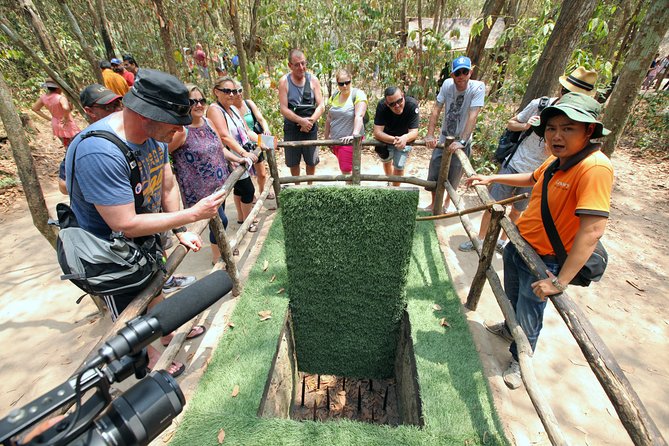
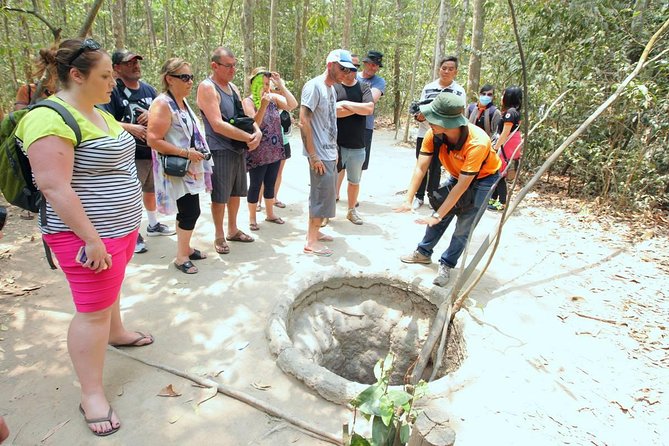
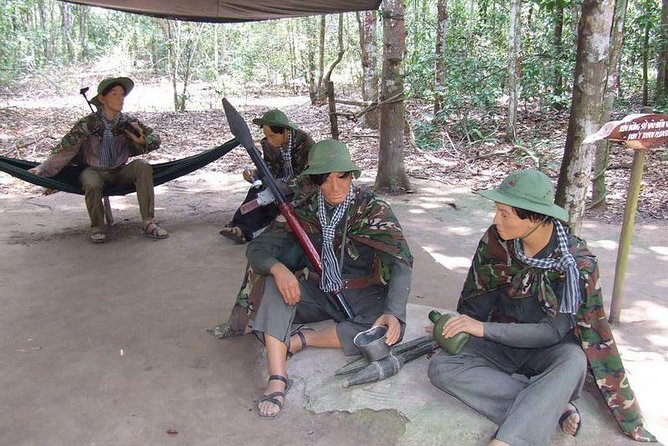
Next comes the war exhibit area. This is where you get a guided walk through things like bunkers, guns, and traps—plus other relic displays meant to show how the tunnel network supported combat and survival. Even if you think you know the basics of the war, this step helps you make sense of why the underground system wasn’t just for hiding.
What I like here is that the experience doesn’t jump straight to the crawl. It gives you mental hooks first: concealment, movement, supply, and quick exits. If you skip the story setup, the tunnels can feel like random holes. With the film and exhibits, the tunnel route feels more like a strategy.
The tunnel maze: how it worked underground (and what you’ll actually do)
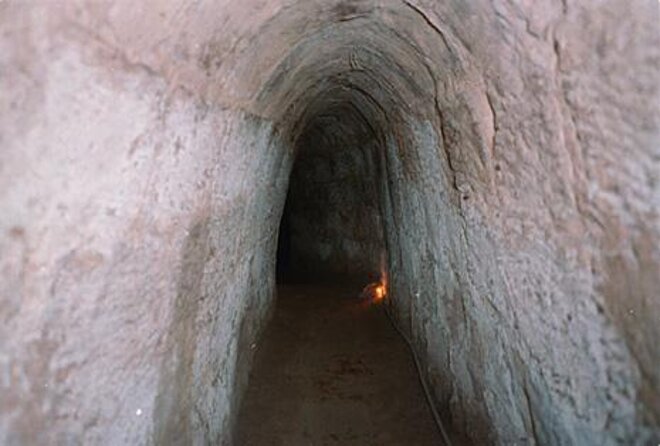
Now for the main event: the underground system. You start by exploring areas connected to daily life and the way the tunnel network was used during the war period covered by the tour. Expect to see (and be guided through) practical elements like hiding entrances, areas linked to storage, field hospital spaces, command-related zones, and kitchens. There are trap-door style features and many switchback routes that reflect the idea of control and sudden movement rather than comfortable travel.
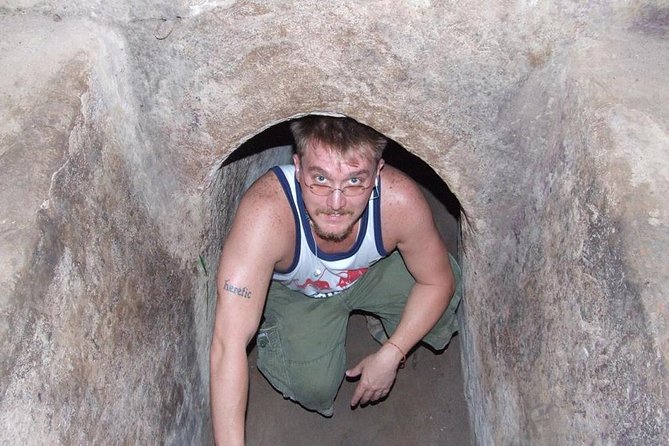
Then you’ll reach the crawl portion. The tour describes crawling into the tunnels as an optional experience, and that matches real comfort levels—some people want the full physical lesson, and others want to keep their space and breath. If you do crawl, you should plan for tight conditions. One review specifically pointed out a section around 60 meters long and about 4 feet high. Even with safety-focused widening for modern visitors, it still feels cramped.
Also pay attention to how the guide explains the layout. The tunnels have been adjusted over time for visitor safety, so you may not experience multiple historical levels the way you’d see in a textbook. What you can still get is the core lesson: the tunnels are engineered for survival, stealth, and staying functional under pressure.
The short walk through the forest + a documentary-style follow-up
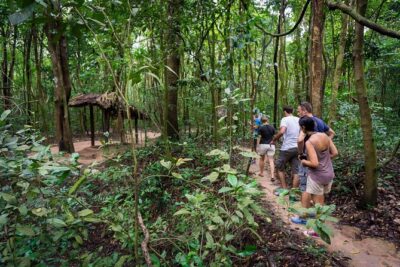
After the main exhibit-to-tunnel focus, there’s time in the surrounding area, including a forest walk and another documentary-style viewing. I like this part because it gives your brain a rest from tight space and constant signage. It also ties the tunnel strategy back to the landscape—why concealment worked better when the ground looked like nothing special.
This is also where the tour’s respect shows up. It’s not just ghoulish curiosity. The guiding tone stays focused on how people adapted in harsh conditions and how the tunnel system supported both living and fighting.
Cassava and tapioca: the simple snack that makes the past taste real
One of the smartest parts of this tour is the food tie-in. The visit includes tapioca and Vietnamese hot tea, and there’s also mention of cassava as a popular wartime food. You’re not going to leave stuffed, but you’ll leave with a small, memorable detail: this wasn’t survival based on gourmet decisions—it was based on what people could grow, store, and prepare.
For value, this matters. A lot of history tours give you nothing to eat except maybe a bottle of water. Here, you get a snack that connects directly to what the guide is describing. It’s one of the easier ways to keep attention when you’re tired from the day’s heat and walking.



The Agent Orange handicraft stop: what it is, and how to think about it
On the way back, you may get a stop connected to Agent Orange and disabled artists affected by it. This appears as a workshop stop in some tours, framed as both a rest area and an awareness stop. Purchasing souvenirs there is described as optional, and the stop is positioned as part of acknowledging long-term impacts of chemical exposure.
Here’s how I’d approach it: treat it as a chance to learn and support thoughtfully, not as a forced shopping moment. If you want the cultural impact but don’t want to buy anything, plan on just using it as a break and a moment to ask questions if your guide offers context.
Some people care about whether workshops feel like shopping stops. If you’re sensitive to that, you can mentally file this as optional attention. The core tunnel experience is the real reason you booked.
Optional crawling: how to choose without losing the point
This tour can still be worth it if you don’t crawl. One key review specifically said there’s no pressure to go underground, and you can still learn a lot from the rest of the visit. If you’re claustrophobic, have mobility limitations, or just want to keep the day enjoyable, skipping the crawl is a valid strategy.
If you do crawl, do it with the right expectations. It’s not a long adventurous trek. It’s more like a controlled dose of what it felt like to move in extreme tightness. That’s why it’s option-based, and it’s also why your guide’s instructions matter. One review noted that their guide helped them feel safe and monitored headcounts—so listen closely when the guide sets rules for moving through.
Pro tip: wear clothes and shoes you don’t mind getting dusty. The tunnel experience is small-space travel, and you’ll be glad you chose comfort over style.
Guides make or break it: Bao, Phong, Khanh, Luna, Tommy, and more
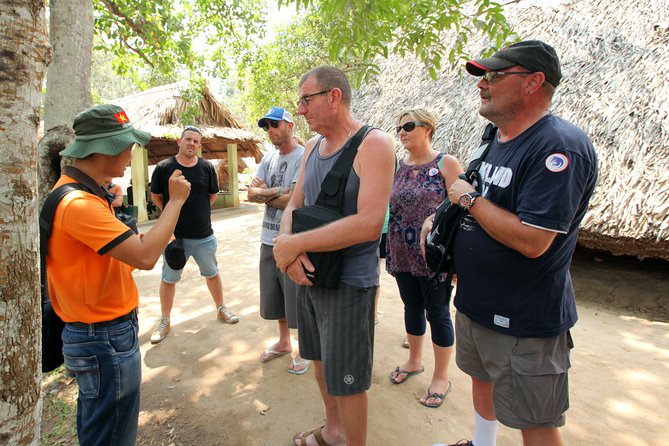
This is a guided tour, and the guide is the engine. The best experiences are the ones where the guide can explain the layout like it’s a story you can follow—not just a list of facts.
Names that came up for strong guiding include Bao, Phong, Khanh, Luna, Tommy, Martin, Lao, TV, and Ben. Common praise across these mentions: clear, engaging explanations; humor; and a sense that the guide is managing the group well in a place where attention matters.
Of course, there are also less perfect situations—one review complained about distractions and phone use during the day. So if you want a smoother experience, choose the departure slot that fits your mood (morning vs afternoon can change how people feel in the heat). And once you’re on board, do a quick check: if the guide is talking clearly and connecting the dots, you’ll have a better day.
Price and value: why $14.90 can work (if you want this style)
At $14.90 per person, this tour is positioned as good-value access to one of southern Vietnam’s top destinations. The real value isn’t only the low price—it’s what’s bundled with it: pickup and drop-off, entrance fees, films/documentary screening, an English-speaking guide, air-conditioned minivan transport, bottled water, tissues, and included snacks like tapioca and cassava-style food.
You also get optional extras depending on what’s scheduled and what you choose, including crawling. For many visitors, that’s the sweet spot: a guided structure to a major site, without needing to arrange transport alone or pay for a private guide.
Where the value can slip is when someone expects a longer, more academic deep-dive into every part of the tunnel system or every listed film version. If you want that level of detail, you might feel rushed. But for most first-time visitors with limited time in Ho Chi Minh City, this format hits the right balance.
Should you book the Cu Chi Tunnels small-group tour?
Book it if you want:
- A guided, structured Cu Chi visit with pickup so you don’t lose half your day figuring out transit
- A manageable group size (up to 25)
- A tunnel experience that includes crawling as an option, not a requirement
- A day that mixes storytelling, exhibits, and a snack connection to wartime life
Skip or think twice if:
- You strongly dislike tight spaces and don’t want the option of a crawl section near your comfort limit
- You’re picky about vehicle cleanliness and spotless professionalism every minute (there are mixed comments)
- You need a perfectly consistent film setup and want every described item to match exactly, because schedules can change how films are presented
If you’re making a first trip to Ho Chi Minh City and you want one high-impact outing, this is an easy yes.
FAQ
How long is the Cu Chi Tunnels tour?
It runs for about 7 hours (approx.), with time for pickup, travel, the tunnel visit, exhibits, and the return.
Does the tour include pickup and drop-off?
Yes. Pickup is offered from Districts 1, 3, and 4, and the tour ends with drop-off back in District 1.
Is there an air-conditioned vehicle?
Yes. The transport is described as a minivan with air-conditioning.
Is the tunnel crawling required?
Crawling through the tunnels is listed as an optional experience, so you can choose whether to do it.
What food and drinks are included?
The tour includes tapioca, Vietnamese hot tea, plus bottled water. There’s also mention of wheat cake and wet tissues.
What’s included with admission?
Entrance fees are included, along with watching the Cu Chi Tunnels documentary film.
What’s the cancellation policy?
Free cancellation is available up to 24 hours in advance for a full refund. If it’s canceled due to poor weather, you’ll be offered another date or a full refund.