REVIEW · HO CHI MINH CITY
Ho Chi Minh: Tasting Iconic Coffee of 3 Regions in Vietnam
Book on GetYourGuide →Operated by Sky Travel · Bookable on GetYourGuide
Vietnam’s coffee comes with a lesson.
I love that this class is hands-on, not just sip-and-leave: you brew with the traditional Phin dripper yourself, then taste the results right away. I also like how the guide links each coffee to its region, comparing South, Central, and North styles in a way that makes the flavors feel personal. One thing to consider: the setup can feel more like a small private room than a classic café, so don’t expect a big restaurant vibe.
With a small group (up to 10) and an English-speaking host, you get time to ask questions and actually pay attention to the differences. On at least one recent session, the guide even showed coffee history using pictures, and guided people through what can go wrong during brewing so you understand the steps, not just the final drink.
In This Review
- Quick hits before you go
- Why This Ho Chi Minh Coffee Tasting Covers 3 Regions
- Meeting Point on Ngo Duc Ke (District 1) and What the Space Feels Like
- Using the Phin Dripper: The Hands-On Brewing That Changes Everything
- The South’s Icon: Condensed Milk Coffee (Thick, Sweet, Comforting)
- Middle Vietnam’s Icon: Salt Coffee (The Flavor Contrast You’ll Remember)
- North Vietnam’s Icon: Egg Coffee (Creamy Richness With a Custard-Like Feel)
- The Q&A, Pictures, and Why the Guide Matters
- Price and Value: Is $21 Worth It?
- Caffeine Reality Check: Eat First, Especially If You’re Sensitive
- Who This Experience Fits (and Who Might Want to Skip It)
- Should You Book This Ho Chi Minh Coffee Tasting?
- FAQ
- How long is the coffee tasting experience?
- How much does it cost?
- Where is the meeting point?
- Is it a small group?
- What language will the host use?
- What coffee will you taste during the tour?
- Do you brew the coffee yourself?
- What’s included in the price?
- Are meals included?
- Can children join?
- Is it wheelchair accessible?
Quick hits before you go
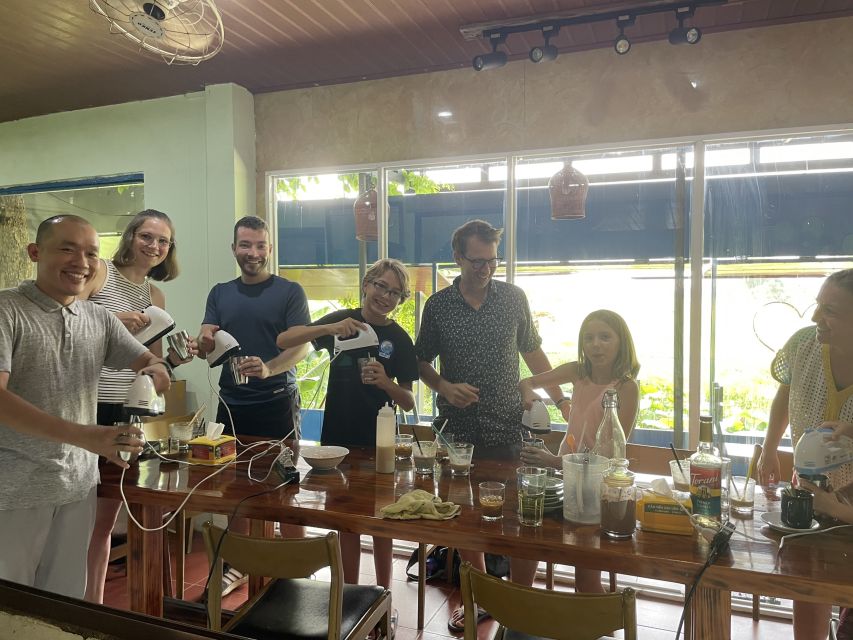
- Three regions, one tasting: condensed milk, salt, and egg coffee, each tied to Vietnam’s South, Central, and North.
- Real brewing practice: you’ll use the Phin dripper, not just watch someone else do it.
- Small group format: limited to 10 participants, so questions don’t get lost.
- Most drinks are half-size: you get a proper comparison without being stuck in one cup for the whole hour.
- Expect caffeine impact: it’s a lot of coffee in a short time, so eat first if you’re sensitive.
Why This Ho Chi Minh Coffee Tasting Covers 3 Regions
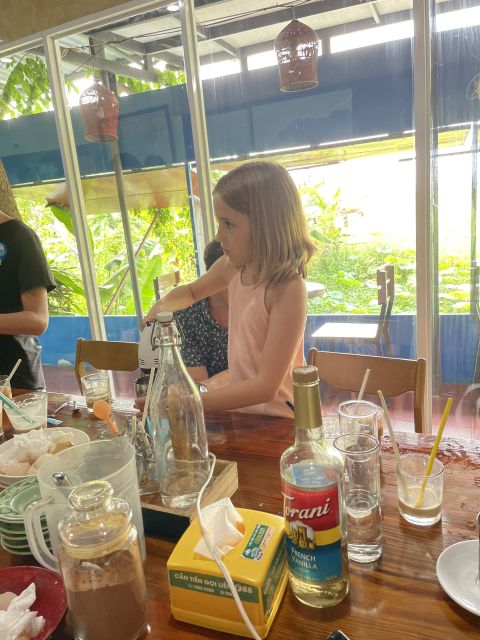
Vietnamese coffee isn’t one flavor. It’s a set of regional choices—about sweetness, texture, and what people think tastes best with their daily rhythm. This experience focuses exactly on that: South, Central, and North, each represented by an iconic style you can taste side-by-side.
What makes it interesting is the guide’s framing. Instead of treating these as random recipes, you’ll compare the drinks and the way each one reflects the people and the city behind it. You’ll leave with a simple mental map of Vietnam coffee: thick and sweet in the South, salty contrast in the middle, and creamy richness in the North.
You can also read our reviews of more food & drink experiences in Ho Chi Minh City

Meeting Point on Ngo Duc Ke (District 1) and What the Space Feels Like
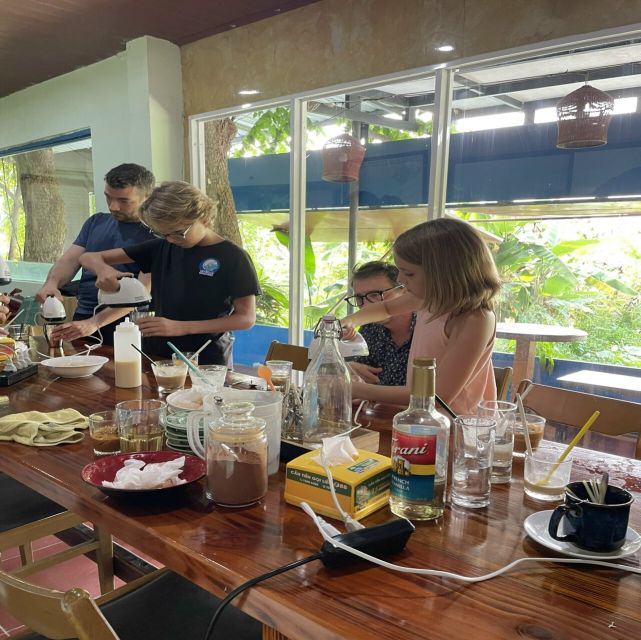
You meet at 27 Ngo Duc Ke Street, District 1, Ho Chi Minh City. That central location matters because it’s easy to fit into a day of exploring without needing a complex plan.
As for the room itself, it can feel like a small, private setup rather than a full public café. One guest noted that it looked more like an apartment-style tasting room than the brighter café-style photos they expected. So if you’re choosing this for atmosphere, go in with the mindset that the star is the coffee, not the décor.
Using the Phin Dripper: The Hands-On Brewing That Changes Everything
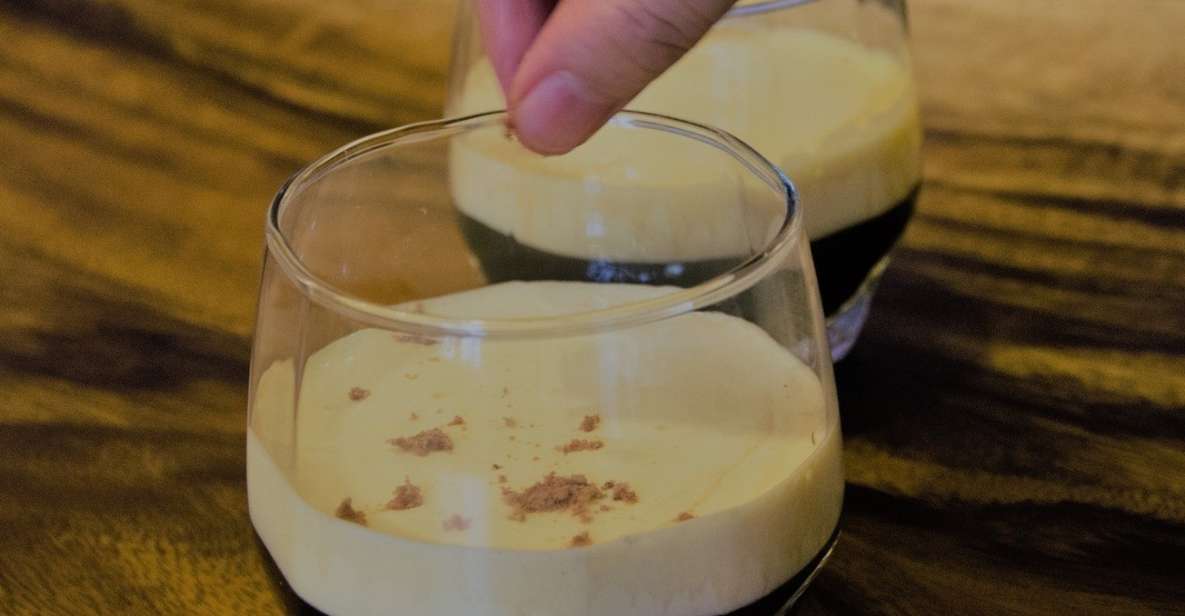
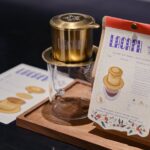
The heart of the class is brewing. You’ll be guided by an English-speaking coffee expert/specialist, and you’ll make coffee using the traditional Phin dripper. This is the moment that turns the tasting from entertainment into skill.
Why it’s worth caring: the Phin style affects strength and how the coffee concentrates as it drips. Even if you’ve had Vietnamese coffee before, making it yourself forces you to notice what the process does to the final cup. You also understand why timing and technique matter—especially when you compare three different regional drinks afterward.
One recent session stood out because the guide had people taste an intentionally off-brew version as a lesson. It made the point clear: small steps change the result, and learning the method helps you recreate the flavor later (at home or on your next trip).
The South’s Icon: Condensed Milk Coffee (Thick, Sweet, Comforting)
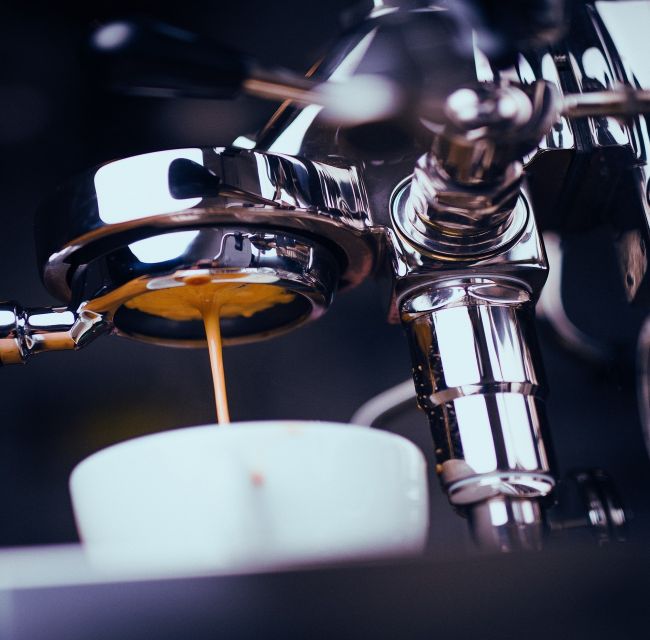
Your South Vietnam stop is condensed milk coffee, an iconic drink people associate with the region’s straightforward comfort—sweet, creamy, and built for satisfaction. In this experience, you’ll taste a half-size portion, so you can compare without getting overwhelmed.
Here’s the practical value of this one: condensed milk coffee teaches you what sweetness and body do to Vietnamese coffee. If you like dessert-like drinks, you’ll probably connect fast. If you usually drink coffee black, this is a good way to understand why people in the South often prefer a smoother, richer sip.
Try it with attention. Notice how the sweetness shows up early on the tongue, then how the coffee keeps its character underneath. That balance is why this drink became a classic in Vietnam.
Middle Vietnam’s Icon: Salt Coffee (The Flavor Contrast You’ll Remember)
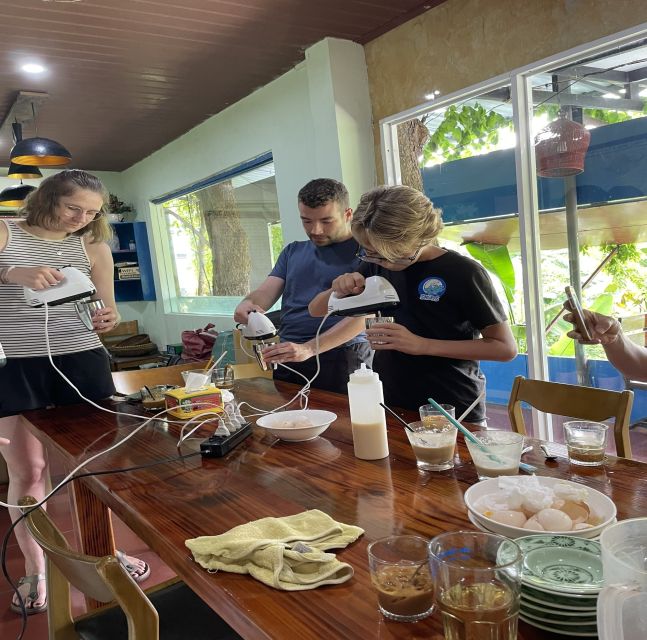
Next up is salt coffee, the Central Vietnam signature. This one surprises a lot of first-timers because it sounds like a trick until you taste it. The point isn’t to turn coffee into something savory and weird; it’s to highlight how salt can sharpen and round out flavors.
In your tasting, you’ll sample a half-size portion alongside the other regional drinks, so your brain can do quick comparisons. Salt coffee is especially useful for training your palate: it makes you think about balance, not just sweetness.
You’ll likely notice that the salt changes the impression of the coffee. The sweetness may feel different, and the coffee taste can feel clearer. That’s the value of the side-by-side format: you get the lesson in real time.
You can also read our reviews of more tours and experiences in Ho Chi Minh City



North Vietnam’s Icon: Egg Coffee (Creamy Richness With a Custard-Like Feel)
Your North Vietnam drink is egg coffee. This is the one most people describe as creamy and indulgent. If you like rich desserts or custard-style textures, this is often the favorite.
In the class, you’ll taste the half-size version as part of the three-region comparison. Since you’re already warmed up by condensed milk and salt coffee, egg coffee feels like the final step in the “texture story” of Vietnamese coffee.
What to pay attention to here: how egg coffee delivers body and aroma that feel different from dairy sweetness alone. It’s not just milk-forward. It’s more like a drink-version of a dessert texture, and it tends to stick in memory.
If you’re the type who orders the richest thing on a dessert menu, this is your moment.
The Q&A, Pictures, and Why the Guide Matters
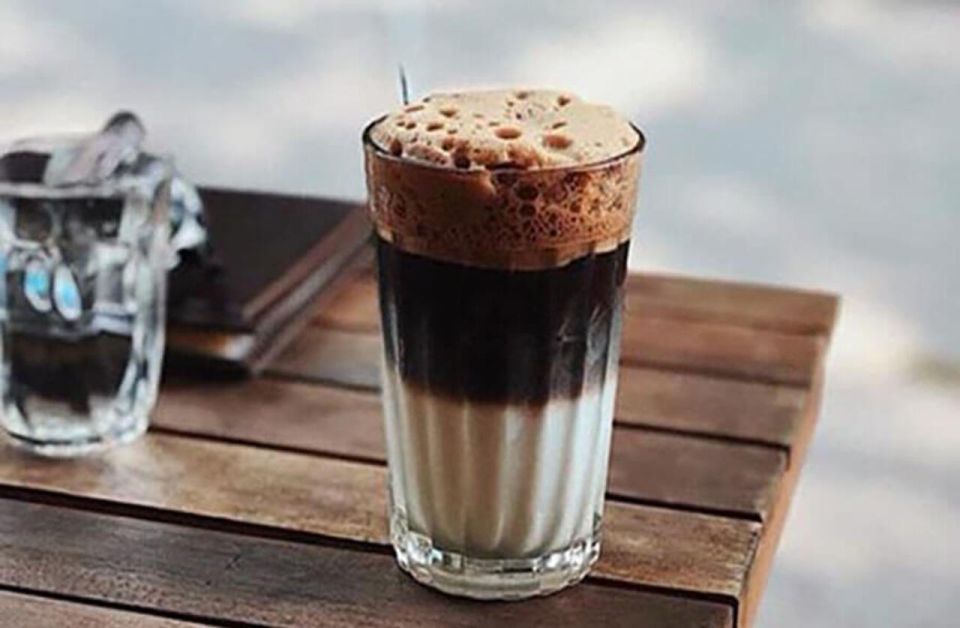
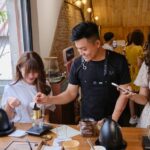
The guide role is a big part of why this experience works. You’re not just tasting; you’re getting context. One guest specifically highlighted that the guide used pictures to explain coffee history, and that the explanations made the experience click.
This matters because Vietnam coffee is full of cultural fingerprints. When someone can connect the South/Central/North styles to the people and cities behind them, you stop seeing the drinks as “just recipes.” You start seeing them as food choices shaped by everyday life.
Small group size also helps. With up to 10 participants, it’s easier to ask follow-up questions like:
- Why do these regions use different ingredients?
- How does brewing change the taste?
- Which coffee style matches which kind of mood or meal?
And yes, timing can run a bit over. One recent review mentioned the session extended around 30 minutes because of conversation. That’s usually a good sign: the guide isn’t rushing people out once you start learning.
Price and Value: Is $21 Worth It?
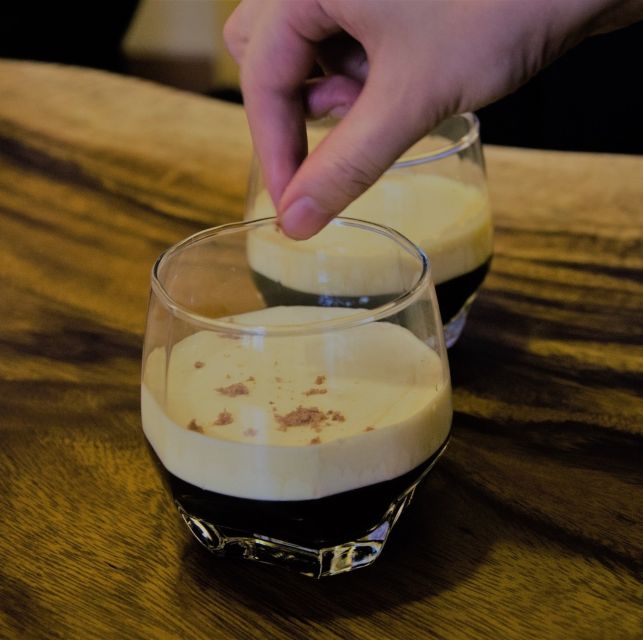
At $21 per person for a 1-hour experience, the value depends on what you want from your trip.
You’re paying for three things:
- Three distinct tastings (half-size drinks) so you can compare styles.
- Hands-on brewing with the Phin plus all ingredients and equipment.
- A coffee expert/specialist who provides explanation and helps you understand steps.
If you only want one drink, you could spend less elsewhere. But if you want a quick education and a taste comparison you can’t easily recreate on the spot, this price starts to make sense.
Also, the small group format keeps the experience from feeling assembly-line. And the inclusion of equipment/ingredients means there’s no surprise add-on cost for the lesson part.
Caffeine Reality Check: Eat First, Especially If You’re Sensitive
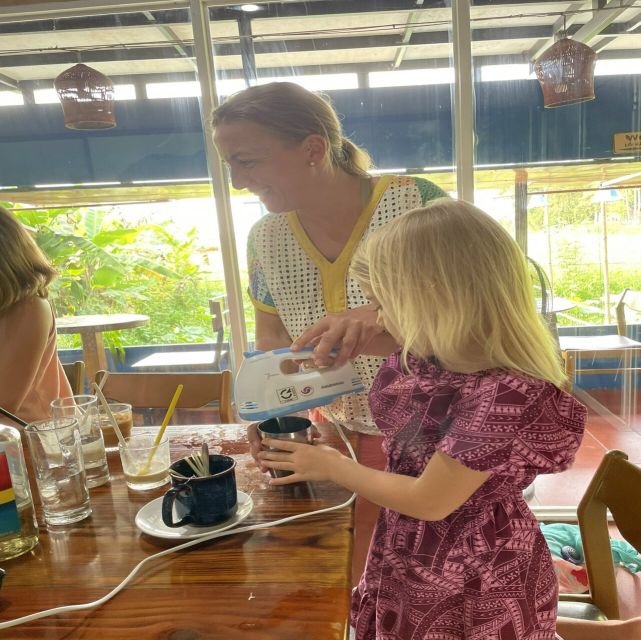
One guest gave a very practical warning: make sure you eat before you go, because it can be a lot of caffeine in a short time. That’s not theoretical. You’re tasting multiple coffees within an hour, and Vietnamese coffee styles can pack punch.
If you’re sensitive to caffeine, consider:
- Eating a meal beforehand
- Going easy on other caffeinated drinks the rest of the day
- Bringing patience for the fact that you might feel alert, not relaxed
This class is great for coffee lovers. Just plan it so your body doesn’t get surprised.
Who This Experience Fits (and Who Might Want to Skip It)
This experience suits you if you:
- Like coffee but want the “why” behind the flavors
- Want a short, structured activity in District 1
- Enjoy guided tastings more than self-guided browsing
It’s not a great match if you:
- Need wheelchair access (it’s listed as not suitable for wheelchair users)
- Are bringing children under 14 (they’re free but not able to join in tasting coffee)
- Are traveling with pets (pets are not allowed)
Also, if you dislike hands-on cooking-style activities, keep in mind this is a brewing class. You’ll be participating, not just observing.
Should You Book This Ho Chi Minh Coffee Tasting?
If you’re choosing between another quick food stop and something that teaches you a real skill, I’d lean toward booking this. The Phin brewing is the difference-maker: it’s the part you can carry with you. The three-region tasting also gives you an easy souvenir that isn’t an object—it’s a clear flavor understanding.
Book it if you want:
- A compact 1-hour activity with a strong focus on coffee
- Three famous Vietnamese coffee styles in one go
- An English-speaking guide who connects drinks to regional identity
Skip it only if you’re mainly chasing a café atmosphere, or if caffeine usually hits you hard.
FAQ
How long is the coffee tasting experience?
It lasts 1 hour.
How much does it cost?
The price is $21 per person.
Where is the meeting point?
The meeting point is at 27 Ngo Duc Ke Street, District 1, Ho Chi Minh City.
Is it a small group?
Yes. The group is limited to 10 participants.
What language will the host use?
The host or greeter speaks English.
What coffee will you taste during the tour?
You’ll taste three iconic Vietnamese coffee styles: condensed milk coffee (South), salt coffee (Middle), and egg coffee (North).
Do you brew the coffee yourself?
Yes. You’ll hand-brew using the traditional Phin dripper.
What’s included in the price?
Included are the Phin brewing experience, tasting of the three regional coffees (half-size drinks), all ingredients and equipment, and a coffee expert/specialist.
Are meals included?
Meals are not listed as included.
Can children join?
Children under 14 are free of charge, but they cannot join in the coffee tasting.
Is it wheelchair accessible?
No, it’s not suitable for wheelchair users.