REVIEW · HO CHI MINH CITY
Cu Chi Tunnels: Morning or Afternoon – Small Group Tour
Book on Viator →Operated by Indochina Heritage Travel · Bookable on Viator
Crawling into Vietnam’s war tunnels is unforgettable. I like how this is a small-group outing (up to 12) that keeps the day from feeling like cattle. I also love that you get an English-speaking guide who can explain what you’re seeing in plain terms, and guides like Bunny get called out for really knowing the wars and history.
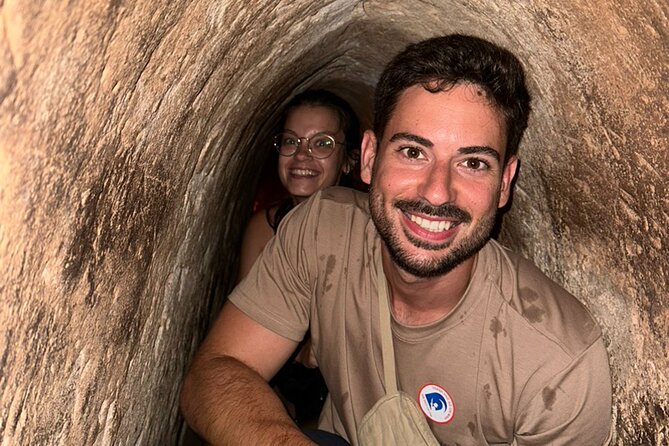
One heads-up: this is not a comfortable walk-through. The tunnels are narrow and claustrophobic, and you’ll likely crouch or crawl to get the full effect—so go with the right mindset (and closed-toe shoes).
In This Review
- Key Things I’d Watch For Before You Go
- From District 1 Pickup to Cu Chi Return: How the Day Actually Flows
- Timing thoughts: morning vs afternoon
- Ben Dinh vs Ben Duoc: What Changes When You Hit Different Tunnel Areas
- Entering the Tunnels: What You’ll See, What You’ll Feel
- A realism note on claustrophobia
- English Guide Power: How Bunny-Style Storytelling Helps
- Optional Extras: Shooting Range and Historical Weapon Practice
- Tapioca and Tea: The Food Detail That Makes the History Hit
- Group Size, Comfort, and the Logistics You’ll Feel
- What’s not included (so you don’t get caught)
- Price and Value: Is $17 Worth It for Cu Chi?
- Practical Tips So You Enjoy the Crawl-Through Part
- Who This Cu Chi Tunnels Tour Is Best For
- Should You Book This Small-Group Cu Chi Tunnels Tour?
- FAQ
- What time does the Cu Chi Tunnels tour depart?
- Is pickup included from Ho Chi Minh City?
- Are entrance fees included?
- How big is the group?
- What’s included besides the tunnels?
- Are meals included?
- Can I cancel for free?
Key Things I’d Watch For Before You Go
- Small-group cap of 12 helps you get answers without racing the crowd
- English-speaking guide makes the tunnels make sense, not just look spooky
- Entrance fees included at either Ben Dinh or Ben Duoc
- Tapioca and tea are part of the soldier’s daily reality, not a random add-on
- Crawl-through tunnel sections bring home the hardship (plan for tight spaces)
From District 1 Pickup to Cu Chi Return: How the Day Actually Flows
The biggest reason I’d pick this style of tour is that it’s built to remove friction. You’re picked up from a centrally located hotel in Ho Chi Minh City’s District 1, then you ride in an air-conditioned vehicle to Cu Chi. That matters because the site is outside the city, and Vietnam traffic can turn a “short trip” into a long one.
You’ll depart at either 7:30 AM or 12:00 PM, depending on the option you choose, and the whole experience runs about 6 hours. In plain terms: you’ll spend a chunk of that day on the road, then concentrate the real experience at the tunnels themselves. Once you’re done, you return to Ho Chi Minh City and get dropped off back at your hotel area in District 1.
What I like: the tour keeps you focused. There’s no confusing “maybe we’ll stop somewhere” energy. You go out, you see the tunnels properly, and you come back.
You can also read our reviews of more tours and experiences in Ho Chi Minh City



Timing thoughts: morning vs afternoon
- Morning (7:30 AM): better if you want cooler conditions and a full-feeling day before evening plans.
- Afternoon (12:00 PM): can work if you prefer a later start or you’ve got earlier commitments in the city.
If heat tends to wear you down, morning usually feels kinder. But either time works if you dress for humidity and bring water (you’ll get bottled water on the trip).
Ben Dinh vs Ben Duoc: What Changes When You Hit Different Tunnel Areas

This tour gives you entrance fees to either Ben Dinh Tunnels or Ben Duoc Tunnels, depending on your itinerary option. The key point for your planning: you’re not just paying for a bus ride to one generic tunnel entrance. You’re choosing between different areas, and that can affect how the day feels.
- Ben Dinh is often the more mainstream starting point. In the general framing of this tour, it’s associated with more budget-style bus trips.
- Ben Duoc is described as more secluded, and that’s where smaller, more intimate vehicle options come in (think minivan-style touring versus big-group bus energy).
So what should you do with that information? If you hate feeling like you’re being herded, you’ll probably prefer the Ben Duoc style. If your priority is value and you don’t mind a more standard set-up, Ben Dinh can be the practical fit.
Either way, the goal is the same: you’ll get to see wartime relics, learn what you’re looking at, and experience tunnel sections that are truly cramped.
Entering the Tunnels: What You’ll See, What You’ll Feel
Once you arrive, the day shifts from “transportation and logistics” into real observation.
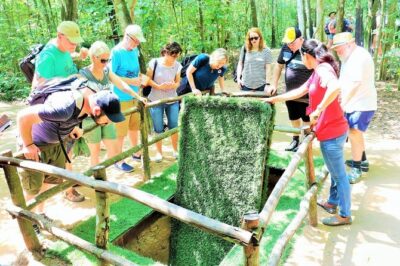
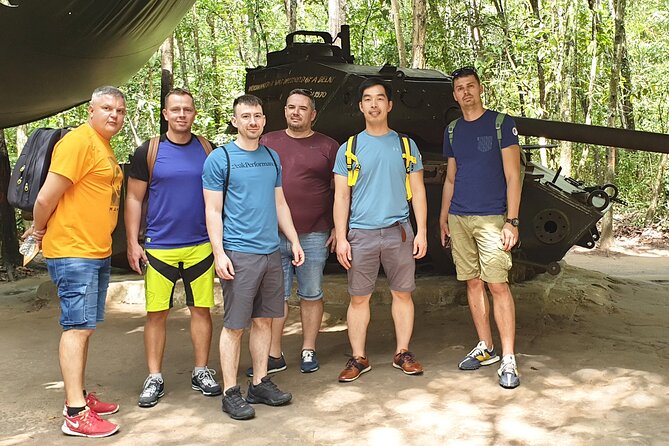
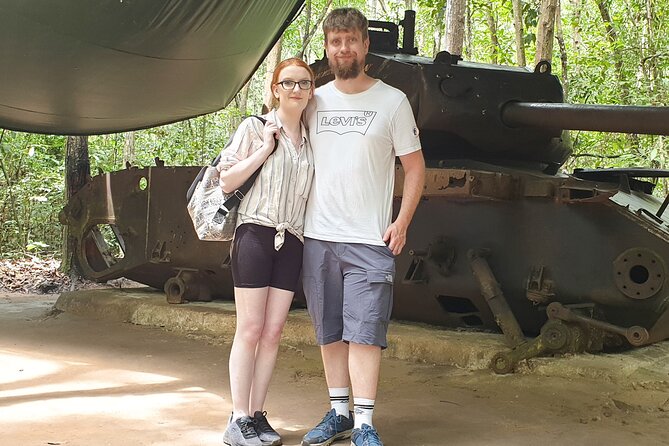
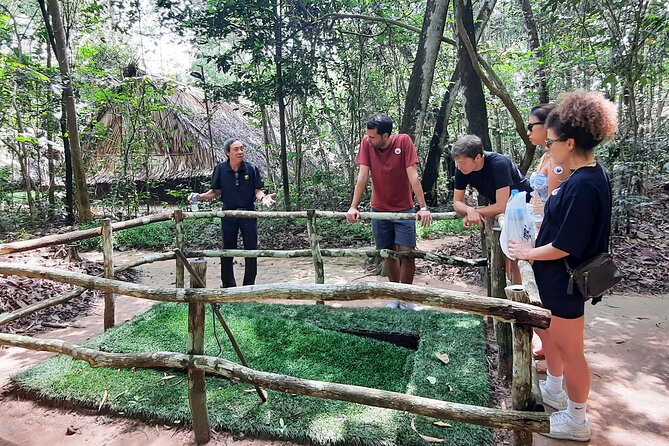
You’ll get a tour of Cu Chi’s wartime relics, including concealed areas like bunkers—places that helped Vietnamese soldiers survive and operate under extreme pressure. There’s also a documentary component that gives context, so you don’t just watch narrow passageways and think, cool, that’s small. You understand why being hidden and mobile mattered.
Then comes the part that makes this tour special—and also the part that filters who should go:
- You can experience the tunnels by crouching or even crawling.
- You’ll feel how narrow and tight it really is.
- You’ll get a better understanding of how difficult movement would be under wartime conditions.
A guide is a big deal here. When someone explains what you’re seeing and what each space was for, it turns a physical obstacle into a meaningful story.
A realism note on claustrophobia
This is where I’d be honest with myself (and you should be honest too): the tunnels are narrow and claustrophobic. Some people love that intensity; others find it unpleasant. If you’re unsure, choose a calm mindset, go slowly, and keep expectations realistic. This is history you feel in your body, not just history you read in a museum.
If you’re not comfortable in tight spaces, you might still enjoy the visit for the exhibits and explanations—but you should be cautious about the crawl-through parts.


English Guide Power: How Bunny-Style Storytelling Helps

The difference between a decent tour and a great one is how the guide turns images into understanding. This tour is explicitly built around an English-speaking guide, and the standout name that shows up in the feedback is Bunny. The repeated point: Bunny knows a lot about Vietnam’s wars and history, and you don’t just get facts—you get context that ties the tunnels to the larger story.
Here’s why that matters: Cu Chi can look like a strange underground maze if you don’t get the background. With a strong guide, you start noticing patterns:
- why concealment mattered,
- how soldiers moved and stored essentials,
- and how the tunnels fit into a wider strategy.
This is also where a smaller group really pays off. A max of 12 means you can ask questions and get answers without feeling like you’re interrupting. If you like to learn actively (not just follow along), you’ll likely get more out of this format.
Optional Extras: Shooting Range and Historical Weapon Practice
Beyond the tunnel experience, there are a couple add-ons that can change how you remember the day.
- There’s an optional shooting range visit. The important detail: bullet costs are not included, so you’d pay separately if you try it.
- The tour also notes that history buffs can test historical weapons.
Because the exact structure of these extras isn’t detailed here, treat them as optional experiences rather than guaranteed highlights. If you want hands-on elements, ask ahead (or confirm with the provider when booking) what’s offered on your exact departure.
Even without the extras, the tunnel visit plus explanations plus tunnel crawl-through can be enough to fill the whole day.
Tapioca and Tea: The Food Detail That Makes the History Hit
One part people sometimes overlook on war tours is food. Here, it’s handled in a way that feels practical rather than performative.
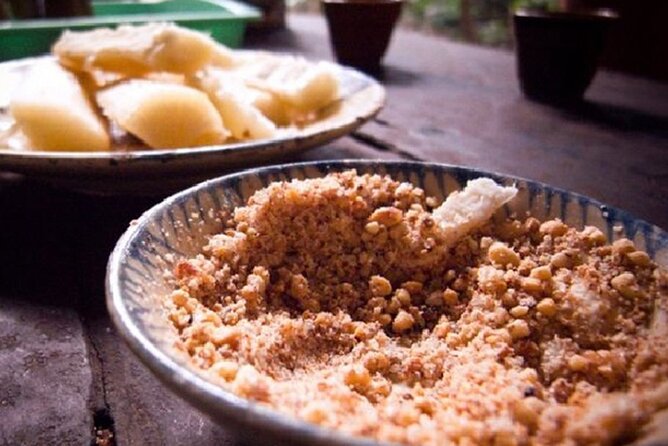
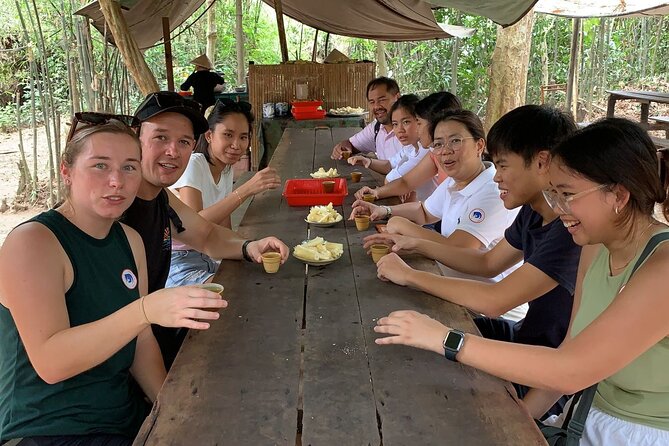
After the tunnel visit, you’ll taste traditional tapioca and tea, described as daily staples for soldiers. It’s simple, not fancy. And that’s exactly the point. When you connect the food to the conditions underground, it stops being a souvenir snack and becomes a clue about survival.
If you’re the kind of person who likes sensory learning (seeing artifacts is one thing; tasting the everyday rations is another), this is one of those small included moments that can stick with you.
Group Size, Comfort, and the Logistics You’ll Feel
At up to 12 travelers, this tour sits in a comfortable zone. Big buses can still work, but they often create a “watch it, move on” vibe. With a smaller group, you’re more likely to:
- keep a steady pace,
- hear your guide better,
- and understand what’s going on without constantly craning your neck.
You also get bottled water, plus air-conditioning in the vehicle. That sounds basic, but in Ho Chi Minh City’s heat, it’s one of those small comforts that keeps you from turning the day into a survival mission.
There’s also a real value element in how the tour handles admissions. Entrance fees are included, so you’re not scrambling for tickets at the last second. That reduces stress and keeps the schedule moving.
What’s not included (so you don’t get caught)
- Meals are not included.
- Tips are not mandatory.
So plan your food accordingly. If you’re doing the morning departure, you’ll likely want breakfast before pickup. If you’re doing the afternoon departure, you’ll probably want a solid lunch in the city so the day doesn’t revolve around hunger.
Price and Value: Is $17 Worth It for Cu Chi?
At $17 per person, this is one of the cheaper ways to do Cu Chi with a proper guide and included admissions. The real value question isn’t just the base price—it’s what you get with it:
Included:
- Hotel pickup and drop-off in District 1
- Air-conditioned transport
- English-speaking guide
- Entrance fees (Ben Dinh or Ben Duoc)
- Bottled water
- Tapioca and tea
Not included:
- Meals
- Optional shooting range costs (bullet costs not included)
When you add it up, the tour’s strength is that you’re paying mostly for the experience and structure, not for a bunch of extras you’ll have to hunt down. If you’d normally pay separately for transport, admission, and a guide, this pricing starts to look fair fast.
The one place where value can vary is which option you land on (Ben Dinh versus Ben Duoc, and the vehicle style). But the essentials—English guide, tunnel experience, and admissions—stay consistent.
Practical Tips So You Enjoy the Crawl-Through Part
This is the part where you’ll enjoy the tour more if you prepare a bit.
- Wear closed-toe shoes you can trust in dusty, uneven areas.
- Dress for heat, but bring something with pockets if you need to keep small items secure.
- Mentally prep for tight spaces. Even if you don’t crawl far, you’ll still be inside enclosed tunnel sections.
- If claustrophobia hits you quickly, you can still get a lot from the exhibits and explanations—just be cautious about committing to crawling.
Also, keep your day clear. Cu Chi is one of those experiences that wipes out your energy after you leave—road time plus concentration plus the physical tunnel aspect.
Who This Cu Chi Tunnels Tour Is Best For
I’d suggest this tour if you fit any of these:
- You want a guided Cu Chi experience, not a self-guided wander.
- You prefer a smaller group (max 12) so you can hear and ask questions.
- You like history that’s explained clearly in English, without needing prior knowledge.
- You’re okay with a hands-on element that includes crawling/crouching.
It’s also a good choice if you’re trying to balance value and quality. You get admissions included, and you avoid the “pay here, pay there” headache.
If you hate cramped spaces or have mobility concerns that would make tight tunnel crawling tough, you may want to rethink or choose a different style of Cu Chi visit. The tunnels are genuinely narrow.
Should You Book This Small-Group Cu Chi Tunnels Tour?
Yes—if you want a straightforward, well-run Cu Chi day with District 1 pickup, an English guide, and included entrance fees to Ben Dinh or Ben Duoc. The small-group cap of 12 helps you learn more and feel less rushed, and the guided explanations (including strong guides like Bunny) are a big part of why this tour earns such high praise.
I’d think twice only if you’re strongly uncomfortable in claustrophobic spaces. The tunnel crawl-through is a core part of the experience, and it’s not something the tour can “skip around.”
If you’re in good shape for tight spaces and you want real context—not just sightseeing—this is a solid, budget-friendly way to experience Cu Chi.
FAQ
What time does the Cu Chi Tunnels tour depart?
There are departure options at 7:30 AM or 12:00 PM, with the tour lasting about 6 hours.
Is pickup included from Ho Chi Minh City?
Yes. The tour includes pickup and drop-off at a centrally located hotel in Ho Chi Minh City’s District 1.
Are entrance fees included?
Yes. Entrance fees are included for either Ben Dinh or Ben Duoc.
How big is the group?
This experience has a maximum of 12 travelers.
What’s included besides the tunnels?
You get an English-speaking guide, bottled water, air-conditioned transportation, and traditional tapioca and tea. A documentary is also part of the experience.
Are meals included?
No. Meals are not included.
Can I cancel for free?
Yes. You can cancel up to 24 hours in advance for a full refund. Cancellation within 24 hours of the start time isn’t refunded.