REVIEW · HO CHI MINH CITY
4 Day’s Mekong Delta With Tra Su Forest Exit Phnom Penh
Book on GetYourGuide →Operated by Dragon Sea Travel & Du Lịch Rồng Biển · Bookable on GetYourGuide
The Mekong Delta moves fast. This 4-day route strings together boat time, village visits, and the unusual Tra Su cajuput forest before you zip into Phnom Penh. Two things I really like here are the variety of waterways (big river to tiny canals) and the mix of people-focused stops, from Cham communities to daily fish-farm life. One watch-out: the schedule is tight, and some parts can feel rushed if you want long, slow wandering.
If you care about seeing how life works on the water, this trip gives you plenty to look at, from coconut-lined passages to floating market scenes. I also like that you’re not stuck with only one kind of activity: you get temples, food tastings, workshops, and both motorized and hand-rowed boat rides. The trade-off is that the day-by-day timing is structured, so you’ll want to pack a bit of patience into your plan.
In This Review
- Key Highlights to Know Before You Go
- A Tight 4 Days: How This Mekong Delta Route Actually Flows
- Day 1: Vinh Trang Pagoda, Hand-Rowed Canals, and Ben Tre Coconut Islands
- Day 2: Cai Rang Floating Market Timing, Workshops, and Truc Lam Phuong Nam
- Day 3: Chau Doc Floating Fish Farms, Cham Village Culture, and Ba Chua Xu
- Day 4: Vinh Xuong Border Procedures and the Speedboat Into Phnom Penh
- Price and Value: Is $316 Fair for This Mix?
- Guide Style and the Reality of Tight Timing
- Getting the Most Out of Boats, Markets, and Heat
- Who This Tour Suits Best (and Who Should Rethink It)
- Should You Book This Mekong Delta to Phnom Penh + Tra Su Tour?
- FAQ
- What’s included in the 4-day price?
- What travel parts happen without the guide?
- Do I need a visa for Cambodia?
- When do you travel to Phnom Penh?
- What hotels are included?
- What kinds of food are provided?
- Is the tour suitable for people with mobility impairments?
Key Highlights to Know Before You Go
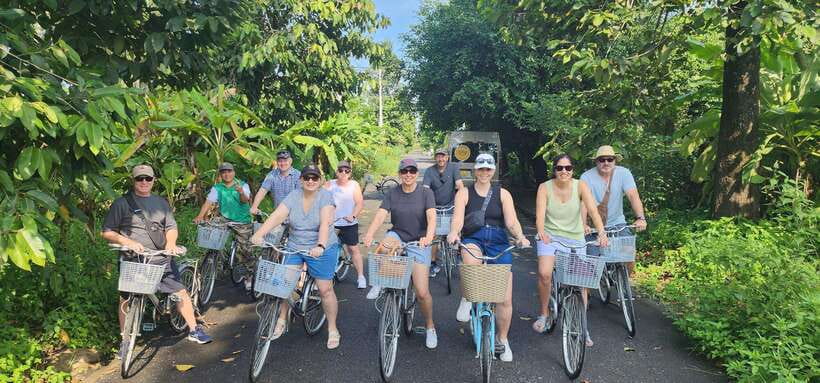
- Mekong waterways, multiple ways: motorboat cruising plus a hand-rowed canal ride that slows things down.
- Cai Rang Floating Market: a major floating market stop paired with a rice noodle workshop and fruit tasting.
- Chau Doc beyond the temples: floating fish farms and a Cham village visit with Islamic-style architecture.
- Tra Su Forest boat rides: flooded forest boat time, then a quieter rowing segment through narrow canals.
- Boat-to-Phnom Penh finale: speedboat travel after immigration procedures at Vinh Xuong.
A Tight 4 Days: How This Mekong Delta Route Actually Flows
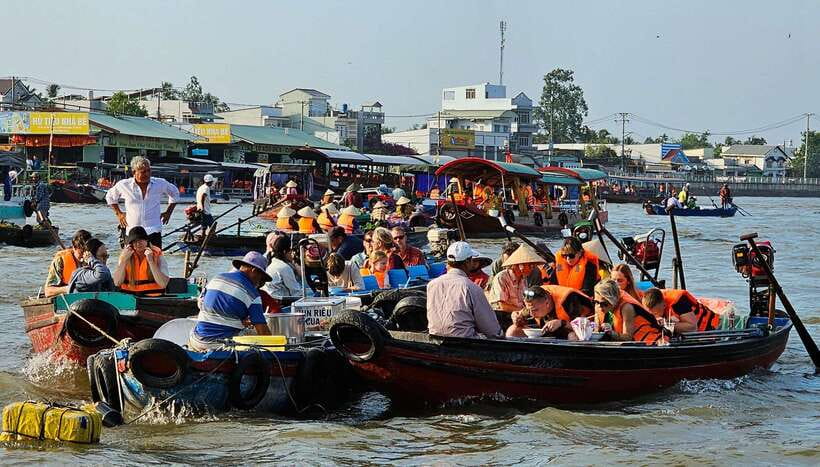
This is a whirlwind route across the Mekong Delta, then across the border, then into Cambodia. Expect lots of moving days: hotel to boat, boat to short rides, then boat again. It’s a good fit if you like “see a lot” travel, but it’s not ideal if you want long unplanned downtime.
The core idea is simple: you’ll keep switching scenery. Day 1 leans coconut islands and canal calm. Day 2 focuses on markets and a major Zen monastery. Day 3 blends Cham culture with the famous Tra Su flooded forest. Day 4 is all about the speedboat handoff into Phnom Penh.
You can also read our reviews of more tours and experiences in Ho Chi Minh City
Day 1: Vinh Trang Pagoda, Hand-Rowed Canals, and Ben Tre Coconut Islands
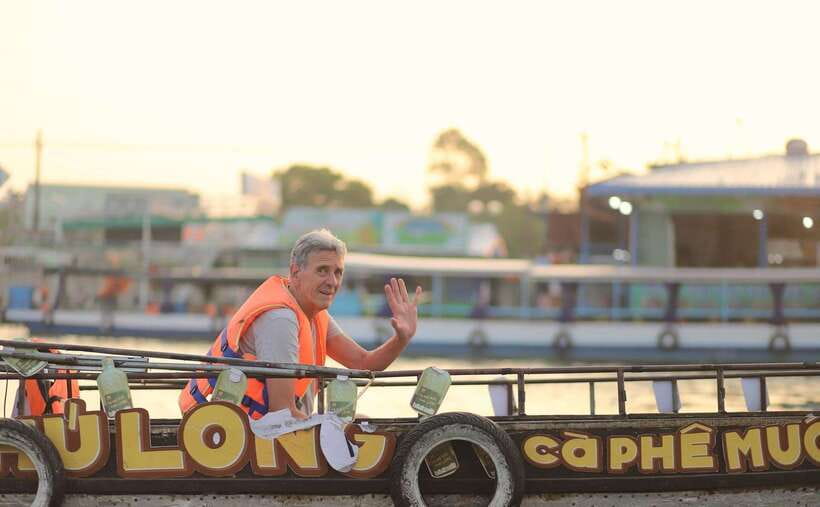
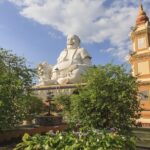
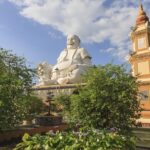
Your first morning starts with pickup in Ho Chi Minh City’s District 1 and a trip to My Tho. The first anchor stop is Vinh Trang Pagoda, which is widely known as the biggest and most famous pagoda in the Mekong Delta. It’s a nice way to switch gears from city traffic into devotional, river-region Cambodia–adjacent Vietnam vibes.
After that, you’re back on the river. You’ll travel past floating houses and fish farms, then transfer to a hand-rowed sampan for quieter canal cruising. That hand-rowed segment matters more than it sounds—canals get narrow, palms come close, and suddenly you’re not fighting engine noise. This is the kind of ride that helps the day feel less like a checklist.
In Ben Tre, you land on a coconut island and learn the basics of coconut candy-making, including samples. This is one of those “small” cultural stops that pays off because you leave with a taste (literally) of how local products move from field to snack.
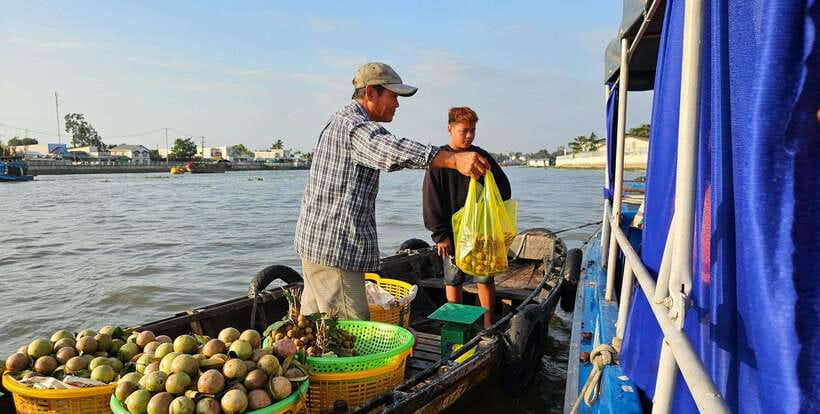
Later, you’ll reach Unicorn Island (Con Thoi Son) and ride a motor cart while you listen to traditional Vietnamese folk music. You’ll also taste seasonal tropical fruit there. If you’re traveling with kids, this portion can break up the day nicely—music, cart rides, and fruit are easy wins even for short attention spans.
Your day wraps with lunch under fruit trees and then a ferry and bus transfer to Can Tho. Dinner is on your own in Can Tho, which is helpful because you can choose a meal that matches your energy level after a long first day. Overnight in Can Tho sets you up for an early start the next morning.
Day 2: Cai Rang Floating Market Timing, Workshops, and Truc Lam Phuong Nam
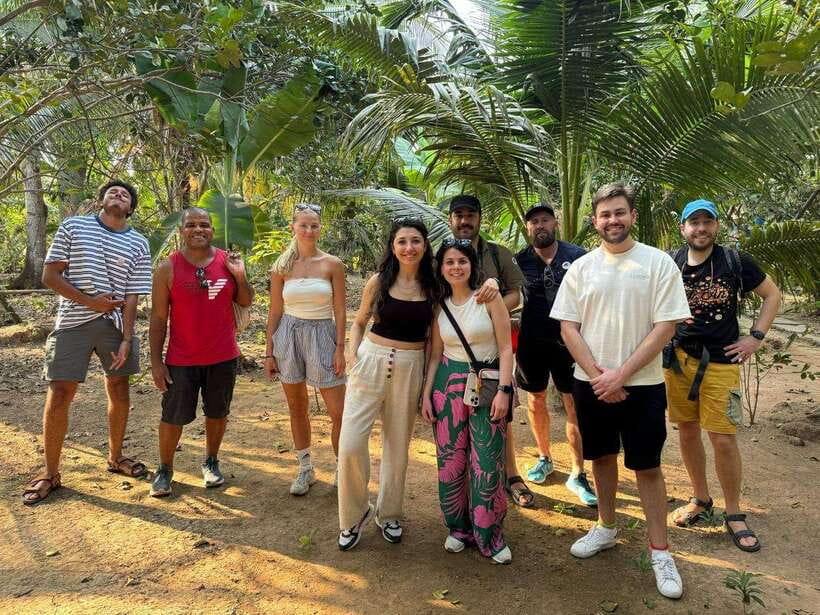
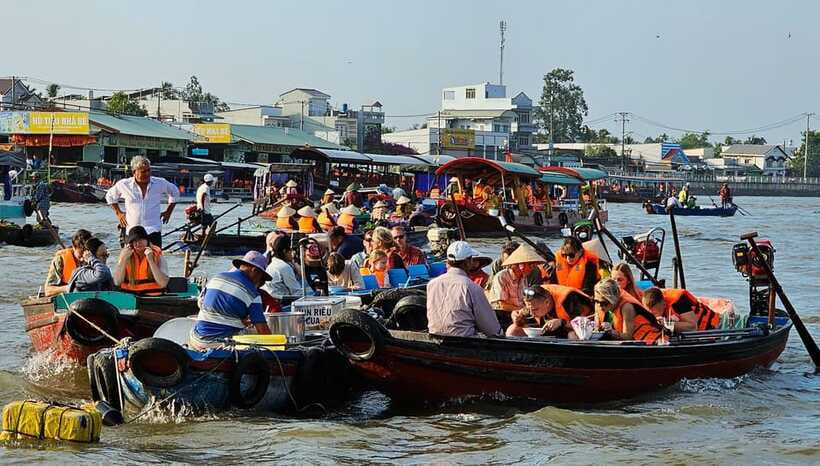
Day 2 begins with breakfast in Can Tho and then a motorboat ride to Cai Rang Floating Market. This is described as the largest and most colorful floating market in the Mekong Delta, and the key detail is the early timing. You’ll be there early enough to see vendors and boats in full motion, not only leftovers.
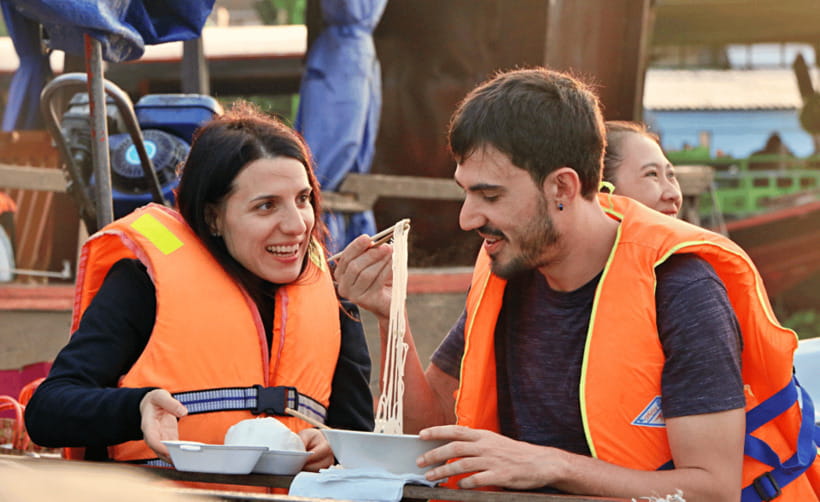
On the water, you’ll also stop for a rice noodle-making workshop and you’ll taste pineapple on the boat. Those aren’t random add-ons. They connect the market spectacle to what people actually produce and sell—food supply chains you can understand without needing a textbook.
After the floating market, you’ll explore a traditional market in the city center. Then you’ll visit Truc Lam Phuong Nam Zen Monastery, a peaceful Buddhist complex that offers a calmer rhythm after all the boat activity. It’s a useful change of pace when the day is already packed.
Lunch is at My Khanh Restaurant (included), and then you get free time to rest or explore the tourist village. Then it’s onward travel to Chau Doc by local bus, and this part is specifically without a guide. You’ll still be guided for the tour stops, but this transit segment is more independent, so it helps to keep your documents and timing clear.
Overnight in Chau Doc gives you a base for the next day’s culture and the Tra Su forest.
Day 3: Chau Doc Floating Fish Farms, Cham Village Culture, and Ba Chua Xu
Chau Doc is where the trip starts feeling more cultural and less purely scenic. You begin with a boat trip to a floating fish farm village, which is a strong way to understand daily life on the water. Even if you don’t speak the local language, the structures, routines, and river-based livelihoods tell the story.
Then comes the Cham village visit. You’ll learn about local culture and traditions, and you’ll see Islamic architecture linked to the Cham minority community. This is a meaningful stop because it shifts the focus from what looks impressive to what explains a way of life.
Back in Chau Doc, there’s time to explore Chau Doc Market. You also visit Ba Chua Xu Temple (Lady Temple), one of the important pilgrimage sites in southern Vietnam. It’s the kind of temple stop that’s not just about photos—you’ll notice how it functions as a gathering place.
After lunch, you head to Tra Su Cajuput (Melaleuca) Forest. This is the star for bird lovers and nature watchers. You take a motorboat ride through the flooded forest, where the area is home to over 70 bird species, including rare storks. Then you switch to a peaceful rowing boat through narrow green canals.
This two-boat approach is smart: the motorboat ride helps you cover the flooded area efficiently, while the rowing segment lets you slow down when you want to look at birds, reflections, and the way the forest sits in water. If you like quiet moments, this part is where you’ll probably feel the shift from “travel mode” to “watch mode.”
Back at the hotel, the evening is free. That free time matters on Day 3 because you’ll have spent a lot of the day on boats and walking between stops.
Day 4: Vinh Xuong Border Procedures and the Speedboat Into Phnom Penh
The final day is built around getting you across the border and onto a speedboat. You’ll have breakfast, then early transfer to Vinh Xuong border gate to handle Cambodian immigration procedures.
After that, you board the speedboat to Phnom Penh. The route notes arrival around 1:00 PM, so you get a fairly solid afternoon once you land—enough time to orient yourself and plan a first Cambodian meal without feeling completely drained.
If you’re heading to another part of Phnom Penh the same day, I’d still plan for some buffer time. Border processes can be unpredictable in any country, and you’re already doing an early start.
Price and Value: Is $316 Fair for This Mix?
At $316 per person for 4 days / 3 nights, this sits in the “structured highlights” category. You’re paying for logistics and coverage: air-conditioned transfers, an English-speaking guide, entrance fees, multiple boat rides, hand-rowed canal time, two hotel nights, and several included meals.
Here’s what stands out as good value:
- You get several major experiences bundled together (Cai Rang, Tra Su, and border-to-Phnom Penh transit), instead of piecing them separately.
- The inclusion of boats and one hand-rowed segment is a real cost driver that you’d likely pay for on your own.
- Food is partially covered: 3 breakfasts at hotels and 3 lunches with Vietnamese food.
What’s not covered:
- Drinks during meals.
- Meals outside the itinerary.
- Cambodia visa fee (USD 40).
- Any costs not listed.
Also keep expectations realistic. This price doesn’t buy you “slow travel.” It buys you movement. If you want to linger at markets, this route may feel like it moves on before you’ve finished taking in details.
Guide Style and the Reality of Tight Timing
The biggest split in how people feel about this kind of tour is not the destinations—it’s the pacing. The schedule is heavily timed, so even when stops are interesting, there’s less time to wander on your own.
I’d plan to do two things mentally:
- Treat each stop as a taste, not a full-day experience.
- Save your slow time for the parts that naturally allow it—like the rowing segment through Tra Su canals.
On the positive side, a strong guide can make a packed day feel understandable and organized. One highlight from feedback you can use as a clue: the guide support can be especially helpful for families, including kids, which makes sense if the guide keeps things moving but also keeps explanations clear.
If timing is a deal-breaker for you, this tour might still work—but choose it for the sites, not for lingering.
Getting the Most Out of Boats, Markets, and Heat
This itinerary is heavy on sun, walking, and boats—especially when you’re moving between rural stretches and crowded market areas. Bring the standard basics and use them.
What to pack from the trip guidance:
- Comfortable shoes
- Hat
- Camera
- Sunscreen
- Water
- Insect repellent
Also note the on-vehicle rules: no smoking and no alcoholic drinks in the vehicle. It’s a small thing, but it matters when you’re budgeting comfort on long transfer days.
Finally, think about your personal pacing. If you’re the type who wants to stop for photos every few minutes, you’ll enjoy it—just know you might have to accept that not every stop will give you an extra ten minutes.
Who This Tour Suits Best (and Who Should Rethink It)
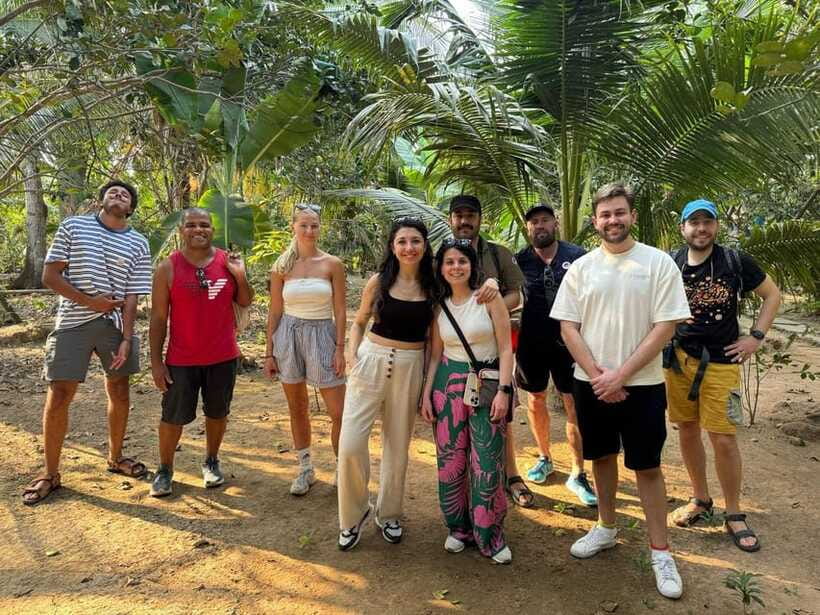
This is a good fit if you want a single trip that covers a lot of the Mekong Delta story, from river life to markets to Tra Su forest birds, then ends in Phnom Penh. It’s also a strong choice if you like organized days and don’t want to manage border logistics and transport connections yourself.
It may not be the best fit if:
- You have mobility limitations or wheelchair needs (the tour isn’t suitable for that).
- You hate time pressure. The schedule is structured, and some market moments may feel like a quick pass rather than free roaming.
If you’re traveling as a family, the style can work well because the tour includes music, fruit tastings, and multiple short “activity hits” that keep younger travelers interested.
Should You Book This Mekong Delta to Phnom Penh + Tra Su Tour?
Book it if you want a high-coverage route with real boat time and multiple cultural stops, and you’re okay with a schedule that’s tight enough to keep the day efficient. It’s especially worth considering for Tra Su lovers, market-watchers, and anyone who wants Chau Doc’s Cham culture plus floating fish farm life in the same trip.
Skip it or switch plans if you want slow wandering, lots of free time, or guaranteed temple/market breathing room. This tour is built for motion, not for leisurely pacing.
If you do book, go in with the right mindset: you’re collecting experiences—river scenes, boat rides, bird-filled forest moments, and a smooth speedboat handoff into Phnom Penh.
FAQ
What’s included in the 4-day price?
The tour includes air-conditioned bus transfers, an English-speaking guide, entrance fees, 3 breakfasts at hotels, 3 lunches with Vietnamese food, and the listed boat trips (including hand-rowing and motor rides). It also includes a traditional Vietnamese music performance, seasonal tropical fruit tasting, a bee-keeping farm visit with honey tea, and a typical Mekong house plus pineapple tasting.
What travel parts happen without the guide?
On Day 2, the transfer from Can Tho to Chau Doc is by local bus with no guide.
Do I need a visa for Cambodia?
Yes. The Cambodia visa fee is not included and is listed as USD 40. The itinerary includes transfer to Vinh Xuong border gate for immigration procedures.
When do you travel to Phnom Penh?
You travel to Phnom Penh on Day 4 by speedboat after morning breakfast and border procedures, with arrival around 1:00 PM.
What hotels are included?
Hotel accommodation is included for 3 nights total, specifically in Can Tho and Chau Doc (night 1 in Can Tho, then overnight in Chau Doc for Days 3 and 4).
What kinds of food are provided?
You’ll have 3 breakfasts at your hotels and 3 included lunches with Vietnamese food. Drinks during meals are not included, and dinner or other meals outside the itinerary are on your own.
Is the tour suitable for people with mobility impairments?
No. The tour is not suitable for people with mobility impairments or for wheelchair users.
If you want, tell me your travel dates and whether you prefer slow exploring or structured days—I can help you judge if this pacing fits your style.