REVIEW · HO CHI MINH CITY
Ho Chi Minh City: Vietnamese Lotus Tea Culture Experience
Book on GetYourGuide →Operated by CÔNG TY CỔ PHẦN SẢN XUẤT THƯƠNG MẠI DỊCH VỤ TRÀ VIỆT · Bookable on GetYourGuide
A fresh lotus bud tea show beats any souvenir shop. I love the chance to watch lotus-bud brewing up close, and I love tasting Tay Ho Lotus Tea with a real sense of why it’s made. One watch-out: you’ll handle lotus flowers and tea leaves, so it isn’t a fit if you’re squeamish about delicate, natural materials.
This is a calm workshop stop in District 1, right by Nguyen Hue and opposite Bitexco Tower. You’ll get step-by-step help, plus photos in a traditional tea setting, and you’ll leave with a lotus-flower keepsake. The only drawback I’d flag for some people is that it’s not wheelchair-friendly.
In This Review
- Key things to know before you go
- Finding the Workshop Opposite Bitexco Tower (and What to Look For)
- Part 1: Vietnamese Tea Culture and the West Lake Lotus Tea Story
- Part 2: Watching Tea Brewed Inside Fresh Lotus Buds
- Part 3: Tasting Tay Ho Lotus Tea and Infusing Lotus Petals
- Part 4: Your Lotus Keepsake and Step-by-Step Tea Leaf Placement
- Tea Workshop Value: Is $15 a Good Deal in Ho Chi Minh City?
- What the Experience Feels Like (Not Just What You Do)
- Practical Tips So You Don’t Feel Rushed
- Who Should Book This Lotus Tea Workshop (and Who Might Skip It)
- Should You Book This Lotus Tea Workshop in Ho Chi Minh City?
- FAQ
- Where does the workshop start?
- Is transportation to the venue included?
- What’s included in the price?
- Will I be able to take something home?
- What parts does the experience include?
- What languages are available?
- Is this suitable for wheelchair users or young children?
- Can I reserve and pay later, and how does cancellation work?
Key things to know before you go
- Opposite Bitexco Tower, easy to find: start at 19 Hai Trieu Street, 2nd floor
- Lotus-bud brewing performance: you’ll see tea made inside fresh lotus buds
- Tay Ho Lotus Tea tasting: get guided tasting notes, not just a pour
- DIY lotus scenting: try adding fresh lotus petals yourself
- Your own lotus-flower tea blend: you create a keepsake to take home
Finding the Workshop Opposite Bitexco Tower (and What to Look For)
The meeting point is in District 1, super close to the energy of Nguyen Hue Walking Street. You’ll meet at a showroom on the 2nd floor of a local apartment building at 19 Hai Trieu Street, directly opposite Bitexco Tower.
What I like about this setup is that you don’t need a scavenger hunt. You can use Bitexco as your landmark, then focus on the street address. Also, since the activity ends back at the meeting point, you don’t have to worry about getting stranded or planning a follow-up pick-up.
One small practical note: because it’s in an apartment-building-type setting, go looking for the right floor and the correct entrance rather than expecting a classic street-front venue.
You can also read our reviews of more city tours in Ho Chi Minh City

Part 1: Vietnamese Tea Culture and the West Lake Lotus Tea Story
You start with an introduction to Vietnamese tea culture—how tea fits into daily life and the kinds of rituals people build around it. This is the “why” part, and it matters, because lotus tea isn’t just about scent. It’s about craft, patience, and using something natural in a very controlled way.
A key story you’ll hear is about West Lake Lotus Tea, often linked to Tay Ho Lotus Tea. The workshop explains that this tea is handcrafted using real lotus flowers, which is why the experience feels different from flavoured teas you might have tried elsewhere. You’re learning how Vietnamese tea traditions connect to place and season, not just how to brew.
Why this first segment is worth your attention: once you understand what the lotus flowers and leaves contribute, the later steps—especially scenting—make more sense. You’re not just doing a cool hands-on activity. You’re repeating a small version of a traditional method.
Part 2: Watching Tea Brewed Inside Fresh Lotus Buds
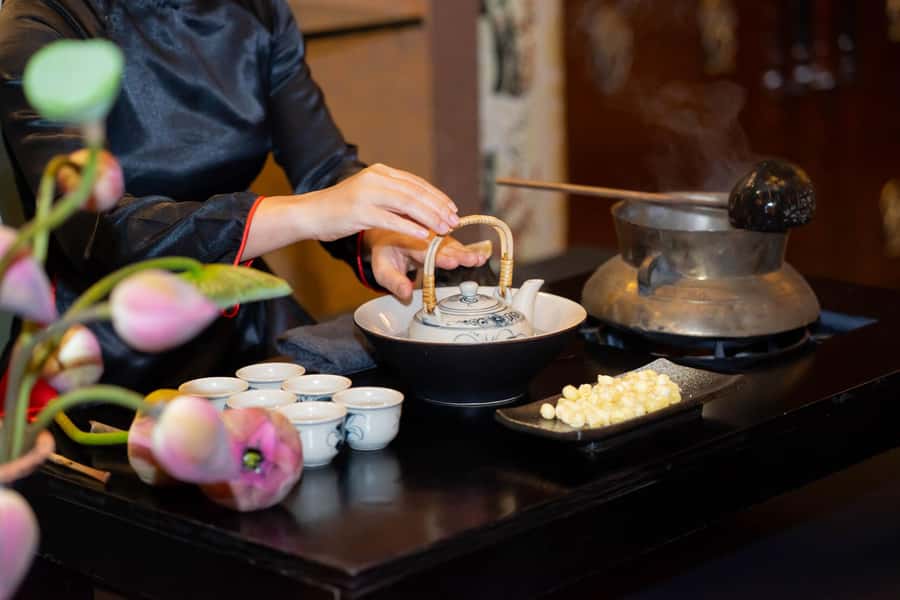
Next comes the live performance by the artisan who demonstrates brewing tea inside fresh lotus buds. This is the almost-forgotten part of the tradition—fine timing, careful handling, and an eye for how the lotus bud structure changes the tea-making process.
In at least one session I studied closely, the presenter’s name was Ky, and the tone is calm and instructional. Expect the artisan to walk you through what they’re doing as they do it, rather than treating it like a magic show. You’ll see the method framed as passed-down craft, where nature and technique have to line up.
What you should take from this segment: it sets the sensory expectation. Lotus tea is not only about taste. It’s about aroma and the feeling that the tea is wearing a natural floral filter. Seeing it made makes the tasting later far more precise.
Part 3: Tasting Tay Ho Lotus Tea and Infusing Lotus Petals
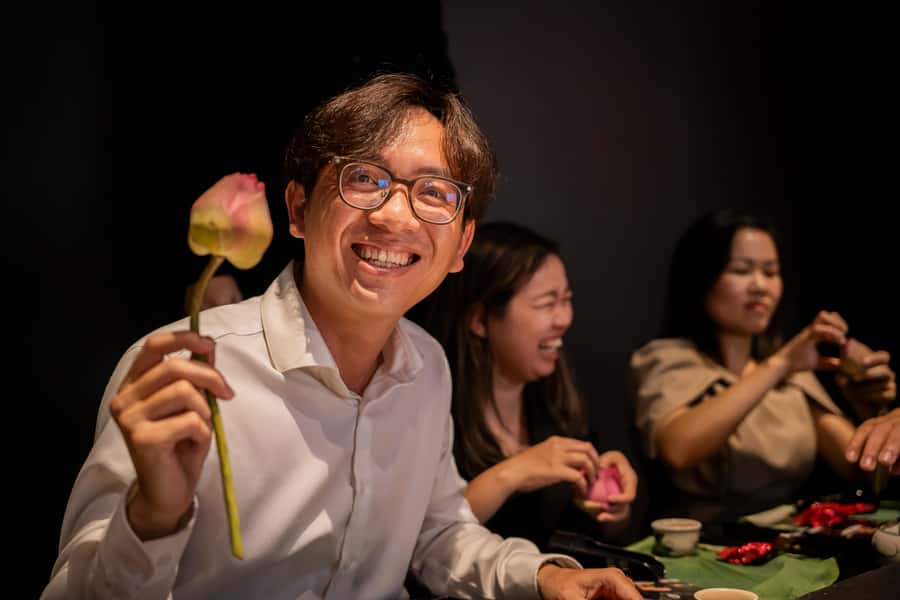
Now you get the part most people actually came for: tasting. You’ll have a guided tasting session focused on authentic Tay Ho Lotus Tea. The guiding helps you notice subtleties—what feels gentle, what feels floral, and how the scent changes as you move through the tea experience.
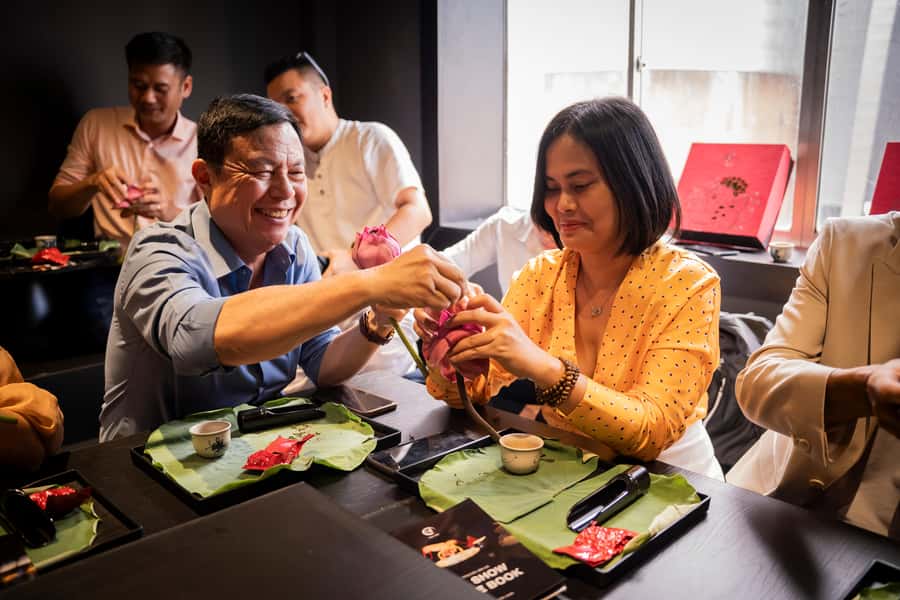
Then comes the hands-on scenting step. You’ll try infusing tea with fresh lotus petals yourself. This is where the workshop shifts from “watch and learn” to “slow down and do.”
Here’s what makes this step meaningful: lotus scenting is delicate. If you rush, it won’t carry the way you expect. If you treat it like a kitchen experiment, you miss the point. You’ll be guided through a gentle, almost meditative process that shows how care is built into the cup.
I also like that you’re not left guessing. The guide keeps you on track with what to handle, how to handle it, and what the outcome should feel like.
Part 4: Your Lotus Keepsake and Step-by-Step Tea Leaf Placement
The final segment is your take-home moment. You create your own lotus-scented tea blend using real lotus flowers.
You’ll get step-by-step guidance on how to place tea leaves into lotus flowers—exactly the kind of careful placement traditional tea-making uses. Then you receive a keepsake that includes 1 lotus flower filled with your own tea blend.
This is the practical reason the workshop feels like value rather than just a ticket for a performance: you leave with something physical that represents what you just learned. It’s not a packaged souvenir. It’s tied to your own hands-on action.
Also, because the workshop includes photo opportunities in a traditional tea setting, it’s easy to capture the experience as you go. Just don’t get so photo-focused that you miss the instructions—your best pictures will happen while you’re still paying attention.



Tea Workshop Value: Is $15 a Good Deal in Ho Chi Minh City?
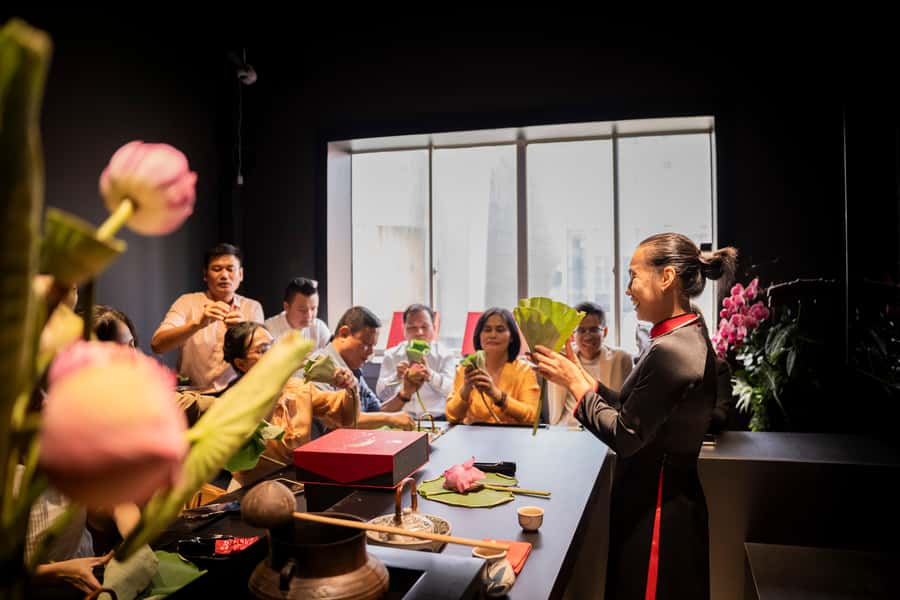
At $15 per person, this workshop prices like an experience, not a commodity. And here’s the part that makes the math feel fair: you’re getting a multi-part session, a live performance, a guided tasting, hands-on scenting, and a keepsake made by your own tea-assembly work.
Many tea experiences in big cities charge you for tasting only. Here, the tasting is paired with craft practice. That pairing is what turns the price into something you can justify—especially if you enjoy cultural activities where you learn by doing.
The workshop also includes useful extras:
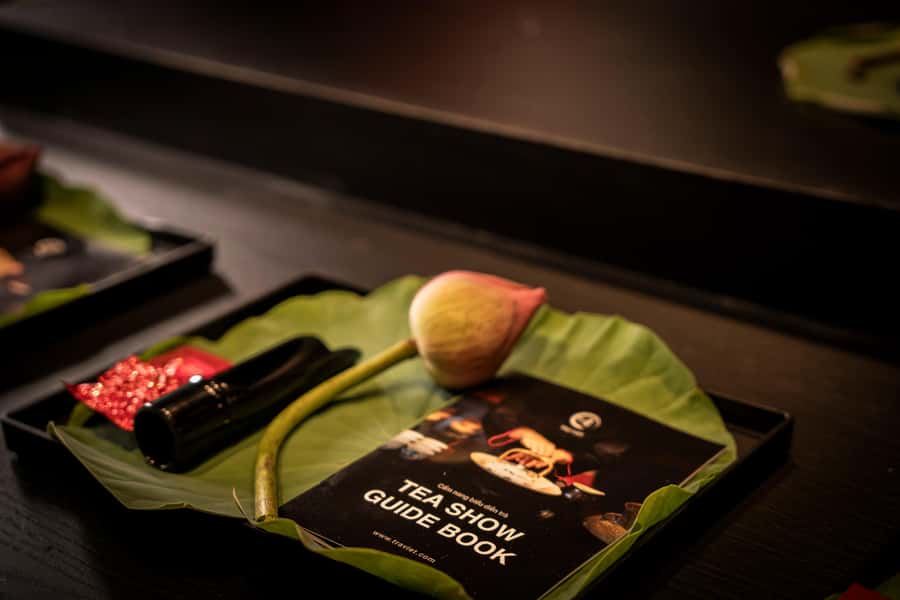
- an English tea show guidebook
- an English-speaking host and artisan
- time for photos in a traditional tea setting
What’s not included is equally clear. You’ll handle your own transportation to the venue, and there are no meals or outside drinks provided beyond the tea session. If you come hungry, you’ll want a plan nearby so you’re not thinking about food while your hands are full of lotus steps.
What the Experience Feels Like (Not Just What You Do)
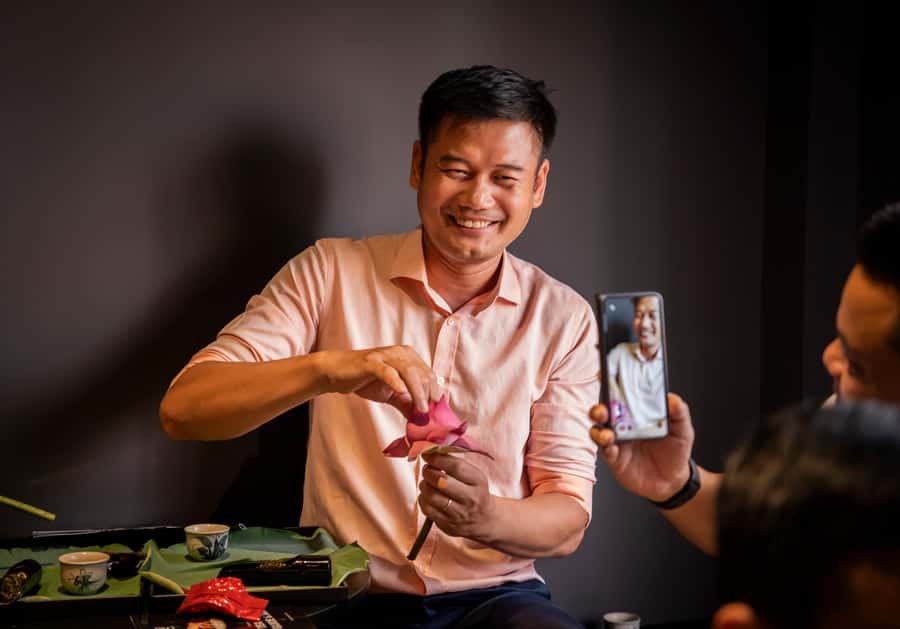
This is set up as a calm break from the street noise of Ho Chi Minh City. Even though you start in a very central spot, the workshop’s structure makes it feel like you step into a quieter rhythm: listen, watch, taste, then slow down and build your own lotus tea.
I also like the way the artisan-led instruction keeps it grounded. You’re not thrown into a class where you guess at the process. You’re guided through what to do and what to pay attention to, which makes it friendly for first-timers.
If you want a tea experience that mixes culture with a hands-on craft outcome, this hits that sweet spot.
Practical Tips So You Don’t Feel Rushed
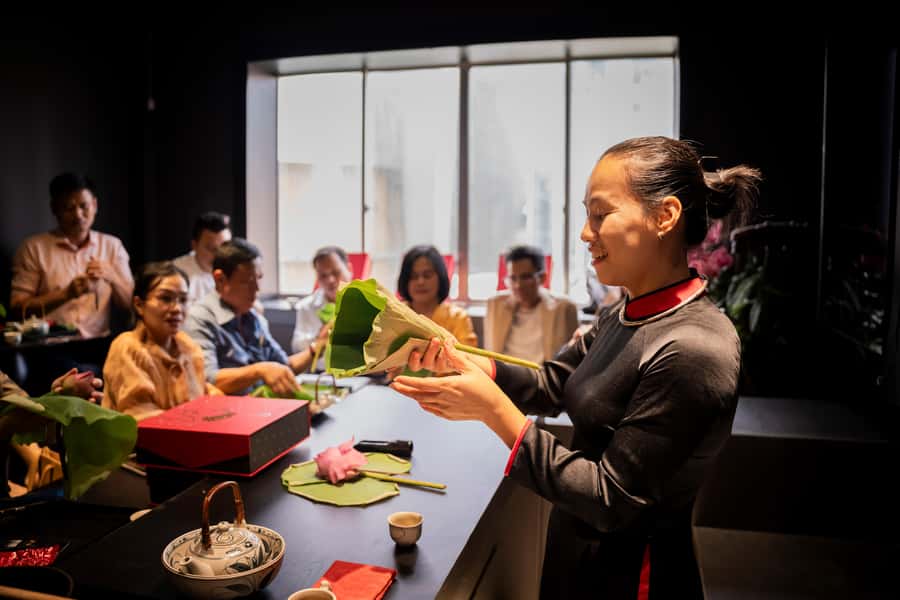
Because you’ll be handling lotus flowers and tea leaves, treat this like a delicate craft session, not like a casual coffee stop.
A few practical ideas:
- Wear something you’re comfortable working in. You’ll be leaning in and handling natural materials.
- Give yourself a little buffer to find the correct 2nd-floor location at 19 Hai Trieu Street.
- If you’re planning photos, do them between steps, not during the parts that require careful handling.
And mentally, go in with the right goal. You’re not trying to master lotus tea in 30 minutes. You’re learning the method well enough to understand why the final cup tastes and smells the way it does.
Who Should Book This Lotus Tea Workshop (and Who Might Skip It)
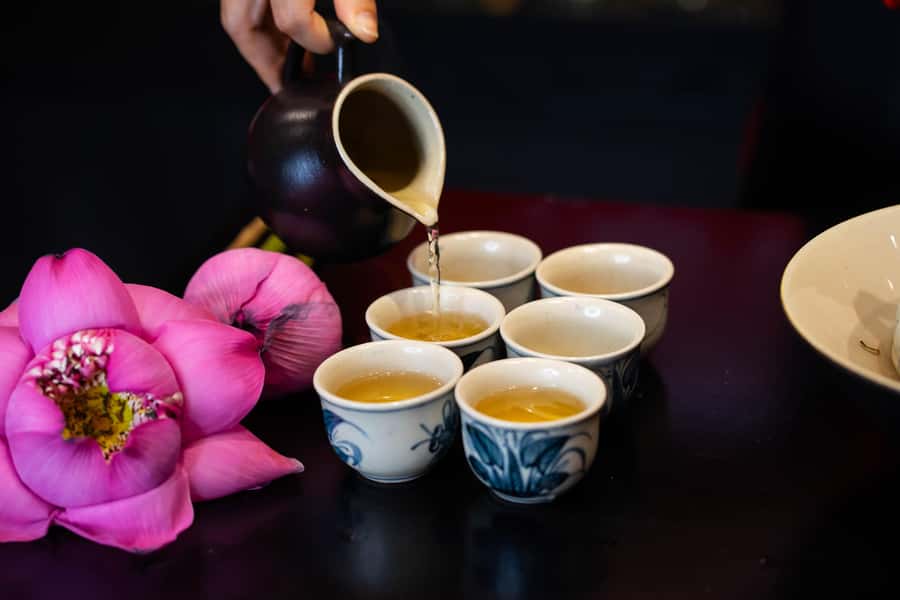
This workshop is a great fit if you:
- want a cultural activity you can actually participate in
- enjoy tea tasting with guided explanations
- like craft experiences where you take something home you made
It’s less of a fit if you:
- need wheelchair accessibility (the activity is listed as not suitable for wheelchair users)
- are traveling with very young children (it’s not suitable for children under 2)
- prefer activities that don’t involve handling delicate natural items like lotus flowers and tea leaves
If you’re a tea person, you’ll appreciate the focus on method. If you’re not a tea person, the hands-on scenting and the keepable lotus flower usually win you over fast.
Should You Book This Lotus Tea Workshop in Ho Chi Minh City?
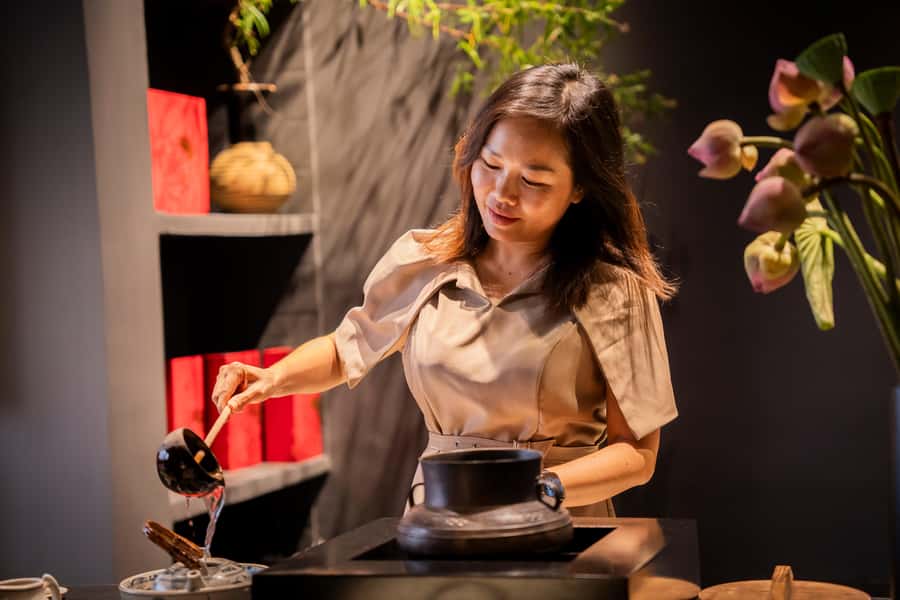
If you’re choosing between a quick photo stop and a real cultural workshop, I’d book this. For $15, you get a live artisan tea performance, a guided tasting of Tay Ho Lotus Tea, hands-on lotus scenting, and a take-home keepsake filled with your own blend.
Book it if you want something calm, thoughtful, and genuinely interactive in central Ho Chi Minh City—without needing special skills ahead of time. Skip it only if handling lotus flowers and tea leaves would make you uncomfortable, or if you need wheelchair access.
FAQ
Where does the workshop start?
It starts at the showroom located directly opposite Bitexco Tower, on the 2nd floor of a local apartment building at 19 Hai Trieu Street, Ben Nghe Ward, District 1, Ho Chi Minh City.
Is transportation to the venue included?
No. Transportation to the venue is not included.
What’s included in the price?
Included are the tea tasting session, a hands-on lotus tea scenting activity, 1 lotus flower filled with your own tea blend, an English tea show guidebook, photo opportunities in a traditional tea setting, and an English-speaking host and artisan.
Will I be able to take something home?
Yes. You’ll receive 1 lotus flower filled with your own tea blend, which acts as your keepsake.
What parts does the experience include?
It includes an introduction to Vietnamese tea culture, a live tea performance brewing tea in lotus buds, a tasting of Tay Ho Lotus Tea plus lotus-petal scenting, and a hands-on tea-making activity placing tea leaves into lotus flowers.
What languages are available?
The host and artisan are English-speaking, and you receive an English guidebook. The activity is also listed with Armenian.
Is this suitable for wheelchair users or young children?
No. It is not suitable for wheelchair users, and it is not suitable for children under 2 years.
Can I reserve and pay later, and how does cancellation work?
You can reserve and pay later. Cancellation is allowed up to 24 hours in advance for a full refund.