REVIEW · HO CHI MINH CITY
Discover Saigon’s Local Sites and Culture by Motorbike
Book on GetYourGuide →Operated by CONNECT CULTURE CO.,LTD · Bookable on GetYourGuide
Traffic turns into sightseeing. Hop on the back of a motorbike and you get a front-row seat to local street life and real small-alley navigation in Ho Chi Minh City, not just the postcard stops. I especially like how the route threads through neighborhoods with stops that feel practical, like an actual day out with a local guide. One heads-up: you’re riding in traffic for part of the experience, so it’s not for everyone, including pregnancy and some mobility needs.
What makes this tour click is the mix of places with different stories. You start at the Thich Quang Duc Monument, then move into District 3 for a look at daily life in an older apartment area, plus a coffee break that tastes like Saigon. After that, the big shift to District 5 brings you through markets and a Chinese temple, where you can see trades and traditions up close.
The only real drawback to plan around is that you have to be comfortable on a scooter-style ride and open to walking a bit at each stop. If you want a slow, low-stimulation sightseeing day, you might feel overstimulated by the streets and the pace.
In This Review
- Key things I’d zoom in on
- Jump on the Motorbike: how this style of tour works
- Thich Quang Duc Monument and District 3’s older life
- Coffee stop in Saigon style, then the flower market
- District 5 Chinatown: markets, trades, and a Chinese temple
- Floating-market scenes plus District 4 and 7 contrasts
- The special dish and local drink: fuel without breaking the flow
- Saigon River Tunnel and the District 1 payoff
- Safety, English guidance, and what makes the ride feel comfortable
- Cost and value: why $16 can still feel like a deal
- Who this tour is perfect for
- Who should skip it
- Tips to get the most out of your Saigon motorbike culture ride
- Should you book this Saigon Local Sites and Culture by Motorbike tour?
- FAQ
- How long is the motorbike tour?
- Is pickup available from all areas in Ho Chi Minh City?
- What’s included in the price?
- What should I bring with me?
- What food and drink do you include?
- Are there any restrictions on what I can bring or do?
- Who is this tour not suitable for?
Key things I’d zoom in on
- Real local routes through alleyways, not just major roads
- Thich Quang Duc Monument as a strong cultural starting point
- District 5 markets and a Chinese temple for a sharp change of scenery
- Floating-market style scenes plus views of less shiny districts
- Food and drink built into the ride so you’re not hunting later
- Comfort and safety focus with helmets, ponchos, and practiced drivers
Jump on the Motorbike: how this style of tour works
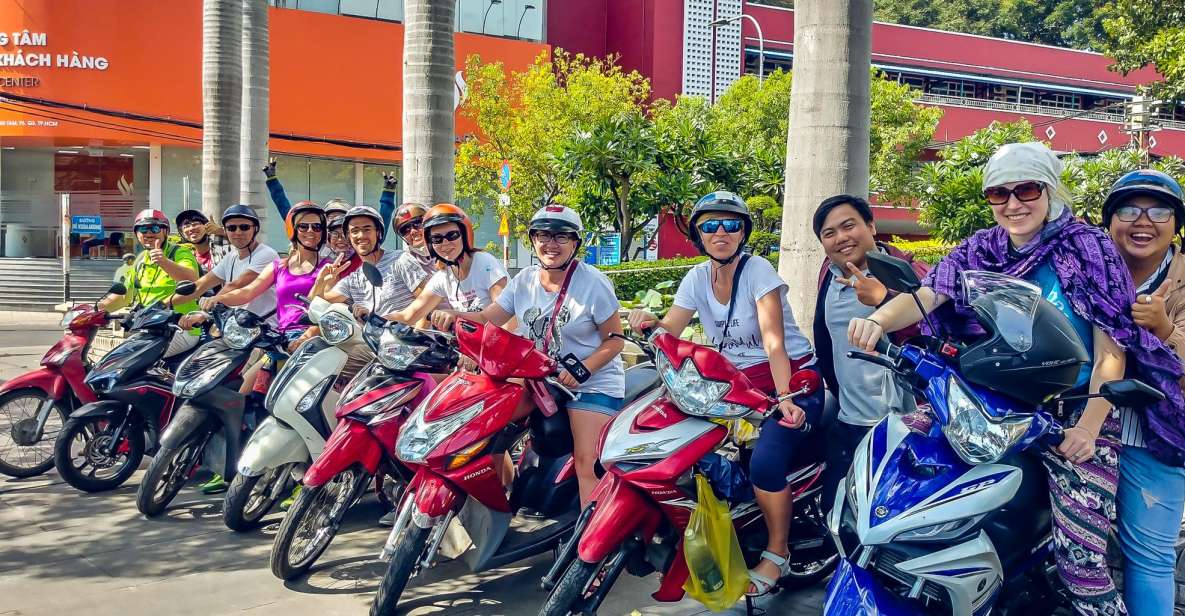
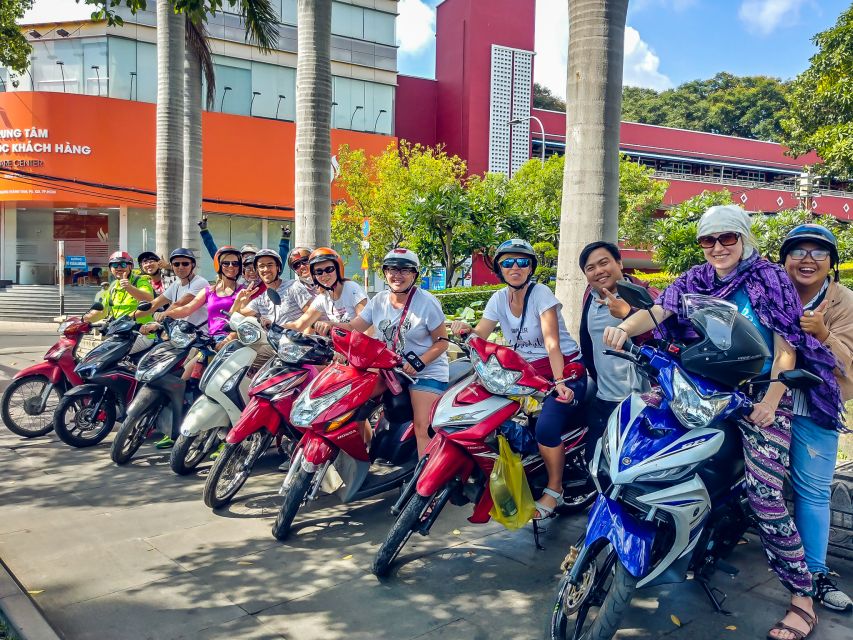
This is the kind of Ho Chi Minh City experience where the transport is part of the story. You meet your English-speaking guide and driver, get helmet and poncho, and then you’re off—learning Saigon from behind a motorbike like most people here do day to day.
I like this setup because it changes your perspective fast. When you move through the lanes and side streets, you notice details you’d miss if you were stuck on a bus route. You also get to see how the city flows: how people cross, how goods get delivered, how neighborhoods feel different block by block.
You should also know the pickup area is limited for free hotel pickup. If you’re staying in Districts 1, 3, or 4, it’s free; otherwise there’s a $5 USD per person surcharge the operator charges on the day. The simplest option if you’re far out is meeting at the central location listed by the operator (near Saigon’s Opera House area, address given as 212 Lê Lai).
You can also read our reviews of more tours and experiences in Ho Chi Minh City.

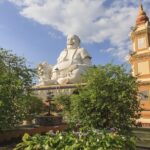

Thich Quang Duc Monument and District 3’s older life
The tour kicks off at the Thich Quang Duc Monument. It’s a serious landmark, not a quick photo stop, and it sets a thoughtful tone before you start rolling into everyday neighborhoods.
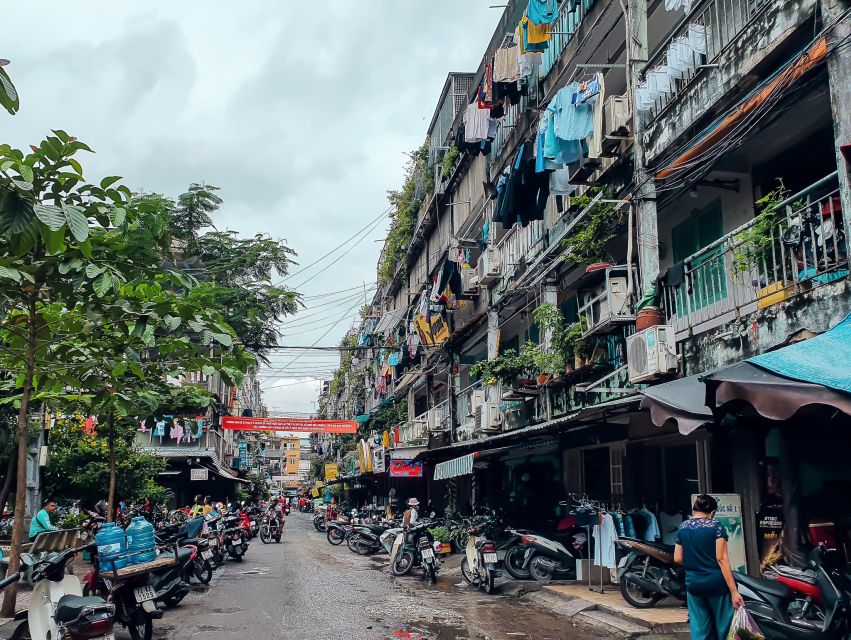
Then you head to District 3, described as one of Saigon’s older areas. Here you visit an old apartment space to see how people go about daily routines—where life happens, how it looks from street level, and how ordinary buildings hold real community. It’s the kind of stop that makes the city feel less like an attraction and more like a place where people live.
What I like most about District 3 on this route is that it balances your “big city” expectations with small-scale reality. You don’t just see sights; you see how neighborhoods function. And it gives you context for what you’ll later notice in other districts.
Possible consideration: these are real local spaces, so you’ll want to behave respectfully and stay aware of how you move through tight areas.
Coffee stop in Saigon style, then the flower market
After District 3, you pause at a local coffee shop for a classic break—either Vietnamese coffee or coconut, depending on what the program offers that day. It’s a simple stop, but it matters. You get a taste of daily Saigon habits while your guide explains the cultural “why” behind the flavors and the coffee-shop routine.
From there, you go to the biggest flower market in Saigon. The vibe is practical and visual: flowers are handled for real use, not just decoration, and you can watch how the market turns into supply for homes, businesses, and events across the city. The timing here also helps because it gives your eyes a clear, colorful shift right after the apartment-life stop.
This part works well if you like details. Even if you don’t buy anything, the market gives you a feeling for local rhythm—delivery, arranging, selling, and the constant motion you can actually see.
District 5 Chinatown: markets, trades, and a Chinese temple
Then comes the sharp change of scenery in District 5 (Chinatown). You ride around areas tied to the city’s past, including so-called ghost buildings—a reminder that urban development isn’t always a straight line toward progress.
The tour also leans hard into the idea of “shopping as culture,” by stopping around several specialized markets:
- a motorbike market
- a pet market
- an electronic market
- a Chinese medicine market
Instead of a generic souvenir stop, you get a window into how these sectors operate and what people rely on daily. You’ll often notice how vendors present items differently from Western market habits, and your guide can connect those patterns to local life.
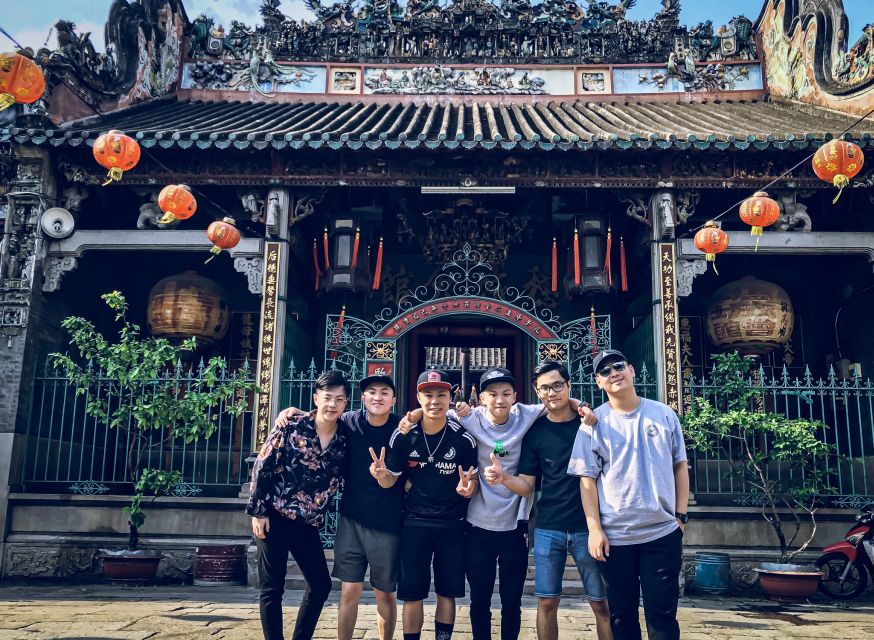
Next, you visit a typical Chinese temple. It’s not just architecture; it’s a cultural anchor point that helps you read what you’ve just been seeing around the markets. Even if temples aren’t your usual priority, this one adds context to the neighborhood.
Floating-market scenes plus District 4 and 7 contrasts
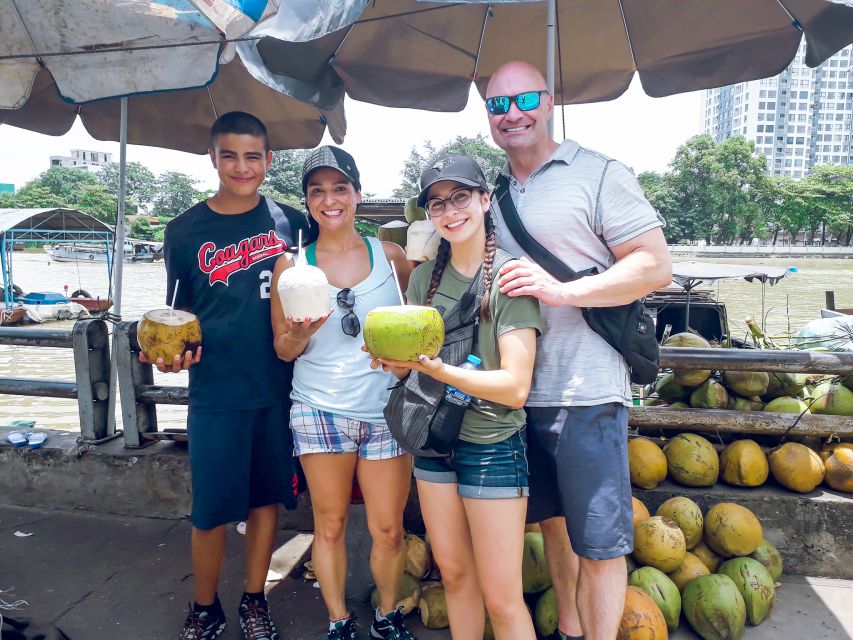
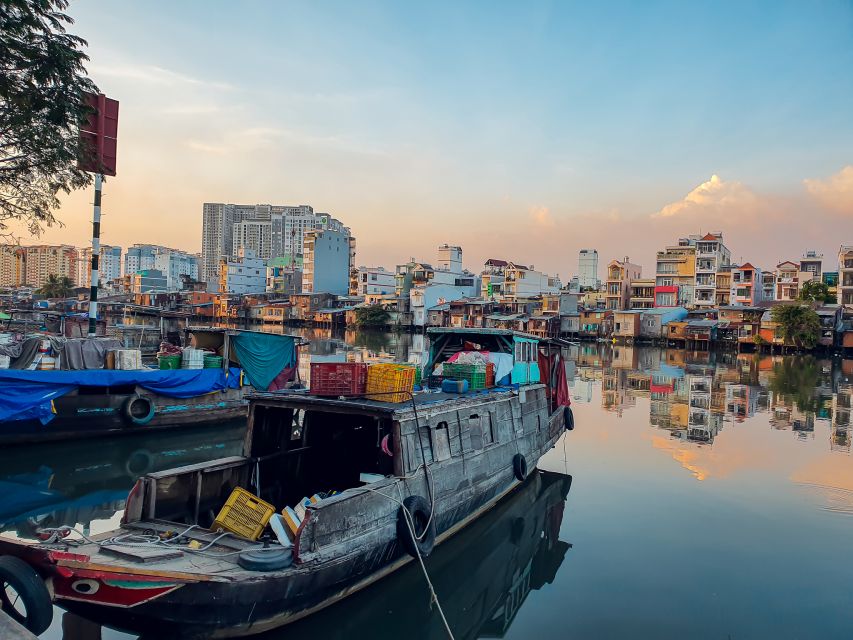
After the Chinatown portion, you head to a floating market—described as a smaller Mekong Delta-style scene right in Saigon. This is one of those stops that feels like a shortcut into Vietnam’s broader river culture, but with a Saigon twist.
From there, the tour turns to areas that show the slum areas and an old mafia area in Districts 4 and 7. This is where the tour becomes more emotionally charged. You’re not just collecting neat facts; you’re witnessing how different parts of the same city can feel worlds apart.
I appreciate that this isn’t skipped. A lot of city tours stick to what looks good. Here, you’re given a fuller picture—one that helps you understand why certain neighborhoods develop differently and how the city’s history still shows up in the streets.
If you’re sensitive to these topics, this section is the part to brace for.
The special dish and local drink: fuel without breaking the flow
You don’t finish the tour hungry. At a key point, you get a special dish and a local drink to keep your energy up.
This matters because a motorbike tour moves fast. You’re in and out of stops, walking briefly, and constantly adjusting your focus to roads and sights. Having food included keeps the tour from turning into a snack scramble.
In the same spirit, I like that the program is flexible with meals when needed. At least one guide has handled a vegan meal request during the tour experience, so if you have dietary needs, it’s worth communicating ahead of time.
Saigon River Tunnel and the District 1 payoff
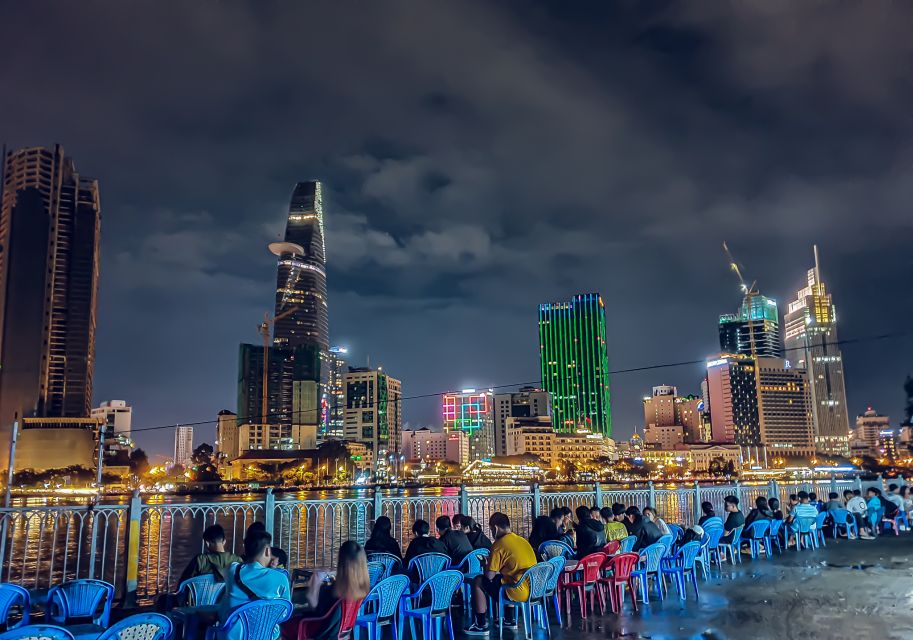
Near the end, you drive through the Saigon River Tunnel in District 2. It’s a practical engineering moment, but it also works as a transition: your surroundings change, the pace shifts, and you’re led toward the city’s more famous center.
Then you enjoy spectacular scenes of District 1, the area most first-timers picture when they imagine Saigon. This is a smart “closing act.” After seeing markets and everyday housing zones, District 1 feels different. You notice the contrast more clearly because you’ve already built context.
I’d treat this final stretch as a chance to slow your brain down for photos and skyline views, not just quick snapshots.
Safety, English guidance, and what makes the ride feel comfortable
A huge reason this tour scores so highly is how the ride feels. You don’t just get a driver; you get a practiced partner who handles busy roads and keeps you aware of what’s ahead.
Many guides are described as calm, communicative, and strong at English. Names that show up across the tour experience include Lucy, Jay, Elisa, Rachel, Vincent, Anh, Hana, Vinh, and Danny, among others. The common thread is clear communication and confidence on the road.
Transport details that help a lot:
- You get helmets and ponchos
- You have a guide who explains stops along the way
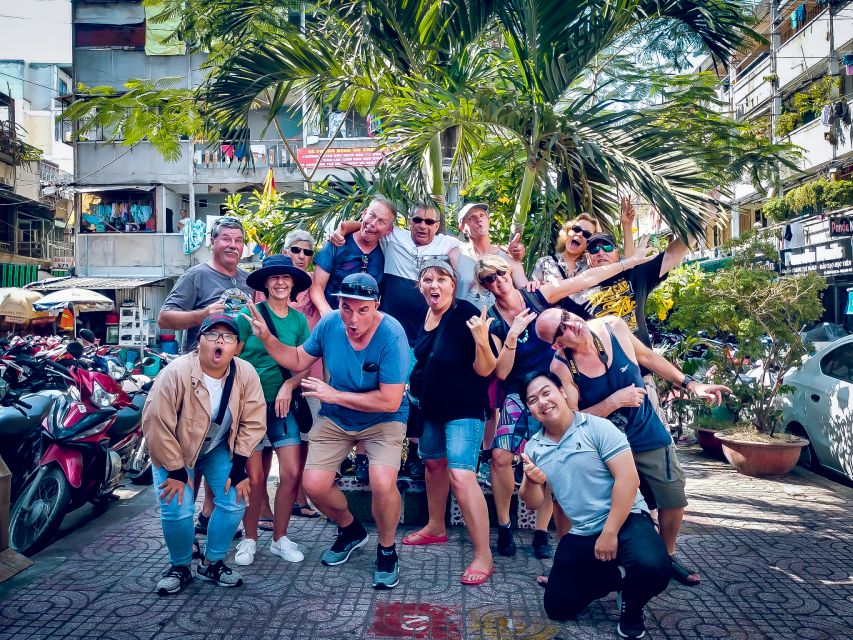
- You also get photos included, which removes one small burden from your day
For first-timers, the best mental prep is simple: sit upright, keep your grip steady, and listen to the guide. The traffic is part of Saigon. Your driver’s job is to handle it smoothly.
Cost and value: why $16 can still feel like a deal
The price is listed at $16 per person for about 2 hours (up to 210 minutes). On paper, that sounds like a short time. In practice, it’s long enough to hit major neighborhood changes plus food.
What you’re really paying for isn’t only transport. You’re paying for:
- pickup and drop-off (with free coverage in specific districts)
- English-speaking guidance that turns scenes into context
- motorbikes, helmets, and ponchos
- food and drink
- photos
If you’re doing Ho Chi Minh City in a hurry, this is a way to get your bearings quickly without turning the day into a checklist of distant landmarks. Even if you later return to a single district on your own, you’ll know where to focus.
If you want to ride more comfortably or avoid motorbike travel, there’s also an option to use a car/van support, but that’s a surcharge and should be booked before 24 hours.
Who this tour is perfect for
This experience suits you if:
- you want an authentic Saigon overview fast
- you like local markets, temples, and neighborhood life
- you enjoy street-food culture (or at least want one planned tasting moment)
- you want a guide to connect the city’s past and present while you move through it
It’s especially good for people who only have a day or part of a day in the city and still want the “real place” feeling.
Who should skip it
The operator lists this as not suitable for:
- pregnant women
- wheelchair users
- people over 80 years
Also, if you hate close-to-traffic situations or don’t like walking a bit at stops, you may find the experience stressful even with safe drivers and helmets.
Tips to get the most out of your Saigon motorbike culture ride
Bring what the tour asks for: comfortable shoes, camera, comfortable clothes, and some cash. Comfortable shoes matter because you’ll step off and walk briefly in several areas.
I also recommend wearing clothes that are easy to move in. The poncho helps, but you’ll still want mobility. And if you’re careful about diet, tell the guide your needs; at least one guide has adjusted meals (including vegan requests).
Finally, keep your expectations realistic about timing. This is a fast, neighborhood-hopping ride, not a slow museum stroll.
Should you book this Saigon Local Sites and Culture by Motorbike tour?
I’d book it if you want a practical, high-value way to understand Saigon’s neighborhoods. You get the key ingredients: strong landmarks like Thich Quang Duc, day-to-day District 3 life, a full District 5 Chinatown market mix, a floating-market style stop, and the District 4/7 contrasts that add honesty to the picture. You also get food, drink, photos, and safe, guided navigation—built in.
Skip it if motorbike traffic makes you anxious, if you need accessibility accommodations, or if you prefer only calm, controlled sightseeing. For the rest of us, this is one of the more direct routes to seeing Saigon as a living city rather than a set of distant sights.
FAQ
How long is the motorbike tour?
The tour runs for about 2 hours, with a duration listed as 2 hours to 210 minutes.
Is pickup available from all areas in Ho Chi Minh City?
Free pickup is available for hotels in Districts 1, 3, and 4. If you stay outside those districts, the operator charges a $5 USD per person surcharge on the day. There is also a meeting point listed near 212 Lê Lai in District 1.
What’s included in the price?
The tour includes pickup and drop-off, English-speaking guides, motorbikes, helmets, ponchos, food and drink on the program, and photos.
What should I bring with me?
Bring comfortable shoes, comfortable clothes, a camera, and cash.
What food and drink do you include?
The program includes a stop for a typical Vietnamese coffee or coconut, plus a special dish and local drink later in the tour.
Are there any restrictions on what I can bring or do?
Alcohol and drugs are not allowed.
Who is this tour not suitable for?
It’s not suitable for pregnant women, wheelchair users, and people over 80 years old.