REVIEW · HO CHI MINH CITY
Ho Chi Minh City – Meditation retreat – 2 days 1 night
Book on GetYourGuide →Operated by JANGTOURS · Bookable on GetYourGuide
Two days in a working pagoda resets you. This retreat is a full, hands-on taste of meditation practice and Buddhist monastic routines, plus a real dose of volunteer work alongside monks and nuns. It runs on a steady schedule that mixes silent meditation, chanting, simple study, and daily chores in a working religious community.
The main thing to consider is how much meditation instruction you’ll actually get. Based on past experiences, you may spend time in silence with limited guidance, and the meditation setup can be dim and more utilitarian than what many people imagine.
In This Review
- Key things to know before you go
- From Ho Chi Minh City to Phat Quang Pagoda: the 100 km reality
- Day 1, step by step: from vegetarian lunch to chanting at night
- Where the retreat spirit really shows: living alongside monks and nuns
- Meditation sessions and Buddhist study: what you’re likely to feel
- Volunteer work for blessing: tofu, tea, cakes, painting, and vegetables
- The solemn Buddhist rituals: chanting, prostration, and the sense of time
- Day 2 rhythm: early bell, qigong, then another round of volunteering
- Price and value: what $80 buys you, and what it doesn’t
- Practical tips: how to show up ready for this kind of retreat
- Who this retreat fits best
- Should you book this 2-day Ho Chi Minh City retreat?
- FAQ
- What is the duration of the retreat?
- Where does the retreat take place?
- What is included in the price?
- What is not included?
- What language is the instructor?
- What should I bring?
- Are there any restrictions on what I can bring?
Key things to know before you go
- Phat Quang Pagoda is the setting: you’ll spend the night on site, not commuting daily.
- Full board vegetarian meals: lunch and dinner are provided, with dish-washing and simple food prep included in the flow.
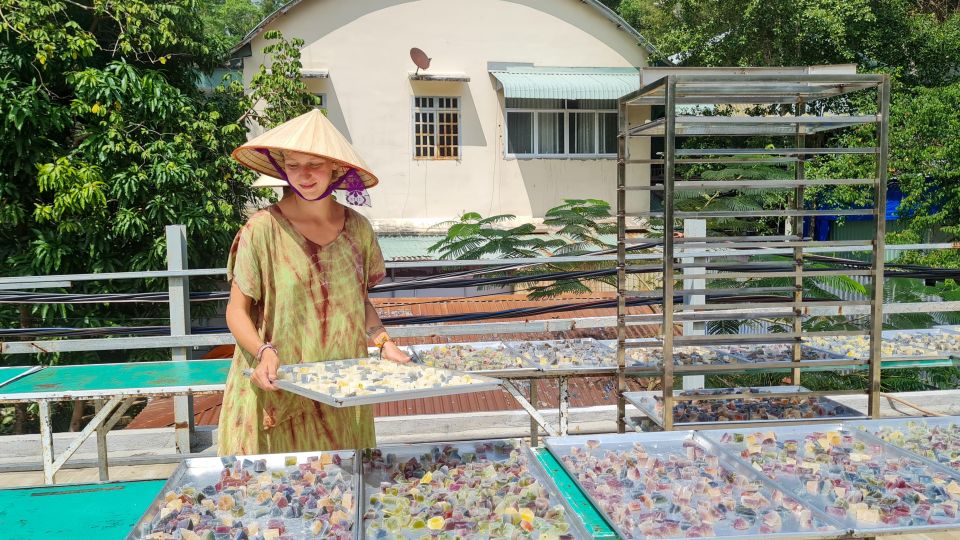
- Volunteer work is part of the program: you may make cakes, tea, tofu, paint fabric, and pick vegetables.
- Ritual time is real time: chanting, prostration to Buddha, and early-morning bell practice are built in.
- Monks and nuns set the pace: you’ll live alongside them to see how monastic life feels day-to-day.
- Small group, English instruction: the program is listed as English-led and very small, but you should still expect self-practice during meditation.
From Ho Chi Minh City to Phat Quang Pagoda: the 100 km reality
Ho Chi Minh City is noisy, then the retreat quietly changes the atmosphere. The pagoda is about 100 km from the city center, and the schedule starts with a transfer leaving early in the morning.
On day 1, the plan shows a 7:30 to 10:30 transfer window, which usually means you’ll lose much of the morning to the ride. One key practical point: the package lists that transportation to/from the pagoda is not included. So even if the itinerary mentions a transfer, you should plan for the cost and logistics of getting out there yourself.
If you like structured mornings and you’re okay with early starts, the commute won’t feel like a deal-breaker. If you hate travel time, this is the one part that can lower your mood fast, because you’re heading out before the day has even warmed up.
You can also read our reviews of more city tours in Ho Chi Minh City

Day 1, step by step: from vegetarian lunch to chanting at night
Day 1 has a classic “arrive, settle in, practice” rhythm. After you arrive, there’s a vegetarian lunch break around 11:00–11:30, then the afternoon shifts into meditation and then practical work.
From 14:00 to 15:00, you’ll do a meditation session. This is one of the most important blocks of the entire retreat. If your idea of a retreat is lots of coaching and gentle explanation, you should know that the retreat is built around practice time, not only teaching.
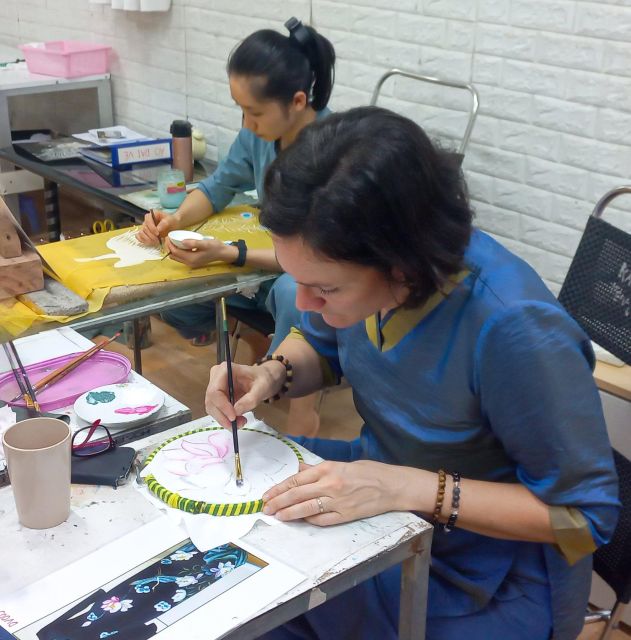
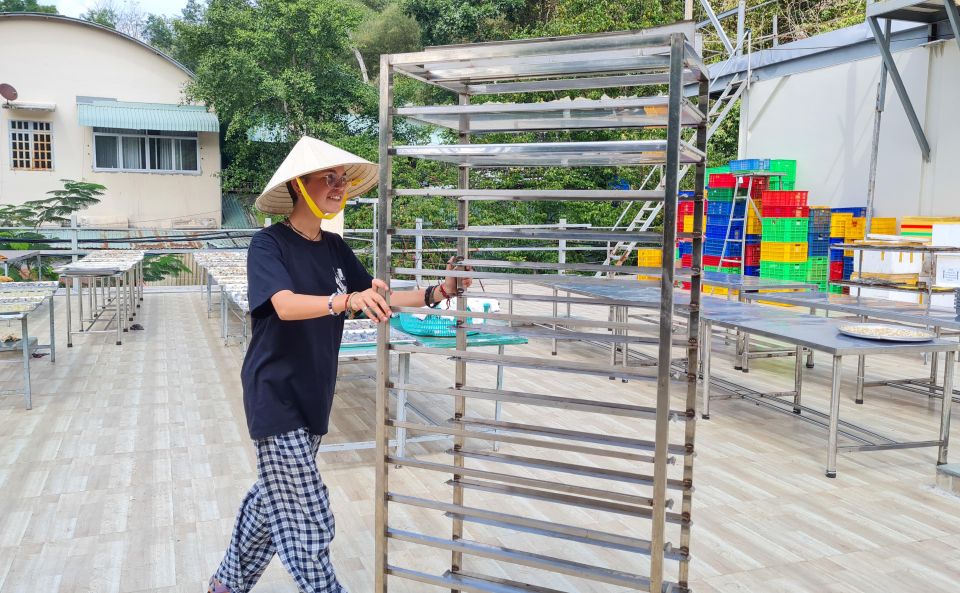
Then at 15:00–16:50, volunteer work begins. You might help make cakes, tea, or tofu, or do fabric painting, depending on what’s needed that day. This matters because it turns meditation from something you do only with your eyes closed into something you do with your hands busy—slow, careful, and attentive.
Dinner is vegetarian again (17:00–18:15), followed by washing dishes. That may sound ordinary, but it’s part of training your attention: you’re not just eating quietly, you’re also contributing quietly. After that, the evening becomes more ritual-centered.
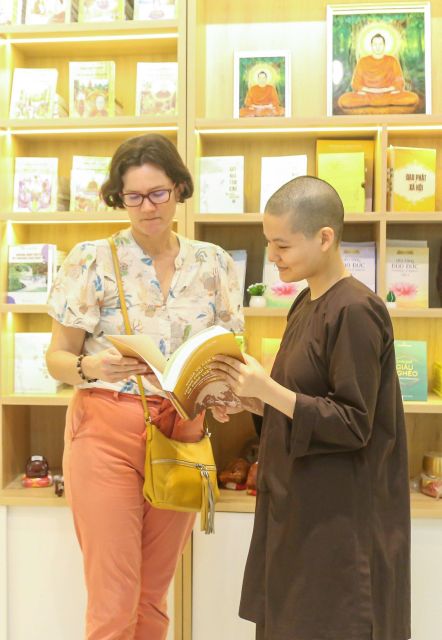
At 18:30–19:00 there’s chanting, then you read books from 19:00–19:50. The evening closes with a longer block labeled “wholesome seed,” which includes prostration to Buddha, then meditation and sleep from about 20:00–21:30. In other words: day 1 is active, but it’s active in silence and ceremony, not sightseeing.
Where the retreat spirit really shows: living alongside monks and nuns
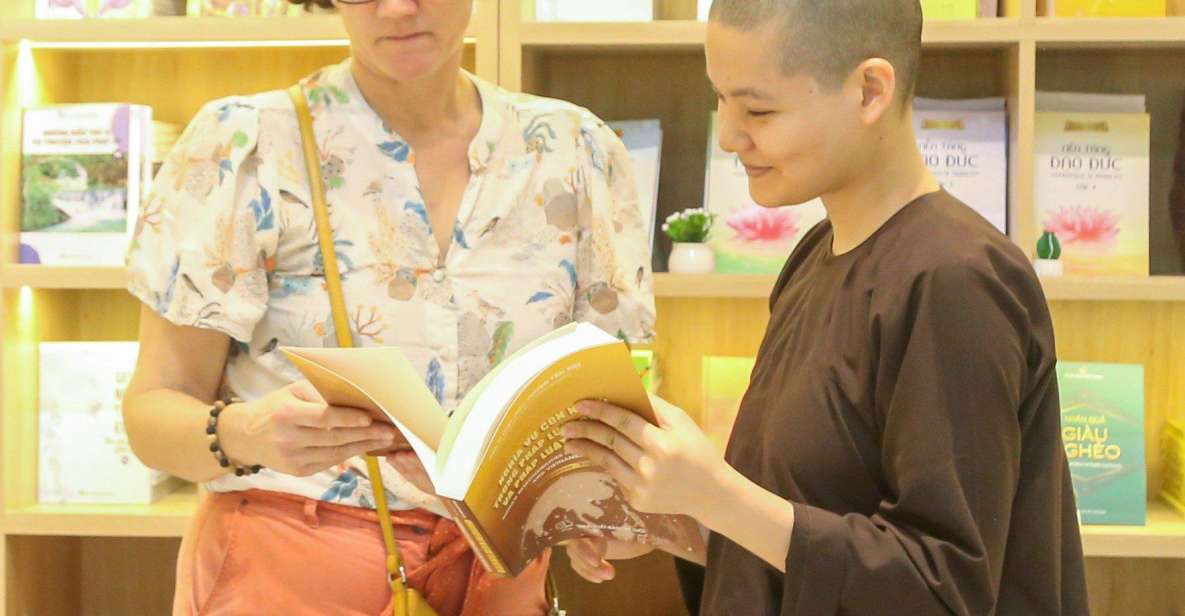
This is not a “tourist pagoda photo stop.” You’re living on site, so the monastic routine becomes the background of your day.
You’ll share the community space with monks and nuns, and that can be surprisingly grounding. Even if you don’t understand every piece of doctrine, you can feel the structure: meals at set times, quiet work periods, chanting, and practice blocks.
Accommodation is also part of the experience. It’s listed as included, and past experiences suggest sleeping arrangements may be communal and more like thick mats than a hotel bed. That’s not a reason to skip, but it is something to mentally prepare for.
For me, the value is simple: you’re not watching monastic life from the outside. You’re inside the rhythm long enough to notice what changes in your body when you stop rushing.
Meditation sessions and Buddhist study: what you’re likely to feel
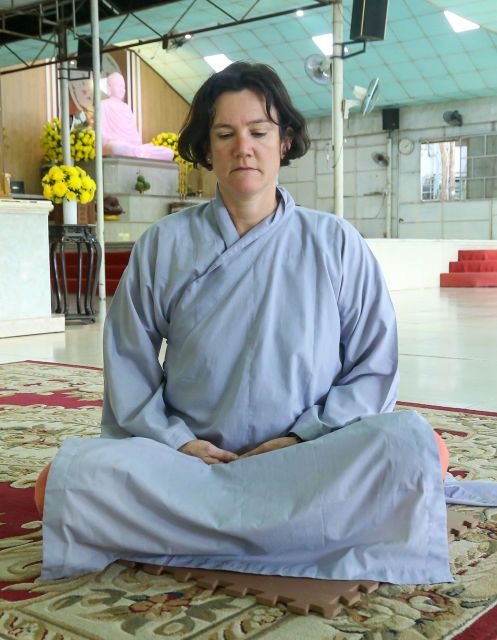
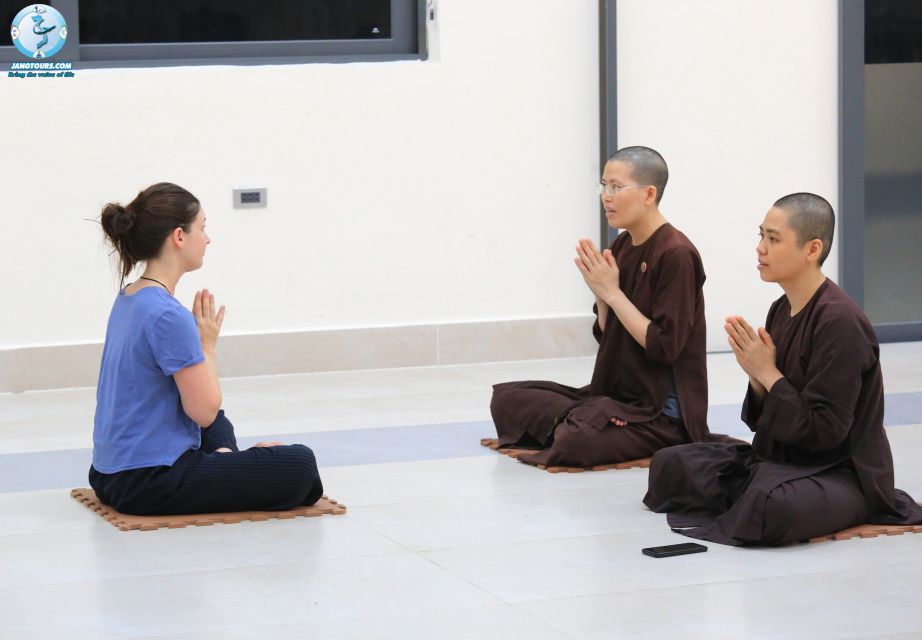
The retreat promises learning the correct technique of meditation and studying profound Buddhist doctrines. In practice, that can mean a mix of guidance and self-practice, but the balance can shift depending on the day and the instructor’s approach.
The schedule clearly includes a meditation session on day 1 (14:00–15:00) and then a major early block on day 2 (4:00–6:00) that combines meditation and chanting. That means you’ll have at least two strong chances to settle your mind.
One past concern is that guidance might be minimal during silence. In at least one experience, meditation was described as taking place in a half-dark, metal-basement space with limited coaching for about an hour. If that style doesn’t match your needs, it can make the experience feel more like endurance than training.
On the “study” side, the retreat includes reading books (19:00–19:50 on day 1) and time associated with doctrinal learning. You should come with curiosity rather than expecting a full classroom lecture. If you’re okay sitting with uncertainty and letting practice teach you, you’ll likely benefit more.
Volunteer work for blessing: tofu, tea, cakes, painting, and vegetables
The volunteer component is one of the most distinctive parts of this retreat. It’s not optional side content. It’s scheduled twice: day 1 (15:00–16:50) and day 2 (7:30–10:30).
Depending on what’s going on, you may help with:
- making cakes, tea, or tofu
- painting on fabric
- picking vegetables
Why I like this, and why you might too: volunteer work is the bridge between spiritual ideas and daily behavior. You’re practicing care, patience, and steadiness in small tasks. And when the community is busy, you don’t have to wonder what to do with yourself.
It also gives you a way to connect beyond silence. Even if your meditation is shaky, your hands can still participate, and that keeps the day from feeling passive.
A practical note: meals and hospitality can be persistent. In at least one experience, people were continuously offered food even after declining, and the person felt corrected for not finishing. So if you have dietary limits or you simply don’t want to overeat, it helps to be gentle but clear early on.
You can also read our reviews of more evening experiences in Ho Chi Minh City




The solemn Buddhist rituals: chanting, prostration, and the sense of time
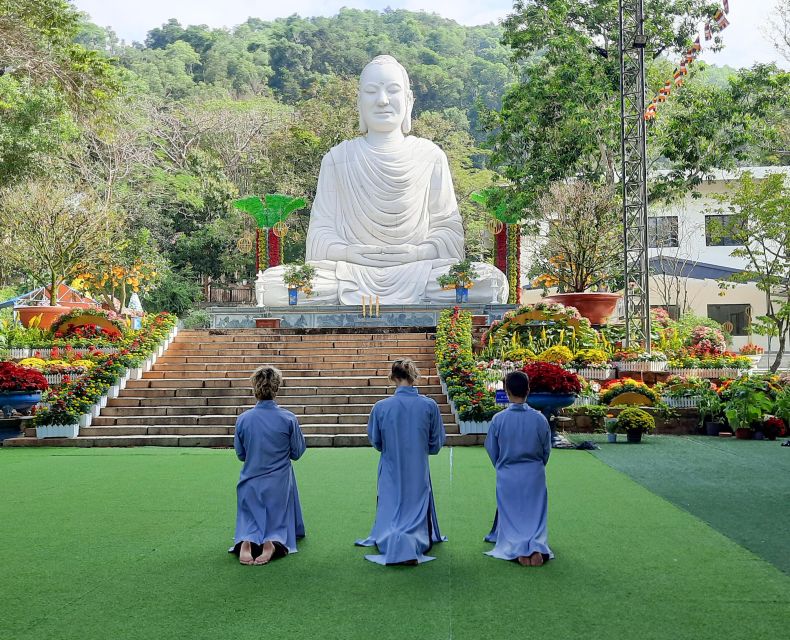
If you want ritual, this retreat gives you ritual—not just a single chant at the end. Day 1 includes chanting from 18:30–19:00, plus prostration to Buddha later in the evening.
Day 2 starts even earlier and more intensely. From 4:00 to 6:00, the plan includes Great Bell time with meditation and chanting. Then, at 6:10–6:50, there’s qigong/martial art practice.
These pieces matter because they train your relationship with time. You’re not choosing when to slow down. The community is doing it first, then you follow. That’s often where the biggest mental shift happens for visitors: you stop negotiating with the day.
Chanting and prostration also make the retreat feel more embodied. You’re not only thinking about peace—you’re repeating movements and sounds that help quiet mental chatter. Even if you don’t know the meanings of every phrase, the structure is still meaningful.
Day 2 rhythm: early bell, qigong, then another round of volunteering
After the very early morning (4:00–6:00), the schedule becomes a steady climb. Qigong and martial art practice (6:10–6:50) helps your body wake up without turning the day chaotic.
Breakfast follows at 7:00–7:20. Then from 7:30–10:30 you’ll do more volunteer work, again possibly involving cakes, tea, tofu, fabric painting, and picking vegetables.
Lunch is around 11:00–11:30, and by about 12:00 you head back toward Ho Chi Minh City. So day 2 is active and productive, but it’s also shorter than day 1 in terms of evening rituals. The retreat’s “big atmosphere” is strongest early, then it turns back into a normal day with meals and work.
Price and value: what $80 buys you, and what it doesn’t
At $80 per person for a 2-day/1-night retreat, the core question is value for your expectations.
On the value side, this price includes:
- a local guide on site
- full board vegetarian meals
- accommodation in the pagoda
- entrance fees
So you’re not paying extra for meals and lodging in the typical tourist sense. That’s meaningful, especially because you’re staying on site.
But transportation isn’t included, and that’s the biggest hidden cost for many people. The retreat is about 100 km from the city, so plan on paying for a ride or arranging a group transfer through your own logistics. Also, past experiences hint that the meditation portion may feel more self-practice than guided coaching, which can lower perceived value if you signed up for heavy instruction.
So here’s my straight take: this is a good value if you want a quiet retreat with daily practice, ritual, and communal work. It may feel overpriced if you mainly want meditation technique training delivered like a class.
Practical tips: how to show up ready for this kind of retreat
This retreat has clear rules because it’s inside an active religious space. You’ll need to follow them.
Bring:
- a long-sleeved shirt
- long pants
Don’t bring:
- alcohol or drugs
- fireworks
Also remember it’s not suitable for wheelchair users, and it’s not suitable for people with altitude sickness. (That last point suggests the retreat expects typical physical comfort, so if you’re dealing with medical limits, you’ll want to check with the organizer before booking.)
And mentally: expect silence time and simple living. Even if your comfort needs are reasonable, you should assume the environment will be more basic than a modern retreat center.
Who this retreat fits best
This retreat fits best if you want to slow down and practice inside a real monastic setting for 2 days. You’ll likely enjoy it if you:
- like structure and early mornings
- are open to meditation without constant explanation
- enjoy learning through doing (volunteering and chores)
- want chanting, prostration, and bell-time ritual as part of the day
You might want to skip or ask questions first if you:
- want lots of personalized meditation coaching
- can’t handle dim or utilitarian meditation spaces
- need private accommodation or hotel-style comfort
- dislike group settings with firm rules around food and participation
Should you book this 2-day Ho Chi Minh City retreat?
I’d book it if your goal is monastery life plus practice plus gentle discipline. The retreat’s value comes from the full board, the on-site stay, the ritual blocks, and the hands-on volunteer work. For $80, you’re paying mostly for access to the community routine—not just meditation time.
I’d think twice if your main goal is guided meditation instruction and you picture a retreat like a calm workshop with lots of teaching. If you’re sensitive to limited coaching during silence, you could leave feeling like you paid for something that wasn’t delivered the way you expected.
If you do book, go in with flexible expectations. Treat it like a chance to learn by rhythm: sit, chant, work, eat, and repeat.
FAQ
What is the duration of the retreat?
The retreat runs for 2 days and 1 night.
Where does the retreat take place?
It takes place at Phat Quang Pagoda, about 100 km from Ho Chi Minh City center.
What is included in the price?
It includes a local guide on the spot, full board vegetarian food, accommodation in the pagoda, and entrance fees.
What is not included?
Transportation from/to the pagoda is not included, and pickup and drop-off guide are not included.
What language is the instructor?
The instructor is listed as speaking English.
What should I bring?
Bring a long-sleeved shirt and long pants.
Are there any restrictions on what I can bring?
Alcohol and drugs are not allowed, and fireworks are not allowed.