REVIEW · HO CHI MINH CITY
Australian Base, Long Tan & Nui Dat Tour with Vung Tau Beach
Book on Viator →Operated by Hana Tourist Vietnam · Bookable on Viator
A day like this keeps you switched on from the first pickup. You’ll visit Long Tan’s memorial and Nui Dat’s former Task Force Base area, then continue to Long Phuoc Tunnels and the Robert Taylor Museum in Vung Tau. I especially like that the tour is run with an English-speaking guide who brings real Australia/Vietnam War perspective, and that your lunch plus entry fees and permits are handled. One heads-up: it’s a long day (about 9 to 10 hours) and the sites are emotional, so go in with the right frame of mind.
This is built for people who want context, not just photos. The group stays small (up to 10 people), you ride in an air-conditioned vehicle, and you get bottled water during the day. If you’re the type who likes your history with clear stories and calm pacing, you’ll probably enjoy how the stops connect.
In This Review
- Key highlights to know before you go
- Australian Base and Long Tan with an English-speaking guide
- Morning pickup and the air-conditioned ride out of Ho Chi Minh City
- Nui Dat Task Force Base and the Long Tan Cross Memorial (Stop 1)
- Horseshoe Location: a restricted-access view
- Long Tan Cross Memorial: incense and flowers provided
- Long Phuoc Tunnels: learning wartime strategy in a physical setting (Stop 2)
- What to expect inside the tunnel experience
- Vung Tau lunch and the Robert Taylor Museum of Worldwide Arms
- Robert Taylor Museum: uniforms and weapons you can understand
- When the day feels full: pacing from morning memorials to afternoon museum time
- Price and value: what $155 covers (and why that matters)
- Who should book this tour (and who might want a different option)
- Tips to make the day go smoothly
- Should you book the Australian Base, Long Tan & Nui Dat tour with Vung Tau Beach?
- FAQ
- What time does the tour start in Ho Chi Minh City?
- Where does the tour start from?
- How long is the tour?
- Is the guide English-speaking?
- Is lunch included, and what is it like?
- Are entrance fees and permits included?
- What’s the group size?
- Are service animals allowed?
- Can I cancel for a full refund?
Key highlights to know before you go
- Long Tan Cross Memorial: pay respects with provided flowers and incense sticks
- Nui Dat Task Force Base area: learn how Australia’s presence shaped the region
- Horseshoe Location view: you’ll see it from a distance because access is restricted
- Long Phuoc Tunnels: get a wartime-strategy explanation while you walk through the idea of it
- Robert Taylor Museum of Worldwide Arms: uniforms and weapons, organized in a way you can actually follow
- Vung Tau Beach time: a real lunch break plus a chance to reset before heading back
Australian Base and Long Tan with an English-speaking guide
War tours can turn into a checklist. This one tries to do something more helpful: it gives you a clear thread through Australia’s role in the Vietnam War. It’s designed with Australian veterans in mind, but it’s open to everyone, so you don’t need to be Aussie or Kiwi to make sense of it.
The biggest difference is the guide. When you get Dingo Chien, for example, you’ll appreciate his local know-how and his way of sharing stories tied to Australia and New Zealand’s time in Vietnam. Even if your guide isn’t Dingo, the format is the same: guided history you can understand, delivered in English, and tied directly to what you’re looking at.
That matters because Long Tan isn’t just a name on a sign. It’s the kind of place where the details around the battle help you picture what happened without guessing. The guide helps you connect those dots while you’re still at the sites, not later in a guidebook.
You can also read our reviews of more tours and experiences in Ho Chi Minh City.


Morning pickup and the air-conditioned ride out of Ho Chi Minh City
You’ll start in Ho Chi Minh City and head out early in the morning. Pickup is offered, and the tour kicks off around 8:30 AM from Hana Tourist Vietnam (34 Đ. cư xá Vĩnh Hội, Phường 9, Quận 4). From there you travel to Ba Ria–Vung Tau Province for the Long Tan and Nui Dat portion of the day.
The vehicle is an A/C private car or mini van, which you’ll really notice in Vietnam’s heat. This is one of those “simple but priceless” inclusions, because you’re spending hours on the road, and you want your brain working when you arrive.
Also, the day is paced with a realistic flow: one major memorial-focused stop in the morning, then tunnels, then Vung Tau lunch and museum time. With a small maximum group size (10 people), you’re less likely to feel rushed through the more reflective moments.
Nui Dat Task Force Base and the Long Tan Cross Memorial (Stop 1)
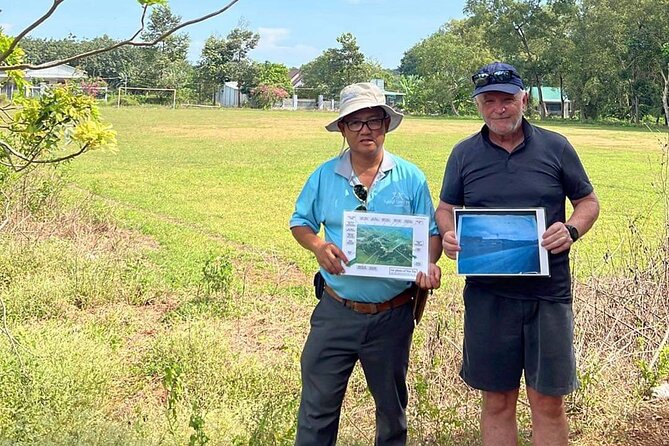
Your first stop is the Battle of Long Tan area, tied to the former Nui Dat Task Force Base. You’ll learn about the Australian military presence in the region, and you’ll be in the general setting where that history took shape.
One of the most important parts of this morning segment is that it’s not only about viewing. You also get guided context before you move on. That helps you understand why certain locations matter and how people remember them.
Horseshoe Location: a restricted-access view
You’ll stop by the Horseshoe Location, but you’ll view it from a distance because access is restricted. That can feel a little limiting at first, but it’s also a good reminder that some places are protected for respectful reasons or safety. When you know in advance you won’t be roaming freely, you won’t waste energy wishing you could.
Long Tan Cross Memorial: incense and flowers provided
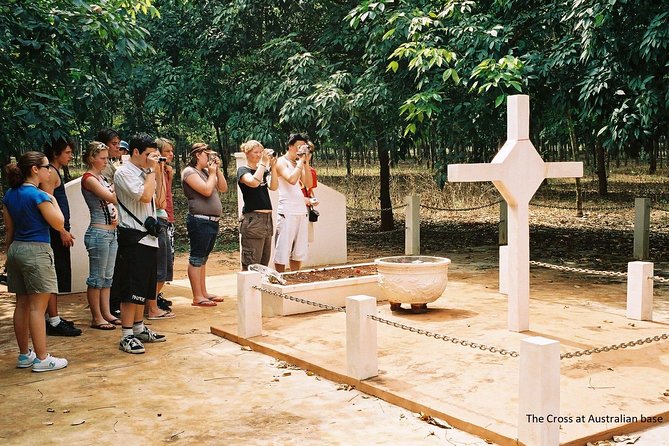
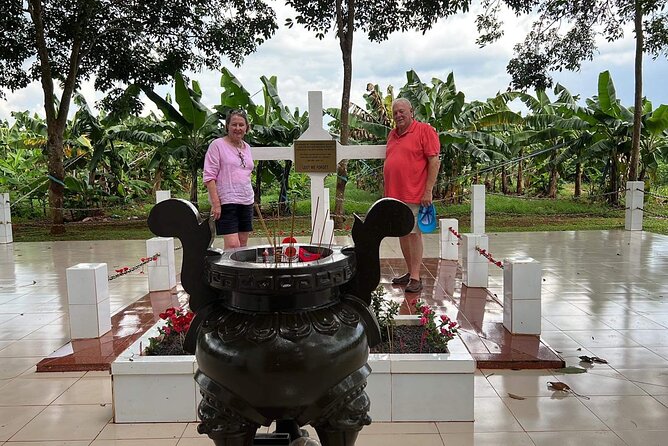
Next comes the Long Tan Cross Memorial, a key site commemorating the Battle of Long Tan. Flowers and incense sticks are provided, so if you want to pay respects, you can do it without hunting around for supplies.
This is the kind of stop where your behavior matters more than your photography. Keep your voice down, take a moment before moving, and let the guide’s narration settle before you look around. If you like quiet time at memorials, this works well because the tour gives you a clear window for reflection.
Practical note: wear something comfortable and respectful for an outdoor memorial. Even if you’re not religious, the provided incense and flowers make it easier to participate in a simple, meaningful way.



Long Phuoc Tunnels: learning wartime strategy in a physical setting (Stop 2)
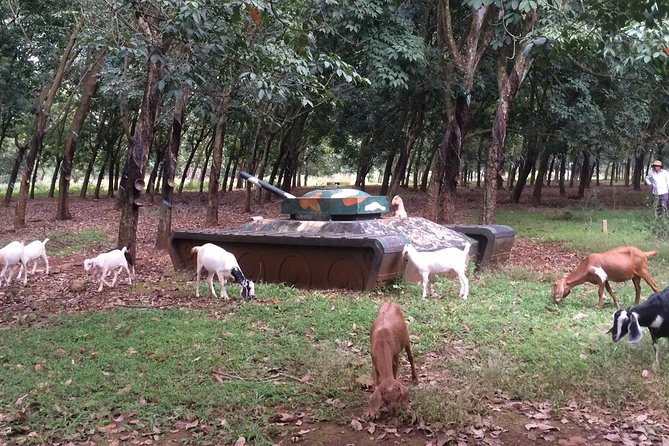
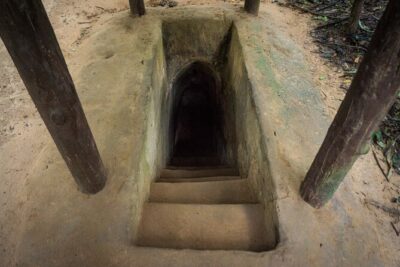
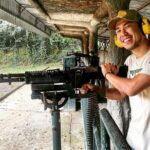
After the Long Tan portion, you shift into the second half of the day, which includes Long Phuoc Tunnels. This part focuses on wartime strategies used by the Viet Cong, explained as you move through the tunnel concept and surrounding area.
Tunnels can be a tough subject because they’re so tied to fear and survival. What I like about this stop is that it’s framed as strategy, not just scenery. You’re not only supposed to think: wow, tunnels. You’re meant to understand why they mattered to how people fought and hid.
What to expect inside the tunnel experience
The tour data doesn’t spell out exact tunnel depth or time inside, so don’t assume it’s a long crawl or a short peek. Either way, the big win is the guide’s interpretation—turning what you see into an explanation of tactics and movement.
Go in prepared for an atmosphere that can feel enclosed and busy with history. If you’re sensitive to tight spaces, you’ll want to pace yourself and listen carefully to what the guide suggests.
Vung Tau lunch and the Robert Taylor Museum of Worldwide Arms
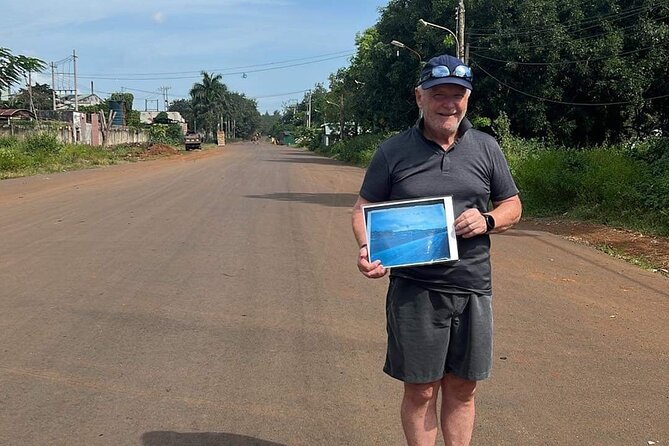
Once you’re ready for a reset, you head to Vung Tau Beach for lunch at a local restaurant. Lunch is included and it’s Vietnamese food, plus you’ll have bottled water during the day.
I like lunch breaks on tours like this because they stop the story from becoming a blur. You’ll also get time to relax after eating, which helps your brain absorb what you saw in the morning and what you’ll learn in the afternoon.
Robert Taylor Museum: uniforms and weapons you can understand
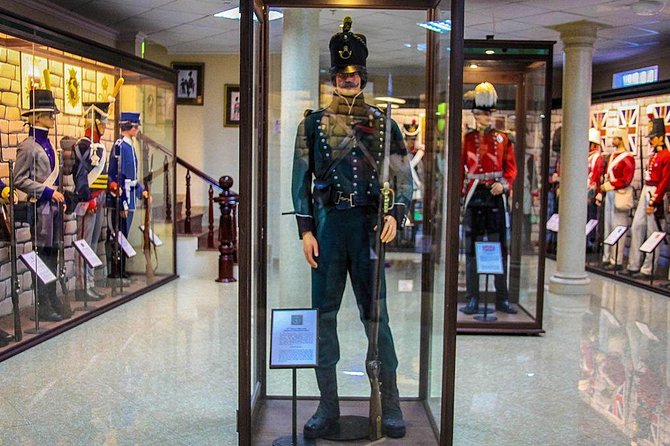
After Long Phuoc Tunnels, you’ll visit the Robert Taylor Museum of Worldwide Arms. This museum features an extensive collection of military uniforms and weapons.
Even if you’re not a “museum person,” this stop can be useful because it gives you a more visual, tangible sense of equipment and roles. It’s not about sensational shock. It’s about recognizing how different tools and gear fit into the reality of war.
One practical tip: museum displays can be text-heavy. If you want to get the most out of it, keep an eye on the guide’s cues—what to focus on, what questions to ask, and which items connect back to the story you’ve already heard.
When the day feels full: pacing from morning memorials to afternoon museum time
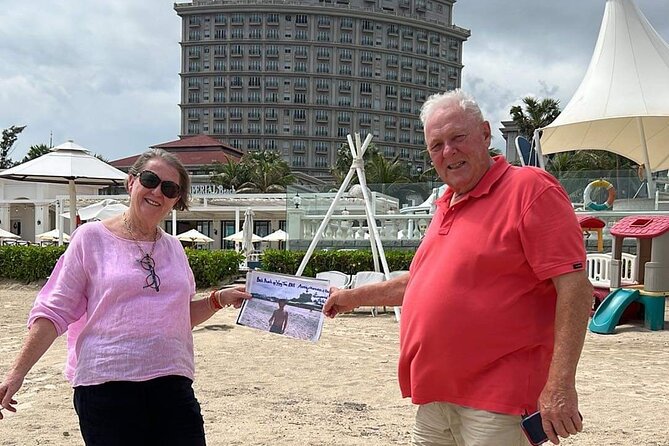
This tour runs roughly 9 to 10 hours, and you’ll be back in Ho Chi Minh City around 5:00 PM. That schedule is ambitious, but it makes sense because you’re combining three heavy elements: memorial sites, tunnels, and a weapons-focused museum.
Here’s how I’d judge the pacing: the morning is for meaning (Long Tan and Nui Dat), the afternoon is for understanding mechanisms (tunnels and museum objects). A lot of history tours get stuck either in emotion or in facts. This one tries to balance both.
The practical side: an A/C ride reduces the fatigue cost of moving between sites. Lunch also prevents the classic mistake of trying to stay sharp through an empty stomach.
The main “consideration” is mental energy. If you’re tired of war-related content, you might feel overloaded. If you’re here for context and perspective, the structure usually works well.
Price and value: what $155 covers (and why that matters)
At $155 per person, it’s not a “cheap shortcut” kind of tour. You’re paying for a full guided day outside the city, with transportation, admissions, and meal time handled.
The value becomes clearer when you compare what’s included:
- English-speaking guide
- Air-conditioned private car or mini van
- Lunch with Vietnamese food
- Drinking water and tissue
- Entrance fees and travel permits in Long Tan
- Memorial items like flowers and incense sticks
- All included entry fees and permits (the tour highlights this clearly)
That’s important in Vietnam because permits and admissions can add up fast if you’re trying to DIY. Here, they’re built into the experience, so you spend less time managing logistics and more time where it counts—at the sites.
What’s not included is travel insurance. Also note: this is a focused historical tour, not a beach-and-shopping half day. If you want lots of free time in Vung Tau, this plan gives you some relaxation, but the day is structured around specific stops.
If you’re the type who likes knowing the schedule won’t fall apart because an admission line is missing or a permit is forgotten, this price starts to look fair.
Who should book this tour (and who might want a different option)
This is a great fit for people who want:
- A structured, English-guided day around Australia’s role in the Vietnam War
- Time at the Long Tan Cross Memorial, with respectful materials provided
- A mix of memorial reflection plus tactical context from Long Phuoc Tunnels
- A museum stop with a clear subject: uniforms and weapons at the Robert Taylor Museum
It’s also a good match if you enjoy smaller-group experiences. With a maximum of 10 people, you can usually hear the guide without constantly competing for attention.
I’d suggest a different option if you want a purely light, breezy outing. This includes war-related memorial and conflict sites, so even with lunch and Vung Tau downtime, the emotional weight is real.
If you’re easily overwhelmed by enclosed spaces, think carefully before committing to the tunnel segment. The tour will guide you, but the environment is still tunnels.
Tips to make the day go smoothly
A few practical things will help you get through the full day without grumpiness:
- Bring a light layer: you’ll ride in A/C, then move outdoors again.
- Wear comfortable shoes for memorial grounds and museum floors.
- If you plan to use the provided incense and flowers, take a quiet moment before you move on.
- Keep hydration in mind: water is included, so just remember to actually drink it.
- Go in ready to listen. This tour’s best moments come from the guide’s storytelling tied to what you’re seeing.
Also, you’ll be using a mobile ticket, which is convenient—just make sure your phone battery is healthy before you leave.
Should you book the Australian Base, Long Tan & Nui Dat tour with Vung Tau Beach?
I’d book this if you want a single, well-structured day that connects Australia’s Vietnam War involvement to specific places, then rounds it out with tunnels and a museum in Vung Tau. The inclusion of lunch, bottled water, A/C transport, and the fact that entry fees and permits are handled makes it feel like a proper guided experience rather than a DIY scramble.
I’d think twice if you’re not up for reflective war sites or if a long 9–10 hour day will drain you. Emotionally heavy content plus travel time is a real combo.
If that sounds like your style of travel—thoughtful, guided, and focused—this one is worth your time. It’s the kind of tour where you leave with more than photos: you leave with a clearer picture of what you saw and why it matters.
FAQ
What time does the tour start in Ho Chi Minh City?
The tour starts at 8:30 AM, with pickup offered from your hotel in Ho Chi Minh City.
Where does the tour start from?
The meeting point is HANA TOURISTQ, 34 Đ. cư xá Vĩnh Hội, Phường 9, Quận 4, Thành phố Hồ Chí Minh, Vietnam.
How long is the tour?
Plan for about 9 to 10 hours. The day concludes with return to your hotel around 5:00 PM.
Is the guide English-speaking?
Yes. The tour includes an English-speaking tour guide.
Is lunch included, and what is it like?
Yes. You’ll get lunch at a local restaurant in Vung Tau Beach with Vietnamese food, plus bottled water.
Are entrance fees and permits included?
Yes. Entrance fees and travel permits related to Long Tan are included, along with other listed entry fees and permits.
What’s the group size?
The tour has a maximum group size of 10 travelers.
Are service animals allowed?
Yes. Service animals are allowed.
Can I cancel for a full refund?
Yes. Free cancellation is available if you cancel at least 24 hours before the experience start time.