REVIEW · HO CHI MINH CITY
Ho Chi Minh City Cyclo Tour with English Speaking Guide
Book on GetYourGuide →Operated by Maika Tours · Bookable on GetYourGuide
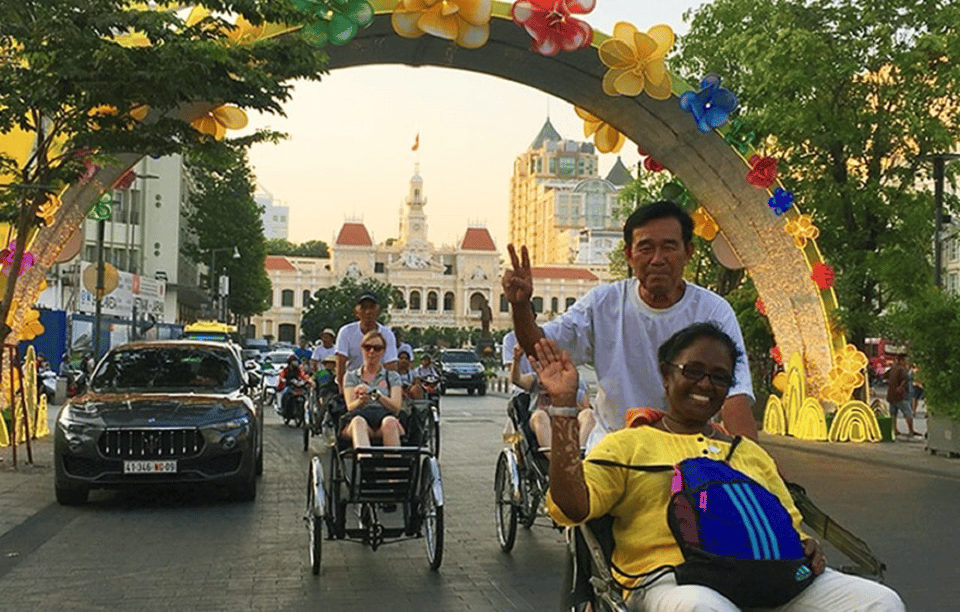
Cyclos in Ho Chi Minh City make big landmarks feel close. This 4.5-hour tour is built around a simple idea: move through District 1 on a cyclo with a local driver, then let your English-speaking guide connect the dots between French-era buildings, wartime history, and everyday city life. I especially liked the French colonial architecture stops because they look different at cyclo height, and the guide’s stories made each façade feel earned, not just photographed.
Two things I truly enjoyed: first, the back-and-forth ride rhythm. You pass major sights like the Opera House and City Hall area, but you also catch the smaller textures—street-level color around markets and parks. Second, the tour ends with the Thich Quang Duc Memorial and the War Remnants Museum, so you leave with a clearer sense of how Vietnam’s past shapes what you see today, not just where to point your camera.
One consideration: the itinerary is mostly a view-and-admire style. You won’t enter every landmark—for example, you’ll arrive at Reunification Palace for photos and context, but not go inside. If you want full indoor time at every stop, this might feel a bit “on the move,” so wear comfortable clothes and plan for sun and traffic.
In This Review
- Key points before you go
- Why a cyclo is the smart way to see District 1
- Hotel pickup, English guide, and what “private group” really means
- Reunification Palace stop: photos, context, and the power of looking
- Notre Dame Cathedral and the Central Post Office: French details you can actually see
- The CIA Building and Frequent Wind: the history behind a quiet pass-by
- Hotel Continental complex and the Opera House: Graham Greene meets the real street
- Nguyen Hue Street for 30 minutes: city views from a cyclo seat
- Old Market, Ben Thanh area, Tao Dan Park, and the food you can smell
- Thich Quang Duc Memorial: why this stop lands emotionally
- War Remnants Museum: prepare to be moved
- Price and value: what $60 buys in real time
- Who should book this Ho Chi Minh City cyclo tour
- Should you book it? My straight answer
- FAQ
- How long is the Ho Chi Minh City cyclo tour?
- What time does the tour start?
- Is hotel pickup included?
- What’s included in the price?
- Which major sights are part of the route?
- Is the tour suitable for pregnant women?
Key points before you go
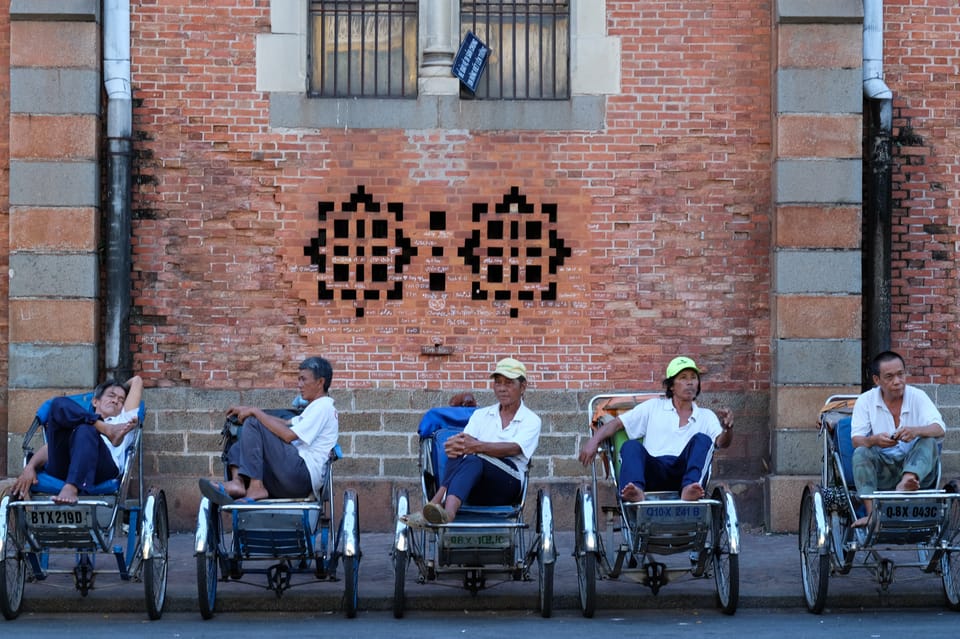
- Local cyclo driving: you’re carried through District 1 at street pace, not bus pace
- English guide storytelling: the history is explained in plain language as you travel
- French architecture + war memory: you get both the postcard and the hard parts
- Targeted stops, not wandering: quick rides between major sites keep things efficient
- Included banh mi and water: a simple food break keeps the tour from feeling like a sprint
- Not for everyone: it’s not suitable for pregnant women, and you should dress with shoulders and knees covered
Why a cyclo is the smart way to see District 1
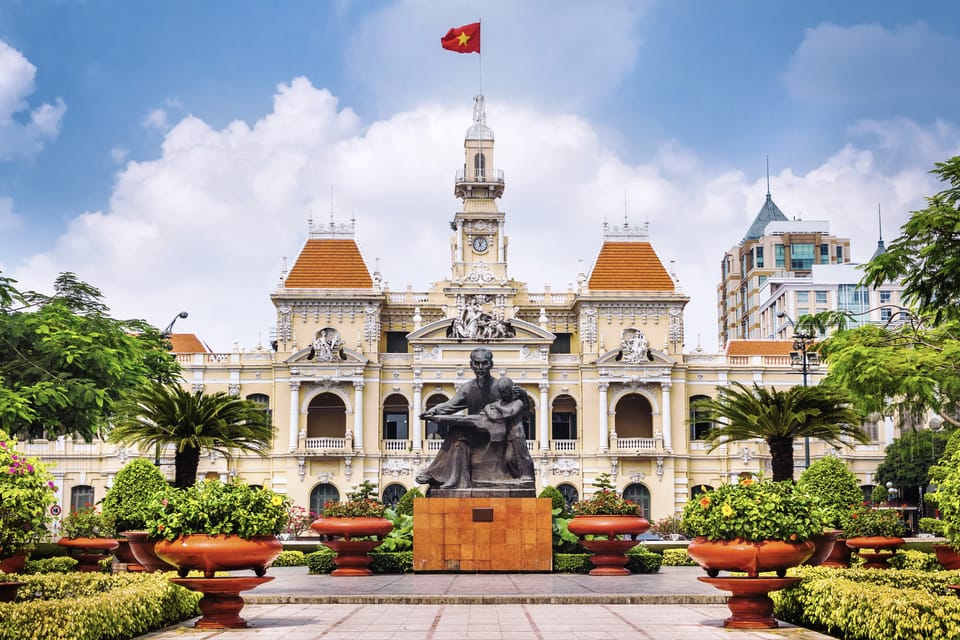
If you’re trying to get oriented fast in Ho Chi Minh City, a cyclo tour does two useful things. It slows you down just enough to notice details, and it moves you through the grid of District 1 without the hassle of constant walking between stops. That matters here because many of the key sights are clustered around central streets and government-area blocks.
The setup is eco-minded on paper too: you’re not dealing with a bus, and the experience is quieter and more street-level. You’re sitting close to the road with a local driver steering through intersections and traffic patterns. For me, that gave a stronger sense of how locals actually pass these same places every day, instead of only viewing them from the edge of a tour group.
The vibe is also practical. Since it’s a private group, you don’t get stuck waiting for the slowest person in a big crowd. It’s still a guided tour, but it feels like you’re riding through town with a plan.
You can also read our reviews of more guided tours in Ho Chi Minh City

Hotel pickup, English guide, and what “private group” really means
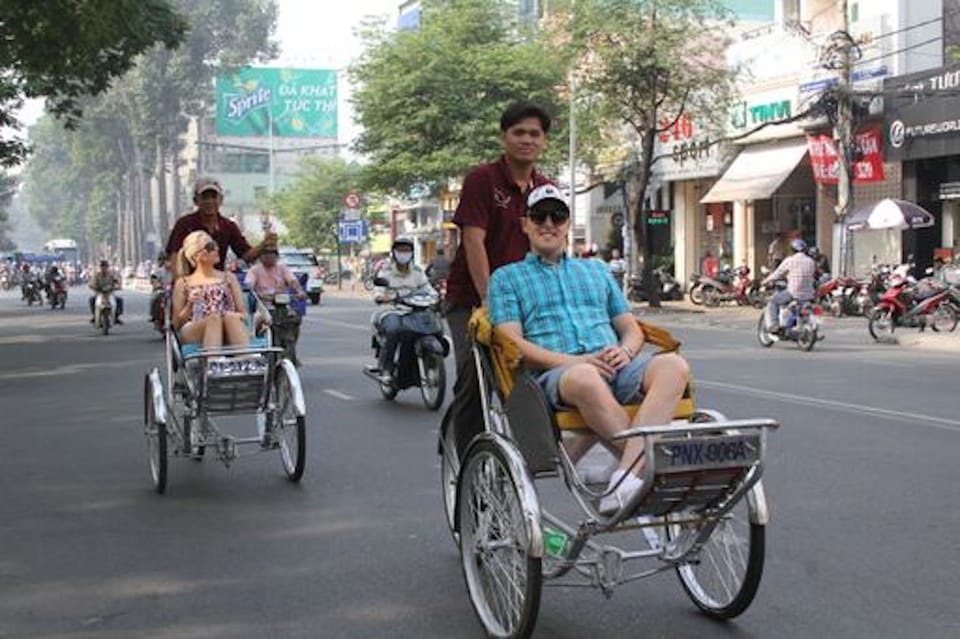
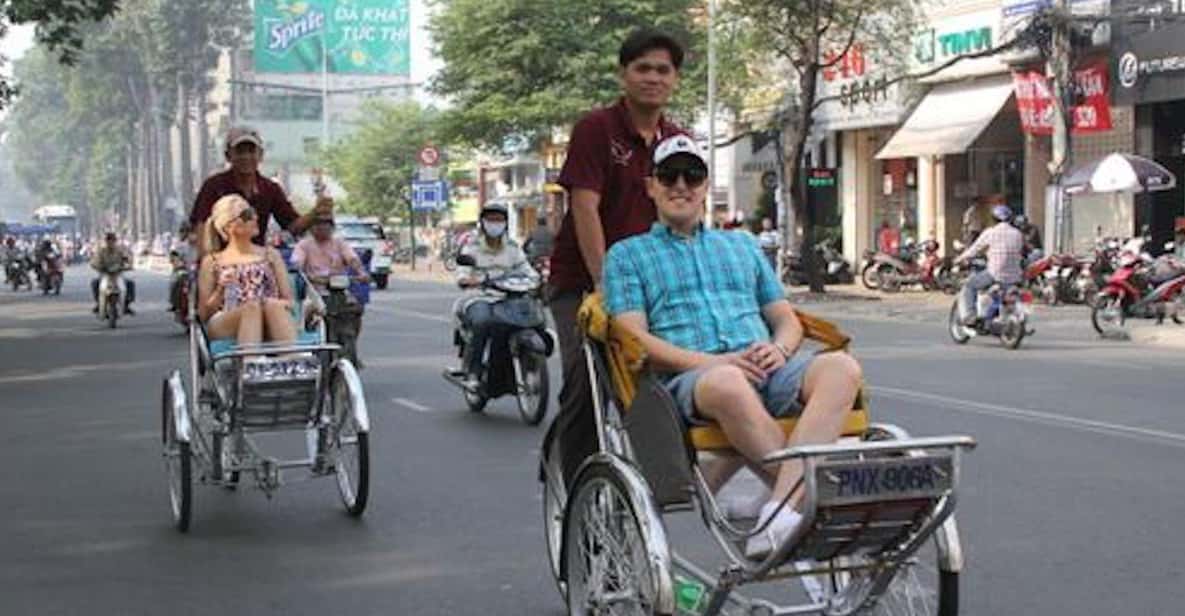
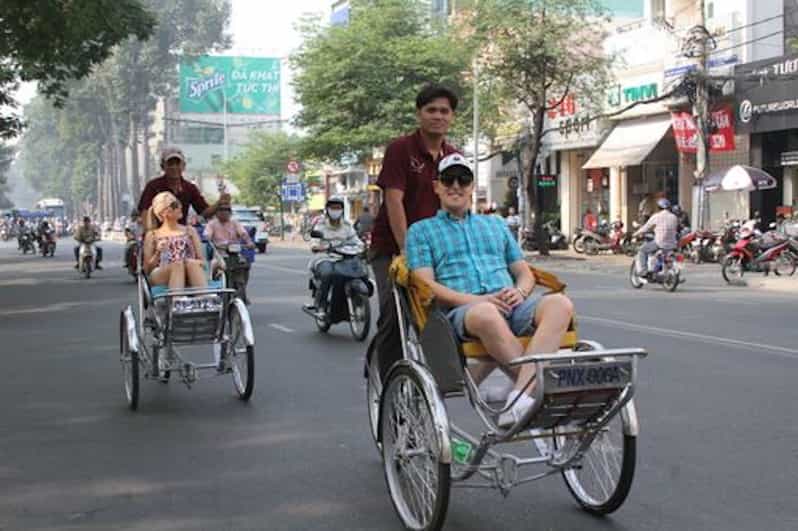
The tour starts with pickup from a centrally located hotel or AirBnB in District 1. Your guide meets you, then introduces you to your cyclo driver and you get going. In practice, this keeps your time cost low—you’re not spending your morning (or afternoon) figuring out transit to the first major sight.
Starting times are two options: 8:00 AM for the morning tour or 1:30 PM for the afternoon tour. Either works, but think like a practical traveler: morning tends to feel better for longer outdoor riding if the city’s already warm by mid-day. Afternoon can be great too if you like softer light for photos—but plan for sun anyway.
A nice touch from the tour’s style: it’s run with an English-speaking guide, and the guidance is what turns “passing sights” into a real route. I liked how the guide name came up during the experience—Tan—because it makes the whole story feel personal, not generic.
Small but important note: dress respectfully. Your shoulders and knees should be covered. Bring sunscreen, a hat, insect repellant, and a light jacket in case the weather swings.
Reunification Palace stop: photos, context, and the power of looking
You’ll head to Reunification Palace as part of the route. The key detail here is that you won’t enter the palace itself. Instead, you’ll arrive, learn about its history and significance from your guide, and take photos from the outside.
So what’s the value of a no-entry stop? You still get the building’s visual impact—this is one of those landmarks you recognize instantly once you see it. And with a guide explaining what happened here, the exterior starts to read like a document. For many first-time visitors, it’s the right balance: you get meaning without losing time to ticketing lines or long indoor pacing.
If you’re the type who loves architecture-and-history photo sessions, this will fit your style. If you’re determined to spend lots of time inside, you may need to pair this tour with a separate palace visit later.
Notre Dame Cathedral and the Central Post Office: French details you can actually see
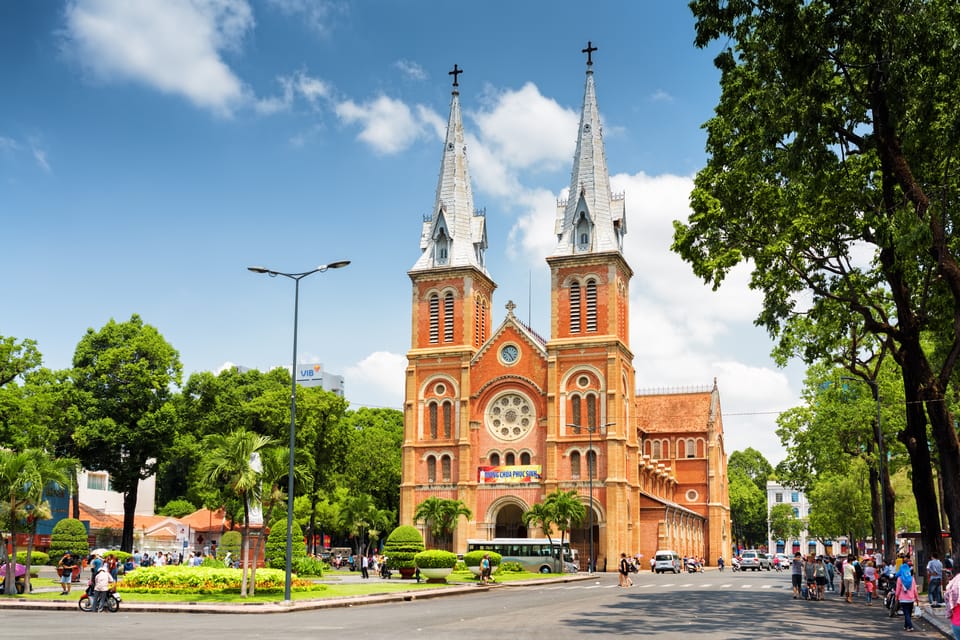
After Reunification Palace, the tour moves to two classic French colonial icons: Notre Dame Cathedral and the Central Post Office. Here, the itinerary goes beyond seeing them from the street. You’ll get to admire the interior of these buildings.
That’s a big difference between a “drive-by” experience and one where you feel the place. Interiors matter for French colonial architecture because of how space is shaped—arched ceilings, structured lines, and the way light moves through the room. Even if you’re not a museum person, these interiors help you understand why the area looks the way it does.
The guide’s role is useful too. Without explanation, you might just say, Yes, it looks old. With context, you start connecting the dots between colonial planning and modern life in the same streets.
The CIA Building and Frequent Wind: the history behind a quiet pass-by
Next comes a stop that’s easy to miss if you don’t know what you’re looking for: the historic CIA Building. You’ll see it as you travel, with your guide explaining the last U.S. helicopter leaving Ho Chi Minh City in 1975.
The story centers on Frequent Wind, the last U.S. operation of the Vietnam War timeframe. Even though this isn’t an “inside the museum” moment, it’s important because it turns a familiar city scene into a specific historical location. That’s what makes this part of the tour feel more than sightseeing.
If you prefer your history with names and moments attached, you’ll probably appreciate how the guide anchors the details to what you’re physically passing. And if you’d rather avoid heavy political content, just be aware this is one of the tour’s more serious beats before you head toward the war memory museums at the end.
You can also read our reviews of more city tours in Ho Chi Minh City




Hotel Continental complex and the Opera House: Graham Greene meets the real street
Then you’ll ride over to the Hotel Continental complex, a place that has long been tied to writers and postwar storytelling. The tour includes time to see the roadside cafe at the hotel and talk about the complex’s connection to famous authors, including Graham Greene.
There’s also a fun (and relevant) cinema connection: scenes from The Quiet American were filmed around the hotel area and the Opera House. That matters because it gives you another layer to look at. You’re not only seeing architecture—you’re seeing how Vietnam has been imagined in English-language storytelling.
One more practical point: this part of the tour balances indoor views and quick rides. You get a break from constant movement without turning the day into a slow crawl. If you’re traveling with limited time, that pacing is a real advantage.
Nguyen Hue Street for 30 minutes: city views from a cyclo seat
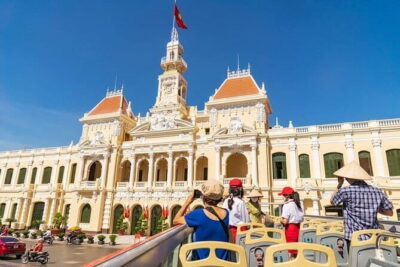
A highlight for many people is the ride along Nguyen Hue Street, one of the most beautiful stretches in the city. The tour includes a 30-minute cyclo section here, and it’s one of those segments where you stop thinking about the checklist and start noticing the city’s scale.
Along the way you’ll see landmarks including the Bitexco building, and you’ll also get views toward the Saigon River. It’s a clear example of why transportation choice changes your experience. From a cyclo, you’re closer to street life and the visual corridor feels different than it would from a car window or a walking viewpoint.
If you like photography, this is the part where you can get your “I’m actually in the city” shots—the ones showing buildings and street lines rather than only close-up details.
Old Market, Ben Thanh area, Tao Dan Park, and the food you can smell
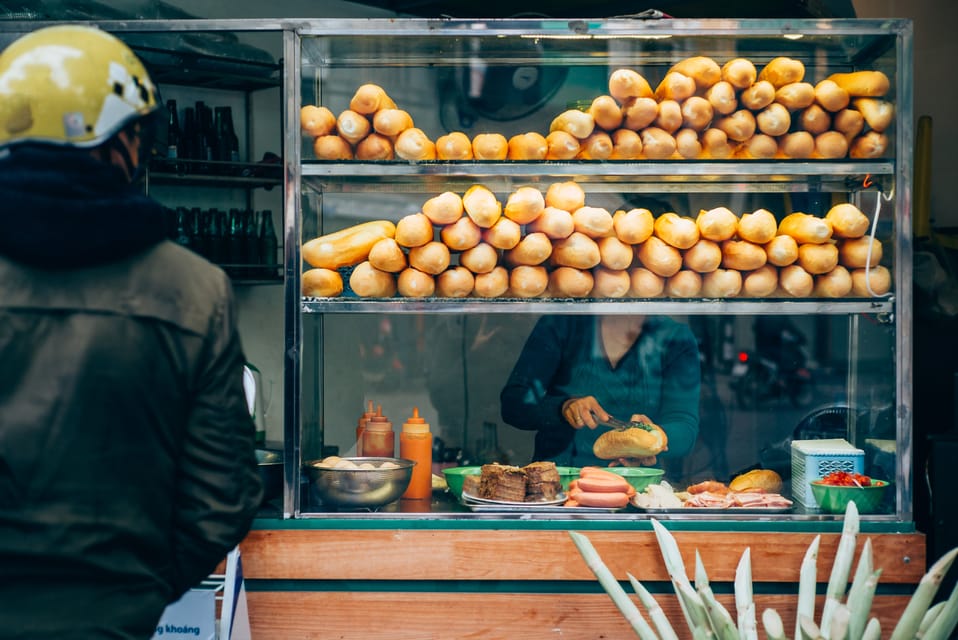
Next, you move through the city’s food and shopping zones—passing Old Market, where you’ll see food products and street food stalls. You’ll also pass areas including Indian temples, Ben Thanh Market, and Tao Dan Park.
A lot of tours call these stops “culture,” but the practical value here is simpler: you get a sense of how the city runs day-to-day. Old Market isn’t about one museum exhibit. It’s about movement—stalls, packaging, and constant activity around daily food.
Two details help you enjoy this section more:
- You’ll be given a banh mi sandwich, so you can treat the market area like a food moment without needing to plan your own meal on the fly.
- You’ll have two bottles of water included, which is quietly important in a city where heat can sneak up on you between stops.
This section is also a good reminder that Ho Chi Minh City has multiple identities at once: colonial architecture in one block, temple traditions in another, and the everyday shopping-and-eating rhythm all around. It’s not staged; it’s just what’s there.
Thich Quang Duc Memorial: why this stop lands emotionally
After the market and park areas, the tour heads to the Thich Quang Duc Memorial. This is a meaningful stop, and your guide will explain the memorial’s history and significance.
You don’t need a deep background to make it hit. The power here comes from the fact that it’s a specific place tied to sacrifice and belief. If you came for architecture and photos, expect this to slow you down. If you came wanting a fuller view of Vietnam’s story, this is exactly the kind of stop that adds weight.
Because the tour is timed—4.5 hours total—this section doesn’t drag. It gives you enough context to understand what the site represents without turning the afternoon into a lecture.
War Remnants Museum: prepare to be moved
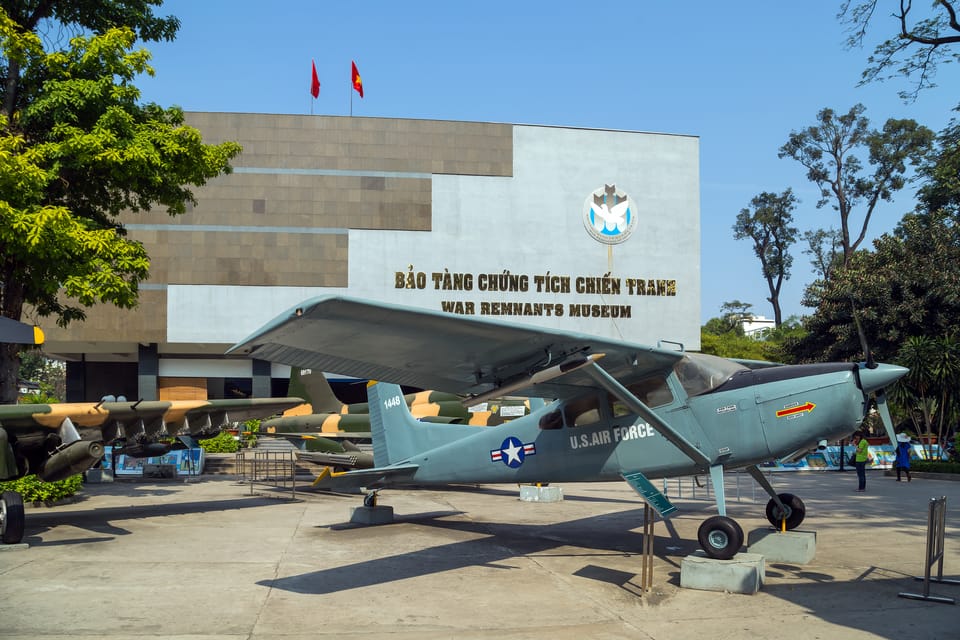
The final major stop is the War Remnants Museum. This is framed as a must-see place to learn about the Vietnam War from a different perspective—and that wording fits what the museum experience tends to do. Be ready to process upsetting scenes and emotions. You don’t come here to treat it like casual sightseeing.
This museum is the payoff for the earlier route. The cyclo ride gives you motion and context; the memorial and CIA building add personal stories and historical anchors; then the museum gathers it all into one concentrated visit.
When people ask if this tour is worth it, I think this is the moment they’re really asking about. If you’re comfortable with serious, sometimes difficult content, the War Remnants Museum will make the whole tour feel more purposeful. If you want a light day only, you might find the ending too heavy for your mood.
Price and value: what $60 buys in real time
At $60 per person, this tour is priced like a value-focused city highlight package. It’s not just transportation. You’re getting a lot folded into the price: cyclo and driver, an English-speaking guide, entrance fees, taxes, a taxi, plus the banh mi sandwich and two bottles of water.
That matters because guided city history can get expensive fast once you add entry tickets, guide time, and transport. Here, the “hidden costs” are already handled for you. The duration—4.5 hours—is also reasonable. You’re not committing your whole day, and you get a sequence of major sights rather than one or two stops stretched across hours.
Private group also plays into value. Even if the route is shared by the city itself, your experience is organized around your group, not around fitting dozens of people into a single timing window.
Who should book this Ho Chi Minh City cyclo tour
This is a great fit if you:
- Want a first-timer route through District 1 with clear guidance
- Like French colonial architecture and want interiors at key stops
- Prefer a structured overview but still want street-level city feel
- Are okay with ending on serious content at the War Remnants Museum
It’s not a great fit if:
- You’re pregnant (the tour is explicitly not suitable)
- You want to spend lots of time inside every landmark (some stops are view-and-learn rather than full entry)
One more practical note: you’ll want to be comfortable in a seated ride and prepared for sun. The pack list is basic for a reason: hat, sunscreen, repellant, and a light layer.
Should you book it? My straight answer
Book it if you want a compact, well-paced route that mixes postcard Ho Chi Minh City with the history you can’t ignore. I like that it doesn’t pretend the city is only pretty. It gives you architecture, streets, markets, and then it closes with memorial and museum stops that explain why Vietnam looks the way it does.
Skip or plan differently if you need a purely light day with minimal emotional weight, or if your dream itinerary includes long indoor time at every stop. This route is designed for movement and context, not for slow wandering.
If you’re in the planning stage, this is the kind of tour that helps you get your bearings fast, then gives you a better way to explore on your own afterward.
FAQ
How long is the Ho Chi Minh City cyclo tour?
The tour lasts about 4.5 hours.
What time does the tour start?
It runs with a morning tour at 8:00 AM and an afternoon tour at 1:30 PM (starting times can vary by availability).
Is hotel pickup included?
Yes. Pickup is included from centrally located hotels and AirBnB in District 1. If your place is outside District 1, you should contact them in advance to discuss options.
What’s included in the price?
Included are cyclo and driver, English-speaking guide, taxi, entrance fees, taxes, a banh mi sandwich, and two bottles of water.
Which major sights are part of the route?
You’ll see Reunification Palace (photo stop, not entry), Notre Dame Cathedral, the Central Post Office (interior viewing), the CIA Building, the Hotel Continental complex, Nguyen Hue Street, Bitexco, the Old Market, Ben Thanh Market area and Tao Dan Park, plus the Thich Quang Duc Memorial and the War Remnants Museum.
Is the tour suitable for pregnant women?
No. It is not suitable for pregnant women.
If you tell me your travel dates and whether you prefer the morning or afternoon slot, I can help you pick the best time and suggest what to do before and after the 4.5-hour ride.