REVIEW · HO CHI MINH CITY
Cu Chi Tunnel & Cao Dai Temple One Day Private Tour
Book on Viator →Operated by VietCruise Tours · Bookable on Viator
Two religions and a wartime tunnel, all in one long day. I like how this private itinerary pairs a midday Cao Dai ceremony with a hands-on-feeling look at life in the Cu Chi Tunnels, while your guide keeps the day moving. With a private guide and the option of entering via the Ben Duoc gate, you’re less likely to feel stuck in a slow-moving crowd.
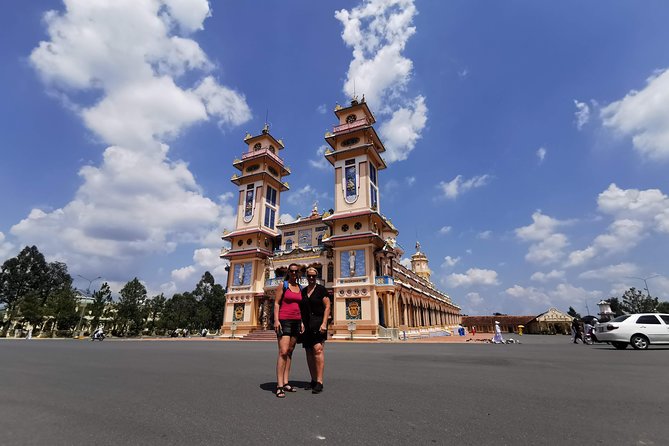
What I really enjoy is the Cao Dai stop at 12:00PM—you get the ceremony timing and then a clear look at the temple’s symbolism, including the seven-headed dragon details and the cobra columns under the sky-blue ceiling. It’s one of those experiences where you can see how belief shows up in design.
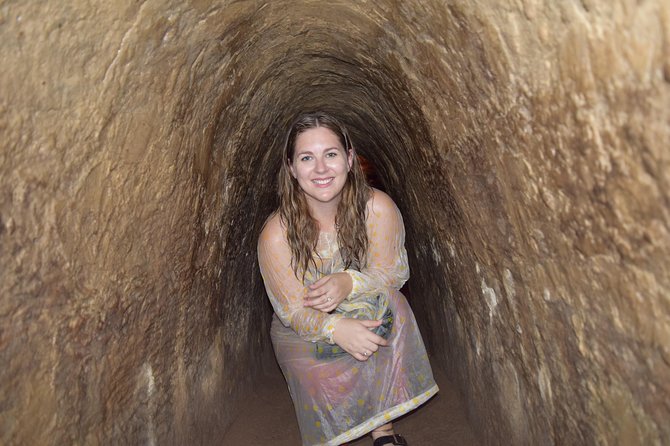
The main consideration is physical comfort: the tunnel experience includes crawling through narrow tunnels, so if you hate tight spaces or uneven floors, plan your pace.
In This Review
- Key points to know before you go
- A one-day Cu Chi and Cao Dai plan that actually makes sense
- Cu Chi Tunnels: narrow crawl, real survival spaces, and optional gun-range time
- Getting in smoothly with Ben Duoc gate and a guide who keeps it clear
- Cao Dai temple at noon: what the ceremony and architecture teach you
- Lunch and border-area Vietnamese culture: fuel for the long road back
- Price and value check for $145 per person
- Who should book this tour, and who should adjust expectations
- Should you book the Cu Chi Tunnels & Cao Dai Temple one-day private tour?
- FAQ
- What’s included in the price?
- How long is the tour?
- What time is the Cao Dai temple ceremony?
- Is the shooting range included?
- Does the tour include pickup?
- Is this a private tour?
- Does weather affect the tour?
Key points to know before you go
- Private guide, private pace: your group travels together and follows a set plan designed to reduce crowd pressure.
- Ben Duoc gate option: a smarter entrance route that can make the Cu Chi stop feel less stressful.
- Cao Dai ceremony at 12:00PM: you’re there for the ritual moment, not just a quick temple walk.
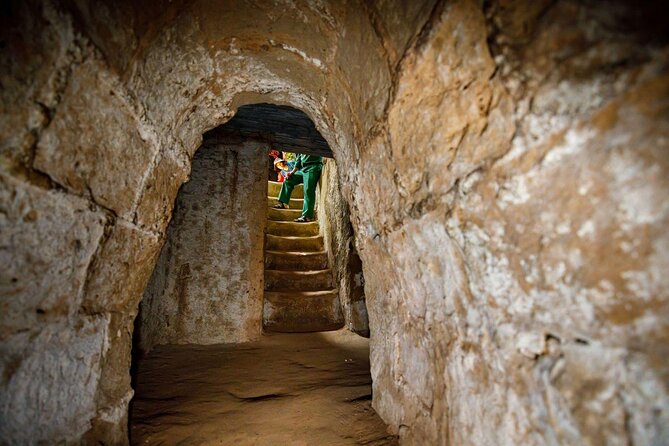
- Hands-on tunnel rooms and traps: you’ll see how people lived, worked, and hid during 1945–1975 through built-in spaces like clinics and kitchens.
- Optional shooting range add-on: you may have a chance to handle/try firearms at extra cost (separate fee).
- Lunch and local food: you’ll eat as part of the day, with cultural context tied to people living toward the Cambodia border.
A one-day Cu Chi and Cao Dai plan that actually makes sense
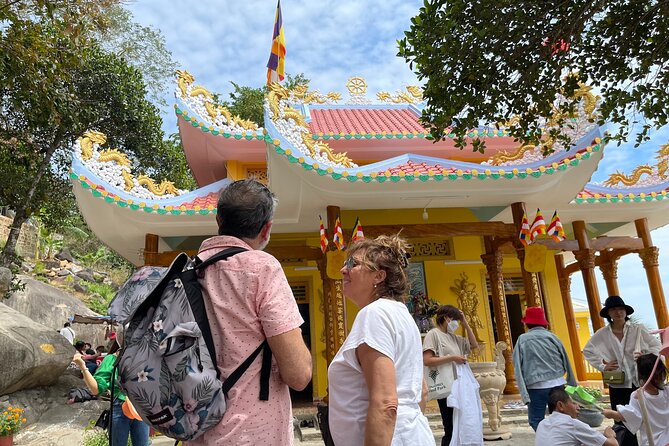
This tour works because it doesn’t treat Ho Chi Minh City like a museum stop-and-go. You leave town and spend the day in two very different worlds: guerrilla war geography underground, and a living religious ceremony in daylight. That contrast is the point. It helps you remember Vietnam as something more than a single story.
You also get the practical benefit of a private setup. Since it’s only your group, your timing stays yours. Your guide can steer you through the tunnel experience with explanations as you move, and then shift gears to the temple ceremony without turning the day into a rush. The day runs about 8 to 9 hours, so you’ll want to be ready for a full one-day commitment rather than a quick half-day.
If you’re curious about why people build such strong identities—religious and otherwise—this is a strong pairing. Cao Dai blends elements of Taosim, Buddhism, and Christianity, and the Cu Chi Tunnels show how survival and resistance shaped daily life between 1945 and 1975. Together, they give you two lenses on the same country.
You can also read our reviews of more private tours in Ho Chi Minh City

Cu Chi Tunnels: narrow crawl, real survival spaces, and optional gun-range time
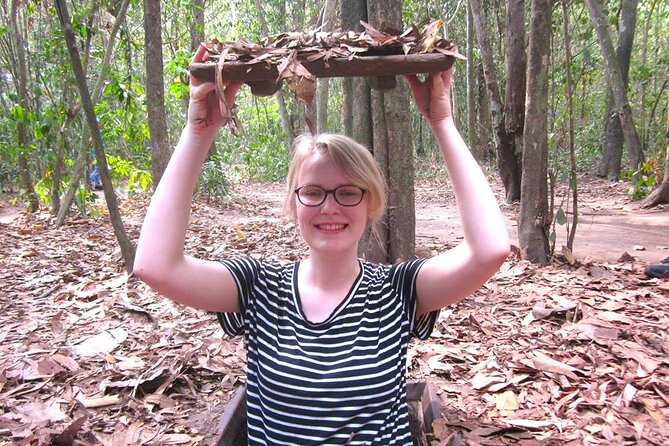
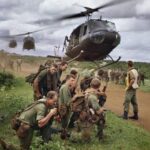
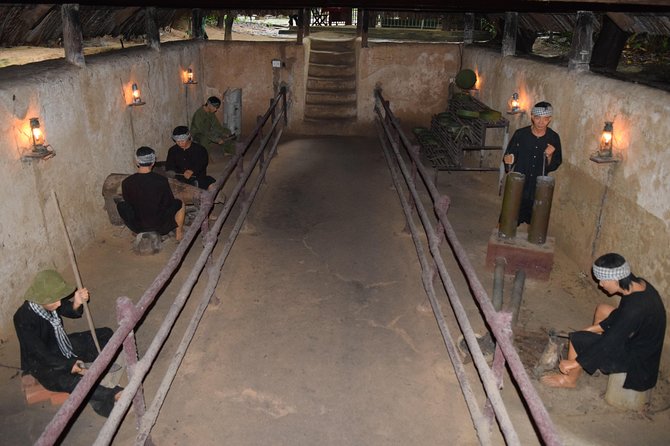
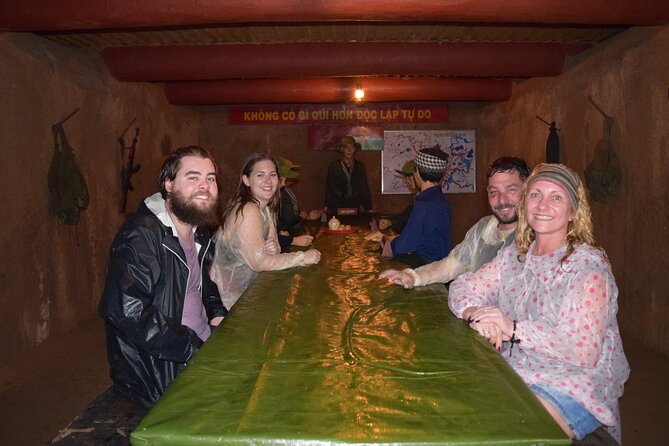
Cu Chi is where the day turns physical. The experience is built around learning how Vietnamese militaries built, lived, and fought in the tunnels, and it does that with illustrated explanations and short documentaries. You don’t just look at artifacts. You get a sense of routine and purpose through the way the underground areas are arranged.
Here’s what you can expect to see during the tunnel part:
- Built spaces like a clinic, kitchen, storage room, and an office
- A wider underground tunnel system that shows how connected the layout is
- Sections connected to the idea of disguised traps, including bamboo traps
- Examples of rudimentary handmade weapons, presented as part of the wartime toolkit
- Time to crawl through narrow tunnels so you understand how movement itself became part of survival
This is the stop that helps you appreciate the tunnel experience as more than a sightseeing gimmick. The narrow passageways are part of the lesson. When you’re moving low and tight, the history becomes physical, and the “how” of survival feels more real.
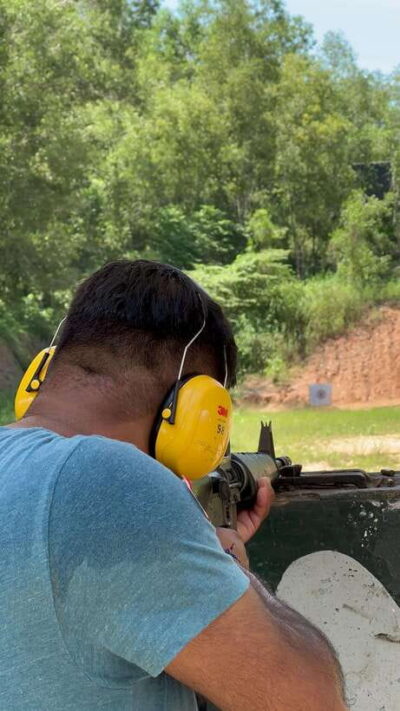
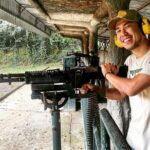
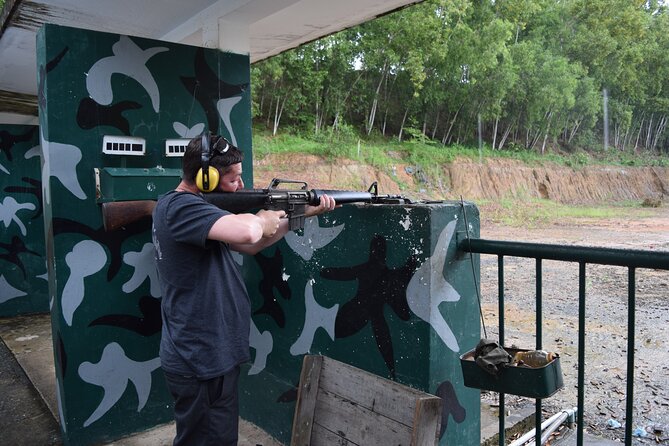
One detail I’d treat carefully: the shooting range option. You might get an opportunity to try an M-15, AK-47, and a carbine rifle at a range, but the fee is not included. If you’re sensitive to weapons, skip it. If you do want it, budget extra. Either way, the main tunnel experience is the core of the value.
Finally, plan for the tunnel stop to end with something local. After you visit, you can enjoy the special dish Cu Chi Tapioca. It’s a small add-on, but it’s a nice way to close the war-story chapter with a simple taste of local food.
Getting in smoothly with Ben Duoc gate and a guide who keeps it clear
One of the biggest “what makes this worth it” factors is how the day avoids friction. Cu Chi can feel like a maze of crowds depending on timing and access. This private format helps because you aren’t stuck waiting in line with a tour pack.
The tour may use Ben Duoc gate for a better entrance to Cu Chi Tunnels. That matters because getting into the site efficiently makes the rest of the day feel less like you’re paying for transit time. Instead, you’re paying for the actual experience.
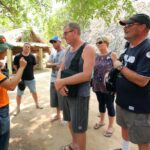
Your guide is a key part of this. From past guests, I learned that Cường stands out for being friendly and good at explaining what you’re seeing—especially in a place where details can get lost fast. When you’re staring at underground rooms and traps, you’ll be grateful for clear explanations that put the pieces in order.
Here’s my practical tip: go in expecting lots of small details. Weapons, traps, tools, and room purposes can blur together if you rush. A private guide makes it easier to ask simple questions and keep your understanding straight without slowing down a whole bus behind you.
Cao Dai temple at noon: what the ceremony and architecture teach you
The second big swing of the day is the Cao Dai Temple ceremony at 12:00PM. This is the kind of cultural stop where timing changes the experience. Showing up for the ritual moment—rather than arriving after it ends—makes a real difference because Cao Dai is an active religion, not just a pretty building.
During your visit, you’ll get two tracks: the ceremony and the visual design.
- The ceremony gives you a sense of how followers practice and present their faith
- The architecture gives you symbols you can look at with your guide’s explanations
In the temple, keep your eyes on the standout design elements:
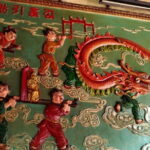
- Elaborately crafted seven-headed dragon details
- Cobra columns
- A unique sky-blue ceiling
These details aren’t random decoration. They’re part of how Cao Dai communicates meaning in physical form. If you like religion as lived culture (not only doctrine), this kind of visual symbolism helps you connect the ceremony to the space around it.
A nice angle here is how the tour frames Cao Dai as a local belief that blends Taosim, Buddhism, and Christian influences. Even if you don’t know the theology, you can still look for the “why” behind choices in ritual and design. That blend is a big part of why Cao Dai feels distinctly Vietnamese while still feeling familiar across traditions.
Lunch and border-area Vietnamese culture: fuel for the long road back
You’ll have lunch as part of the tour, plus bottled water. Lunch in a long day like this is not just a meal break. It’s also where you absorb local rhythm—especially after the intensity of the tunnel content.
The tour also frames lunch as a chance to taste food and learn culture tied to Vietnamese people living near the Cambodia border. The details of exact dishes aren’t listed, so I can’t promise one specific menu item. But I can say the intent is clear: the meal should feel connected to the wider story of the regions and communities.
If you tend to get hungry after big walking segments, this built-in lunch matters. You don’t have to gamble on what’s nearby while the day is moving.
You can also read our reviews of more tours and experiences in Ho Chi Minh City



Price and value check for $145 per person
At $145 per person, the value comes from what’s included and what stays optional.
What you get included:
- Lunch
- Bottled water
- Air-conditioned vehicle
- Landing and facility fees
- Cu Chi tunnel entrance fee
What you should treat as extra:
- Alcoholic beverages (not included)
- The shooting range experience (fee not included)
So where does the money go? It’s mostly the private transportation time plus the entrance/handling costs. Since Cu Chi and Cao Dai temple are both outside central Ho Chi Minh City, the air-conditioned ride is part of the comfort value. If you’ve ever tried to piece together a long day to two far sites on your own, you know the cost isn’t only money—it’s time and stress.
Also, the private format is part of the price. You’re paying for a plan designed for your group, with explanations while you move through the tunnel, and the ability to be at the Cao Dai ceremony at 12:00PM. That timing alone can be hard to control if you’re coordinating your own transport.
One more small detail: you get a mobile ticket. It’s not glamorous, but it’s convenient if you’re bouncing between stops and don’t want to juggle paper receipts.
Who should book this tour, and who should adjust expectations
This tour fits best if you like:
- History and how people lived through major conflicts
- Cultural stops with meaning, not only photo ops
- A private guide who can explain what you’re looking at
- A full-day plan with a clear schedule
You’ll likely enjoy it most if you’re comfortable with the physical side of the tunnels. The experience includes crawling through narrow tunnels and seeing small-scale survival spaces. If you’re the kind of traveler who stays far from tight spaces, you might still appreciate the story and exhibits, but your comfort will depend on your willingness to move slowly and carefully.
If you want a calm, low-effort day, this may feel intense. The schedule is long at 8 to 9 hours, and it includes both an active tunnel segment and a timed ceremony. Think of it as a focused day trip, not a leisurely stroll.
Should you book the Cu Chi Tunnels & Cao Dai Temple one-day private tour?
If your ideal day in Ho Chi Minh City includes both Vietnamese religious culture and a serious look at wartime underground life, I’d book it. The best reason is balance: you get Cu Chi Tunnels as a structured learning experience with room-by-room context, and then you get the Cao Dai ceremony at 12:00PM plus the temple’s symbolic architecture.
I’d especially consider booking if you hate feeling trapped in crowds. The private setup and the possible Ben Duoc gate entrance are aimed at keeping your experience smoother. And if you like traveling with a guide who can make the details click, the Cường example from past guests is a strong signal.
If you’re worried about tight spaces or want zero risk of feeling uncomfortable in tunnels, think carefully before committing. Otherwise, this is a practical, value-packed day that covers two major sides of Vietnam’s identity—belief and survival—without turning either stop into a rushed checkbox.
FAQ
What’s included in the price?
The price includes lunch, bottled water, an air-conditioned vehicle, landing and facility fees, and the Cu Chi tunnel entrance fee.
How long is the tour?
The tour runs about 8 to 9 hours.
What time is the Cao Dai temple ceremony?
The Cao Dai temple ceremony is scheduled for 12:00PM.
Is the shooting range included?
No. The shooting range opportunity is listed as an optional experience, and the fee is not included.
Does the tour include pickup?
Yes, pickup is offered.
Is this a private tour?
Yes. It’s a private tour/activity, so only your group will participate.
Does weather affect the tour?
Yes. The experience requires good weather. If it’s canceled due to poor weather, you’ll be offered a different date or a full refund.