REVIEW · HO CHI MINH CITY
Half-Day Cu Chi Tunnels Guided Exclusive Experience with Pick Up
Book on Viator →Operated by PAPA HOLIDAY VIETNAM · Bookable on Viator
Cu Chi Tunnels are the kind of place that changes your sense of time. This half-day guided experience takes you west of Ho Chi Minh City to see the underground war system up close, with an English-speaking local guide and time to understand how the tunnel life actually worked. I like that you can choose a morning or afternoon slot, so the trip fits real schedules, not just tour-company schedules.
Two things I particularly like are the small-group size (max 12) and the storytelling style from the guide’s personal connection to the area. You also get pandan tea and tapioca before heading back, which sounds like a small detail until you realize how it links the history to what guerrilla fighters actually ate.
One drawback to plan for: the drive time can feel long, and a half-day tour means you’ll trade some extra time at the tunnels for getting there and back. Also, pickup can be confusing if your hotel address isn’t exactly where the meeting point expects you to be, so check your instructions carefully the day before.
In This Review
- Key things that make this Cu Chi Tunnels tour work
- Cu Chi Tunnels in half a day: what you actually see
- Getting from Ho Chi Minh City: pickup and timing that can make or break the day
- The documentary and your above-ground orientation before the tunnels
- Living areas: kitchens, bedrooms, storage, hospitals, and command centers
- Trap doors, dangerous traps, and handmade war tools
- Bomb craters and why the tunnels matter even after you leave them
- Pandan tea and tapioca: a snack stop with history attached
- Optional shooting range: how the extra cost really works
- Small-group size and the guide experience (Theo, Josh, Andrew)
- Price and value: is $25 a fair deal for half a day?
- Who should book this tour, and who should think twice
- Should you book? A practical decision guide
- FAQ
- How long is the Cu Chi Tunnels guided experience?
- Are hotel pickup and admission included?
- What food is included during the tour?
- Is the shooting range included?
- What language is the guide in?
- Is the tour suitable if I’m claustrophobic?
Key things that make this Cu Chi Tunnels tour work
- Small-group format (up to 12) keeps the experience from feeling like a factory line
- Hotel pickup plus a mobile ticket helps you move through the day with less hassle
- A short documentary sets context before you walk into tunnel-related areas
- You’ll see living areas, kitchens, bedrooms, storage, and field hospitals tied to war use
- The tour includes pandan tea and tapioca to end the history with something edible
- A shooting range is optional, but it’s extra cost per bullet
Cu Chi Tunnels in half a day: what you actually see
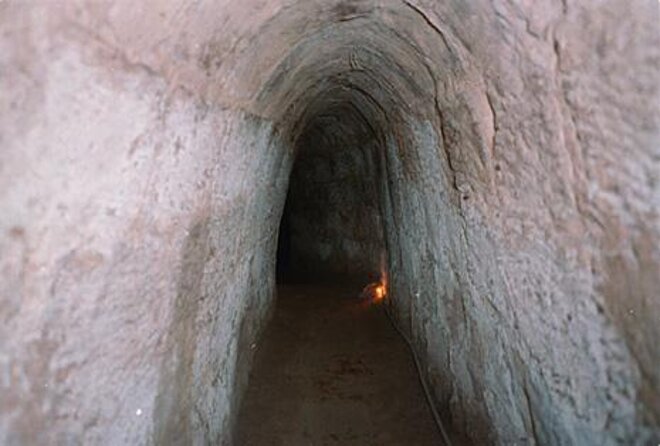
The Cu Chi Tunnels are a massive network—about 136 miles (220 kilometers)—built to support guerrilla operations during the American-Vietnam war. On this tour, you’re not trying to cover everything (no half-day tour can). Instead, the goal is to give you a clear, guided picture of how the tunnels functioned as an entire survival system.
The day starts with the drive from Ho Chi Minh City to Cu Chi, which takes about 60 km (around 1.5 hours) one way. That travel time matters because it shapes your pacing once you arrive. You’ll want to go in expecting a focused experience, not an all-day slow wander.
When you arrive, you watch a documentary about the Vietnam War. This is one of those parts that can feel like a “filler video” on some tours, but here it helps you connect what you’re about to see—trap systems, hidden spaces, and survival logic—rather than just snapping photos at tunnels.
You can also read our reviews of more guided tours in Ho Chi Minh City

Getting from Ho Chi Minh City: pickup and timing that can make or break the day
Pickup is part of the deal here, and that’s a big plus if you don’t want to figure out transport on your own. Still, the real-world detail is this: pickup instructions can vary by location, and the meeting point might not always be your exact hotel entrance.
Some people have run into pickup confusion—like getting a late message with a different pickup point, then having to walk to reconnect. To protect your day, I’d do two simple things: keep an eye out for messages the night before, and make sure you know where you should be at the stated time. If you’re in a busy area, add extra time to be early.
Also, be realistic about time budgeting. One review complaint was basically “too much road time,” with estimates around 4–5 hours driving time each way for their route. Even if your timing is better, the half-day format means you’ll feel the clock. Pick the morning tour if you want more breathing room and fewer fatigue surprises.
The documentary and your above-ground orientation before the tunnels
Before you get anywhere near the tunnel-related areas, the tour uses a documentary to set the scene. That matters because Cu Chi isn’t just a “tunnel attraction.” It’s a war technology and a way of life built around concealment, movement, and survival.
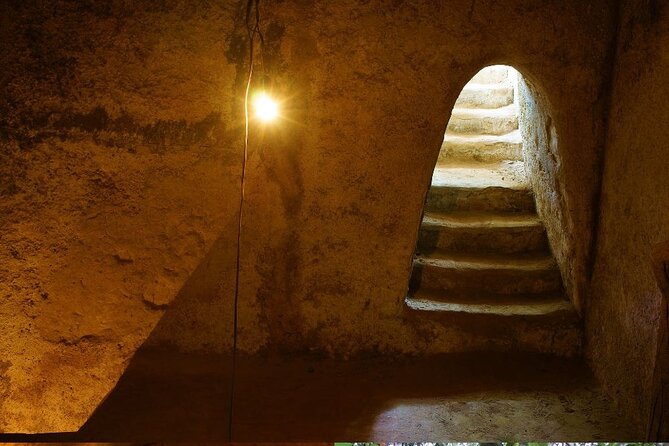
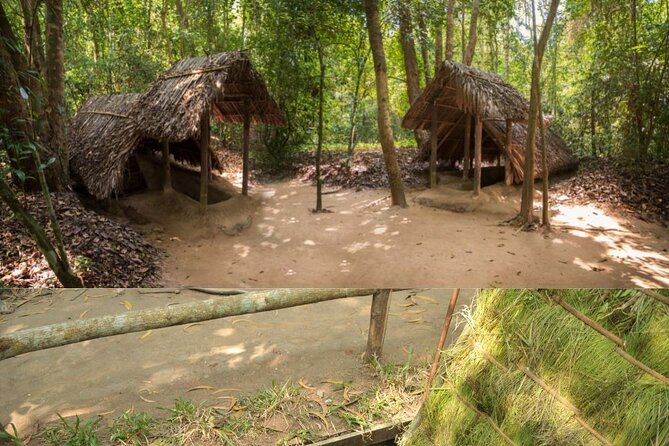
Once the story is set, you start exploring the specially built areas tied to tunnel living. These stops are designed so you can understand each function: how people cooked, stored supplies, slept, treated injuries, and coordinated from safer command spaces.
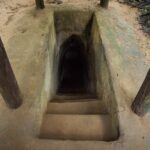
If you’re worried about claustrophobia, pay attention to how the tour frames it. The information provided notes that guests with claustrophobia should not be afraid of crawling inside, but you can still see it from above the ground. In other words, you may have options for viewing without going as far into confined areas—but the tunnels are still narrow by nature.
Living areas: kitchens, bedrooms, storage, hospitals, and command centers
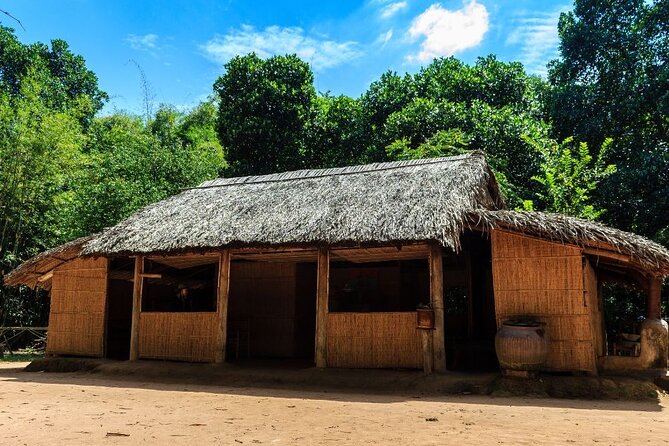
This tour’s tunnel experience is organized around “life inside” rather than only the tunnel walls. You’ll visit built areas that show the kinds of spaces guerrilla fighters needed: kitchens, bedrooms, storage, weapons factories, field hospitals, and command centers.
That set of topics is what makes the experience stick. It’s one thing to know tunnels existed. It’s another to see that they were designed for work—making and handling weapons, storing supplies, treating injuries, and keeping operations running even when bomb threats were real.
The guide’s role is central here. You’re listening to stories while you move through the maze-like layout, including details about what the tunnels were used for and how people adapted to constant danger. In the reviews, guides like Theo, Josh, and Andrew are called out for helping visitors connect history to what they were seeing—so you’re not just getting facts, you’re getting meaning.
Trap doors, dangerous traps, and handmade war tools

Here’s where Cu Chi stops being theoretical. The tour highlights that many things are hidden behind trap doors and built with dangerous traps inside the maze-like system. You’ll be guided to see how the tunnel layout supported stealth and how danger was engineered into the environment.
The tour also focuses on handmade weapons and traps used during the war. This isn’t presented as a thrill stop; it’s framed as survival engineering. You’re learning how guerrilla fighters turned limited resources into tools that could protect their movement and delay opponents.
This is also the part where a rushed schedule can feel annoying. If you’re the type who likes to take your time, keep in mind you’re on a half-day itinerary. The tour is structured to keep you moving so you can get back on schedule in time for the rest of your trip.
You can also read our reviews of more tours and experiences in Ho Chi Minh City


Bomb craters and why the tunnels matter even after you leave them
You’ll also be shown huge bomb craters in the area. That visual reminder helps the tunnels make more sense: the underground spaces weren’t a quirky choice. They were a response to intense bombardment and the need to keep living and fighting under pressure.
Even after you step back into daylight, the scale of the impact makes the day feel heavy. A half-day tour can’t do justice to everything that happened here, but it can give you a grounded sense of why tunnels were more than just hiding places.
And because this tour is guided, you’re not left to guess what each structure means. You get context while you’re still standing there, which is when it actually matters.
Pandan tea and tapioca: a snack stop with history attached

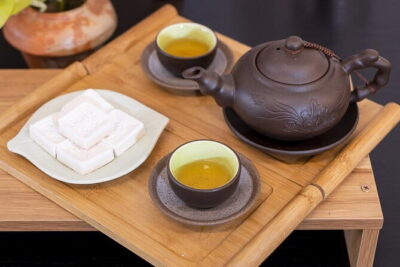
Before heading back, the tour includes pandan tea and tapioca—described as guerilla’s war food. It’s not a giant meal, but it’s a useful pause. After walking around war-related sites, you want something simple that helps you reset without fully breaking the mood of the day.
I like that this stop isn’t just a random refreshment. It’s tied to the tunnel-life story, so you leave with one more detail you can remember. The pairing also feels practical for the timing: something light enough that you’re not stuck eating forever before the drive back.
Optional shooting range: how the extra cost really works
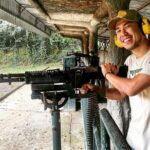
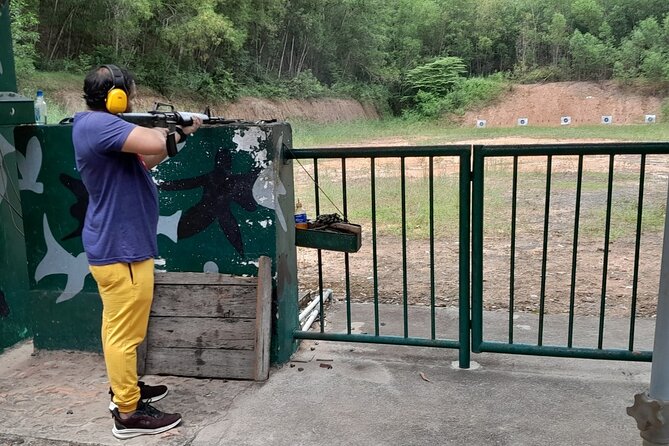
There’s an optional shooting range add-on where you can shoot AK47, M16, M30, and M60 guns, but it’s not included. The fee is 3 USD per bullet.
If you want this, plan it into your budget early. Per-bullet pricing can surprise people, especially if someone gets excited and keeps firing. If you don’t care about shooting, skip it and use the time you’d spend there to see more of the tunnel-related areas the tour already includes.
Small-group size and the guide experience (Theo, Josh, Andrew)
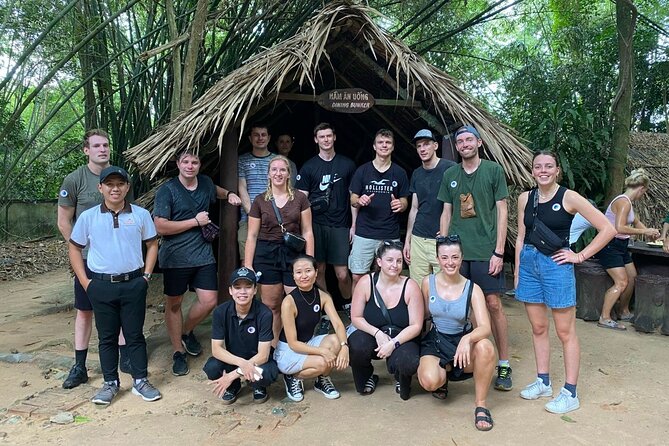
A maximum group size of 12 travelers makes a real difference at Cu Chi. You’re less likely to feel steamrolled by crowds, and your guide can actually spend time explaining what you’re looking at rather than shouting over everyone.
The reviews back this up with praise for guides who keep things moving while still teaching. Names that come up include Theo, Josh, and Andrew (from Papa Holidays). Even when people had minor issues with pickup, the guide quality and clarity were usually what brought the experience back on track.
So if you want more than a checklist tour, this small-group format is one of the strongest reasons to choose this option.
Price and value: is $25 a fair deal for half a day?
At $25 per person, this tour sits in the “good value” zone for Ho Chi Minh City day trips, especially because pickup and a guide are included. You’re also getting admission coverage as part of the experience package, plus the added refreshments (pandan tea and tapioca).
Where value can wobble is time. If your route ends up with very heavy road time, the “half-day” label can feel stretched. But if the drive is closer to the expected about 1.5 hours each way, you’re paying for guided time, not just a transportation service.
My take: the value is strongest if you show up ready to learn. If you mostly want photos and minimal explanation, you might feel like any guided tour adds “too much talk.” If you want history connected to what you see, the guide-led structure makes the price easier to justify.
Who should book this tour, and who should think twice
This tour suits you if you want a guided, structured visit to Cu Chi without committing a full day. The small-group size and English guide option are also great if you’re traveling with a schedule and don’t want to get stuck waiting for slower independent logistics.
It may be less ideal if you hate car time. One key complaint was basically long driving and limited time at the site. If you’re prone to motion sickness, fatigue quickly, or dislike long transit legs, consider whether you’d be happier with a longer day format.
On claustrophobia: the information says you can still see the site from above ground, but it also notes guests should not be afraid of crawling inside. If you know you can’t handle tight spaces, you should mentally plan for the “above ground” parts being your main option, and you may still feel uncomfortable simply being in the tunnel-related environment.
If you want to get the most from your visit, bring a mindset of respect and curiosity. This isn’t about thrill. It’s about understanding how people lived and adapted under extreme conditions.
Should you book? A practical decision guide
Book this tour if you want pickup, a small group, a guide, and a focused half-day that explains what you’re seeing at Cu Chi. The included documentary context, the tunnel-life stops (kitchens, bedrooms, hospitals, command centers), and the trap-and-technology focus give you a clear narrative instead of random tunnel photos.
I’d only hold off if your schedule can’t handle a long day on the road, or if you know claustrophobia will be a major issue even when you can view from above ground. If you’re flexible and curious, this is a strong way to experience Cu Chi without turning your day into an unplanned logistics problem.
FAQ
How long is the Cu Chi Tunnels guided experience?
The tour lasts about 5 to 6 hours, depending on timing and the half-day schedule.
Are hotel pickup and admission included?
Yes. Hotel pickup is offered, and admission tickets are included as part of the tour package.
What food is included during the tour?
The tour includes pandan tea and tapioca, described as guerilla’s war food, served before heading back to the city.
Is the shooting range included?
No. Shooting range costs extra at 3 USD per bullet. The AK47, M16, M30, and M60 options are available as part of that add-on.
What language is the guide in?
English is available. Languages other than English are provided only on private tours.
Is the tour suitable if I’m claustrophobic?
Most travelers can participate. The info notes that guests with claustrophobia should not be afraid of crawling inside, but you can still see it from above the ground.