REVIEW · HO CHI MINH CITY
Ho Chi Minh Most Historical Spots & War Museum Tour (Private & All-Inclusive)
Book on Viator →Operated by ForeverVacation · Bookable on Viator
Saigon’s war stories hit hard. This private, all-inclusive Ho Chi Minh City historical spots and War Museum tour is built around the museums and memorials that explain what happened, what was lost, and how the country remembers.
I like the structure: hotel pickup, an air-conditioned ride, and a clear run from morning history into an afternoon of important Saigon landmarks. I also like that the War Remnants Museum experience is set up to help you read what you’re seeing, including the museum-style audio system with numbered information you can trigger.
One caution: this is not a light-day. The War Remnants Museum can be graphic and emotionally heavy, with rooms that deal directly with war crimes and Agent Orange, so plan your mindset and pace.
In This Review
- Key highlights of this Ho Chi Minh history tour
- The day starts with hotel pickup and a history-first plan
- War Remnants Museum: the most intense part of your day
- What to expect in the rooms
- A drawback to plan around
- Thich Quang Duc Monument: protest remembered at street level
- Wat Chantaransay (Chùa Chantarangsay): Khmer culture and Theravada monks
- FITO Museum: traditional medicine in a modern setting
- When FITO Museum fits best
- The rest of the day: Saigon landmarks that explain the city’s layers
- Practical value: private pacing, not crowded stress
- Price and value: what $133 covers in real terms
- Who should book this tour, and who should think twice
- Should you book the private War-and-history day?
- FAQ
- What time does the pickup start?
- How long is the tour?
- Is this tour private?
- Is hotel pickup included?
- Are admission tickets included?
- Is lunch included?
- Does the tour use a mobile ticket?
- Where is the War Remnants Museum stop in the schedule?
- What happens if I need to cancel?
- Who is this tour for in terms of participation?
Key highlights of this Ho Chi Minh history tour
- Hotel pickup in Ho Chi Minh City with a private, English-speaking guide and air-conditioned transport
- War Remnants Museum admission included, with an audio setup that helps you match details to what you’re looking at
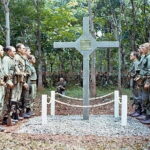
- Thich Quang Duc Monument: a quiet stop honoring the 1963 self-immolation protest by a Buddhist monk
- Chùa Chantarangsay (Khmer pagoda): free cultural time in a space tied to the Khmer community and Theravada monks
- FITO Museum admission included, with a traditional-meets-modern layout across many exhibition rooms
- A day paced to fit reality: lunch break scheduled and a return to your hotel after the afternoon sites
The day starts with hotel pickup and a history-first plan
This is the kind of tour that makes sense if you want one efficient day without spending hours figuring out logistics. It runs roughly 6 to 7 hours, and it begins with pickup from your hotel at around 9:00 AM (the exact time can shift depending on where you stay). Then you’re on your way in a comfortable, air-conditioned vehicle with an English-speaking guide.
The schedule is built around a core theme: war memory and historical context, followed by religious and cultural sites tied to Saigon’s layered story. That focus matters. In a city as busy as Ho Chi Minh City, it’s easy to collect random stops. Here, you get a sequence that helps the facts land.
You also get practical extras that make the day smoother: mobile ticket use is included, and admission is specifically covered for certain key places on the itinerary.
You can also read our reviews of more private tours in Ho Chi Minh City



War Remnants Museum: the most intense part of your day
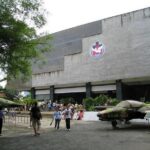
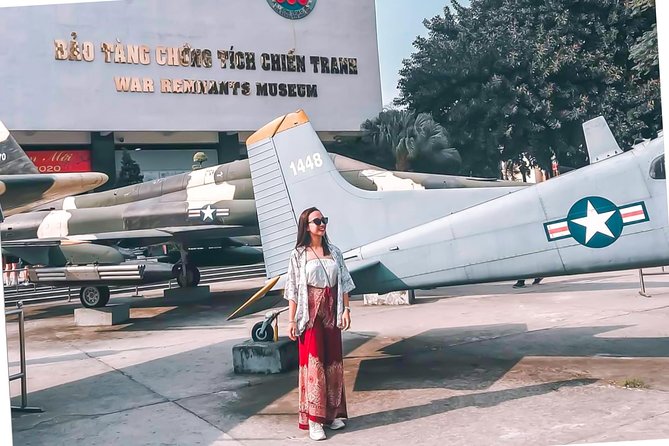
The morning centers on the War Remnants Museum, with entry time scheduled for about 9:20 AM. The museum opened to the public in 1975, and it was previously known as the Museum of American War Crimes—a clue to the tone you’re walking into.
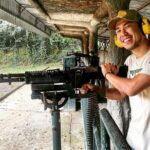
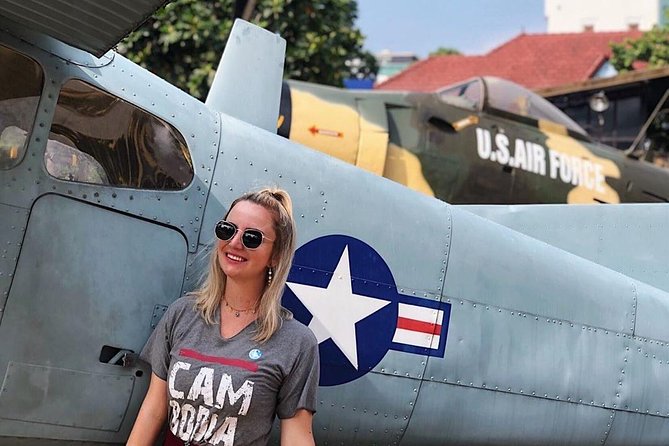
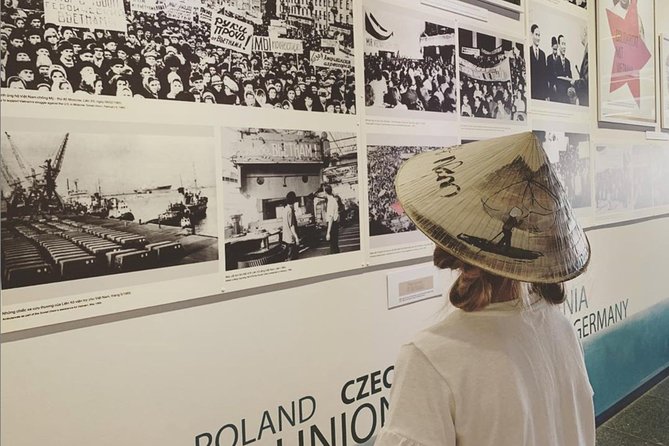
This museum is designed to show you evidence, not just feelings. You’ll see powerful displays with planes and guns that help make the war feel concrete and real. The setup is also helpful for comprehension: one of the standout features is the museum audio approach where you can use earphones and press a number to get information linked to the view in front of you. That means you’re not just looking at photos—you’re guided through what each part is meant to show.
What to expect in the rooms
Some of the rooms are described as a punch in the gut. That includes sections dealing with war crimes and Agent Orange. If you’re sensitive to graphic imagery, this is the moment to slow down and take breaks. If you prefer to process step-by-step, it helps to listen, then pause, then move on.
I like that the museum doesn’t pretend history is tidy. Even if you already know a lot from books or documentaries, the museum tends to add weight through organization, photos, and on-site documentation.
A drawback to plan around
The main downside is also the main reason to come: it can be confronting for a full visit. You’ll want to dress for comfort (you’ll be on your feet), and it’s smart to carry water. If you’re coming from a long travel day, this museum will still feel like the emotional center of gravity.
Thich Quang Duc Monument: protest remembered at street level

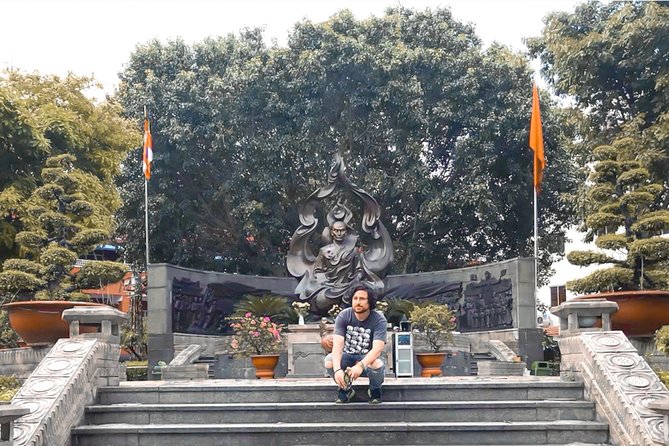
After the museum, the tour moves to a memorial site tied to a moment that made global headlines: The Venerable Thich Quang Duc Monument. It’s scheduled for about 1:00 PM.
This stop is dedicated to the Buddhist monk Thich Quang Duc, who self-immolated in 1963 as a protest at an intersection not far from what is now the Reunification Palace (formerly the Presidential Palace). Unlike a museum room where the story is framed behind glass, this is public space. You experience it by standing there and seeing the location for what it is: part of the city where history happened.
I find this kind of stop useful because it changes your understanding from timeline to lived place. War isn’t just dates—it’s decisions, actions, and people whose choices ripple outward.
The monument time is short—around 20 minutes—which is perfect if you want a pause without turning your whole day into a long vigil.
You can also read our reviews of more historical tours in Ho Chi Minh City




Wat Chantaransay (Chùa Chantarangsay): Khmer culture and Theravada monks
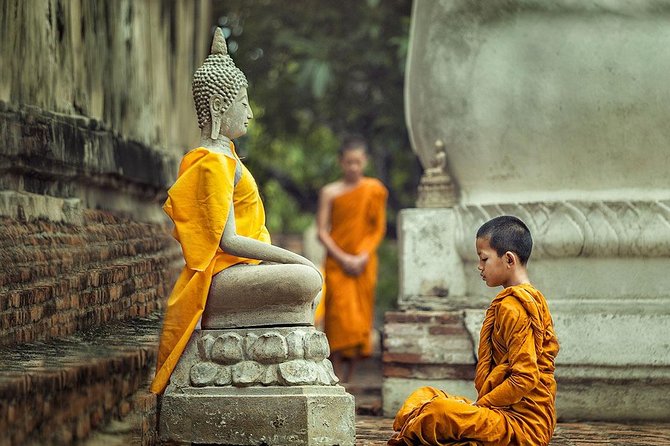
Next comes a change of mood. You head to Chùa Chantaransay (also listed as Wat Chantaransay). Your schedule places this around 1:30 PM, and it’s a free stop.
This pagoda is a religious and cultural haven for the Khmer people in southern Vietnam. Another detail that makes it interesting: it also houses monks from the Theravada sect, described here as the most ancient branch of Buddhism. So you’re not only visiting a pretty building. You’re stepping into a place tied to a specific community within Vietnam’s south.
This stop works as a mental reset after the War Remnants Museum. You go from documentation and shock to quiet space and religious routine. It also helps you see Saigon as more than war-era headlines.
FITO Museum: traditional medicine in a modern setting
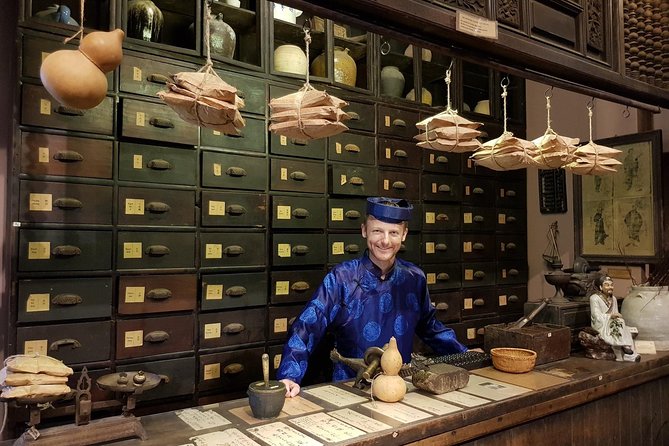
Then you shift into FITO Museum, scheduled for about 2:30 PM. Admission is included for this part.
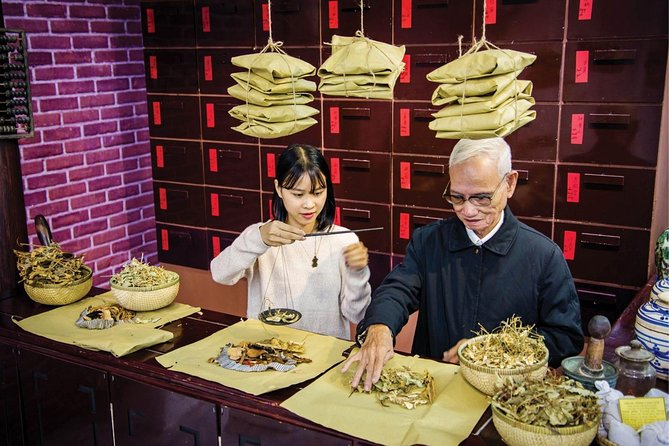
The FITO Museum is described as a blend of traditional and modern architecture. It’s spread over one ground floor and five upper floors, with 18 exhibition rooms, which tells you right away this isn’t a quick hallway. You’ll have time—about 1 hour—to see a structured presentation of traditional medicine and pharmacy culture.
One detail I’d pay attention to if you like visual crafts: the museum includes delicately carved wooden pictures. That matters because medicine history can be hard to visualize. Here, design and objects help you connect what you’re learning to what the culture made and valued.
When FITO Museum fits best
This museum is a good match if you want your day to include something local and practical rather than only conflict. It helps explain that history isn’t just what happened in politics and war. It’s also how people lived, treated illness, and passed knowledge through generations.
The rest of the day: Saigon landmarks that explain the city’s layers
This tour is sold as a “most historical spots” day, and the afternoon time slots are often where guides build in major central-city sights that connect to the story you started with. Even when your schedule includes the core museums and memorials, you’re typically in the zone for classic District 1 and nearby areas.
Some of the historically framed stops that may appear in this kind of route include:
- Reunification Palace, tied to Ngo Dinh Diem (his base until his death in 1963) and the famous moment in 1975 when a tank crashed through the main gate.
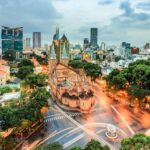
- The Saigon Central Post Office (built 1886–1891) with Gothic, Renaissance, and French colonial design. It’s also a good place to clear up a common myth: the Eiffel credit is described as a misunderstanding.
- The Saigon Opera House, a colonial-era building at Le Loi and Dong Khoi that sits near landmarks like the Notre-Dame Cathedral and the Central Post Office.
- Dong Khoi Street, historically known as Rue Catinat during French occupation, centered on glamour and city life at the time.
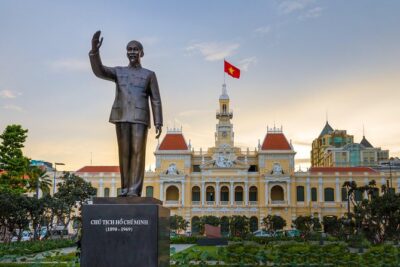
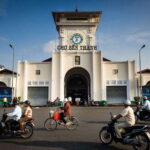
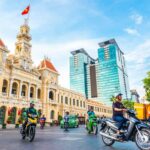
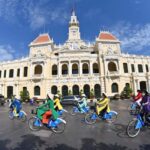
- Ho Chi Minh Square and its surrounding French colonial-style buildings, anchored by a statue of Uncle Ho.
I like this mix because it turns your history day into a “see it where it happened” day. Instead of treating museums like sealed containers, you start linking what you learn to the streets that still carry the city’s older design.
Practical value: private pacing, not crowded stress
This is a private tour, meaning only your group participates. That matters in Ho Chi Minh City. You avoid the stop-and-start rhythm of larger groups, and you can move at a pace that matches your comfort level—especially important when one stop is emotionally heavy.
Transport is also a big part of the value. The tour uses a comfortable, spacious air-conditioned vehicle, and it includes pickup directly from your hotel. In a city where heat and traffic can drain your energy fast, that comfort helps you stay focused on the history instead of the logistics.
There’s also a planning benefit: the schedule gives you a clear rhythm with lunch around 11:30 AM, and then you’re back to your hotel afterward (around 4:30 PM, depending on your location).
Price and value: what $133 covers in real terms
At $133 per person for a private, all-inclusive style tour, you’re paying for three main things:
- Time-savers: hotel pickup and a structured sequence of key sites
- Admission coverage where it matters: War Remnants Museum and FITO Museum have admission included; other stops like the Thich Quang Duc Monument and Chantaransay pagoda are listed as free
- Guide interpretation: the value isn’t just knowing facts. It’s having someone help you connect why a place matters and what to look for while you’re there
For a day built around one major museum plus additional memorial and cultural stops, this price is more reasonable than it looks at first glance—especially if you’d otherwise pay separately for admissions, taxis, and a guide.
One note: because the tour is private, the value improves if you’re traveling as a small group and want a custom pace.
Who should book this tour, and who should think twice
Book it if:
- You want a single day that explains Vietnam War memory through the War Remnants Museum plus additional context sites
- You like guided structure and want the day to run on a timetable
- You want history plus culture, not just one museum and a photo stop
Think twice or plan carefully if:
- You know you’re sensitive to graphic content. The War Remnants Museum includes hard topics like war crimes and Agent Orange
- You prefer light, scenic sightseeing only. This is history-forward with emotionally intense material
If you want a balanced day, that’s possible here because the itinerary includes spiritual and cultural stops afterward. But you still start with the heaviest anchor.
Should you book the private War-and-history day?
I’d book this tour if your goal is clarity and context. The War Remnants Museum is the core experience, and the audio approach helps you absorb what you’re seeing. Add in a memorial connected to Thich Quang Duc and a Khmer pagoda stop, and you get more than one angle on what Vietnam carries in public memory.
I wouldn’t book it if you’re trying to avoid emotional intensity. This day is built to confront.
If you do book, go in with two tactics: wear comfortable shoes, and give yourself permission to pause during the hardest rooms. The payoff is a Saigon day where history doesn’t stay abstract.
FAQ
What time does the pickup start?
Pickup is scheduled for 9:00 AM, though the exact pickup time can vary depending on your location.
How long is the tour?
The tour runs about 6 to 7 hours.
Is this tour private?
Yes. It’s a private tour/activity, so only your group participates.
Is hotel pickup included?
Yes. The tour offers pickup directly from your hotel by an English-speaking guide.
Are admission tickets included?
Admission is included for the War Remnants Museum and FITO Museum. The Thich Quang Duc Monument and Chùa Chantaransay are listed as free.
Is lunch included?
Lunch time is scheduled around 11:30 AM, but the information provided only confirms a lunch break in the schedule.
Does the tour use a mobile ticket?
Yes. A mobile ticket is included.
Where is the War Remnants Museum stop in the schedule?
It’s scheduled for about 9:20 AM.
What happens if I need to cancel?
You can cancel up to 24 hours in advance for a full refund.
Who is this tour for in terms of participation?
The tour says most people can participate, and it is near public transportation.