REVIEW · HO CHI MINH CITY
Saigon at Sunset: Ultimate Street Food Experience
Book on GetYourGuide →Operated by Intrepid Urban Adventures - Asia · Bookable on GetYourGuide
Saigon at sunset is when the city starts tasting like a story. This 3-hour small-group street food walk helps you eat your way through key flavors of Ho Chi Minh City, with a local guide linking each bite to the culture behind it. I love how the tour pairs classic dishes like Hu Tieu Bo Kho with the history of Chinese influences on Vietnamese cooking. I also like the ending: a proper sweet finale of traditional caramel flan after street-style snacks and beer.
One heads-up: you’ll walk around about 2.5 km (1.5 miles) on uneven sidewalks, and dietary options are limited beyond the stated gluten-free/vegetarian accommodation.
If you want Saigon food that feels earned, not ordered from a menu, this is a smart way to do your first evening. Just go in with your appetite and comfortable shoes.
In This Review
- Key highlights that make this tour worth your evening
- Why sunset street food in Ho Chi Minh City hits different
- Starting at the Fine Arts Museum and getting oriented fast
- The opening bites: Hu Tieu Bo Kho and xa xiu with food-history context
- Thien Hau Temple: a calm, meaningful break mid-walk
- Saigon-style coffee at a local café (not a tourist shortcut)
- Pham Ngu Lao Street: where the tour shows you the crowd
- Grilled meat, beefy snacks, and the pace of real street eating
- Street beer with peanuts and rice crackers: the social part
- The sweet finale: caramel flan that resets your palate
- Price and value: getting a lot of real eating for $29
- What guides get right (and why that shows up in reviews)
- Walking logistics: 2.5 km and how to make it comfortable
- Who should book this street food sunset tour?
- After the tour: using what you learned to keep exploring
- Should you book it?
- FAQ
- How long is the Saigon at Sunset street food tour?
- Where does the tour start?
- What food and drinks are included in the $29 price?
- How much walking is involved?
- Can the tour accommodate dietary requirements?
- Is it suitable for children?
Key highlights that make this tour worth your evening
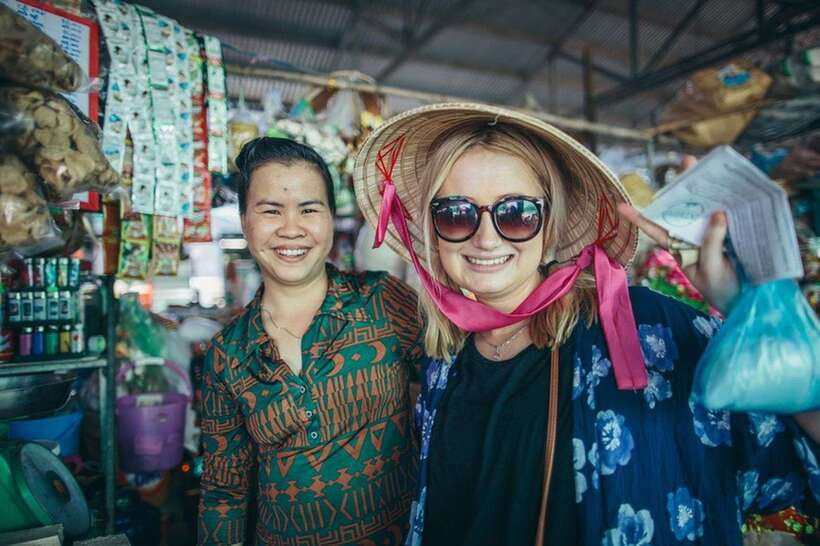
- Hu Tieu Bo Kho + xa xiu: you start with two fan-favorite dishes and learn why Chinese flavors show up in Vietnamese street food.
- Thien Hau temple stop: history on the way to dinner, not history in a classroom.
- Saigon-style coffee at a local-known café: a small pause that feels like locals are leading you, not tourists.
- Grilled beef meatball snack (bo cuon mo chai) and other street icons: variety without turning your night into a food marathon you can’t finish.
- Street beer with peanuts and rice crackers: the social rhythm of Saigon, explained and served.
- Caramel flan finale: silky crème caramel to close out the flavors cleanly.
Why sunset street food in Ho Chi Minh City hits different
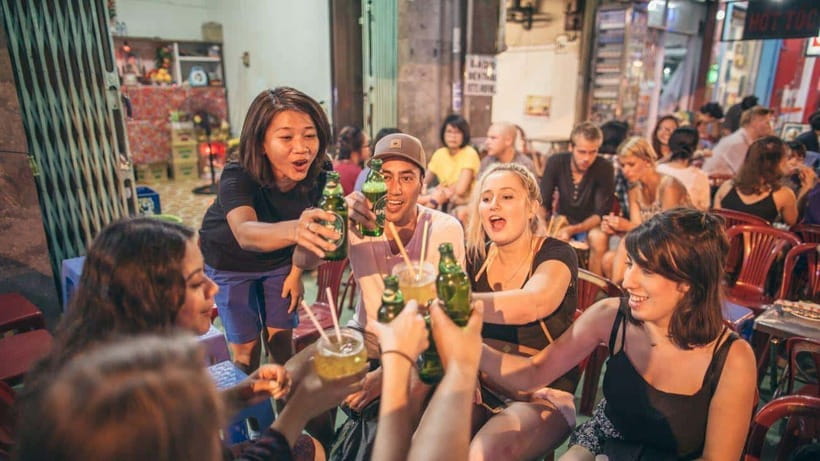
Sunset in Saigon is prime time for street eating. The air cools a bit, the shops switch from daytime routines to evening service, and the streets start buzzing with regulars—not just passersby. That timing matters because street food is built around momentum: fast cooking, quick eating, and fresh batches that taste best right when the stalls are fully awake.
This tour leans hard into that “you’re in the city” feeling. You’re not just sampling food in isolation. Your guide connects what you’re eating to where it shows up in daily life, and you move at a pace that stays fun instead of frantic. The group size stays small (up to 12), which means you get answers to questions and enough attention to handle the ordering without stress.
The big plus for most people is that it gives you instant confidence. You walk into places you might otherwise skip—because the menu is confusing, the setup feels casual, or you’re not sure what’s safe or worth trying. Here, you’re led to choices that match the route’s logic and the local crowd.
You can also read our reviews of more food & drink experiences in Ho Chi Minh City

Starting at the Fine Arts Museum and getting oriented fast
Your evening begins at the Ho Chi Minh City Museum of Fine Arts on 97A Pho Duc Chinh Street (District 1). The tour includes a short guided intro there, which may sound random until you realize what it does for your night: it gives you a baseline for understanding the city before you sprint into the food lanes.
That first stop also helps with pacing. You’re not thrown into a stomach-stapling schedule right away. You get a quick orientation, then the tour flows into District 1 walking and tasting. For first-timers, that’s a real quality-of-life upgrade. You leave the museum area feeling like you can read the streets instead of guessing.
If you’re the type who likes to understand the why behind the where, you’ll appreciate that the route isn’t just “eat, repeat.” Your guide sets up each next bite with context, so even the surprises feel planned.
The opening bites: Hu Tieu Bo Kho and xa xiu with food-history context
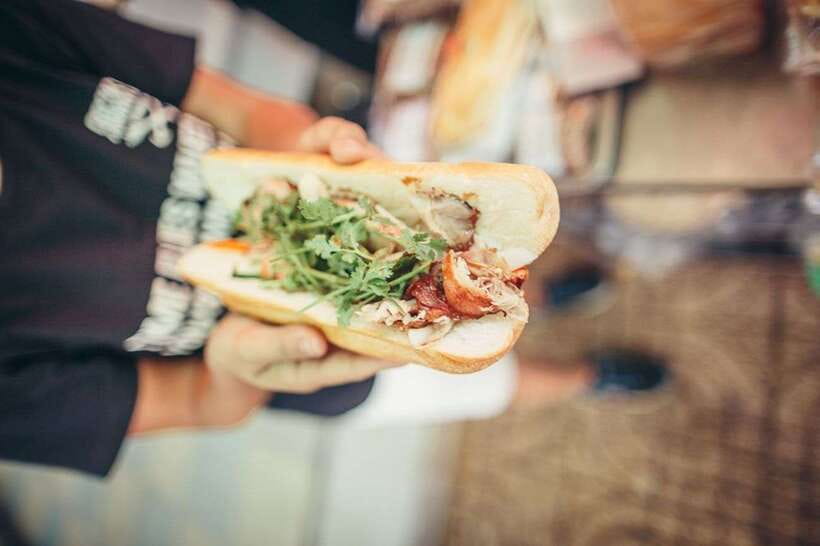
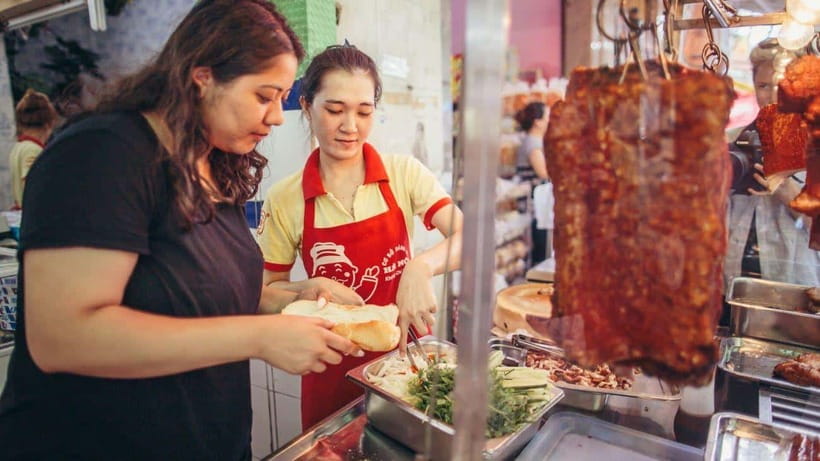
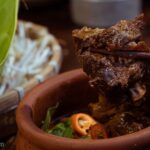
The tour’s start is built around two classics: Hu Tieu Bo Kho (beef stew noodles) and xa xiu (Cantonese-style BBQ pork). These aren’t random starters. They work as a flavor lesson.
You’re guided to notice how Vietnamese street food keeps adapting, not copying. Chinese-style flavors show up in Vietnamese favorites, and the guide explains how those influences traveled and got reworked on local terms. You don’t need a textbook. The structure is simple: eat, compare, then learn what shaped the taste.
In plain terms, Hu Tieu Bo Kho gives you comfort-meets-depth—noodles and a beef stew that tastes like it has been simmering long enough to earn its place. Xa xiu adds a different dimension: sweet-savory BBQ notes that make it obvious why Cantonese influences matter here.
If you’re worried about street food being too unfamiliar, this opening combo helps you warm up. It gets you comfortable with the idea that the best choices aren’t necessarily the most “dramatic.” They’re the ones locals line up for.
Thien Hau Temple: a calm, meaningful break mid-walk
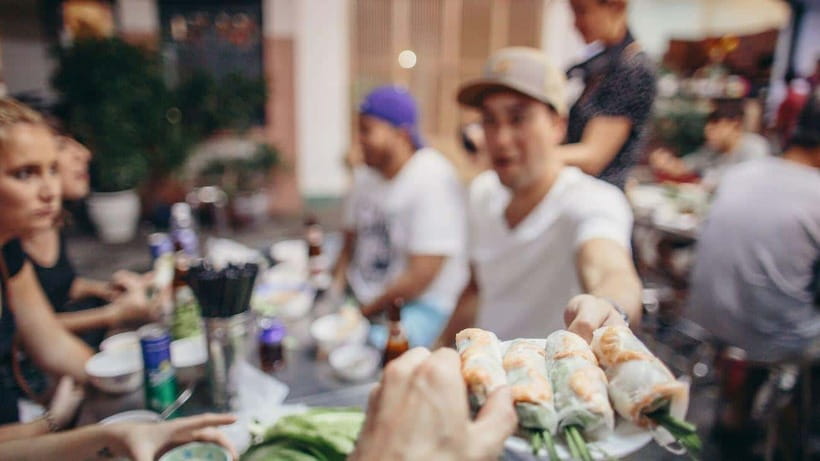
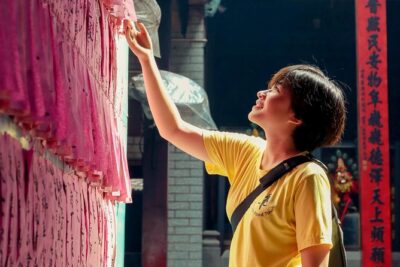
Next comes Thien Hau Temple, where you stop for a guided visit and sightseeing. This part works because it’s not just a background photo stop. It changes the tempo of the evening. You go from food-choice decisions back to a slower pace, which makes the next meals feel even more rewarding.
You also get a sense of how religion and everyday life blend in Saigon neighborhoods. Street food isn’t separate from the city’s rhythms. It lives alongside them.
The temple stop is also a helpful reset for anyone who tends to feel rushed on walking tours. Even if you’re not the big-architecture type, you’ll still come away with that “I understand the area a bit more” feeling.
Saigon-style coffee at a local café (not a tourist shortcut)
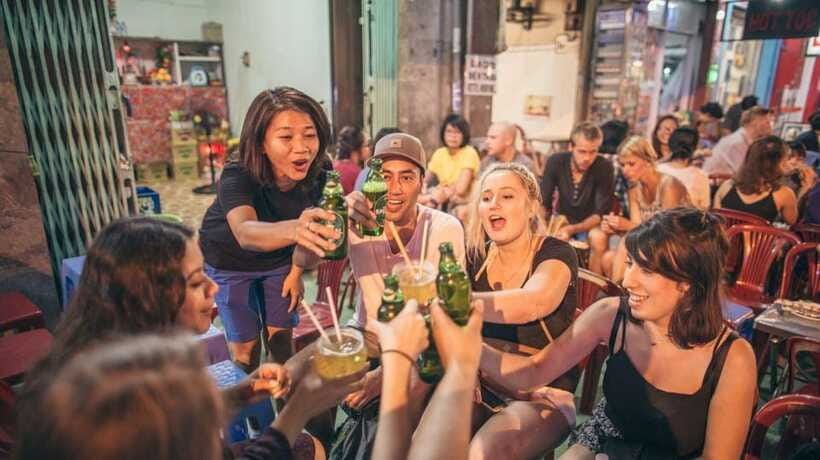
After Thien Hau, you sip Saigon-style coffee at a hidden café loved by locals. This is the kind of stop that makes a tour feel local in a real way, because it’s not just about the coffee. It’s about the pause and the atmosphere.
Coffee in Saigon isn’t treated like a quick drink you swallow and forget. It’s part of the daily rhythm—often sweet, often strong, and usually served with enough personality to make you slow down for a minute.
For readers, this stop is practical too. It breaks up the “eat-eat-eat” pattern so your later street snacks don’t hit like an overstuffed regret.
You can also read our reviews of more tours and experiences in Ho Chi Minh City

Pham Ngu Lao Street: where the tour shows you the crowd
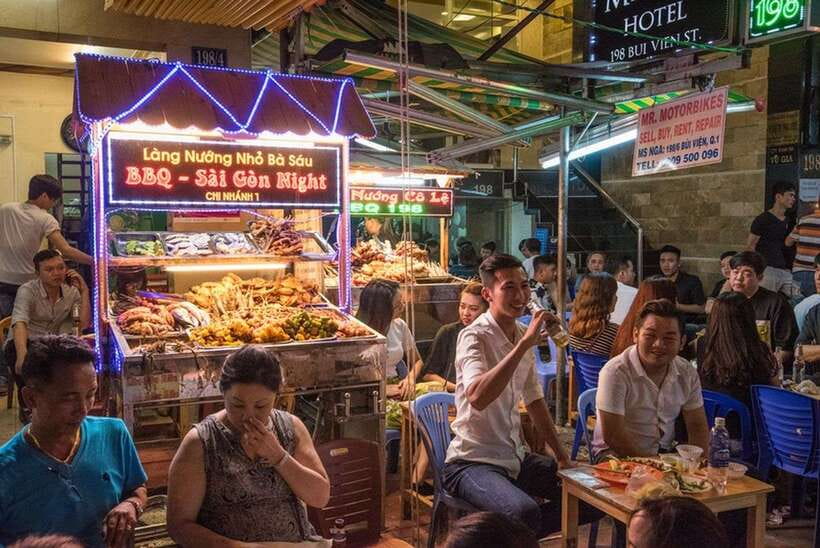
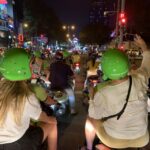
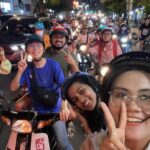
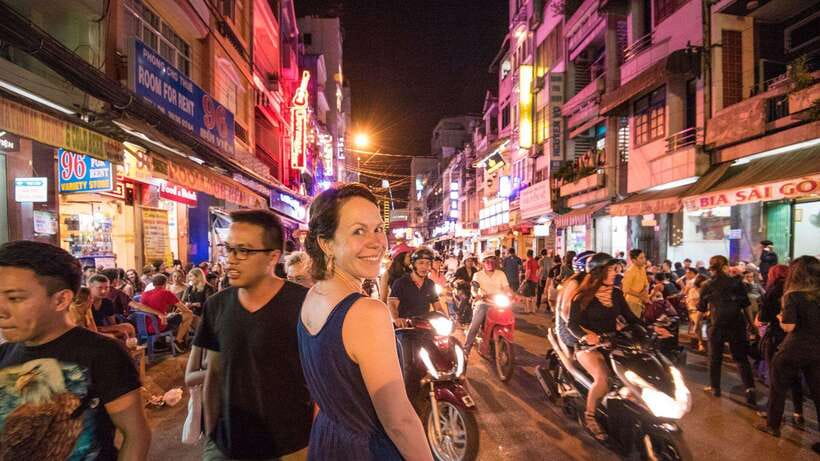
You’ll then head to Pham Ngu Lao Street, with a guided sightseeing and walking segment. This area can feel busy, and that’s sort of the point. You’ll see how the street-food world sits near the parts of Saigon that attract visitors and movers.
What I like about this segment is that it’s not a lecture about traffic or crowds. Your guide helps you understand what you’re seeing and why certain foods fit where they fit.
It’s also a practical setup for the next round of tastings. The route keeps moving, but you’re not left wondering what’s coming next.
Grilled meat, beefy snacks, and the pace of real street eating
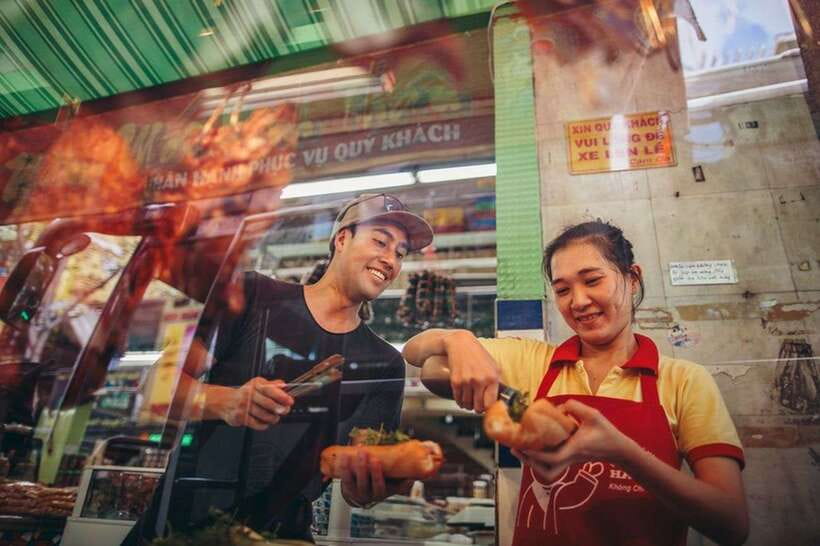
The middle stretch is where the tour stops feeling like a “walk with snacks” and starts feeling like a proper street-food evening. You’ll try additional dishes such as bo la lot (barbecued minced beef) and bo cuon mo chai (grilled beef meatballs bursting with flavor).
These dishes matter because they show the texture variety that street food does so well. One stop might lean aromatic and grilled; another might feel saucy and noodle-based; another might be bite-sized and intense. That variety keeps you engaged, and it also helps you learn what you genuinely like instead of guessing.
You’ll also get the guide’s cultural stories and ordering know-how. A good tour guide isn’t just explaining ingredients. They help you choose confidently and stay comfortable while you eat around active stalls and passing scooters.
Street beer with peanuts and rice crackers: the social part
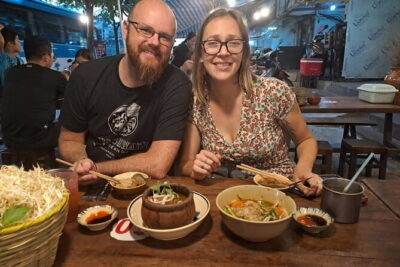
As night deepens, you shift into a more social style of local eating. You’ll join the locals for street beer paired with peanuts and rice crackers. This is one of those moments that makes the whole tour feel less staged.
Beer with peanuts is a classic street pairing because it keeps you chewing and chatting. It also gives you a chance to slow down and enjoy the atmosphere, not just chase the next dish.
Some of the best-rated parts of this kind of tour are exactly this: the sense that your guide knows the right spots where locals actually hang out. You don’t feel like you’re only eating “for the tourist value.” You’re part of the regular scene for a couple hours.
The sweet finale: caramel flan that resets your palate
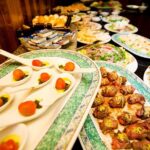
By the end, you land on traditional Vietnamese caramel flan, a silky crème caramel finish that cleans up the flavors. This matters more than it sounds. When your last savory bite is rich, a sweet ending can either feel like a heavy crash or a satisfying reset.
Caramel flan works because it’s smooth and light enough to end the meal without ruining the rest of your evening plans. It’s also a classic dessert that tells you a lot about Vietnamese comfort flavors—sweet, creamy, and not overly complicated.
If you’re tempted to skip dessert because you feel stuffed, don’t. This stop is the tour’s built-in payoff, and it’s often what makes the meal feel complete instead of random.
Price and value: getting a lot of real eating for $29
At $29 per person, this tour is priced like an entry-level “food intro,” not a luxury tasting menu. And that’s how it performs: you get multiple stops, multiple tastes, coffee or tea, and beer or soft drink with peanuts/rice crackers—plus guided context that helps you make sense of what you’re eating.
The real value is the combination:
- You eat several iconic street foods you might not choose alone.
- You get ordering help and pacing so you don’t waste time.
- You get local stories that make the flavors stick in your memory.
One fair consideration from the four-star side of the scale: a few people felt the portions and number of dishes didn’t always feel like they needed to be more for the price. That can happen with street-food sampling tours—sometimes you get a lot of variety but not the “every dish is a full meal serving” feeling.
My practical take: if you like sampling and learning, this is a very good deal. If you’re a big eater who wants maximum quantity per stop, you may want to plan a separate post-tour snack or dinner.
What guides get right (and why that shows up in reviews)
The most praised element is the guide. People repeatedly highlight that guides are friendly, funny, and genuinely local—along with strong English. Names like Thao, Dave, Nancy, Duy, Tan, Fu, Sunny, Luong, and Tri come up in standout feedback, but the pattern is what matters: the guide doesn’t just recite facts.
You’ll likely get:
- Help navigating ordering at street stalls.
- Clear explanations of why Chinese and Vietnamese flavors intersect.
- A steady, safe feeling while you walk through active streets.
- Plenty of chances to ask questions and talk with the group.
In a city where food choices can feel like a test, that guidance is worth its weight in napkins. Even if you already know what you like, your guide helps you avoid the misses that come from guessing.
Walking logistics: 2.5 km and how to make it comfortable
You’ll walk about 2.5 km (1.5 miles) total. That’s not an epic hike, but it adds up in an evening because you’ll stop often, then move again. Bring comfortable footwear. If you’re used to smooth sidewalks, this part can feel rougher than expected.
Also plan for typical street conditions: busy crossings, small stairs, and standing-room eating. The tour’s small-group setup helps here, because you’re not trying to squeeze through crowds as a herd.
If you’re sensitive to heat, bring a bottle of water and consider wearing breathable layers. The pace is lively, and Saigon weather can turn a “short walk” into sweat work.
Who should book this street food sunset tour?
This tour fits best if you:
- Want a first-night or early-arrival food plan for Saigon.
- Like street food but don’t want to gamble on where to go.
- Enjoy cultural stories connected to what you’re eating.
- Prefer a small group (up to 12) with a guide you can actually talk to.
It’s less ideal if you:
- Can’t handle light to moderate walking.
- Need specific dietary requirements beyond gluten-free or vegetarian, since options are limited and other needs can’t be accommodated.
- Are traveling with children under 6, since the tour isn’t suitable for them.
After the tour: using what you learned to keep exploring
One of the quietly useful parts of this experience is that you don’t end with just a full stomach—you end with street confidence. Your guide shares insider tips and helps with taxis so you can keep exploring Saigon after the tastings wind down.
When you know the neighborhoods and you understand what to look for, you waste less time the rest of your trip. You also make better choices the next day—because you’re no longer treating every stall as a mystery.
The tour ends with drop-off options around Đường Đề Thám (District 1), so you’re placed well for continuing through central Saigon.
Should you book it?
I think you should book this if you want an evening that feels like a local’s food route, not a checklist of restaurant stops. The combination of classic dishes (Hu Tieu Bo Kho, xa xiu), temple sightseeing, Saigon-style coffee, street beer with peanuts, and a proper caramel flan finale is a strong match for a 3-hour outing.
Also: the guide quality seems consistently high. That matters, because in street food, the guide is half the meal.
Book it especially if it’s your first time in Saigon. You’ll leave with a sense of what to eat next, where to go, and how to order without stress.
FAQ
How long is the Saigon at Sunset street food tour?
The tour lasts about 3 hours, listed as 210 minutes.
Where does the tour start?
It starts at the Ho Chi Minh City Museum of Fine Arts, 97A Pho Duc Chinh Street, District 1.
What food and drinks are included in the $29 price?
You’ll get food samples such as Hu Tieu Bo Kho, xa xiu, bo la lot, traditional Vietnamese caramel flan, plus coffee or tea and beer or soft drink with peanuts or rice crackers.
How much walking is involved?
You’ll walk approximately 2.5 km (1.5 miles) during the tour, and comfortable footwear is recommended.
Can the tour accommodate dietary requirements?
The operator can cater to gluten-free and vegetarian diets with limited options if you provide details at least 24 hours before the tour. Other dietary requirements can’t be accommodated.
Is it suitable for children?
It is not suitable for children under 6 years old.