REVIEW · HO CHI MINH CITY
2-Day Mekong Delta with Cai Cang Floating Market from HCM City
Book on Viator →Operated by Hana Tourist Vietnam · Bookable on Viator
Mekong mornings can start at the edge of night. This 2-day small-group trip works because it pairs hassle-free transfers with real boat-and-kayak time on the canals, not just a quick photo stop. I also like that you get an English-speaking guide plus hands-on food experiences, including a cooking class. One drawback: you’ll face early starts and long driving days, so plan for tired legs and pack comfy clothes.
You’ll move through the Mekong the way locals do: floating markets, craft and food stops, then quieter countryside around rice paddies and a stork sanctuary. The best part is the mix—market energy, then slower waterways—so your day doesn’t turn into one long blur of stalls.
In This Review
- Key Points You’ll Care About Before You Go
- Why This 2-Day Mekong Plan Works So Well
- Ho Chi Minh City Pickup: Easy Start, Smooth Return
- Cai Be Floating Market Day One: More Than Market Photos
- The one thing to consider on day one
- Boat Trip, Biking, and Kayaking: How You Actually Get a Feel for the Mekong
- Cai Rang Floating Market Morning on Day Two
- What to keep in mind
- Stork Sanctuary and Rice Paddies: A Calm Slot in the Middle
- A practical consideration
- Cooking Class: Turning What You See Into What You Can Make
- Overnight: 4-Star Hotel or Home-Stay Night
- Price and Value: What $245 Really Buys
- Who This Tour Suits Best (And Who Should Think Twice)
- What to Pack for Boat, Bike, and Kayak Days
- Should You Book This 2-Day Mekong Delta Tour?
- FAQ
- What is the duration of the Mekong Delta 2-day tour?
- How much does the tour cost?
- Where does the tour start and end?
- What meals are included?
- What activities are included?
- Is there an overnight stay?
- How big is the group?
- What’s not included in the tour price?
- Final Thought
Key Points You’ll Care About Before You Go
- Small group (max 10): easier to hear your guide and keep the day from feeling rushed.
- Cai Be + Cai Rang floating markets: two classic market styles across the delta, not just one.
- Boat trip plus biking and kayaking: you’ll cover more water and backcountry than most day trips.
- Stork sanctuary near rice paddies: a calmer change of pace from market crowds.
- Included meals and an overnight stay: breakfast, two lunches, plus one night in a 4-star hotel or home-stay with dinner.
- English-speaking guide and brand new minivan: fewer logistics headaches, more time for the experience.
Why This 2-Day Mekong Plan Works So Well
The Mekong Delta can feel overwhelming if you try to do it all on your own. This tour gets the hard parts handled: getting you from Ho Chi Minh City, scheduling market time, and building in active experiences like biking and kayaking. That turns “I want to see the Mekong” into a clear, doable two-day route.
I also like the structure because it keeps you moving between different kinds of scenes:
- crowded floating markets
- village and food-production stops
- quieter paddies and sanctuary time
- hands-on cooking
The day-to-day flow matters on the Mekong because travel time is real. The route runs roughly 12 hours on day one and about 10 hours on day two, so you’re committing to the full delta experience rather than cherry-picking one stop.
You can also read our reviews of more city tours in Ho Chi Minh City

Ho Chi Minh City Pickup: Easy Start, Smooth Return
You’ll get picked up from a central meeting point in District 4 at 7:30 AM on day one. That early start is part of the deal with floating markets, and it’s also how the tour keeps things from feeling chaotic once you reach the waterways.
On both days, the transport piece is handled with a brand new minivan, drinking water, and a guide who speaks English. There’s also a mobile ticket, which keeps check-in simple. And the tour ends back at the meeting point in the same area where you started.
If you hate wasting vacation time on paperwork, waiting around for the van to fill up, or trying to connect buses, this setup is a big win.
Cai Be Floating Market Day One: More Than Market Photos
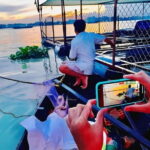
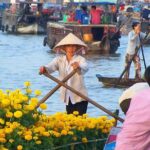
Day one is built around Cai Be Floating Market, with pick-up at 7:30 AM and a long day that helps you see more than one type of activity. Cai Be is a chance to watch everyday trade from the water, where baskets, goods, and local boats create a moving picture that feels practical instead of staged.
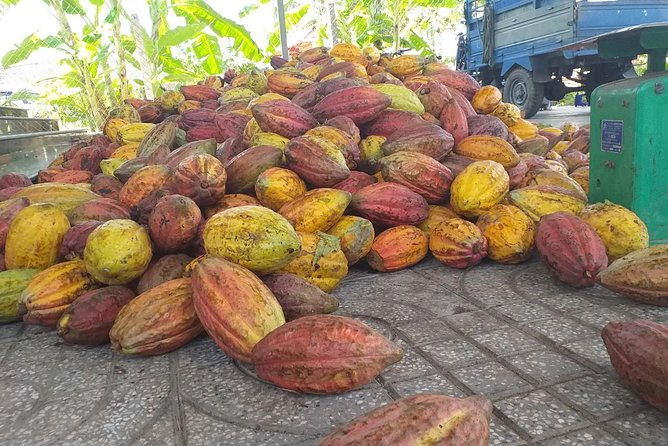
What makes this stop more interesting is the pairing with food and craft visits. You’ll also visit a chocolate workshop at Kimmy Chocolate Manufacture, which adds a modern Vietnam detail to an otherwise classic canal day. Then there are traditional product stops—think items made like popped rice cakes—the kind of snack production that locals treat as normal daily work.
This is the kind of stop that’s worth your time because it answers a simple question: how do these ingredients become the foods you’ll see at markets? Even if you don’t buy much, you’ll understand what you’re looking at when you’re later on a boat or tasting dishes in the delta.
The one thing to consider on day one
Day one is long (roughly 12 hours). If you’re sensitive to long travel days, this is where you’ll feel it most. Wear layers because early morning can be cooler, but the van ride plus sun later on can turn warm fast.
Boat Trip, Biking, and Kayaking: How You Actually Get a Feel for the Mekong
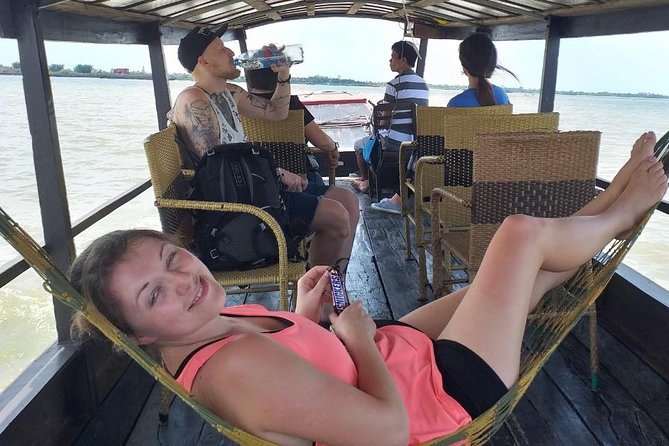
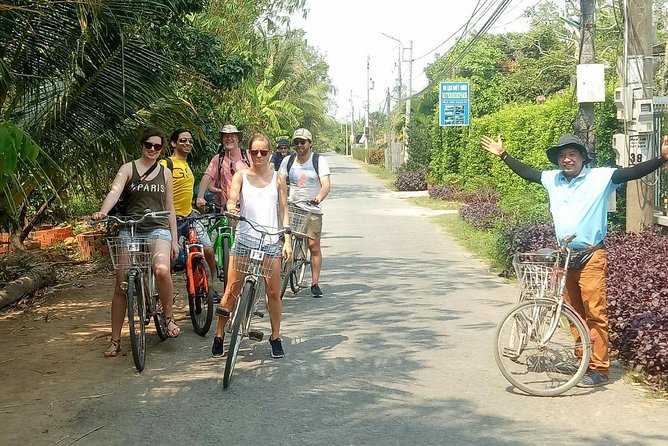
This tour doesn’t treat the waterways like a background. It gives you time to move through them, including a boat trip, plus biking and kayaking.
Here’s why that matters for you:
- Boat time helps you understand how canals connect villages and markets.
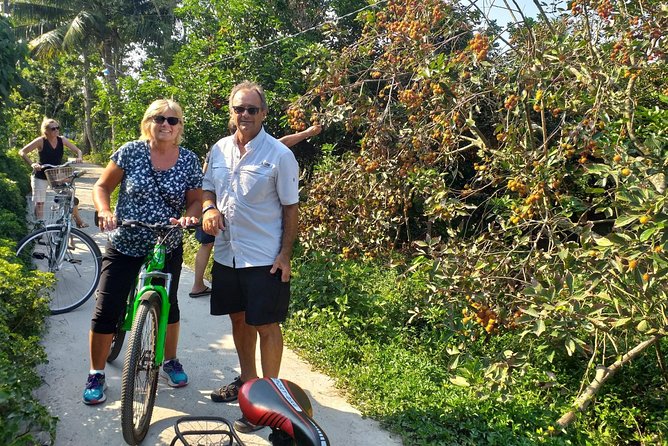
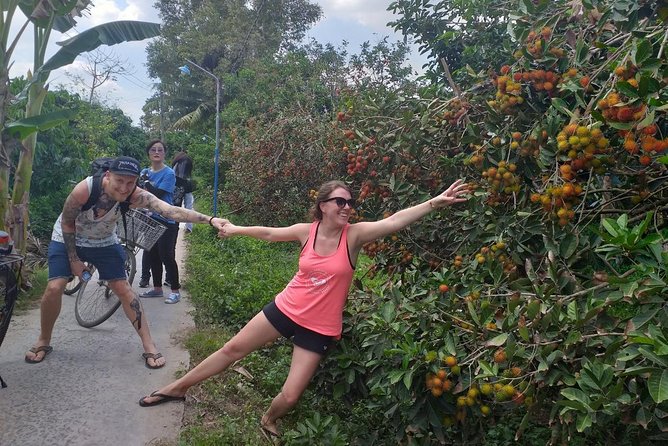
- Biking gives you a slower, ground-level look at countryside routes.
- Kayaking puts you close to the water pace—quiet enough that you notice small details.
In the Mekong, those details are the point. A canal is not just scenery; it’s a working corridor. Moving by boat and kayak helps you see why houses, small businesses, and transport all cluster around water access.
One practical note: kayaking and biking are included, but the exact intensity isn’t spelled out in the tour info you provided. If you have limited mobility or you’re nervous about physical activity, you’ll want to judge whether you’ll be comfortable with these parts of the itinerary.
You can also read our reviews of more shopping tours in Ho Chi Minh City

Cai Rang Floating Market Morning on Day Two
Day two is timed around Cai Rang Floating Market. You’ll have breakfast, then be picked up again, with the drive taking about 40 minutes to reach your first big landscape of the day.
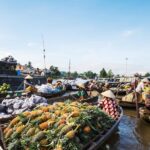
Cai Rang is the Mekong market most people picture—wide water surfaces, many boats, and the sense that the entire place runs on water logistics. The tour also builds in food manufacturing visits at this stage, including stops related to noodle and rice paper production.
That pairing is smart. It turns a market visit into a full loop:
1) see products on boats
2) learn how staples get made
3) connect what you ate with what you watched being produced
If you’ve ever walked a market and felt like you only saw the surface, this design fixes that.
What to keep in mind
Floating markets depend on morning timing and water conditions. Your best move is to be ready for an early start and to keep expectations flexible. You’ll get the market experience, but it won’t feel like a museum schedule with perfectly synchronized moments.
Stork Sanctuary and Rice Paddies: A Calm Slot in the Middle
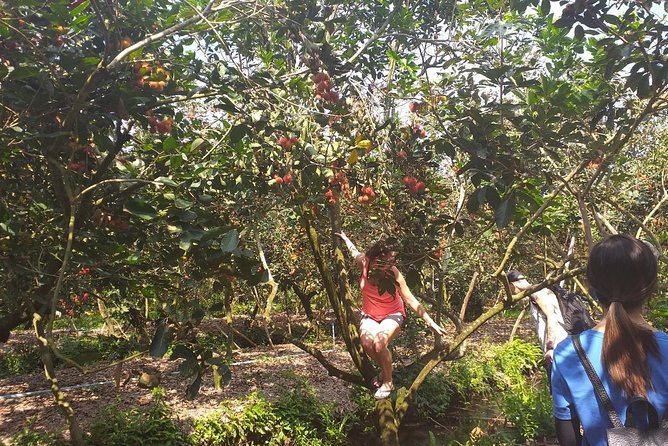
Between the busier market time, the tour includes a stork sanctuary visit surrounded by traditional rice paddies. This is one of the more restorative parts of the trip because it shifts you from commerce and boats into a nature-focused setting.
Even if you’re not a bird expert, a sanctuary like this tends to change your perspective. In the Mekong, people often treat nature as part of daily work—rice paddies, water management, and wildlife all sharing the same space. That’s what makes the sanctuary stop feel meaningful instead of random.
A practical consideration
Sanctuary time usually means walking on paths and being outside for stretches. Bring sunscreen, a hat, and water, even though drinking water is provided by the tour. A little extra can save you when the day runs long.
Cooking Class: Turning What You See Into What You Can Make
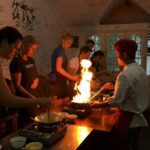
The tour includes a Vietnamese cooking class, which is one of the best ways to turn observation into a skill. Markets can blur together. Cooking slows everything down. It forces you to notice flavors, textures, and basic techniques.
I like the idea of this in particular for a Mekong tour because it connects the delta’s ingredient story to something you can repeat later at home. You’re not just collecting images—you’re bringing back a method.
One note: cooking classes vary by what stations they run and how hands-on they are. Your tour info says the class is included, but it doesn’t spell out specific dishes here, so don’t assume a particular menu in advance.
Overnight: 4-Star Hotel or Home-Stay Night
You’ll spend one night, with two options depending on the tour setup: a 4-star hotel or a home-stay. If it’s a home-stay, the dinner is included.
I view this overnight choice as part of the value equation:
- A 4-star hotel means more predictable comfort and quieter downtime.
- A home-stay night can add a more local feel, and it comes with dinner.
Because the exact option isn’t guaranteed in the info you provided, treat it as a variable. Either way, the fact that the tour includes the overnight (instead of making you arrange it yourself) saves you time and helps keep the two-day schedule stable.
Price and Value: What $245 Really Buys
At $245 per person for about two days, you’re not just paying for transport. You’re paying for a bundled experience that includes:
- transfers from Ho Chi Minh City
- market admissions
- boat trip, bicycle, and kayaking
- a cooking class
- breakfast plus two lunches
- one overnight stay and, in the home-stay option, dinner
If you try to recreate this alone, the costs add up fast: private transport, market tickets, guide time, and the activities themselves. The tour also keeps group size capped at 10, which helps with both comfort and logistics.
Is $245 a bargain? It depends on your style:
- If you want structure and hands-off planning, it likely feels fair.
- If you prefer to wander freely and you enjoy researching routes yourself, you might find cheaper ways, but you’ll work harder.
For most people, the real “value” is less about the dollar amount and more about how much you pack into the two days without spending them solving problems.
Who This Tour Suits Best (And Who Should Think Twice)
This fits best if you:
- want a guided Mekong experience without the headache
- like early starts if it buys you better market timing
- enjoy active travel (boat + biking + kayaking)
- want both market sights and food-focused cultural stops
- care about staying overnight inside the plan instead of arranging lodging separately
You might think twice if you:
- have mobility limits that make biking or kayaking hard
- dislike long days with lots of driving
- want maximum free time on your own schedule
What to Pack for Boat, Bike, and Kayak Days
Even with drinking water included, you’ll be better off prepared. I’d plan for the “wet and sunny” reality of the delta:
- sunscreen and a hat
- a light rain layer (just in case)
- quick-dry clothing if you’ll kayak
- closed-toe shoes you can bike in comfortably
- a small dry bag or waterproof pouch for essentials
Also, bring cash for personal costs since those aren’t included.
Should You Book This 2-Day Mekong Delta Tour?
If your goal is to see the Mekong Delta in two days without juggling logistics, I think this is a solid choice. The standout strength is the balance: floating markets plus hands-on activities, and then a break with the stork sanctuary and rice paddies. Add in the cooking class and meals, and it becomes more than a photo tour.
I’d book it if you enjoy structured days, don’t mind early starts, and want a real slice of Mekong life rather than only one market stop.
FAQ
What is the duration of the Mekong Delta 2-day tour?
The tour runs for about 2 days.
How much does the tour cost?
The price is $245.00 per person.
Where does the tour start and end?
It starts at the meeting point in District 4, Ho Chi Minh City, and ends back at the same meeting point.
What meals are included?
Breakfast is included, along with two lunches.
What activities are included?
The tour includes a boat trip, biking, kayaking, and a Vietnamese cooking class.
Is there an overnight stay?
Yes. You’ll have one night in either a 4-star hotel or a home-stay, and home-stay dinner is included.
How big is the group?
The tour has a maximum of 10 travelers.
What’s not included in the tour price?
Personal costs, travel insurance, and tips are not included.
Final Thought
This tour works best when you want your Mekong time pre-organized but still hands-on. You’ll cover the big floating-market moments, earn your countryside time with biking and kayaking, and take home a cooking class that turns the trip into something practical. If that sounds like your kind of travel, it’s an easy yes.