REVIEW · HO CHI MINH CITY
Ho Chi Minh: Southern Vietnam 4-Day Authentic Mekong Farm Trip
Book on Viator →Operated by Vietnam To Travel · Bookable on Viator
Four days, one foot in real Mekong life. This Ho Chi Minh–based trip strings Cu Chi Tunnels and Ca Mau mangroves together, with Chow guiding and real river kayaking time. You get the history snap in the morning, then quickly shift to paddles, bikes, and village work that feels way more day-to-day than showy.
What I like most is the hands-on rhythm. In Long An, you do a cooking with locals session and you also cycle through rice areas, kayak narrow canals, and try farming activities like rice transplanting and fish catching. Then you sleep at a homestay in the Mekong region—homestay nights with the kind of practical comfort you actually need after boats and bikes, including mosquito nets mentioned in past experiences.
One thing to plan for: the days are long and early starts are real. You’ll be up for sunrise-style activities and you’ll move between provinces by boat and bus, so bring patience for a packed schedule and some physical effort.
In This Review
- Key highlights I’d plan around
- From Ho Chi Minh to the Mekong in four days (and why it works)
- Cu Chi Tunnels: start with Vietnam history, then switch gears
- Long An Province: rice fields, Xom Trau Pagoda, and canal time
- Ca Mau sunrise: market coffee, kayaking, then Tam Giang by sunset
- Nam Can: mangrove canals, shrimp aquaculture, fishing, and clams/oysters
- Soc Trang on Day 4: Father Diep’s Cathedral, Clay Pagoda, then home to Ho Chi Minh
- Price and value: why $719 can make sense here
- Guides and group pace: what you’ll feel day to day
- Practical tips for a Mekong farm trip (so you enjoy it more)
- Should you book this Mekong Farm Trip?
- FAQ
- What is the duration of the Ho Chi Minh: Southern Vietnam 4-Day Authentic Mekong Farm Trip?
- Where does the tour start, and is hotel pickup included?
- Is this a private tour or a shared group tour?
- What are some of the main activities included?
- Do you visit Cu Chi Tunnels and how is it timed?
- Are entrance tickets included?
- Can the tour accommodate dietary restrictions?
- What kind of meals are included in the schedule?
- Is the trip weather dependent?
- What is the cancellation rule?
Key highlights I’d plan around
- Cu Chi Tunnels before the Mekong: start with an underground history stop, then head south into river life.
- Long An farming hands-on: cooking class, rice-field cycling, canal kayaking, and activities like rice transplanting and fish catching.
- Ca Mau at dawn: sunrise cycling or an orchard visit, then local market breakfast and kayaking.
- Tam Giang sunset by motorboat: a late-day boat session built around the light and timing of the coast.
- Nam Can for mangrove canals + aquaculture: shrimp and fish/shrimp-farm visits, plus fishing and clams/oysters searching.
- Chow and Pablo keep it personal: strong English, lots of questions answered, and a focus on group safety and comfort.
From Ho Chi Minh to the Mekong in four days (and why it works)
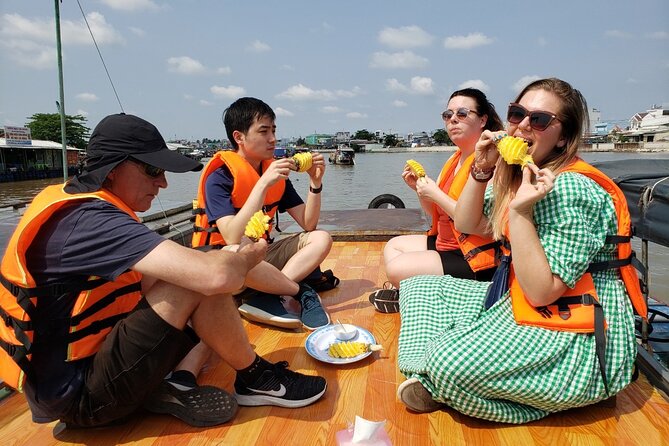
This is a good-fit trip if you want more than postcard boats. You’re not only watching the Mekong Delta from a single viewpoint. You’re switching modes—tunnels to rice fields, paddles to bicycles, markets to shrimp farms—so the region feels like a working system, not a theme park.
I also like the pacing choices. Early mornings are built in, but there are also slower moments where you eat, rest, and watch. That balance matters in the Mekong Delta, where a day can feel long simply because of travel time by water and road.
You can also read our reviews of more tours and experiences in Ho Chi Minh City

Cu Chi Tunnels: start with Vietnam history, then switch gears
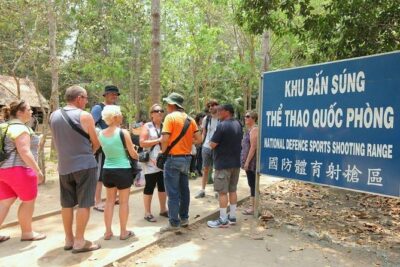
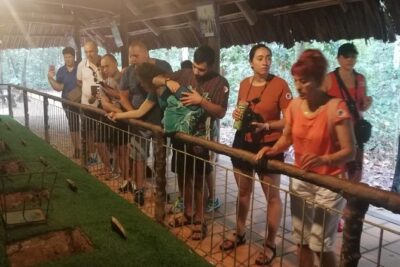
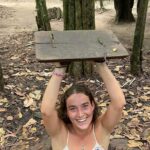
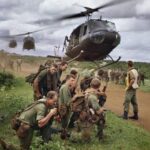
Day 1 begins with a hotel pickup in Ho Chi Minh City and a drive to the Cu Chi Tunnels. You’ll explore the underground system used during the war—this is the kind of visit that gives context before you head into the countryside.
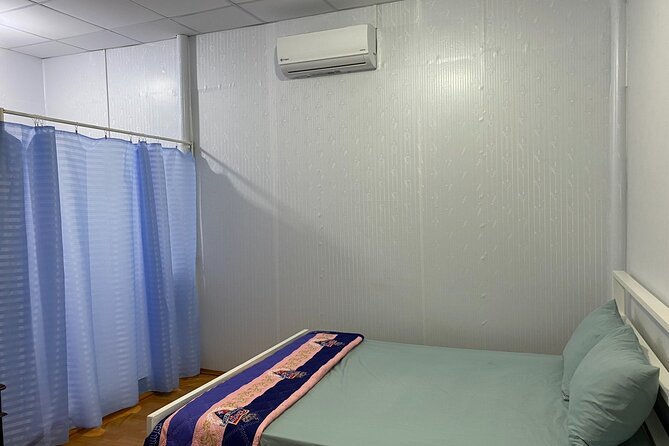
Then the day shifts fast. After the tunnels, you drive south toward the Mekong region and check in at Family Tiny Garden Homestay. Even if you only get a short moment to settle, it helps: you’re not spending all night commuting, and your first full Mekong activities come while you’re already “down south.”
Practical note: the tunnels stop is an early anchor. Wear something you can move in, because you’ll be spending time inside an underground space.
Long An Province: rice fields, Xom Trau Pagoda, and canal time
The afternoon in Long An Province is where the trip earns its name: farm-and-river life, not just river cruising.
Here’s what your time is built around:
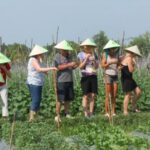
- A cooking class (learning the rhythms behind local meals)
- Cycling through rice areas, plus a visit to Xom Trau Pagoda
- A stop to see an underground relic
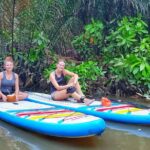
- Kayaking through narrow canals
- Rice transplanting and fish catching—activities where you’re not standing still
Why this matters: rice growing and canal transport aren’t separate worlds. In the Mekong Delta, water is part of farming, and farming shapes daily movement. Cycling through the fields gives you sightlines over the terrain, while kayaking shows you how small waterways guide people and produce. When you try transplanting rice and fish catching, you get a better feel for why certain tools and timing exist.
Possible drawback: this is active. Even though most travelers can participate, you should expect some physical effort—cycling, getting on and off a kayak, and doing hands-on farming tasks.
Ca Mau sunrise: market coffee, kayaking, then Tam Giang by sunset
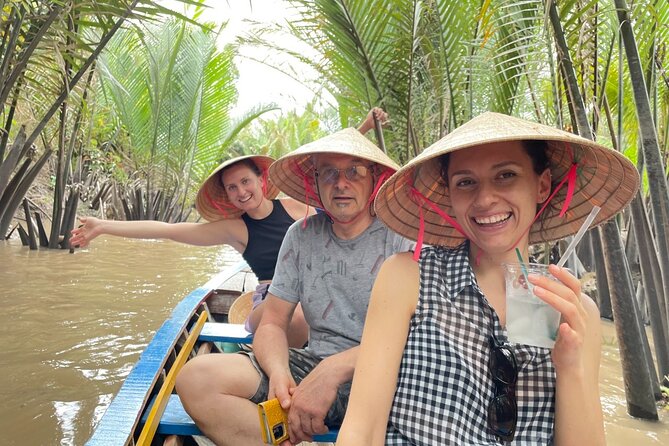
Day 2 is structured around early light and water. You start around 6:00 AM with either sunrise cycling or an orchard visit. After that, you go to a local market for breakfast and coffee. It’s a smart setup because you see people going about normal business before the day gets busier.
Then it’s back on the water with kayaking at 8:00 AM. This isn’t just a scenic paddle. In this region, kayaking often feels like moving with the waterways instead of across them—small turns, narrow corridors, and constant attention to depth and current.
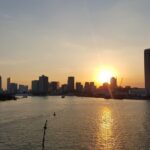
Later, you head toward Ca Mau, with lunch on the way. In the late afternoon, there’s a motorboat trip to watch sunset on Tam Giang. Sunset time is where you’ll notice what you learned earlier in the day: the way water, coast, and mangrove areas shape the light and the feel of the area.
Tip: bring something you can layer. Early mornings can feel cooler than you expect, and evenings after a boat ride can be breezy.
Nam Can: mangrove canals, shrimp aquaculture, fishing, and clams/oysters
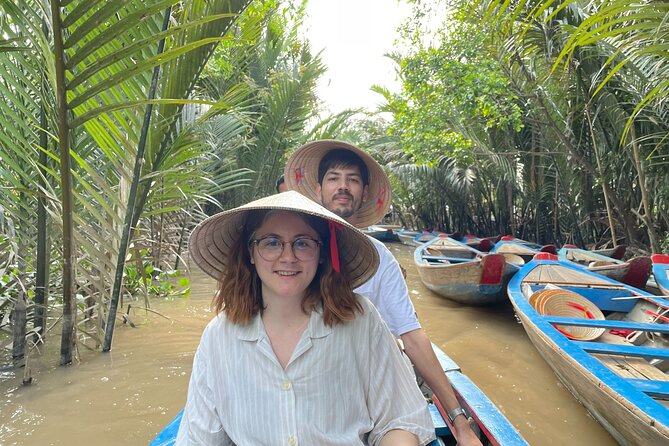
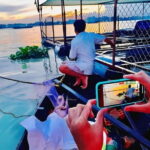
Day 3 leans even harder into “how people live here.” You start with breakfast, then take a motorboat exploration of mangrove canals. This is a different view from kayaking—wider angles, faster travel, and more distance covered—but you still get that close-up feel of waterways and working shorelines.
Next comes aquaculture. You visit shrimp and aquaculture farms, and then you hit a market before cooking lunch with locals. That market stop is valuable even if you don’t buy much. It helps you understand what’s common, what’s seasonal, and how ingredients connect to the farms you just visited.
In the afternoon, the schedule turns active again:
- Fishing
- Swimming to find clams/oysters
- Ending with a BBQ dinner
This is the day where the trip really earns points for authenticity. You’re not only hearing about local work—you’re doing parts of it, and that changes how you remember the places.
One consideration: if you’re not comfortable with water activities, you’ll want to assess your comfort level early. The trip is designed for most travelers, but swimming is part of the experience here.
You can also read our reviews of more tours and experiences in Ho Chi Minh City

Soc Trang on Day 4: Father Diep’s Cathedral, Clay Pagoda, then home to Ho Chi Minh
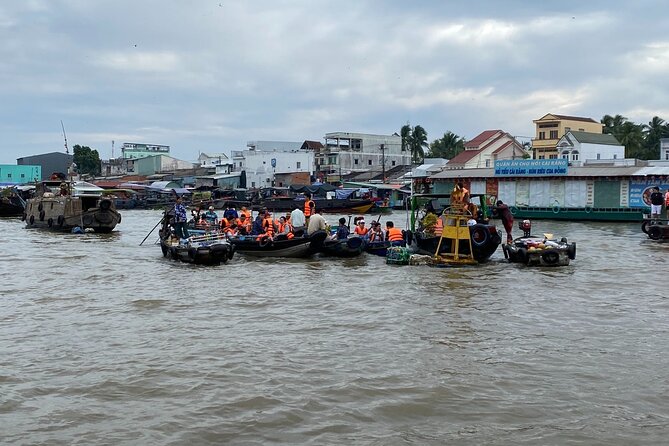
On the final day, you move from Nam Can-style water travel to a mixed boat-and-road run. You start with a motorboat to connect toward Soc Trang Province, then ride by bus.
Your cultural stops include:
- Tac Say Cathedral (Father Diep’s Church)
- Clay Pagoda
- Lunch in Soc Trang
- Then the drive back to Ho Chi Minh City, arriving around 5:30 PM
I like how this ending works. After three days of fields, canals, and water work, you’re not forced into another physical challenge. You get a slower, more reflective set of visits, plus a clear return schedule so you’re not stuck wondering when you’ll get back.
Price and value: why $719 can make sense here
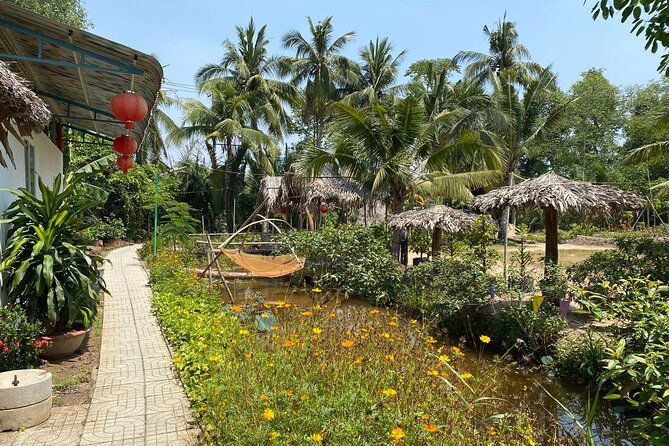
At $719 per person for roughly four days, this isn’t the cheapest Mekong outing. But it’s also not just a “sit on a boat all day” deal.
Here’s what you’re paying for, in practical terms:
- Pickup from Ho Chi Minh City
- A multi-province route (Cu Chi Tunnels + Long An + Ca Mau + Nam Can + Soc Trang)
- Lots of active elements: kayaking, cycling, fishing, and hands-on farming
- Multiple scheduled meals like breakfast/coffee at the market and a BBQ dinner
- Entrance admissions listed as free in the tour’s segments
- A private setup where only your group participates
- A homestay night, which usually adds real value versus staying in a generic hotel bubble
It also helps to know that the tour is often booked ahead—about 52 days in advance on average. That usually means demand for this specific mix of activities and route.
If you’re the type who wants the Mekong Delta to feel like real daily life, this price can feel reasonable. If you only want a light sightseeing cruise with minimal effort, you might find it too busy for your pace.
Guides and group pace: what you’ll feel day to day
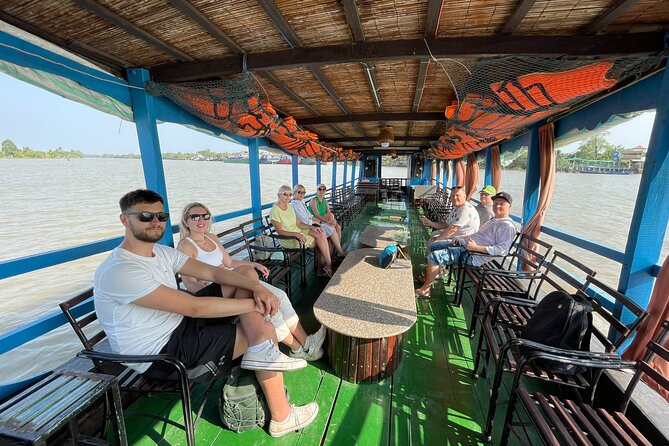
This trip is strongly shaped by the guides. Names that come up again and again are Chow and Pablo. The common themes: solid English, the ability to answer questions, and a friendly, high-energy approach.
That matters because the Mekong Delta is full of small details—how people farm, what they eat, why certain canals matter. A good guide helps you read those details instead of just passing them.
There’s also a safety and comfort focus. Past experiences mention that the group felt safe with the guide and driver, and that the pace leaves enough room to relax even though the days are packed. You still need stamina, but you’re not thrown into chaos.
Practical tips for a Mekong farm trip (so you enjoy it more)
- Bring swim-ready gear even if you think you won’t use it. The schedule includes swimming for clams/oysters.
- Expect wet and muddy moments. Canal kayaking and farm work can mean damp clothes and sticky situations.
- Plan for sun and sweat. Cycling in rice-field areas and time on boats both mean strong daylight.
- Use light layers. Early mornings and boat rides can swing from warm to breezy.
- Bring a dry bag if you have one. Mobile phones and cameras tend to suffer if they’re not protected around boats.
Should you book this Mekong Farm Trip?
Book it if you want the Mekong Delta to feel earned. You’ll like this if your idea of a great trip includes active days—kayaking, cycling, farm tasks, and real food prep with locals—plus a clear sense of where people live and work.
Skip or scale back if you want a slow, low-effort sightseeing itinerary. The schedule is full, and swimming is part of the experience. Also, the trip depends on good weather, so you should be comfortable with the idea that plans might shift if conditions aren’t right.
If you book, do it with the right expectations: this is a working-river trip with history added at the start, not a luxury floating tour.
FAQ
What is the duration of the Ho Chi Minh: Southern Vietnam 4-Day Authentic Mekong Farm Trip?
The tour runs for 4 days (approx.).
Where does the tour start, and is hotel pickup included?
The trip is based in Ho Chi Minh City and pickup at your hotel is offered.
Is this a private tour or a shared group tour?
It’s a private tour/activity. Only your group participates.
What are some of the main activities included?
You can expect kayaking, cycling, cooking with locals, fishing, crab-related activities mentioned in the overview, and exploring mangrove forests in Ca Mau.
Do you visit Cu Chi Tunnels and how is it timed?
Yes. The day starts with a visit to Cu Chi Tunnels, then you travel onward to the Mekong Delta area.
Are entrance tickets included?
Admission tickets are listed as free in the tour segments.
Can the tour accommodate dietary restrictions?
Yes. You can indicate dietary requirements (including vegetarian, vegan, gluten-free, etc.) when booking.
What kind of meals are included in the schedule?
The itinerary includes breakfast and coffee at a local market, lunch on travel days (including a lunch you cook with locals), and a BBQ dinner.
Is the trip weather dependent?
Yes. This experience requires good weather, and if it’s canceled due to poor weather, you’ll be offered a different date or a full refund.
What is the cancellation rule?
Free cancellation is allowed up to 24 hours in advance for a full refund. Cancellation less than 24 hours before the start time won’t be refunded.