REVIEW · HO CHI MINH CITY
Small Group Tour: Ho Chi Minh City and Cu Chi Tunnels
Book on GetYourGuide →Operated by MILLENIUM TRAVEL CO.,LTD · Bookable on GetYourGuide
One day. Two worlds.
This Ho Chi Minh City and Cu Chi Tunnels trip stitches together landmark sightseeing with Vietnam War history in a way that’s easy to pack into a short stay. I like that you start with big Saigon icons like Reunification Palace and the War Remnants Museum, then switch gears to life underground at Cu Chi, guided start-to-finish by an English-speaking pro. The one thing to watch is pacing: it’s a full, long day with a lot of walking, and the tunnel part is not for claustrophobia or mobility issues.
What really sells it is the way the day is built for understanding, not just photo stops. You get a video intro before going into the tunnels, then you actually crawl through cramped sections, taste guerrilla foods like cassava with tea, and finish with the famous rifle range option. For me, the main drawback is that time inside the War Remnants Museum and other stops can feel tight if you want to read everything slowly.
In This Review
- Key points to know before you go
- Starting at Ben Thanh: the smooth pickup and long-day reality
- Ho Chi Minh City landmarks: seeing Saigon’s story in a single sweep
- Reunification Palace: where the modern story turns
- War Remnants Museum: powerful, heavy, and not for speed-reading
- Notre Dame Cathedral (outside) + Central Post Office: French bones of Saigon
- Lunch and the city breaks: how to eat well without losing the day
- Cu Chi Tunnels: the briefing that makes the crawl make sense
- A reality check: tunnels are narrow and physically demanding
- Crawling, cassava, and tea: what “underground life” feels like
- Rifle range time: fun with extra costs and safety rules
- Timing, crowds, and how to keep the day from feeling rushed
- What $51 really buys: value, included extras, and likely add-ons
- Who this tour fits best—and who should skip it
- Should you book this Ho Chi Minh City and Cu Chi day?
- FAQ
- What time does the tour start?
- Where do I meet for this tour?
- How long is the tour?
- Is lunch included?
- Is bottled water included?
- Will I be able to go inside Notre Dame Cathedral?
- Can I go if I have claustrophobia?
- Is this tour wheelchair accessible or suitable for mobility issues?
- What should I bring?
- Does the tour include firing guns?
Key points to know before you go
- City history first: Reunification Palace and the War Remnants Museum set the context before you head out to Cu Chi
- Outside-only Notre Dame: the cathedral is being restored, so you’ll see it from the street
- Tunnels with a briefing: you watch an intro video and get a guide-led explanation before crawling
- Crawling is real: it’s narrow, low, and physically demanding, not a walk-through
- Lunch included: you’ll eat at a local restaurant, with mineral water provided
- Rifle range option: shooting is a paid add-on at the range, depending on what you choose
Starting at Ben Thanh: the smooth pickup and long-day reality
The day starts at 08:00 AM at 112 Tran Hung Dao Street, Ben Thanh Ward, District 1. Show up at least 10 minutes early so you’re not the person jogging at street level while everyone else is already in the air-conditioned van.
This is a small-group format with transportation by A/C van and an English-speaking guide. In practice, that means you’re not stuck waiting around for long city transfers, and you get a running explanation as you move between sites. Still, Cu Chi is far enough that you should expect a long day. Between the drive, museum time, tunnels time, and the return trip back to Ho Chi Minh City (often later in the evening, depending on traffic), plan on being out for most of the day.
If you love structure, this tour gives it. If you hate rushing, you’ll want to go in with realistic expectations. A couple of people wished the museum sections had more time to soak it in, and a few noted the overall flow can feel brisk at certain stops.
You can also read our reviews of more city tours in Ho Chi Minh City

Ho Chi Minh City landmarks: seeing Saigon’s story in a single sweep
You’ll spend the morning working the historic center with a guide who connects the dots. The big win here is that you’re not just checking boxes. The way the sites are grouped helps you understand why Saigon looks the way it does today, and what parts of the city reflect foreign rule and later conflict.
Reunification Palace: where the modern story turns
Reunification Palace is the kind of place that feels different once you know what it represents. You’ll see it with a guide, which matters because the building isn’t just architecture—it’s a timeline in walls and rooms.
A good guide will point out what’s worth your attention fast, especially if you’re not in “museum mode.” If you’re a first-timer in Ho Chi Minh City, this stop often works as the anchor of the entire day. It gives you something concrete to measure the war history against once you hit the museums.
War Remnants Museum: powerful, heavy, and not for speed-reading
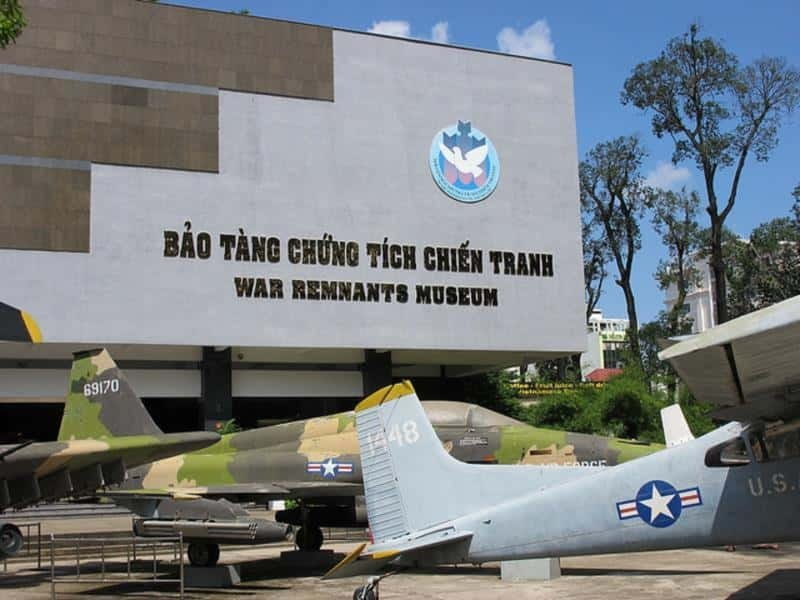
The War Remnants Museum is one of the most emotionally intense parts of the trip. You’ll see historic artifacts connected to the Vietnam War, plus material tied to earlier conflict involving colonial French presence. Expect photographs and displays that can feel brutal, especially if you’re sensitive to images of civilian harm.
This is where your guide helps. They can give context so the exhibits don’t feel like random pain; they become a story of how conflict spread, how it changed daily life, and how it left lasting damage.
The only caution: there isn’t enough time for deep reading for everyone. Some people felt one hour wasn’t enough to take everything in. If you’re the type who likes to read every caption, you may need to accept that this visit is more “get the big picture and key exhibits” than “complete mastery.”
Notre Dame Cathedral (outside) + Central Post Office: French bones of Saigon
The Notre Dame Cathedral stop is outside-only because restoration is underway. So don’t plan on going inside or expecting a long interior experience.
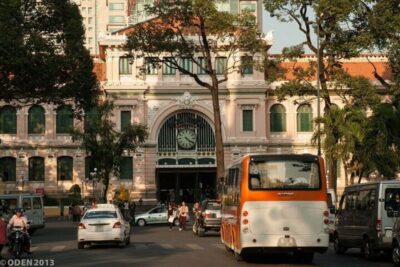
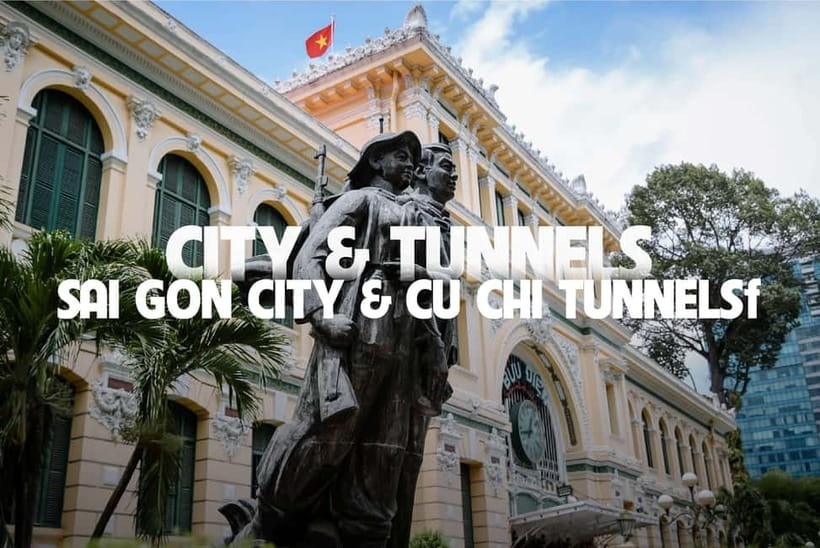
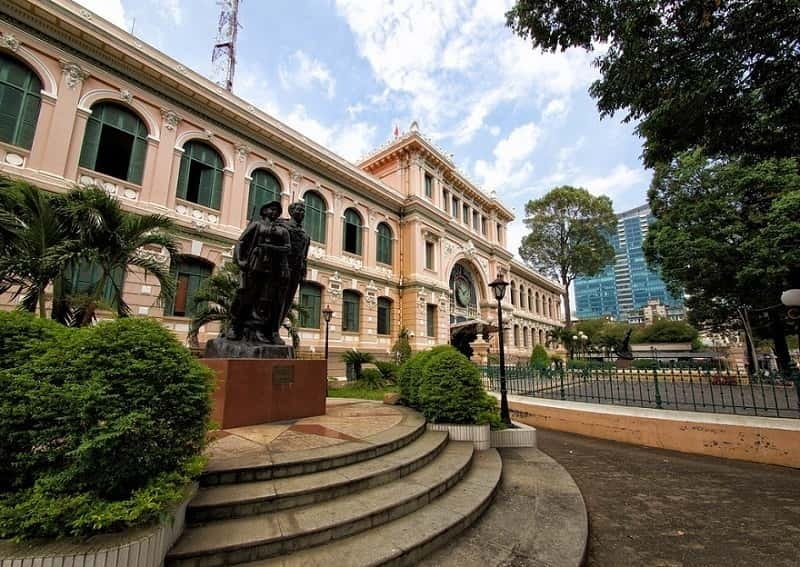
Right after that, you’ll see the Central Post Office, known for its French colonial charm and elegant layout. It’s the kind of place where a quick look can turn into a longer pause if you want to buy postcards and actually write them (recommended). One practical tip: the Post Office is one of those stops where souvenir shopping feels better if you budget a few extra minutes, since you’ll likely want to choose postcards and stamps.
If you like “city texture,” this duo is worth your time. They give you a contrast to the war-focused morning—Saigon still has beauty and civic life happening right on top of difficult history.

Lunch and the city breaks: how to eat well without losing the day
Lunch is included at a local restaurant, and it’s a real part of the value. People consistently describe the food as very good, not the usual “tour group sandwich” situation.
You’ll also have mineral water (1 bottle per person) included. If you want other drinks beyond that, you should expect to pay on your own. That matters because some meals can tempt you to order more than you planned.
A smart approach: eat calmly, hydrate, and use lunch as your reset. The day doesn’t stop after lunch. You’ll be doing a long drive to Cu Chi and then moving into physical activities that can wear you out.
If you’re the type who gets motion-sick, plan for the ride out—Cu Chi is far enough that you may want to sit where the air feels cooler and the bus movement feels smoother.
Cu Chi Tunnels: the briefing that makes the crawl make sense

When you arrive at Cu Chi, you’ll start with an introductory video about the tunnel history and what life was like during the Vietnam War. This matters because the tunnels can look like just “small holes in the ground” if you go in cold. The briefing helps you understand how people used the underground space for survival, movement, and defense.
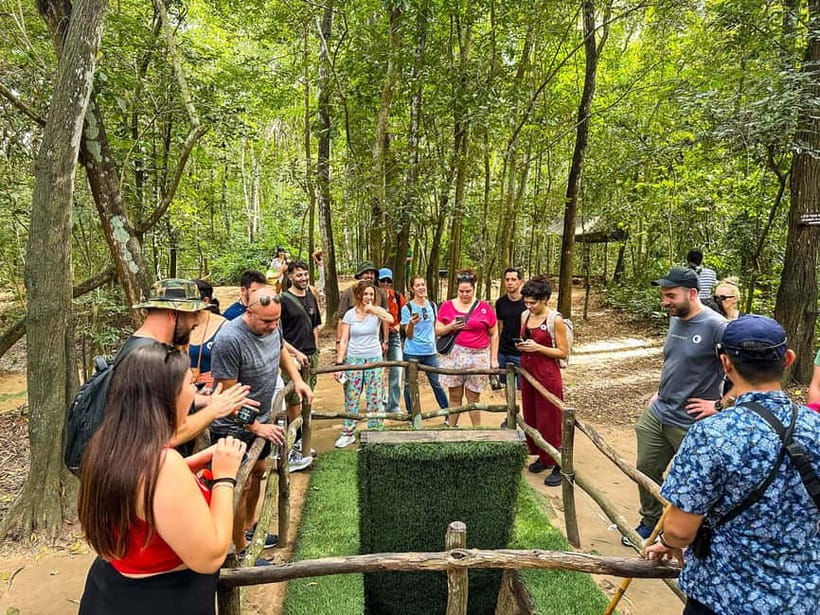
Then comes the tour with a local guide, walking you through exhibits and explaining how the tunnels worked. The best guides don’t just narrate—they steer your attention. They point out what you’d otherwise miss: how narrow sections force a certain movement, and how underground spaces were designed around stealth and tight survival needs.
A reality check: tunnels are narrow and physically demanding
This tour is not suitable if you have claustrophobia, back problems, heart problems, mobility impairments, or if you’re wheelchair users. It’s also not recommended for pregnant women. That’s not just “comfort advice.” It’s about safety and access once you start crawling in tight passages.
If you’re unsure, take it seriously. “I’m a little nervous” is still nervous. The crawl is part of the core experience, and it’s not built for hesitation.
Crawling, cassava, and tea: what “underground life” feels like
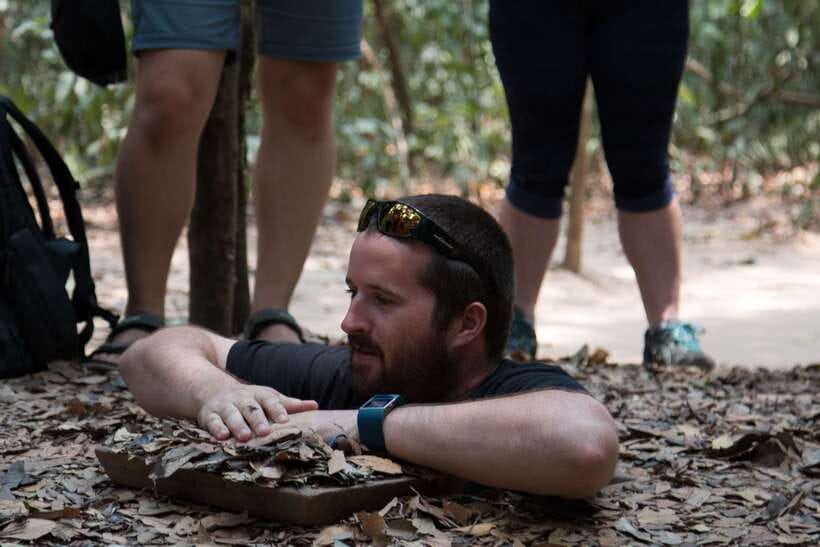
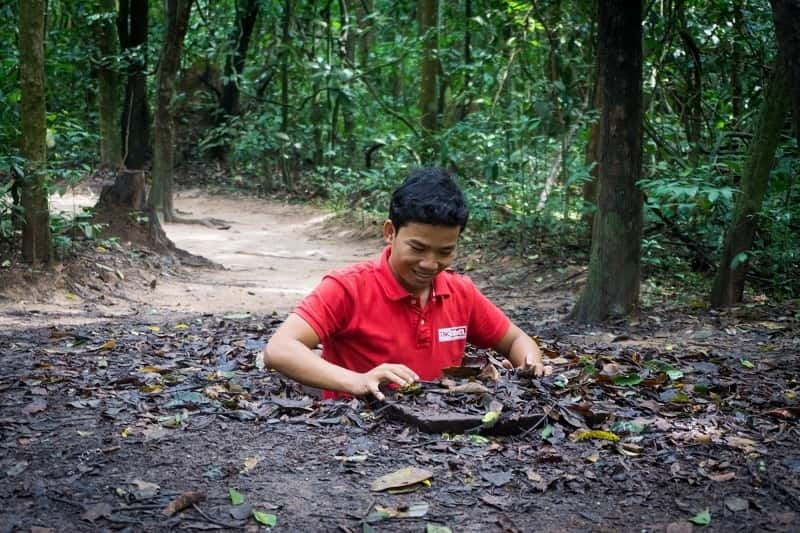
After the briefing, you’ll get the chance to crawl through tunnels and see underground sections in a way that’s far more memorable than walking past photos. Several people noted that the tunnels feel even tighter than expected, especially if you’re comparing them to what you imagine from movies.
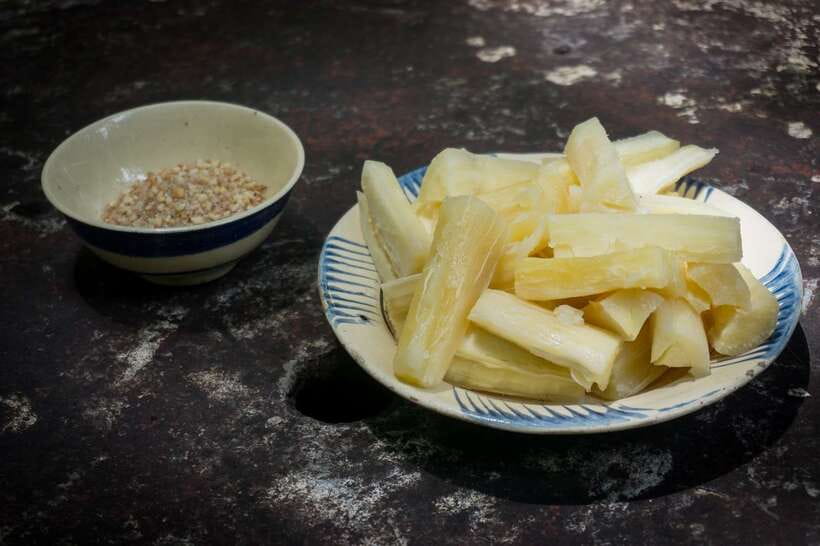
You’ll also taste cassava and tea, linked to what guerrillas used to survive. Even if you don’t love cassava, the point is more cultural than culinary. It gives you a small, direct connection to the underground diet and the kinds of resources that mattered during war time.
This is also where you’ll get the most “hands-on” explanation. A guide can explain how people navigated, how they rested, and why underground spaces were more than a hiding place.
Rifle range time: fun with extra costs and safety rules
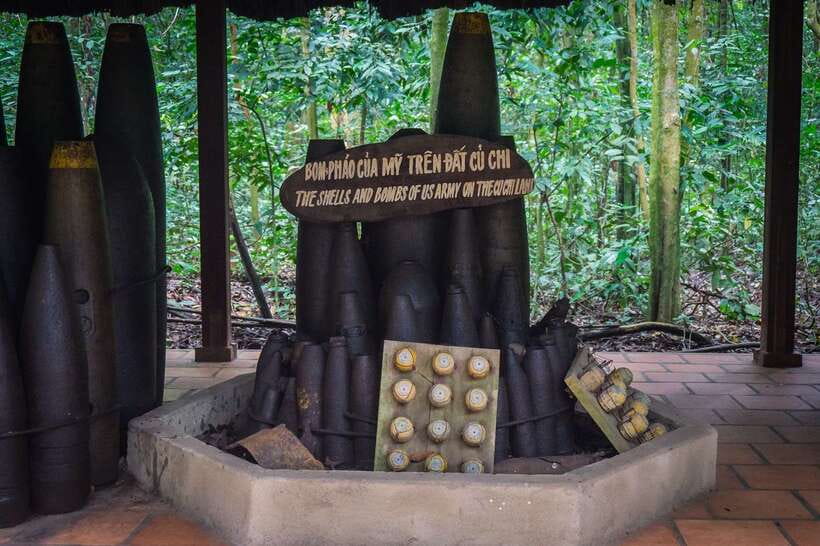
At Cu Chi, there’s a rifle range where you can fire some guns. This is optional, but it’s a highlight for many people because it adds sensory impact to the day.
Important practical note: shooting usually comes with extra costs. One detailed example mentioned about $27 for 10 bullets, with a 10-bullet minimum, and that the minimum can be split between two people. Prices can vary, so treat that as a ballpark and confirm the exact options on site.
If you choose to shoot, go in knowing it’s loud and takes focus. Wear what’s comfortable, keep your head safe, and follow the instructor’s instructions—no hero moves.
Timing, crowds, and how to keep the day from feeling rushed
This tour tends to pack a lot in, and the main variability is time. The overall day can run long, and the return to Ho Chi Minh City ends around 18:30 to 19:30, depending on traffic.
A couple of people flagged small timing issues—like waiting for a couple of late additions before the afternoon segment. That can happen with shared-group tours, and it can be frustrating if you have tight plans that evening.
You can help yourself by planning your day around the reality of Cu Chi logistics. Don’t book an early dinner reservation for late afternoon. If you want shopping time, one smart move is to ask your guide about dropping you near Ben Thanh market after the tour ends, so you can turn the last hour into something useful.
Also, if you’re visiting in rainy season, expect muddy paths at some points. One person noted it was raining during the tunnels visit. Bring patience, and wear shoes that can handle uneven ground.
What $51 really buys: value, included extras, and likely add-ons
For $51 per person, this is strong value if you want a structured one-day hit of Saigon plus Cu Chi without the stress of arranging everything yourself.
Here’s what you’re paying for:
- Air-conditioned van transportation
- English-speaking guide
- Entrance fees
- Lunch at a local restaurant
- Mineral water (1 bottle per person)
What might cost extra:
- Gun/rifle range ammo, if you choose to shoot (based on the range options you select)
- Drinks beyond the included water at lunch
- Any optional stops that pop up during the day (some people mention small culture stops like coffee tasting, but that can vary)
If you compare this to doing it on your own, the guide’s role is the real cost saver. Cu Chi makes more sense with the briefing and on-the-ground explanation. And in Ho Chi Minh City, a guided sweep helps you avoid spending half your time figuring out what to prioritize.
Who this tour fits best—and who should skip it
This tour is a great match if you:
- Want big landmarks plus Vietnam War history in one day
- Like having a guide connect context instead of wandering randomly
- Prefer a small-group structure with A/C transport and lunch handled
You should probably skip or choose something more flexible if you:
- Are claustrophobic or worried about tight crawling
- Have back or heart issues
- Need wheelchair accessibility or have limited mobility
- Want a slow, reading-heavy museum experience
Also, it’s not the best fit if you want to do everything at your own pace. This day has momentum. It’s designed to cover key sites efficiently.
Should you book this Ho Chi Minh City and Cu Chi day?

I think you should book it if you want a single-day “greatest hits” of Saigon history that still includes something real and physical at Cu Chi Tunnels. The value is solid when you factor in transport, museum entrances, and lunch, and the guide-led pacing makes the war story easier to digest.
Just go in prepared: comfortable shoes, sun protection, and a mindset that the day runs long and sometimes fast. If the tunnels sound exciting but you’re worried about tight spaces, be honest with yourself—this is not a gentle, opt-in-only experience.
If you want, tell me your travel dates and interests (history, architecture, food, photography). I can suggest how to plan your other hours around this so the long day doesn’t steal your whole evening.
FAQ
What time does the tour start?
You meet at 08:00 AM at 112 Tran Hung Dao Street, Ben Thanh Ward, District 1, Ho Chi Minh City.
Where do I meet for this tour?
The meeting point is at 112 Tran Hung Dao Street, Ben Thanh Ward, District 1, Ho Chi Minh City.
How long is the tour?
The tour finishes around 18:30 to 19:30, depending on traffic.
Is lunch included?
Yes. Lunch is included at a local restaurant.
Is bottled water included?
Yes. Mineral water (1 bottle per person) is included. You may need to pay for drinks beyond that.
Will I be able to go inside Notre Dame Cathedral?
No. The cathedral is currently being restored, so you’ll only see it from the outside.
Can I go if I have claustrophobia?
No. The tour is not suitable for people with claustrophobia, since it includes crawling through tunnels.
Is this tour wheelchair accessible or suitable for mobility issues?
No. It’s not suitable for wheelchair users and is also not suitable for people with mobility impairments.
What should I bring?
Bring comfortable shoes, sunglasses, a sun hat, and sunscreen.
Does the tour include firing guns?
You’ll have the chance to fire guns at the rifle range, but the tour details provided don’t say it’s automatically included without extra cost; expect that shooting options may be paid on site.