REVIEW · HO CHI MINH CITY
Saigon City Sights & War Remnant Museum on Scooter
Book on Viator →Operated by Vietnam Exploring Tour · Bookable on Viator
A scooter turns Saigon’s history into something real. On this 4-hour ride, you’ll link the War Remnants Museum with faith stops like the Jade Emperor Pagoda, then move through everyday neighborhoods and street food. It’s the kind of route that helps the city make sense faster than hopping between sites alone.
I especially like the English-speaking guide who explains what you’re seeing while you’re moving, so you’re not stuck reading labels. I also love that you end with a proper bowl of bún bò Huế and a drink, which keeps the day from feeling like only theory and monuments.
The trade-off: you’re on a scooter in real traffic. If you’re very nervous about riding, plan to take it slow mentally on the first few minutes, because the pace stays active for the full session.
In This Review
- Key highlights before you set off
- Why I’d pick a scooter tour for Saigon city sights
- Stop 1: Chùa Ngọc Hoàng (Jade Emperor Pagoda) and why it matters
- Stop 2: The Thích Quảng Đức monument and the feeling of protest
- Stop 3: Nguyễn Thiện Thuật apartment blocks—Saigon beyond the tourist map
- Stop 4: Cho Hoa (Hồ Thị Kỷ) flower market—smell, color, and supply chains
- Stop 5: Chùa Vạn Phật (Temple of Ten Thousand Buddhas) for a calmer reset
- Stop 6: Phố Tàu Sài Gòn (Chợ Lớn, District 5) and cultural mixing
- Stop 7: Underground tunnels and resistance exhibits—history under the street
- Stop 8: War Remnants Museum—what you’ll see and how to handle it
- Stop 9: Chợ Lớn market neighborhood—finish with context, not just shopping
- Food stop: the end goal is a real bowl of bún bò Huế
- Price and value: what $22 really buys you in Saigon
- Who should book this scooter tour—and who should think twice
- A few tips to make the day smoother
- Should you book the Saigon City Sights & War Remnant Museum on Scooter?
- FAQ
- How long is the scooter tour?
- What does the tour include?
- Is the War Remnants Museum admission included?
- Do I need to pay for the other attractions on the route?
- What should I do if I have allergies?
- What kind of group setup is this?
Key highlights before you set off
- Scooter-led route that strings together war sites, temples, and local streets in one smooth half-day
- War Remnants Museum ticket included, with guided context to make the exhibits hit harder (in a good way)
- Jade Emperor Pagoda + Thích Quảng Đức monument for spiritual and historical perspective, not just photo stops
- Ho Thi Ky flower market and Chinatown-area streets that show Saigon’s daily rhythms
- Helmet and raincoat provided, useful since the tour depends on good weather
Why I’d pick a scooter tour for Saigon city sights
Saigon (Ho Chi Minh City) can feel like a blur on foot. By scooter, you cover a lot of ground without turning your day into a waiting game. More than that, the ride changes how you understand the city: you see how neighborhoods connect, where people actually wait, chat, shop, and pray.
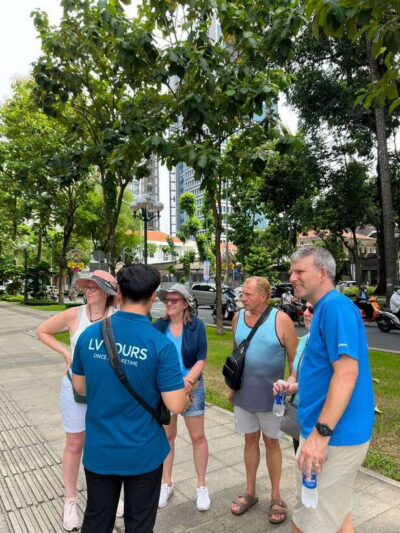
This tour is built for that. You get hotel pickup and drop-off, plus a scooter with an English-speaking guide. Helmets and a raincoat are included too, so you’re not scrambling for gear if the weather shifts. In the group, the guiding style matters: people with strong English skills like Vy, Ethan, Kieran, Lian, and Alex are mentioned for being friendly and ready to answer questions, including for first-time scooter riders and families.
One practical point: you’re still riding in traffic. That means the experience is best for travelers who are comfortable trying something new and want to stay active for about 4 hours.
You can also read our reviews of more city tours in Ho Chi Minh City



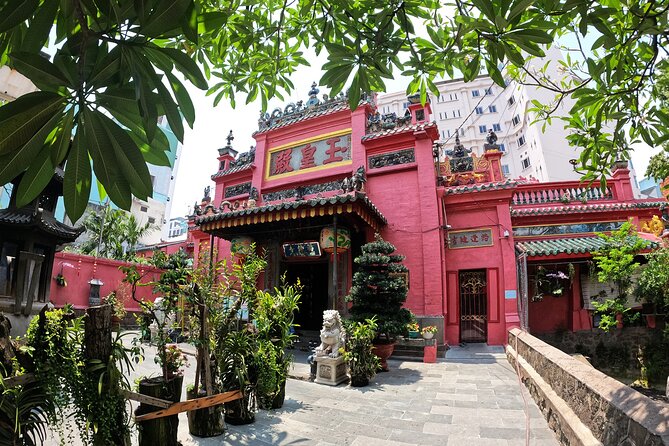
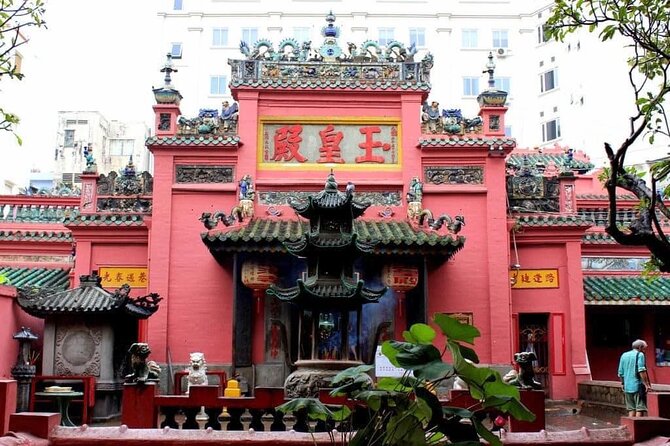
Stop 1: Chùa Ngọc Hoàng (Jade Emperor Pagoda) and why it matters
The Jade Emperor Pagoda is where Saigon shows a very specific kind of belief—visible, active, and part of the daily flow of city life. Even before you hit the heavier historical stops later, this place grounds you. You’ll spend about 30 minutes here with admission listed as free.
What I’d pay attention to:
- How the space feels when people arrive to pray and make offerings
- The sights and rituals that mix reverence with real-world hustle
- The way the guide helps you connect the temple to broader spiritual traditions
This is a smart opener. You’re not jumping straight from streets into war history. You’re starting with faith and symbolism, which makes later memorial stops more understandable.
Stop 2: The Thích Quảng Đức monument and the feeling of protest
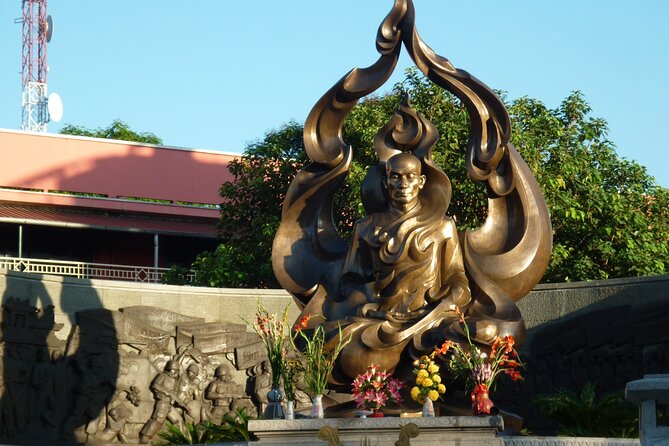
Next comes a moment that is hard to forget: the Thích Quảng Đức monument. Thích Quảng Đức was a Buddhist monk known for self-immolation in protest against religious persecution by the South Vietnamese government. That backstory makes the site more than a statue.
You’ll have about 20 minutes here, and admission is free. This is one of those stops where the guide’s framing really helps. Instead of skimming details, you want to slow down and let the story land—especially if you don’t already know the history behind the Vietnam War era and its internal conflicts.
If you’re someone who gets overwhelmed by emotional memorials, it’s still manageable in this format, because you’re not lingering for hours. You see it, you understand it, then the route moves on.
Stop 3: Nguyễn Thiện Thuật apartment blocks—Saigon beyond the tourist map
After the memorial intensity, the tour shifts to neighborhood life. You’ll stop at the Nguyễn Thiện Thuật apartment buildings area in District 3 for about 20 minutes.
This section is valuable for one reason: it makes Saigon feel lived-in. Instead of treating the city like a museum, you pass through streets where daily routines keep rolling—shops, local food, and ordinary movement. Even with just a short stop, you get a sense of scale: these are not staged streets built for visitors.
What to keep in mind:
- Photos are fine, but look first and respect what’s happening around you
- Ask your guide how locals use these streets in the flow of the day
- If the traffic is intense, trust your guide’s pacing and keep your eyes up for safety
This stop works best when you’re curious about how people actually live.
Stop 4: Cho Hoa (Hồ Thị Kỷ) flower market—smell, color, and supply chains
Then you hit a very practical part of city life: the Hồ Thị Kỷ flower market in District 10. You’ll spend about 30 minutes here, and admission is listed as free.
Flower markets sound simple, but they’re about supply, timing, and devotion. Flowers are used for celebrations, altars, and daily offerings. Walking through this wholesale area helps you understand where the city’s visible beauty comes from.
When you’re there, don’t just look for pretty displays. Notice:
- How busy the movement is between sellers and buyers
- How flowers are organized for different uses
- How the market connects to temple life you saw earlier that day
It’s a great stop to balance the day’s heavier topics with something sensory and real.
You can also read our reviews of more museum experiences in Ho Chi Minh City






Stop 5: Chùa Vạn Phật (Temple of Ten Thousand Buddhas) for a calmer reset
After markets and streets, you’ll get a breather at Chùa Vạn Phật, the Temple of Ten Thousand Buddhas. This stop is about 20 minutes, and admission is listed as free.
This is where you can reset your senses. The tour’s first part can feel emotionally and visually intense. A temple stop gives your brain a chance to slow down, even while you’re still on a tight schedule.
Practical mindset: keep your camera ready, but also take a moment to stand back and watch how people behave. Even if you’re not here for religious study, you’ll pick up how worship practices shape the flow of public space.
Stop 6: Phố Tàu Sài Gòn (Chợ Lớn, District 5) and cultural mixing
Next, the tour moves toward Saigon’s Chinatown area—Phố Tàu Sài Gòn in Quận 5—for about 30 minutes.
Chợ Lớn is described as a mix of Chinese, Vietnamese, and other communities, and you’ll see that in the street feel: narrow lanes, storefront activity, and religious architecture tucked into the neighborhood. Your guide can help you connect what you see here to the bigger idea of Saigon as a port city built on layers.
If you’re the kind of person who likes architecture, look for:
- Clan houses and temples (you may see them from the street)
- The way signage and daily commerce share space
This stop is a good contrast to the museum later—less solemn, more social.
Stop 7: Underground tunnels and resistance exhibits—history under the street
Before the War Remnants Museum, you’ll visit an area focused on Vietnamese resistance, including underground tunnels and exhibits about the Vietnamese resistance movement. You’ll spend about 30 minutes there, and the tour includes this as part of the route.
This part matters because it changes the story from dates on paper into survival and strategy. The phrase underground is key: it’s about how people lived and fought under constant pressure.
What I recommend:
- Go in with a respectful pace. These places are designed to provoke reflection.
- Let the guide explain what the tunnels and exhibits represent, since the meaning isn’t always obvious at a quick glance.
- If you’ve got a strong interest in war history, this stop helps you build a mental map before the museum shows broader evidence.
Stop 8: War Remnants Museum—what you’ll see and how to handle it
Now comes the core of the experience: the War Remnants Museum. The ticket is included, and you’ll have about 30 minutes inside.
The museum focuses on researching, collecting, preserving, and displaying evidence of the crimes and consequences of war against Vietnam. That’s straightforward wording, but it signals what your emotional experience will be like. Some exhibits can feel brutal. Don’t plan to sprint.
In a 30-minute visit, you won’t cover everything deeply, and that’s okay. What makes this tour work is that you’re not wandering alone. Your guide helps you understand what you’re seeing and why it was kept—so you come away with clearer context instead of only shock.
If you prefer a lighter day: this isn’t it. If you want a better understanding of Saigon’s historical trauma and how it’s remembered, this stop is the reason to book.
Stop 9: Chợ Lớn market neighborhood—finish with context, not just shopping
The final neighborhood stop brings you deeper into Chợ Lớn, spending about 30 minutes.
Chợ Lớn is described as rich in heritage, with temples, pagodas, and clan houses dotting the area. It’s another chance to see how religion and community life sit alongside everyday commerce.
Even if you don’t do any shopping, this stop is useful for your understanding of the city’s identity: Saigon isn’t only defined by war and recovery. It’s also defined by community institutions that keep operating year after year.
Food stop: the end goal is a real bowl of bún bò Huế
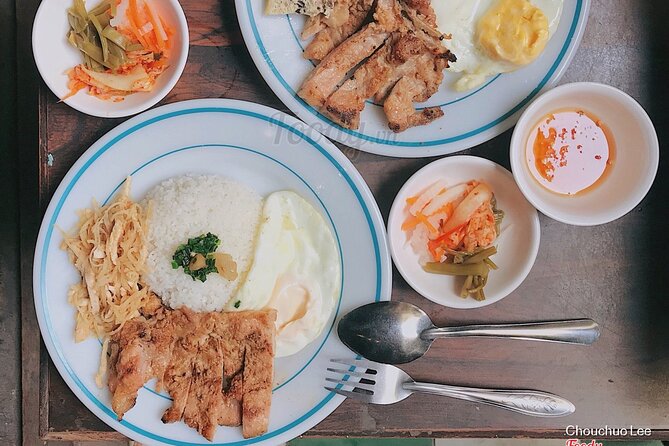
At the end of the tour, you get an authentic bowl of bún bò Huế and a drink. The tour includes one meal and drink as part of the sightseeing/street-food combination, and breakfast is noted as included too.
I like this approach because it pulls you into Saigon’s everyday rhythm. You’re not just absorbing history; you’re also tasting what people actually eat. The dish name matters: bún bò Huế is known for its distinctive flavors tied to central Vietnam, and getting it here helps you understand how Saigon works as a meeting point for regional culture.
Two practical tips:
- Eat something before you go if you’re the type who gets lightheaded on scooters.
- If you have dietary needs, mention them in advance. One vegetarian diner had a positive experience with the guide team (Kieran and Lian), which suggests they can work with requests.
Price and value: what $22 really buys you in Saigon
At $22 per person, this tour is priced for value if you want four things at once: transport, guided explanation, multiple major stops, and a meal.
You get:
- Hotel pickup & drop-off
- Scooter + English-speaking tour guide
- Helmet & raincoat
- One meal + drink
- War Remnants Museum ticket included
Also, group discounts are listed, and it’s commonly booked about 56 days in advance, which hints people like the timing and format enough to plan ahead.
The main reason this price feels fair is the combination. If you tried to stitch this together on your own—especially with reliable scooter guidance—it would likely take more time, more planning, and more stress.
Who should book this scooter tour—and who should think twice
This experience fits you if:
- You want a short, structured half-day that still feels like you’re seeing real neighborhoods
- You’re comfortable riding a scooter or you want to try with a guide who’s used to first-timers
- You care about the connection between faith sites and war memory in Saigon
- You want street food as part of the plan, not as an afterthought
It may be less ideal if:
- You’re very uncomfortable in traffic or hate the idea of riding for most of the route
- You prefer museums that last longer than about 30 minutes per major stop
- You’re strongly sensitive to war-related content (because the War Remnants Museum is the centerpiece)
Families can work too. Guides like Happy, Helena, and Levi are mentioned with mixed ages, including kids, which suggests the team is used to handling varied groups.
A few tips to make the day smoother
- Wear closed-toe shoes you’re willing to get dusty, and bring a light layer since stops can shift between shade and sun.
- Keep your phone ready, but don’t let it distract you when you’re stopped near traffic.
- Bring a bit of cash or card for personal expenses, since extra food and drinks beyond the included meal aren’t covered.
- Since the tour depends on good weather, be ready to go in light rain if that’s what happens. The included raincoat is helpful.
Should you book the Saigon City Sights & War Remnant Museum on Scooter?
If you want Saigon in one compact package—temples, markets, neighborhood streets, and the War Remnants Museum—this is a strong pick. The scooter format makes the route feel efficient, and the guide explanations give the stops meaning instead of turning them into a checklist.
I’d book it if you can handle emotionally heavy museum content and you’re open to riding through real city traffic. If that sounds like your style, you’ll probably come away with a more connected, less surface-level picture of Saigon.
FAQ
How long is the scooter tour?
It’s about 4 hours.
What does the tour include?
You get hotel pickup and drop-off, a scooter and English-speaking guide, helmet and raincoat, and one meal plus a drink.
Is the War Remnants Museum admission included?
Yes. The War Remnants Museum ticket is included.
Do I need to pay for the other attractions on the route?
Admission is listed as free for multiple stops such as the Jade Emperor Pagoda and the Thích Quảng Đức monument, while the museum ticket is included.
What should I do if I have allergies?
You should tell the provider about any allergies before the tour.
What kind of group setup is this?
It’s a private tour/activity, so only your group participates.