REVIEW · HO CHI MINH CITY
City Tour By Motorbike w/ War Museum & Reunification Palace
Book on GetYourGuide →Operated by Saigon Adventure Travel · Bookable on GetYourGuide
Saigon’s past rides with you. This motorbike city tour threads together major Saigon sights fast, while your guide explains what they mean—especially around the Vietnam War—so the city feels less random and more readable. A lot of the fun is practical too: you cover ground quickly without spending your whole day in traffic.
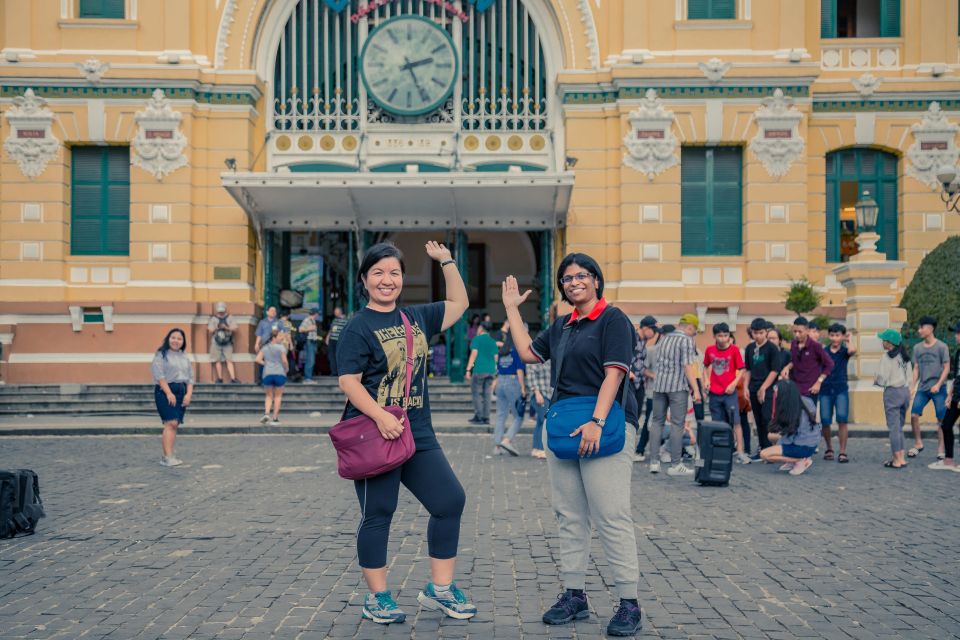
I especially like the pairing of French architecture and war-era stops in one route. You’ll see the Notre-Dame Basilica (built 1863–1880) and the Central Post Office (1886–1891), with its Gothic, Renaissance, and French colonial styling, plus big government landmarks like City Hall and the Opera House.
One consideration: you’ll be on the back of a scooter in real street conditions, and there’s a dress code. You need to cover knees and shoulders for temples and pagodas, and shorts or short skirts or sleeveless shirts aren’t allowed.
In This Review
- Key highlights you’ll feel right away
- A 4-hour plan that helps you understand Saigon
- Scooter safety and what to expect on the back
- Reunification Palace: the 1975 turning point you can walk through
- War Remnants Museum: artifacts and photos with context
- Notre-Dame Basilica and the Central Post Office: French Saigon, up close
- City Hall and the Opera House: civic Saigon in big, formal spaces
- Nguyen Hue Walking Street: a reset after heavy history
- Jade Emperor Pagoda: visit with the right outfit
- Ben Thanh Market: a classic Saigon stop for snacks and souvenirs
- Value and price: why $28 works for most first-timers
- Pickup, meeting point, and practical logistics that matter
- Who this tour is best for (and who should skip it)
- Should you book this motorbike city tour?
- FAQ
- How long is the City Tour By Motorbike w/ War Museum & Reunification Palace?
- How much does the tour cost?
- What’s included in the tour price?
- Are entrance fees included?
- Does the guide speak English?
- Is there a private tour option?
- Where does pickup happen?
- Where will the tour end?
- What should I wear?
- Can I pay later or cancel for free?
Key highlights you’ll feel right away
- Scooter travel that lets you hit major Saigon stops in only 4 hours
- War Remnants Museum + Reunification Palace with included admission
- French-colonial landmarks in a tight, walk-light route
- Local explanations that connect what you’re seeing to the Vietnam War
- Ben Thanh Market for a classic Saigon reset
- Included kumquat juice during the ride
A 4-hour plan that helps you understand Saigon
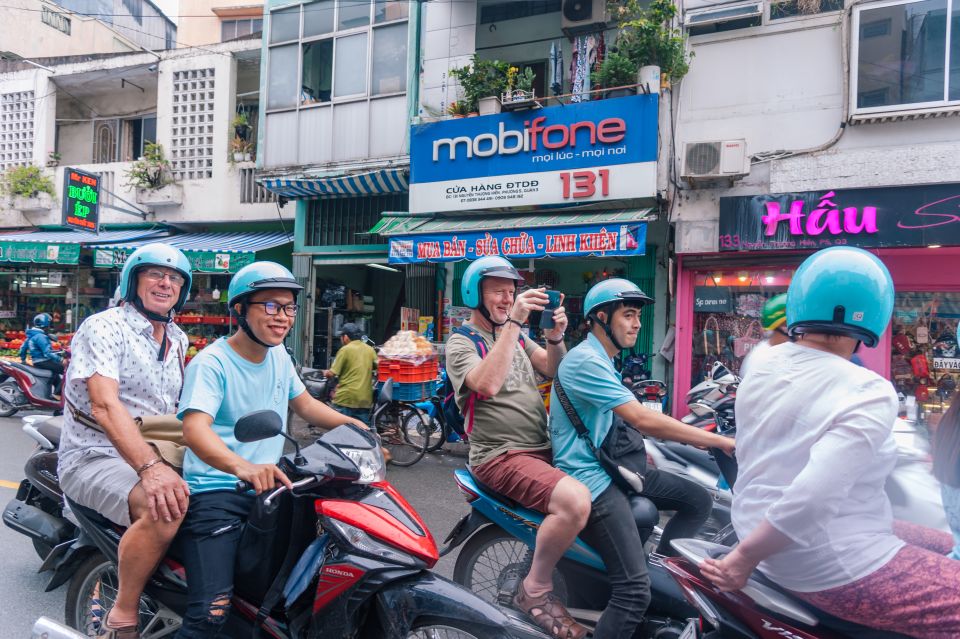
If Saigon is your first big Vietnam city, this kind of half-day loop is a smart move. You get the big visual anchors—church, post office, palace, museum, market—so later, when you wander on your own, you’re not just collecting photos. You’re placing landmarks into a story you can actually follow.
The tour also keeps the pace realistic. At 4 hours, it’s long enough to cover more than the usual “two landmarks and lunch” option, but short enough that you don’t end up exhausted before you even start exploring the rest of the city.
And yes, the scooter part matters. Riding through Ho Chi Minh City makes distances feel shorter, and it lets you experience how the streets flow around you—while still having a guide plan your stops.
You can also read our reviews of more city tours in Ho Chi Minh City



Scooter safety and what to expect on the back
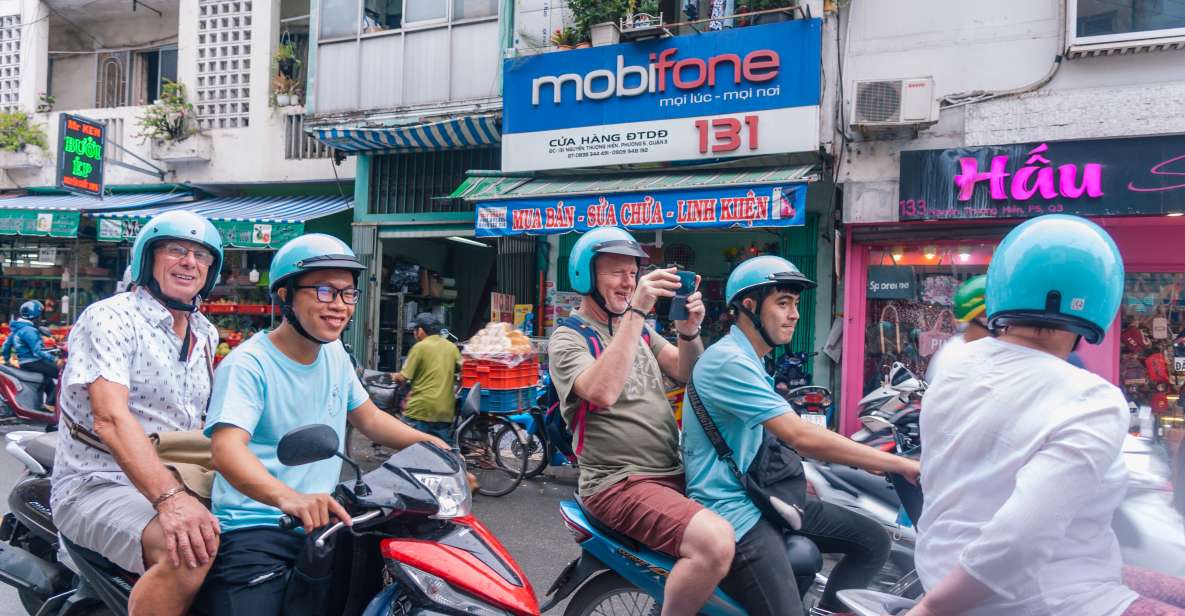
The best thing about this tour, based on the experiences people share, is how seriously the drivers take safety. Names like Brandon, Katherine, Kent, Tony, and Zayne come up with the same theme: careful driving, clear communication, and drivers who know how to handle slow-speed maneuvering with a passenger.
You’ll want to bring the right mindset. This isn’t a calm sightseeing stroll where nothing changes. You’re moving through traffic as the city moves, which is part of the charm—but also part of the reason comfortable clothes and shoes matter.
Practical tip: wear closed-toe shoes and avoid anything that flaps. You’ll be stopping often for photos and walking short distances, but most of the time you’re seated on the scooter, so small comfort choices add up fast.
Reunification Palace: the 1975 turning point you can walk through
The Reunification Palace is one of those places where the location and the details both hit hard. It served as the residence of the President of the Republic of Vietnam until 30 April 1975, and that date turns the building into more than a museum stop.
What makes it worth your time is how the visit creates a timeline in your head. Even if you only remember a few key dates, you start to connect the political story to the spaces where decisions were made. It’s a “read it with your feet” kind of site, and the included admission helps you justify spending the time here instead of skipping it to save money.
If you prefer not to sit with heavy topics for long, pace yourself. This tour moves quickly, but you can still take a minute at key rooms before you continue.
War Remnants Museum: artifacts and photos with context
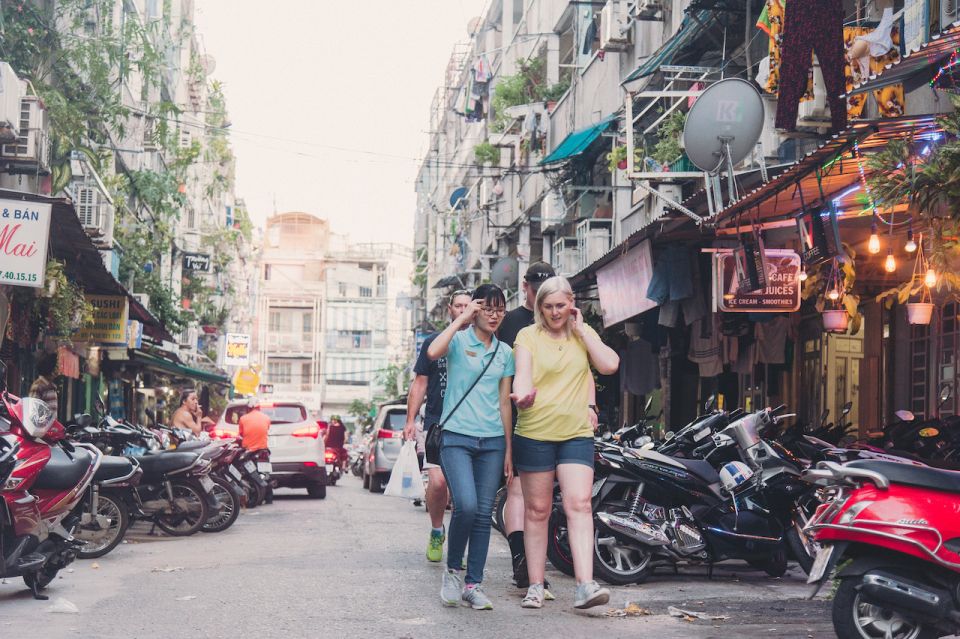
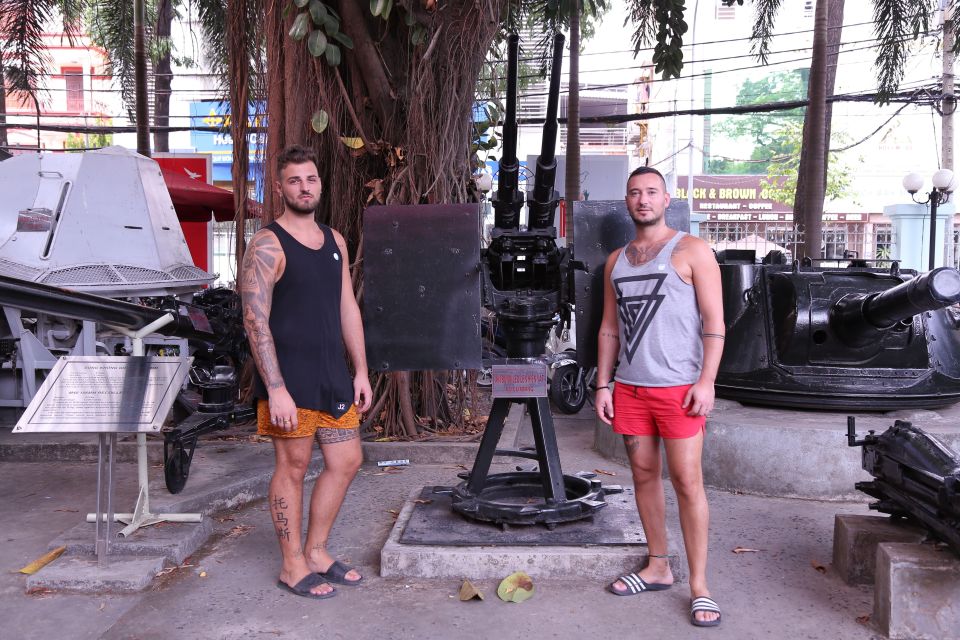
The War Remnants Museum is where your guide’s explanations become essential. You’ll see photographs and pictures, plus artifacts documenting the second Indochina war. Without that context, it’s possible to feel overwhelmed by the sheer weight of what you’re seeing.
The value here is your ability to connect visuals to meaning. You’re not just looking at displays—you’re learning how local perspectives shape the story. This tour’s promise is not abstract. It aims to give you information about the Vietnam War through explanations tied directly to the places you visit.
I’d treat this museum as the emotional center of the trip. Plan your energy accordingly. If you’re sensitive to graphic subjects, consider taking short breaks as you move between galleries.
Notre-Dame Basilica and the Central Post Office: French Saigon, up close
Next comes the more “architectural” side of the city. The Notre-Dame Basilica (also known as Saigon Cathedral) was constructed by French colonists between 1863 and 1880, and it carries that unmistakable colonial-era style.
Then there’s the Central Post Office, built 1886 to 1891. What I like about this stop is that it’s both a working city landmark and a design highlight. The building reflects Gothic, Renaissance, and French colonial elements, so even if you’re not an architecture nerd, you’ll feel the visual logic when you look around.
One practical bonus: the combo of cathedral + post office gives you a quick way to understand the French influence without hunting for each site alone. You also get a natural pace—walk, look up at details, then move on before it turns into museum fatigue.
You can also read our reviews of more museum experiences in Ho Chi Minh City





City Hall and the Opera House: civic Saigon in big, formal spaces
You’ll also pass by major civic landmarks like Ho Chi Minh City People’s Committee (City Hall) and the Opera House. These stops help you see how the city’s colonial planning and later government identity show up in its public buildings.
Look at the design language instead of rushing. Notice how proportions, facades, and formal entrances contrast with the street life you’ve been riding through. That contrast is part of the point: Saigon’s layers are visible in the way buildings frame everyday movement.
If you like street-level photography, you’ll appreciate the ability to stop at the right angles. In experiences shared by many riders, guides like Kevin and Tris are singled out for setting people up for good photos while keeping things organized.
Nguyen Hue Walking Street: a reset after heavy history

After the museum/palace intensity, Nguyen Hue Walking Street works like a pressure release. It’s a place to walk, breathe, and watch Saigon at human pace.
Even if you don’t shop, you’ll feel how the city functions now—more everyday rhythm, less wartime context. It’s also a helpful stage for regrouping if your brain needs a break from historical themes.
A tip for timing: keep your phone charged. You’ll likely want to capture both architecture and street scenes here.
Jade Emperor Pagoda: visit with the right outfit

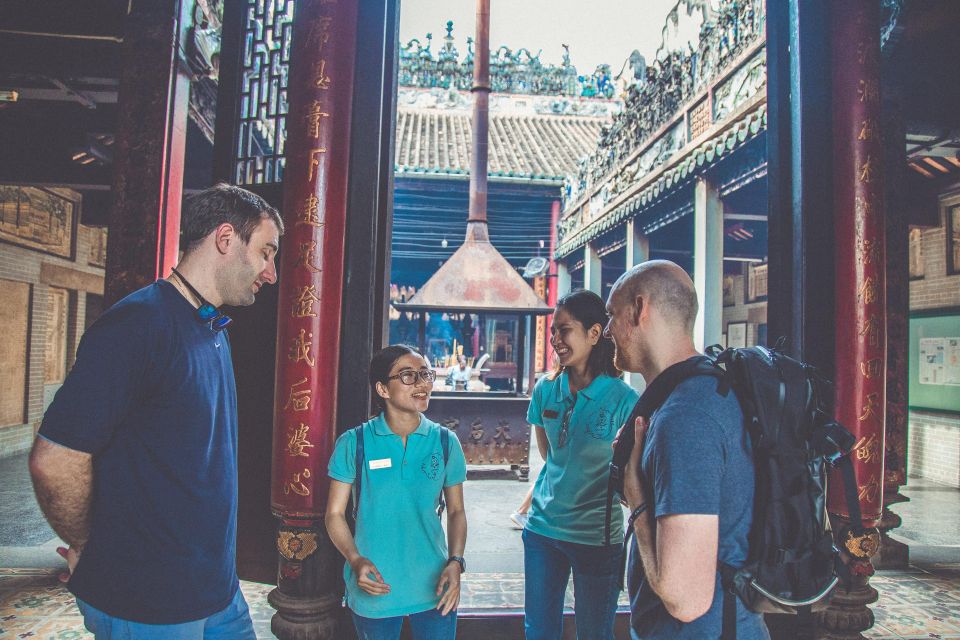
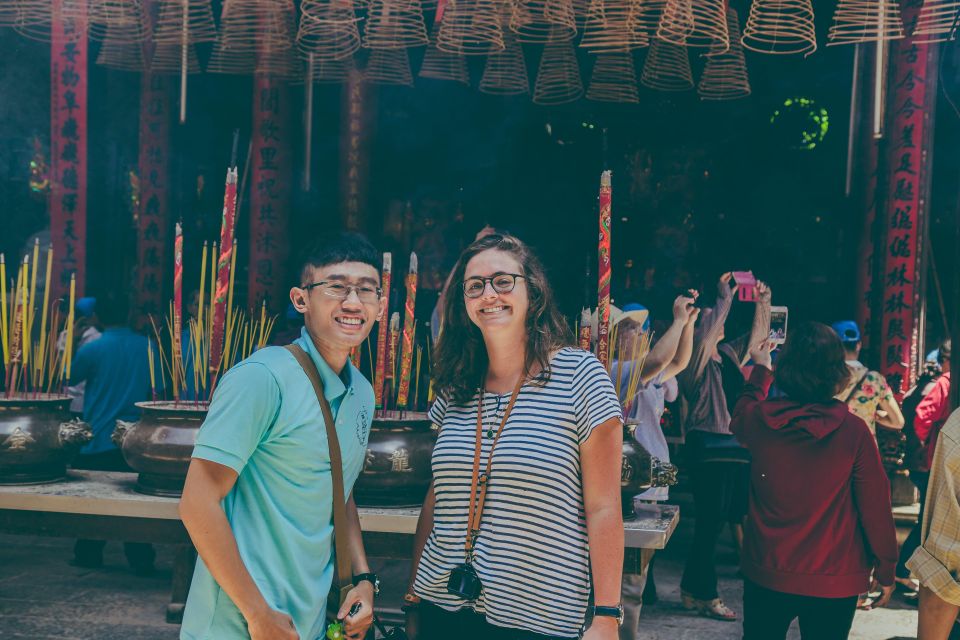
The tour also includes Jade Emperor Pagoda. This is one of those stops where rules matter, and the tour makes it clear: you must cover knees and shoulders to enter temples and pagodas.
That’s not just a formality. Plan your outfit around it before you get on the scooter. If you arrive dressed incorrectly, you can lose time fixing it, or you may be turned away. Shorts and sleeveless shirts aren’t allowed for this reason.
If you’re respectful with your clothing, you’ll be able to enjoy the temple visit without stress—and it adds a different kind of Saigon context than the war stops.
Ben Thanh Market: a classic Saigon stop for snacks and souvenirs

Ben Thanh Market is one of the oldest markets in Ho Chi Minh City. It appeared before the French invaded Saigon (the city’s earlier name), dating back to the beginning of the 17th century, built for small traders exchanging goods on the Ben Nghe River bank near a harbor by Gia Dinh Citadel.
That history makes the market feel more grounded than a typical tourist bazaar. It’s also a great place to end your tour cycle, because it’s the kind of location where you can immediately translate what you’ve been taught into real life: how people buy, sell, and move goods.
I recommend using it for a “reset purchase.” Grab something small for a snack, pick one or two souvenirs you genuinely like, and then step back out onto the streets feeling oriented.
Value and price: why $28 works for most first-timers
At $28 per person for about 4 hours, this tour can be a good value—mainly because you’re not just paying for transportation. You’re paying for guided storytelling and included big admissions.
Admission is explicitly included for War Remnants Museum and Reunification Palace, which are the two stops that often cost the most time and money if you plan them alone. You also get an English-speaking guide and a scooter with a driver, plus kumquat juice.
If you’re comparing options, this is the trade: you give up total control over timing in exchange for a tight route and clear historical connections. For a first trip, that’s often the right deal.
If you’re traveling with strong independence and don’t want a structured route, you might prefer piecing these sights together yourself. But if you want to feel Saigon make sense quickly, this is one of the simpler ways to do it.
Pickup, meeting point, and practical logistics that matter
Pickup is optional but limited to district 1 and district 3. If you’re outside those areas, there may be an extra charge, or you can meet at Cyclo Resto, 133 Nguyễn Du, Phường Bến Thành, Quận 1.
At the end, your driver returns you to your hotel, which is a real convenience after a half-day of moving around.
Dress smart and plan around the scooter time. Comfortable shoes and comfortable clothes are strongly recommended, and the no-shorts/no-sleeveless rule is non-negotiable for temple and pagoda entry.
Who this tour is best for (and who should skip it)
This tour fits you if:
- you want a fast orientation to Saigon in a single half-day
- you care about understanding the Vietnam War through a guided, place-based approach
- you enjoy mixing architecture with street scenes
- you’re comfortable on a scooter and want the city’s energy on your route
Consider skipping (or choosing a different style of tour) if:
- you strongly dislike scooters or feel anxious in traffic
- you want to choose each stop completely independently
- you’re likely to struggle with the emotional tone of war-focused museum content
Should you book this motorbike city tour?
I’d book it if you want Saigon to feel legible quickly: French-era landmarks for the visuals, war sites for the context, and Ben Thanh for the real-world finish. The included admission for the two major attractions makes the price easier to justify, and the repeated emphasis on safe, careful driving is exactly what you want when you’re riding pillion.
If you go in with the right expectations—comfortably dressed, ready for street riding, and prepared for serious historical material—you’ll come away with more than photos. You’ll leave with a mental map of how Saigon’s story connects.
FAQ
How long is the City Tour By Motorbike w/ War Museum & Reunification Palace?
It lasts about 4 hours.
How much does the tour cost?
The price is $28 per person.
What’s included in the tour price?
It includes an English-speaking tour guide, a scooter with driver, entrance fees, and kumquat juice.
Are entrance fees included?
Yes. Entrance fees are included for the War Museum and Reunification Palace.
Does the guide speak English?
Yes. The tour includes a live guide in English (and Vietnamese).
Is there a private tour option?
Yes, a private tour option is available.
Where does pickup happen?
Pickup is optional only in district 1 and district 3. Otherwise, you can use the meeting point at Cyclo Resto, 133 Nguyễn Du, Phường Bến Thành, Quận 1.
Where will the tour end?
Your driver will take you back to your hotel.
What should I wear?
Bring comfortable shoes and comfortable clothes, and plan to cover your knees and shoulders for temples and pagodas.
Can I pay later or cancel for free?
You can reserve now and pay later, and you can cancel up to 24 hours in advance for a full refund.