REVIEW · HO CHI MINH CITY
Half Day Ben Duoc Tunnels Tour Ho Chi Minh City
Book on Viator →Operated by The Sun Tourist · Bookable on Viator
A tunnel system can feel like a maze, but this one also tells a human story. You’ll get a tight, well-paced day that starts with central District 1 pickup and ends back the same way, with an English-speaking guide who keeps the war’s details clear. I like that it’s organized for real sightseeing time, not just waiting around.
What makes it especially worth your attention is the stop itself: a multi-level underground world with functional rooms, secret design, and practical wartime ingenuity. I also like the added layers above ground, including an open-air display of military equipment and a memorial space that shifts your focus from facts to names.
One consideration: parts of the experience involve very cramped tunnels, and if you want to try the shooting range, budget extra since it’s not included. Plan for a day that’s equal parts history and physical challenge.
In This Review
- Key things I’d watch for on this tunnel tour
- Tunnels That Feel Built for Living, Not Just Hiding
- The Morning Plan: 8:00 AM Pickup and the Drive Out of Ho Chi Minh City
- Tunnel Time: Living Quarters, Medical Rooms, and Hidden Exits
- The Open-Air Weapons Museum: Aircraft, Tanks, Bombs, and More
- Ben Duoc Memorial Temple: The Names That Change the Mood
- Reconstructed Liberated Zone: Walking Through Wartime Daily Life
- Price and Value: $29, What You Get, and the Gun Range Add-On
- Guides Who Keep the Day Clear (and Answer the Tough Questions)
- Timing, Weather, and What to Bring for a Cramped Day
- Who This Tour Is Best For (and Who Should Rethink It)
- Should You Book This Half-Day Tunnel Tour from Ho Chi Minh City?
- FAQ
- What time does the tour start?
- How long is the experience?
- Is hotel pickup and drop-off included?
- What’s included in the ticket price?
- Is the shooting range included?
- How big is the group?
- What if the weather is bad?
Key things I’d watch for on this tunnel tour
- Small group size (max 12), which helps your guide keep pace and answer questions
- Hotel pickup and drop-off in District 1 by air-conditioned minivan
- Underground design you can actually see: ventilation holes, hidden entrances/exits, traps
- Living-world details like underground kitchens (including the Hoang Cam technique)
- More than tunnels: open-air aircraft, tanks, bombs, and weapons
- A memorial stop with stone tablets listing tens of thousands of martyrs
Tunnels That Feel Built for Living, Not Just Hiding
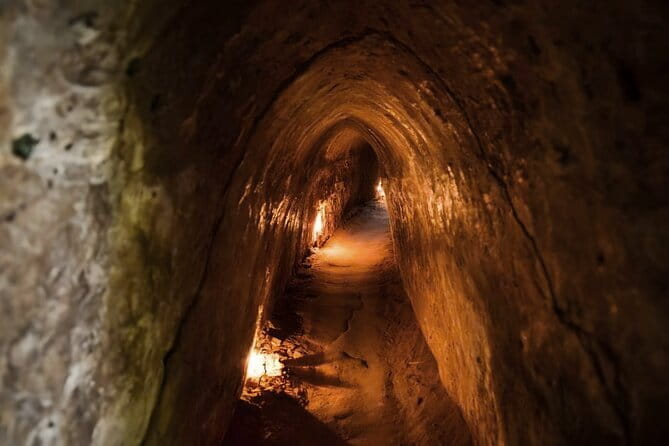
Tunnel sites in Vietnam can turn into one-note sightseeing if all you see are crawlways. This experience does better. The tunnel complex is described as a functional system with multi-level spaces: living quarters, work areas, meeting rooms, a medical chamber, and weapon storage. That matters because it helps you understand why tunnels weren’t only escape routes. They were homes, workplaces, and command spaces.
What I like most is the way the tour connects engineering to daily survival. When you learn about ventilation holes, hidden entrances, and the logic behind traps, it stops being just dramatic. It becomes practical. You start seeing how a community could keep operating underground, even under constant pressure.
And you get the contrast of above-ground exhibits and memorial areas too. That mix gives you a cleaner emotional arc than tunnel-only tours.
You can also read our reviews of more city tours in Ho Chi Minh City

The Morning Plan: 8:00 AM Pickup and the Drive Out of Ho Chi Minh City
The day kicks off at 8:00 am, with pickup from centrally located hotels in District 1. You ride in an air-conditioned minivan and get bottled water. The group is small, and that usually means fewer delays and less stop-and-go once you’re on the road.
You also get a guided ride into the countryside. The schedule includes about a 1.5-hour drive, during which your guide shares context on the tunnels, the war, and local culture. That pre-load is useful. By the time you reach the site, you’re not starting from scratch.
Here’s the practical thing to plan for: traffic out of the city can be slow in the morning. One reason people value tours like this is that the itinerary is structured to keep the time meaningful. If you want a calm day, aim to be early for pickup so you don’t burn daylight.
Tunnel Time: Living Quarters, Medical Rooms, and Hidden Exits
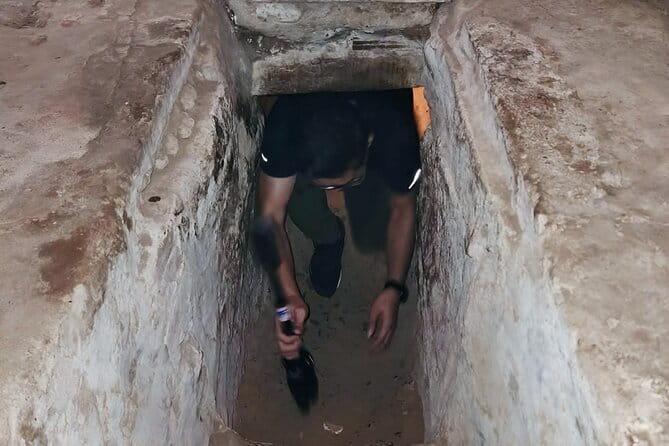
Once you reach the tunnel complex, you’ll explore narrow passageways and underground chambers. The tour description highlights that it’s not a single “tour tunnel.” It’s a system with different rooms and functions, including places for living, working, meeting, and medical care. That variety helps your brain stay engaged as you move deeper and lower.
Expect to see and hear about:
- Hidden entrances and exits, which explain how people could move without being easily detected
- Ventilation holes, showing how air flow mattered for long-term use
- Wartime traps, which make it clear that safety and security were built into the layout
- Storage and utility spaces, including weapon storage and the idea of underground logistics
Also, the tour points out the “Hoang Cam” kitchen approach, a smoke-disguising cooking technique. Even if the technical details are complex, the takeaway is simple: cooking had to be possible while still hiding activity. You’re seeing wartime problem-solving translated into physical space.
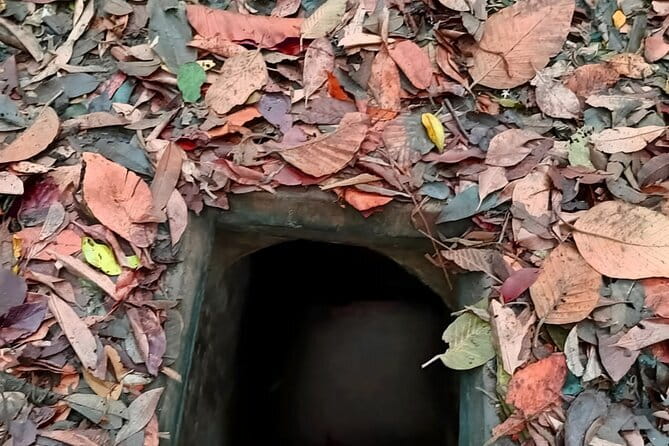
One note for your comfort: tunnels are narrow by nature. Even if the tour says most travelers can participate, this is still crawl-style sightseeing. Wear clothing that you’re okay getting dusty, and be ready for low-ceiling moments.
The Open-Air Weapons Museum: Aircraft, Tanks, Bombs, and More
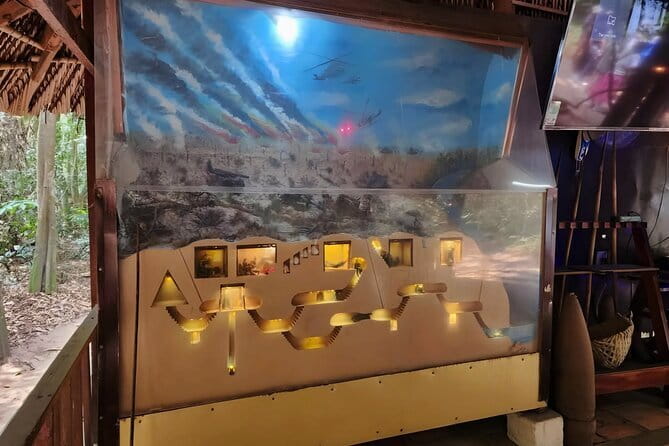
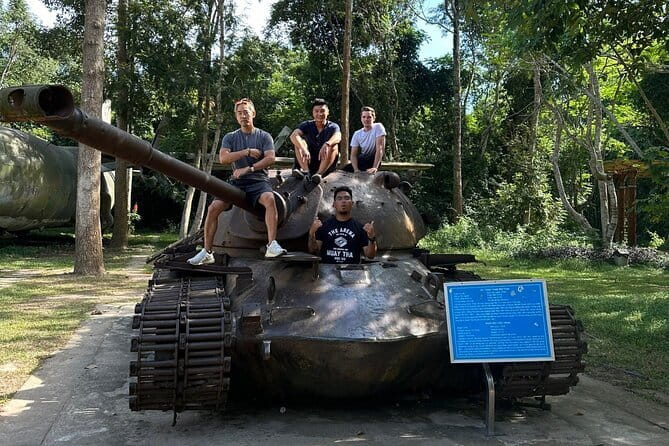
This isn’t only underground. The experience includes an open-air museum area with aircraft, tanks, bombs, and various weapons. That part helps you “zoom out” after you’ve been focused on the dark maze.
Why this matters: seeing weapons and equipment above ground gives you a sense of scale. Underground survival only makes sense in context, and the exhibits help you connect the tunnel system to what it was meant to counter.
It’s also a good pacing tool. After time crawling through confined spaces, an outdoor display can feel like relief while still staying on theme. You get a different kind of understanding: less about personal movement and more about the broader conflict environment.
Ben Duoc Memorial Temple: The Names That Change the Mood

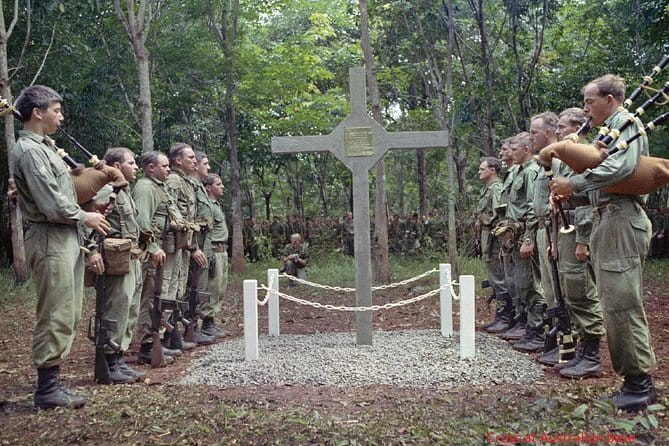
One of the most powerful parts of the described tour is the Ben Duoc Memorial Temple, a place honoring fallen soldiers. The key detail here isn’t a building style or a view. It’s the stone tablets engraved with the names of tens of thousands of martyrs.
This stop shifts the tone. Tunnel tours can sometimes drift into a technical checklist—doors, traps, passages. A memorial stop keeps it human. You can stand there and feel how the story is not abstract, even if you’re seeing the site as a visitor.
If you like history, this is the part that sticks. If you’re bringing teens or first-time visitors, it often becomes the moment when questions turn from facts to meaning.



Reconstructed Liberated Zone: Walking Through Wartime Daily Life

The tour also includes a reconstructed liberated zone that recreates wartime landscapes and daily life. This is your chance to understand what “life underground” and “life under pressure” meant day-to-day—how people organized routines, navigated danger, and kept functioning.
A reconstructed area can be hit-or-miss on some tours, depending on how it’s presented. Here, the value is that it aligns with the tunnel system’s purpose. It’s not a random set. It’s meant to complement the underground rooms you’re seeing.
So when you compare the two, it helps your brain build a fuller picture: underground for survival and movement, plus above-ground life structured around threat.
Price and Value: $29, What You Get, and the Gun Range Add-On
At $29 per person, this tour sits in the “good value” category, mostly because key costs are bundled. Included in the price are:
- admission ticket
- hotel pickup and drop-off (central District 1)
- air-conditioned vehicle
- bottled water
- a friendly, super-informative English tour guide
- mobile ticket
That bundled structure matters in Ho Chi Minh City. You’re not just paying for entry. You’re paying for the logistics and interpretation that make the day smoother.
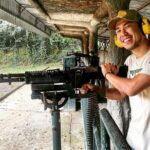
The big optional extra is the shooting range. A shooting gun costs 60,000 VND per bullet, and it’s not included. If you’re curious, set aside a little cash so you can decide on the spot without stress. If you’re not into it, it’s easy to treat as optional.
One small caution: tunnel sites are physically active. If you’re budgeting tightly, think of the optional range as the first place you might spend more—not the tour itself.
Guides Who Keep the Day Clear (and Answer the Tough Questions)
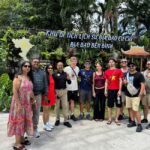
The quality of a tunnel tour often comes down to the guide. In the feedback you can see a consistent theme: the guides are energized, speak good English, and answer questions with an even, professional approach.
You’ll also notice specific guide names coming up—people like Thang, Thanh, Khang, Minh, Mark, and James. That variety is reassuring. It suggests the operator keeps guide quality consistent enough that different groups still get a solid interpretive experience.
If you care about understanding the war beyond slogans, this is where it pays off. The guide isn’t just narrating what you see. They’re connecting tunnels to daily life, local culture, and why the underground system worked at all.
Timing, Weather, and What to Bring for a Cramped Day
The tour runs about 7 to 8 hours. It’s labeled half-day, but the schedule is still a real day-trip length. That’s normal for tunnel excursions from Ho Chi Minh City, since you need travel time and time on site.
Weather matters. The experience notes it requires good weather, and if conditions are poor, you’ll either be offered a different date or a full refund. That’s important for practical planning. Outdoor areas and walking through site features depend on conditions.
What to bring:
- comfortable shoes you can handle on uneven or dusty ground
- light layers (tunnels can feel cooler, but outdoor museums and walking can heat up)
- a small towel or wipes (tunnel dust is real)
- cash for optional extras like the shooting range, since it’s priced separately
Also consider posture and mobility. Even if you can participate, you’ll want to move slowly, follow instructions closely, and be respectful of safety rules in tight spaces.
Who This Tour Is Best For (and Who Should Rethink It)
This is a great fit if you want:
- a structured day with pickup, tickets, and interpretation handled for you
- hands-on history through a tunnel system with multiple functional rooms
- a balance of underground exploration plus outdoor exhibits
- a meaningful memorial component with names engraved on stone
It’s also a strong match for families where teens are old enough to tolerate physical spaces and still engage with the story. In particular, if you’re pairing this with other Vietnam War context from around the city, the tunnel tour tends to feel like the missing piece.
You might want to rethink if:
- you have limited mobility or claustrophobia and aren’t comfortable with narrow passages
- you only want indoor, easy walking
- you’re hoping for a short visit focused only on a viewpoint or photo stops
Should You Book This Half-Day Tunnel Tour from Ho Chi Minh City?
If you want real value for your time, I’d book it. The price is reasonable for what’s included, and the tour isn’t tunnel-only. You get underground chambers, an open-air weapons display, a memorial temple with names on stone, and a reconstructed zone that helps you visualize wartime daily life.
The biggest reason to choose it is clarity. With a small group and an English guide, you’ll get answers instead of just a route. The tunnels alone are memorable, but the guide-led context is what turns it into understanding.
Just do one thing before you go: double-check the site focus if the tour name and the written itinerary you see don’t match perfectly. If you’re unsure whether you’ll spend time at Ben Duoc specifically versus another tunnel complex area, confirm with the operator so you get exactly the experience you expect.
FAQ
What time does the tour start?
It starts at 8:00 am.
How long is the experience?
It’s listed as about 7 to 8 hours.
Is hotel pickup and drop-off included?
Yes. Pickup and drop-off are included from hotels in the central part of District 1.
What’s included in the ticket price?
Included are entrance fees, an air-conditioned vehicle, an English tour guide, bottled water, and hotel pickup/drop-off in central District 1. A mobile ticket is also used.
Is the shooting range included?
No. Shooting guns are an optional extra, priced at 60,000 VND per bullet, and it’s not included.
How big is the group?
The maximum group size is 12 travelers.
What if the weather is bad?
The experience requires good weather. If it’s canceled due to poor weather, you’ll be offered another date or a full refund.