REVIEW · HO CHI MINH CITY
HCMC: English or German War History Tour: Tunnels & Museums
Book on GetYourGuide →Operated by TripGuru Vietnam · Bookable on GetYourGuide
One day in Ho Chi Minh, and it hits hard. This war-history tour connects the Cu Chi Tunnels to the War Remnants Museum with straight, on-the-ground storytelling, and I like how it uses real testimony through a war veteran to keep the sites from feeling like empty exhibits. I also appreciate that the tour has a small-group feel, and guides like Binh bring the history down to clear, human-scale explanations. The main drawback to consider is that it’s a long 9-hour day with serious subject matter, plus it’s not for everyone health- or mobility-wise.
You’ll ride in an air-conditioned vehicle between stops and get hotel pickup in select areas, which makes the day feel efficient instead of exhausting. Then you build the route like a timeline: underground life and guerrilla tactics at Cu Chi, then the museum’s Vietnam and Indochina War displays, followed by big political landmarks around central Saigon. If you’re looking for a light, carefree outing, this one may feel heavy.
In This Review
- Key Things to Know Before You Go
- Why This HCMC War History Tour Works in One Full Day
- Cu Chi Tunnels: Underground Survival and Veteran Stories
- War Remnants Museum: From Indochina to Vietnam War Exhibits
- Independence Palace: Saigon’s Political Heart and Big Architecture
- Notre-Dame Cathedral and the Central Post Office: French-Saigon Landmarks
- The Guide, Small-Group Pace, and War-Veteran Moment
- Price and Value: What $115 Covers and What Might Cost Extra
- Pickup Areas, Timing, and How to Set Yourself Up for Success
- What to Bring: Heat, Walking, and Sensible Survival Gear
- Who This Tour Fits Best (and Who Should Skip It)
- Should You Book This Cu Chi Tunnels and Museums Tour?
- FAQ
- How long is the tour?
- What major sites does the tour include?
- Is hotel pickup and drop-off included?
- What’s included in the price?
- Are meals included?
- Is the rifle firing option included?
- What should I bring?
- Is there an age or health restriction?
- What’s the cancellation policy?
Key Things to Know Before You Go
- Cu Chi Tunnels plus a war veteran gives the history a human voice, not just facts on boards
- A tightly packed route fits Cu Chi, War Remnants Museum, Independence Palace, Notre Dame Cathedral, and the Central Post Office into one day
- Small-group limits (up to 9 people) help you keep moving without feeling rushed
- Air-conditioned transport saves you from Ho Chi Minh heat between stops
- Entrance fees can vary by tour option, so check whether you’re paying those on the day
- Optional rifle firing is available for an extra cost, if that’s your thing
Why This HCMC War History Tour Works in One Full Day
If you only have one day in Ho Chi Minh City and you want the war story from multiple angles, this format makes sense. You start outside the city at Cu Chi Tunnels, then come back for the War Remnants Museum, and finish with major landmarks in central Saigon that reflect how the war era reshaped power and architecture.
I like that it doesn’t treat the day as a checklist. The pacing is built like cause-and-effect: survival tactics first, then how the conflicts are documented and remembered, then the political symbolism of Independence Palace and the French colonial imprint visible in places like the cathedral and post office.
The other value here is scale control. The tour runs in a small group (limited to 9 participants), so you’re not stuck watching a bus-sized crowd shuffle between exhibits. You also get hotel pickup and drop-off in defined districts, which cuts out a lot of your day-planning stress.
You can also read our reviews of more historical tours in Ho Chi Minh City


Cu Chi Tunnels: Underground Survival and Veteran Stories
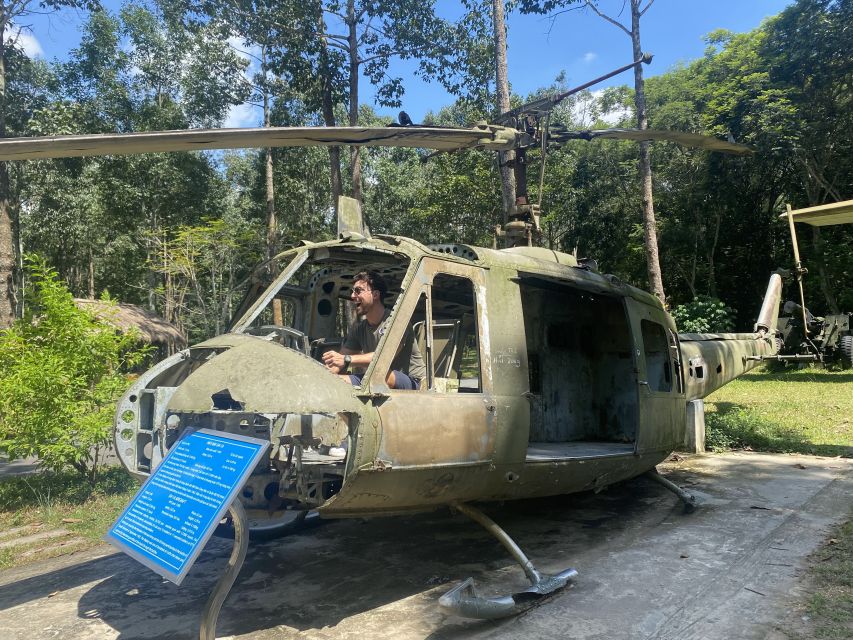
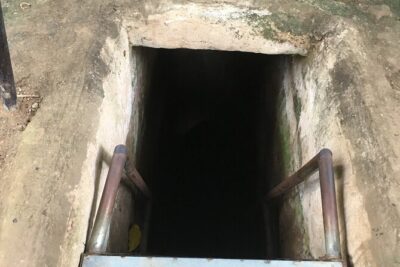
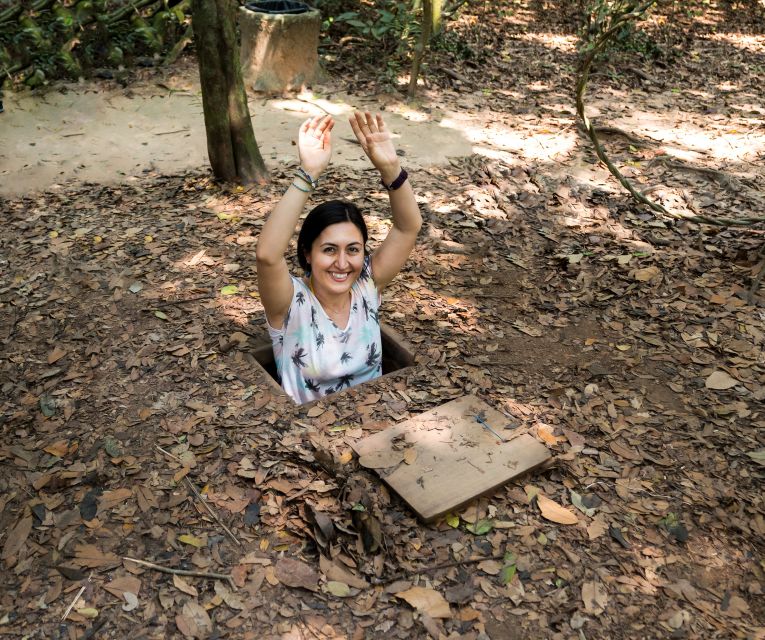
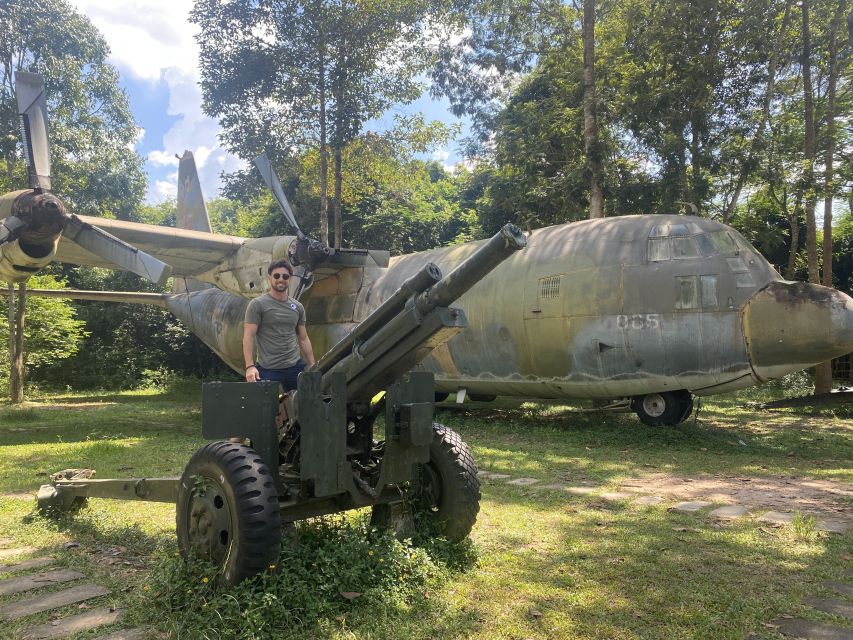
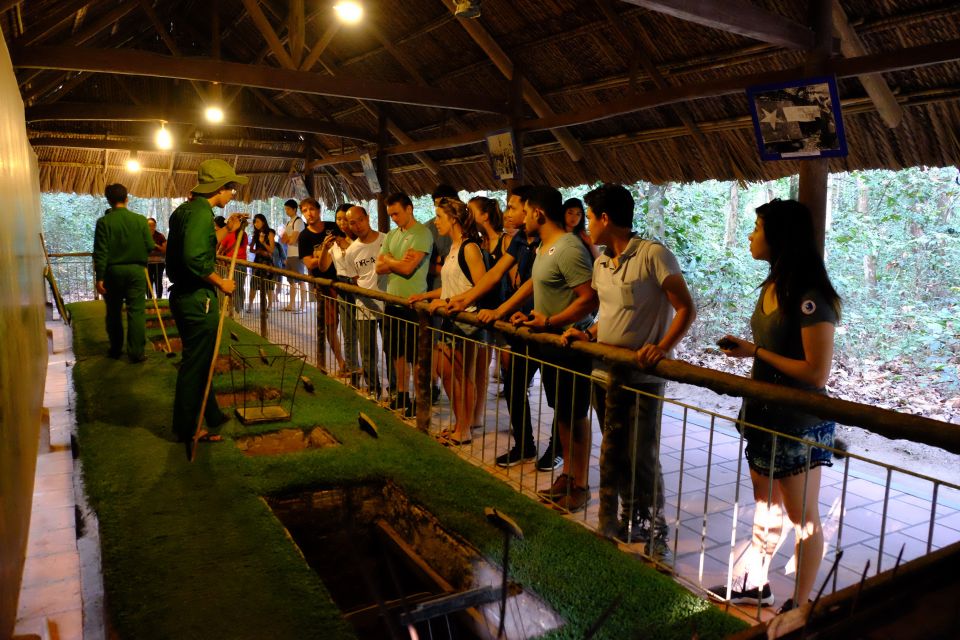
Cu Chi Tunnels is the part of the day that surprises people. You’re looking at an underground network that was used during the Vietnam War and the Tet Offensive, and you’ll understand it less like a movie prop and more like a system people depended on.
You’ll get about an hour at the tunnels with a guided visit. That time matters: it’s long enough for you to follow the route and wrap your head around how the tunnels functioned, but not so long that the experience turns into a blur.
One standout feature is the war veteran interaction. Hearing real wartime stories alongside the physical tunnels changes what you notice. You tend to pay more attention to practical details—how space feels underground, how people moved, and why the terrain mattered—because the guide isn’t asking you to imagine from scratch.
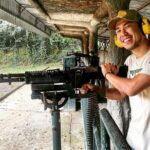
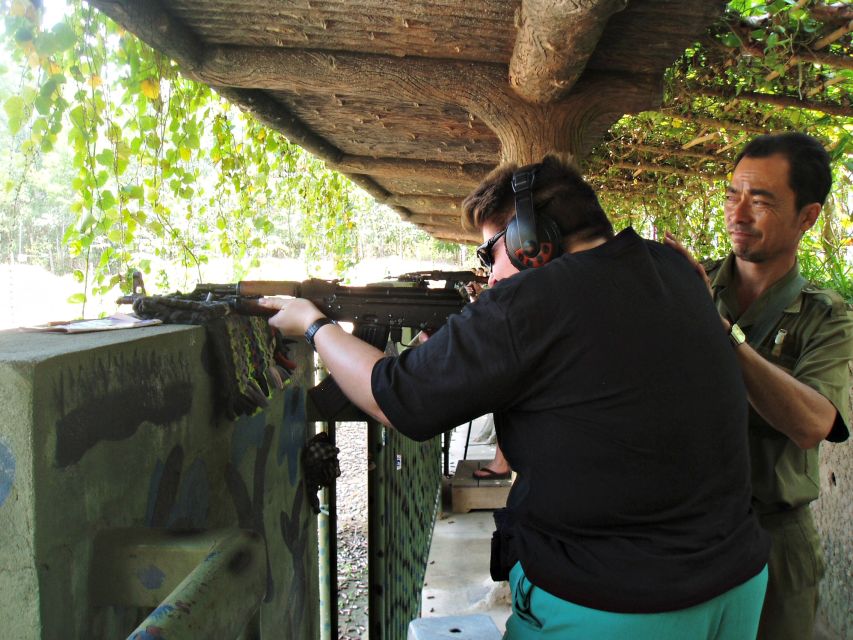
There’s also an optional rifle firing experience for an extra fee. If you’re curious, it’s there, but you can still have a meaningful visit without it.
Practical note: the tunnels can be physically demanding. Comfortable shoes help a lot, and the day’s heat outside can make you feel it more than you expect once you come out again.
War Remnants Museum: From Indochina to Vietnam War Exhibits
After Cu Chi, the War Remnants Museum shifts the tone from underground survival to documentation and memory. You’ll have around 75 minutes here, which is a good length for walking through exhibits at a steady pace without feeling like you’re being rushed.
The museum’s displays cover both the First Indochina War and the Vietnam War. That pairing is useful if you want context beyond just one label. It also helps you see how conflict evolved over time, rather than treating each era as a separate chapter with no links.
This stop is where the tour’s guide skills really show. A clear guide can point out what to focus on so you don’t get overwhelmed. You’ll also find the exhibits include photos and war-related material, which can be graphic and emotionally intense, depending on your comfort level.
A small practical bonus: you’ll be in a guided group, so you’re less likely to wander in circles or miss sections. And because you’re traveling with transportation lined up, you don’t have to worry about timing between the museum and the next stops.
Independence Palace: Saigon’s Political Heart and Big Architecture
Independence Palace is the day’s change of pace in the best way. It’s still about war-era power and decisions, but it feels more like walking through rooms where history happened, not reading it after the fact.
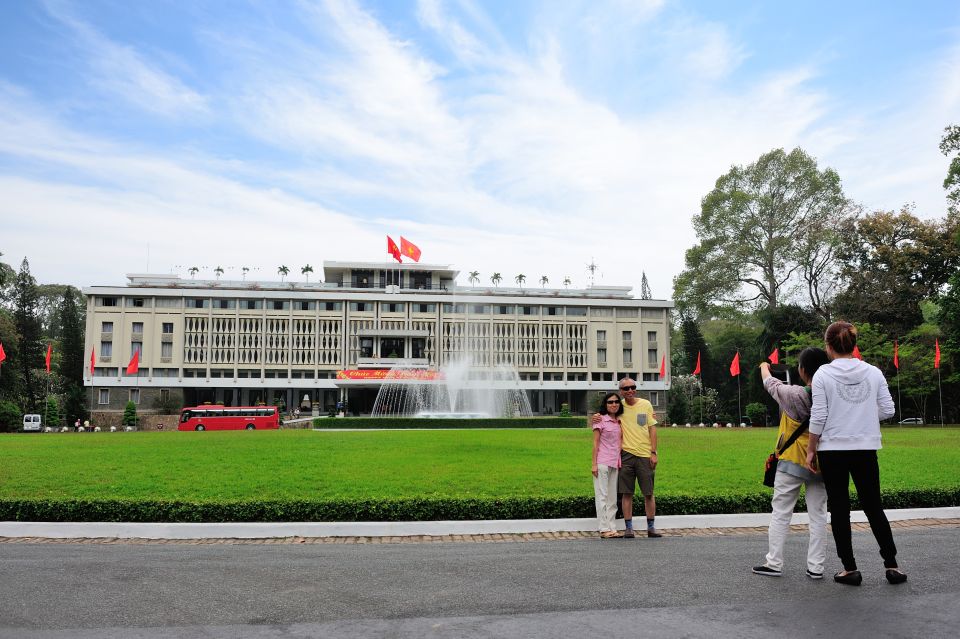
You’ll get about 75 minutes to explore with a guided visit. This is long enough to take in the grand hall and key spaces, and still ask questions if your guide offers context. I like stopping here after the museum because it turns the story outward: you can connect what you learned in exhibits to the places where leaders worked.
The palace was once the home and office of Vietnam’s presidents, and that background adds weight as you look at the scale and layout. It’s not just pretty architecture; it’s political architecture—spaces built for authority, communication, and control.
If you’re sensitive to the darker parts of war history, keep in mind this stop is less graphic than a museum exhibit. Still, it sits inside the same historical reality, so expect the tone to remain serious.
Notre-Dame Cathedral and the Central Post Office: French-Saigon Landmarks
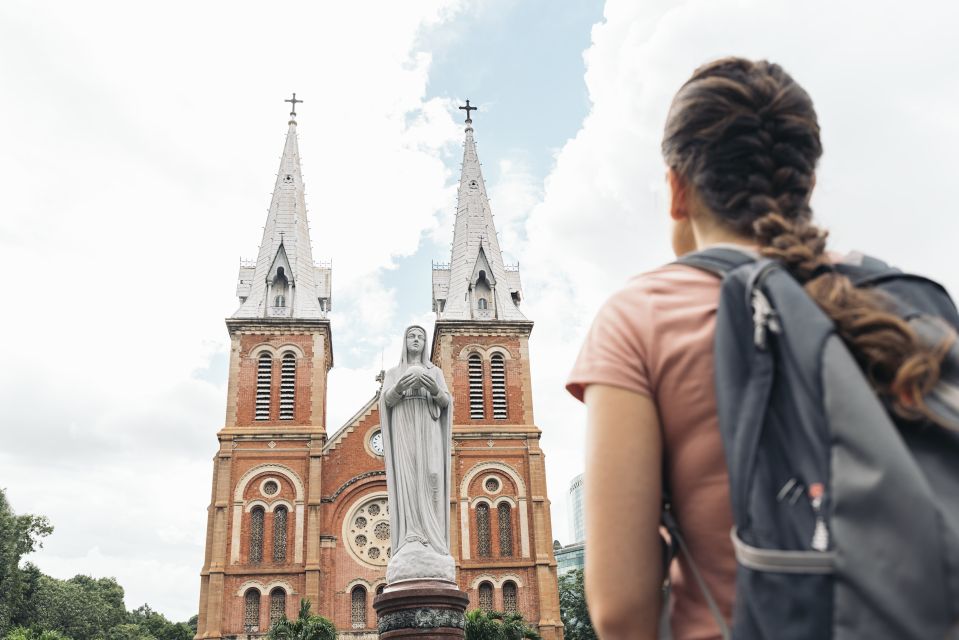
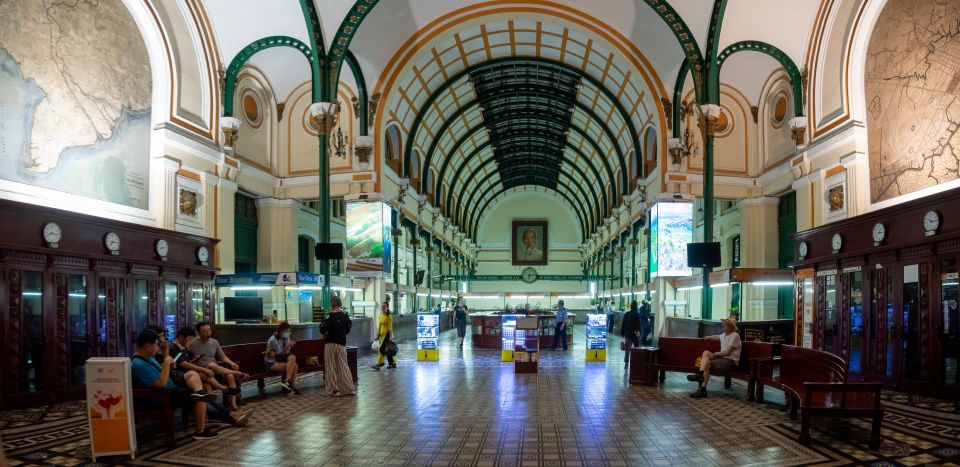
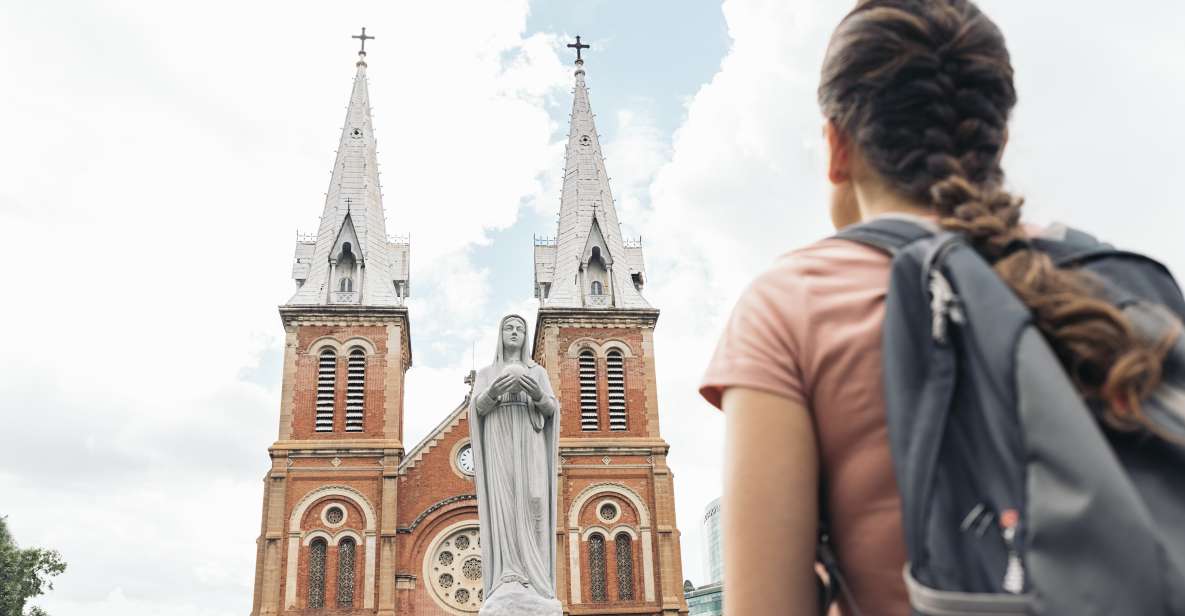
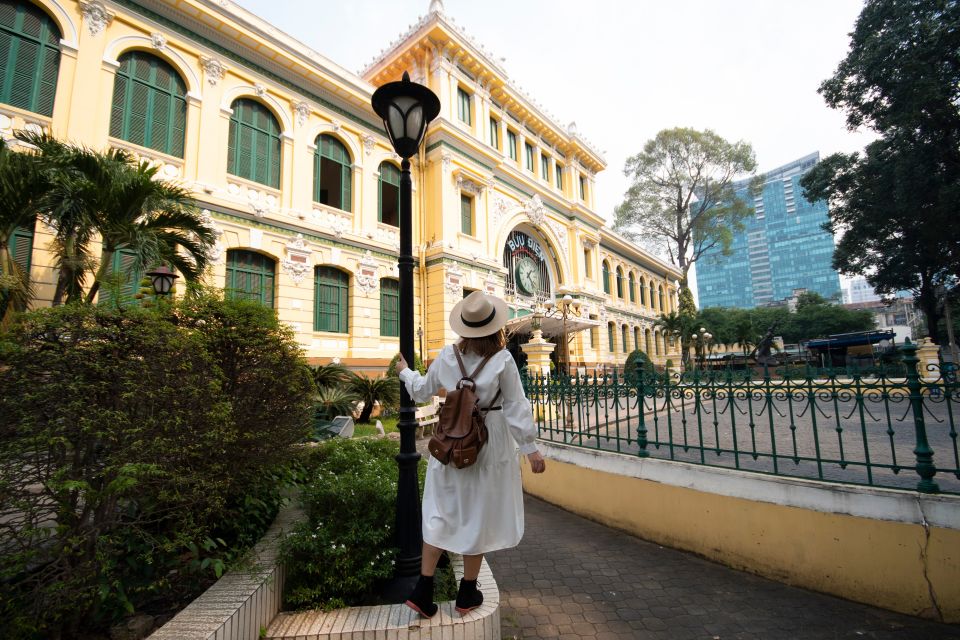
After the palace, you’ll visit two major central landmarks: Saigon Notre-Dame Cathedral and the Central Post Office. Together they help you see how foreign influence shaped the city’s look, even as the conflict around it continued.
At Notre-Dame Cathedral, you’ll have around 30 minutes. You’ll see the design built by French colonists and likely spend most of that time appreciating the building from the outside and in the immediate area around it. It’s a good window for photos and a quick reset after more intense museum time.
Then it’s across the cathedral area to the Central Post Office, also about 30 minutes. This building has a heavy French influence too, and it’s known for its sweeping ceilings. You’ll also have time to browse local vendor stalls nearby, which is a nice way to break up the day before heading back.
What I like about pairing these stops is that they show Saigon as more than war. They’re reminders that cities have layers: colonial planning, local life, and modern identity all overlapping. Even if your focus is war history, you end up with a more complete picture of the city’s physical culture.
You can also read our reviews of more museum experiences in Ho Chi Minh City




The Guide, Small-Group Pace, and War-Veteran Moment
The quality of the guide changes this tour a lot. In the feedback I’ve seen, Binh stands out for being friendly and helpful, and that matters when you’re dealing with difficult topics. When a guide can explain clearly, you don’t just see places—you understand why they mattered.
Because the group is limited to 9 participants, the tour avoids that chaotic feel you get on large bus tours. You can hear your guide, you can ask questions at stops, and you spend more time experiencing the sites and less time tracking the group.
You’ll also get an itinerary that moves in a logical sequence, with set visits for each stop (tunnels, museum, palace, cathedral, post office). That kind of structure helps you stay oriented and keeps the day from turning into a messy patchwork.
One added comfort detail: you get exclusive use of a resting hut. It’s a small thing, but after time underground and in the city heat, having a place to pause helps.
Price and Value: What $115 Covers and What Might Cost Extra
The price is listed at $115 per person, and most of the value comes from the combination of transportation, guide time, and site access depending on your chosen option.
Included items are solid for a one-day package:
- hotel pickup and drop-off (in specific districts)
- air-conditioned vehicle transport
- a professional English-speaking tour guide
- interaction with a war veteran
- exclusive use of the resting hut
- drinking water
- local taxes and fees
- fuel charges
- entrance fees for private and small group tour with entrance-fee options
What might cost extra:
- rifle firing fee (optional)
- meals (not included)
- entrance fees if you choose the standard small group tour option (listed around VND 225K per person)
So the real question for value is this: are you booking an option where entrance fees are included, or are you paying them separately? If you compare both, the package usually makes sense for one-day visitors because it saves you from figuring out transport and timing on your own.
Also, this tour is long. Paying for it can feel worth it if you want an efficient, guided timeline and you’d rather spend your time learning than negotiating rides across town.
Pickup Areas, Timing, and How to Set Yourself Up for Success
Pickup is included, but only for hotels in defined areas. The information provided lists pickup availability mainly for District 1 (with some exceptions noted for Tan Dinh Ward & Da Kao Ward) and for District 3 (only in Vo Thi Sau Ward & 6th Ward). You’ll also see guide pickup at District 5 and District 4 options depending on where you’re staying.
You’ll look for a guide wearing a TripGuru shirt or holding a TripGuru sign. That’s a practical detail that can save you a lot of stress at the start of the day.
Because the tour lasts 9 hours, plan your morning around being ready for pickup and comfortable being out for most of the day. Since meals are not included, set aside budget for lunch during the stop where you can grab local food before the museum.
If you want photos, bring your camera plan too. The cathedral and post office are quick stops, so you’ll get images, but don’t count on long photo sessions. For the tunnels and museum, go slower with your eyes than your hands. War history rewards attention, not just shooting fast.
What to Bring: Heat, Walking, and Sensible Survival Gear
This day is easier when you dress for real weather and real walking. The tour guidance includes a practical packing list, and I strongly agree with it.
Bring:
- comfortable shoes
- sunglasses and sunscreen
- an umbrella
- insect repellent
- a camera
- cash
Why cash? You’ll likely encounter places where you might want to pay for small items or optional experiences, and you’ll want flexibility. Also, meals aren’t included, so you’ll need a way to handle lunch costs without scrambling.
Health and comfort matter more than people expect. If you’re sensitive to heat, choose clothing that won’t trap sweat. If you get tired easily, remember the day is structured around consecutive stops, not long breaks.
Who This Tour Fits Best (and Who Should Skip It)
This is a great fit if you want a guided, one-day timeline of HCMC war history and you value seeing multiple key sites in a coherent order. It also works well if you like learning from a guide who can explain what you’re looking at, plus you appreciate the impact of hearing from a war veteran.
It’s not suitable for:
- children under 7
- pregnant women
- people with mobility impairments
- people with heart problems
- people with respiratory issues
And because the topic is intense and the sites can be physically demanding (especially Cu Chi), you should be honest about your comfort level before booking.
If you prefer a lighter sightseeing day focused only on architecture and food, you might feel this is too heavy. But if you want context and you’re ready for something serious, this tour delivers.
Should You Book This Cu Chi Tunnels and Museums Tour?
I’d book it if you meet two conditions: you have only one day in Ho Chi Minh City, and you want the war story told through places, not just headlines. The combination of Cu Chi, the War Remnants Museum, and Independence Palace gives you a strong “timeline feeling,” and the small group size helps you actually absorb it.
I would think twice if you dislike emotional or graphic content and you know you’ll struggle with intense museum exhibits. I’d also be cautious if long hours and physical stops don’t work for your body, since this is a 9-hour tour with multiple walking segments.
If you do book, choose your option carefully. Check whether entrance fees are included in your price choice, and remember that lunch is on your own. Get your shoes ready, pack for sun and insects, and you’ll get a day that teaches you how Saigon’s modern identity grew out of wartime reality.
FAQ
How long is the tour?
The tour duration is 9 hours.
What major sites does the tour include?
It includes Cu Chi Tunnels, the War Remnants Museum, Independence Palace, Saigon Notre-Dame Cathedral, and the Saigon Central Post Office.
Is hotel pickup and drop-off included?
Yes. Hotel pickup and drop-off are included, but pickup is only available for hotels in certain districts listed in the tour details.
What’s included in the price?
Included items are hotel pickup/drop-off, transport in an air-conditioned vehicle, a professional English-speaking guide, war veteran interaction, exclusive use of a resting hut, drinking water, local taxes and fees, fuel charges, and entrance fees depending on the tour entrance-fee option.
Are meals included?
No. Meals are not included, even though there is a lunch stop during the day.
Is the rifle firing option included?
No. Rifle firing is optional and there is an extra fee.
What should I bring?
Bring comfortable shoes, sunglasses, an umbrella, a camera, sunscreen, insect repellent, and cash.
Is there an age or health restriction?
The tour is not suitable for children under 7, pregnant women, people with mobility impairments, people with heart problems, or people with respiratory issues.
What’s the cancellation policy?
You can cancel up to 24 hours in advance for a full refund, and there is a reserve now & pay later option.