REVIEW · HO CHI MINH CITY
Farm-To-Table Healthy Cooking Class: Half-Day Tour
Book on GetYourGuide →Operated by Westen Asian Travel Service Company · Bookable on GetYourGuide
Your dinner starts as a garden hunt. This farm-to-table half-day class in Ho Chi Minh City takes you into an organic medicine garden, where you learn what plants do, not just what they taste like. You’ll hear how herbs are used in Vietnamese medicine, then you’ll apply that knowledge as you cook.
I especially like the hands-on cooking coaching with a chef team, because you’re not just following steps. You also get to harvest the vegetables yourself and learn the reasoning behind the flavors, which makes the recipes easier to repeat at home. One drawback to consider: the farm ride can take about 1–1.5 hours each way depending on traffic, so this is more than a quick neighborhood class.
In This Review
- Key things you’ll love
- Getting to the countryside: pickup, travel time, and the 6-hour flow
- The medicine garden: where herbs meet real cooking
- Mushroom house + rice cultivation: ingredients with a backstory
- Becoming a Vietnamese farmer: harvesting your own vegetables
- The cooking session: healthy Vietnamese dishes you can actually repeat
- What you eat: lunch, iced tea, and the satisfaction factor
- Price and value: what $70 buys you in Vietnam
- Who should book this class (and who should skip it)
- Practical tips so the day goes smoothly
- Should you book this farm-to-table cooking class?
- FAQ
- How long is the Farm-To-Table Healthy Cooking Class?
- Where does the pickup happen?
- What’s included with the price?
- Is it taught in English?
- Do I get to harvest ingredients?
- Are there mushrooms and other farm ingredients involved?
- What should I bring?
- What if I have allergies or special dietary needs?
- Can I get a refund if I cancel?
Key things you’ll love
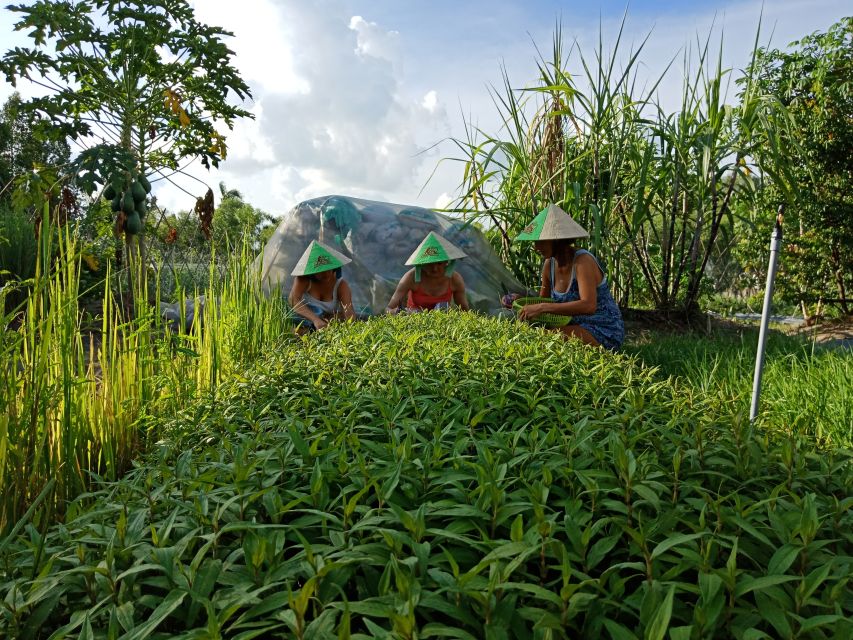
- Medicine garden plant lessons with a pharmacist and chef focus on benefits and limits, not just folklore
- Pick-your-own ingredients so your meal has a literal origin story
- Mushroom house visit to spot different mushroom varieties and learn how to grow them
- Rice cultivation talk to connect Vietnamese food to how it’s actually grown
- Practical Vietnamese cooking skills, often for a small set of dishes (including hands-on guidance)
- The lunch payoff: you eat what you cook in a countryside setting with new food friends
Getting to the countryside: pickup, travel time, and the 6-hour flow
This is sold as a half-day, and it mostly feels like one. The total duration is 6 hours, which usually means you spend a chunk of your day traveling out of Ho Chi Minh City and back again, plus time in the garden, kitchen, and dining area.
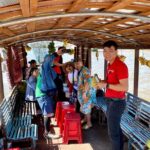
The big convenience win is the included pickup. You can be collected from your hotel in Ho Chi Minh City or from the airport, and the transfer is in a fancy car or bus. That matters in Vietnam, where it’s easy to lose time figuring out logistics.
One practical note: you should plan your expectations around the drive. Some guests describe it as about 1 to 1.5 hours one way depending on traffic. If you hate sitting in transit, pick the class time that best fits your energy level (morning if you like an early start, afternoon if you want a slower day).
Once you arrive, the day runs on a simple rhythm: learn in the garden, pick ingredients, cook, then sit down to eat. The pace feels intentionally active. There’s walking, working, chopping, tasting, and asking questions.
You can also read our reviews of more cooking classes in Ho Chi Minh City
The medicine garden: where herbs meet real cooking
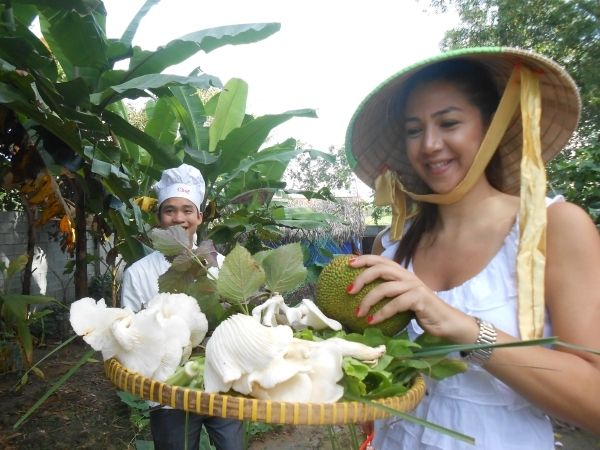
The heart of the class is the medicine garden. This isn’t just a photo stop. You explore a Vietnamese garden of herbs and vegetables and learn how different plants are used in everyday cooking and in traditional medicinal thinking.
What I like here is the framing: you’re taught that plants have benefits, but they can also have limitations. That’s a useful shift from purely “health food” marketing. It turns the experience into something you can apply responsibly, whether you’re building flavors in your kitchen or just trying to understand what you’re eating.
A pharmacist and chef are part of the teaching team. You’ll hear practical explanations about the plants you’re likely to cook later. And guides such as Linh (known for being friendly and funny in the way he teaches) help connect the plant names to real dishes, so you don’t leave with a pile of random herbs and no idea what to do with them.
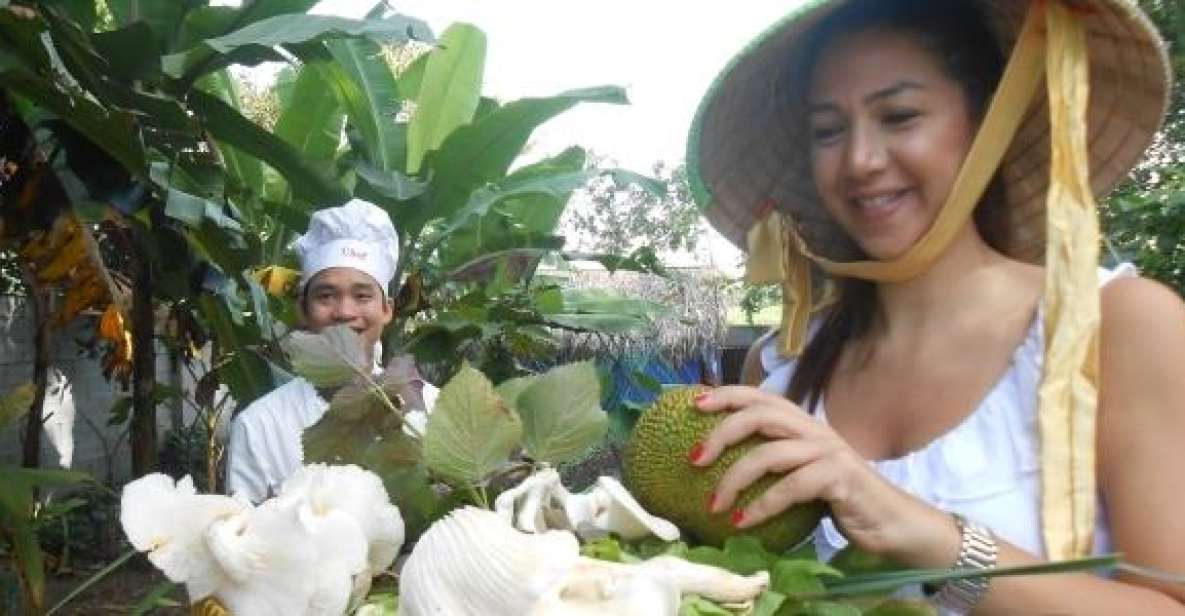
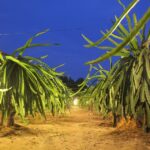
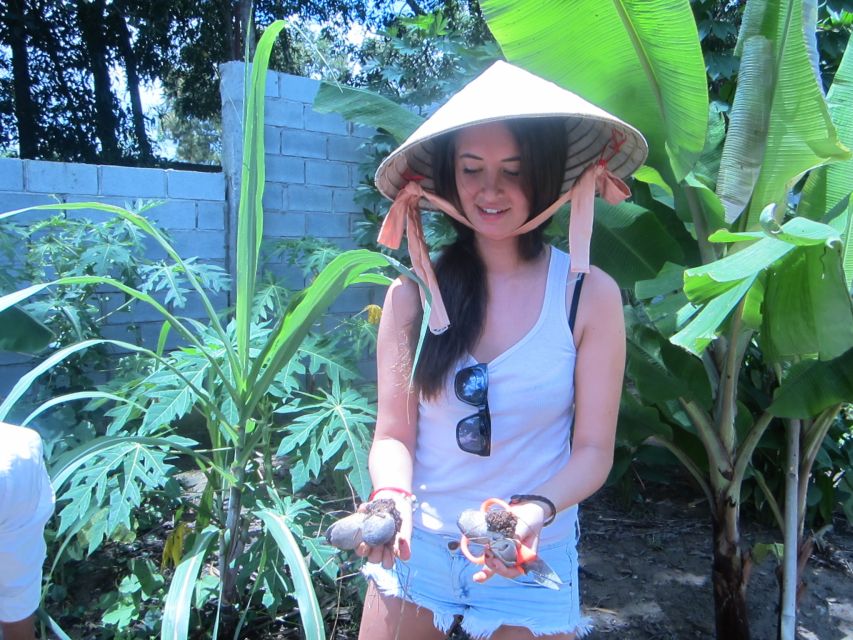
Expect to see herbs, unusual vegetables, and ingredients that might be unfamiliar if you usually cook with supermarket greens. Some of the standouts mentioned include morning glory, jackfruit, and banana flowers. Even if you can’t name everything on sight, you’ll learn what each ingredient contributes and how to handle it in the kitchen.
Mushroom house + rice cultivation: ingredients with a backstory
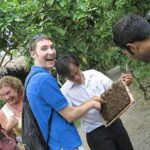
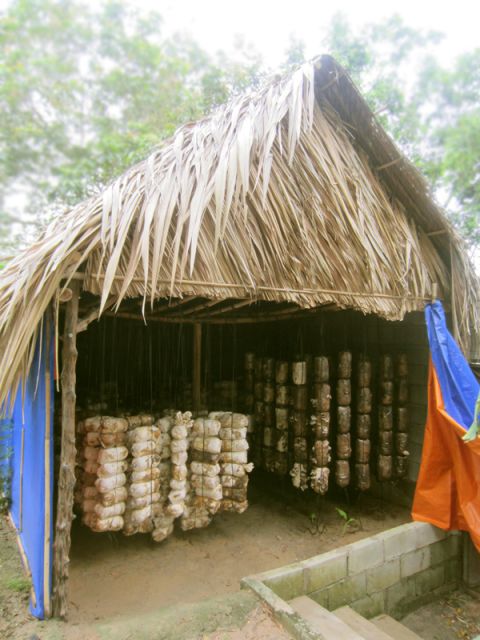
After the herb garden, you get a lesson you won’t find in most cooking classes: the production side. You visit a mushroom house to learn about different varieties of mushrooms and how they’re grown. If you like food with a systems view (how ingredients are made, not just how they’re plated), this portion hits the spot.
You’ll also hear about rice cultivation. Rice is the backbone of Vietnamese meals, but most visitors only think about it as “the white grain” that comes with dishes. This class pushes the conversation toward the farming logic behind the ingredient.
And here’s the reason I think this works: it makes the cooking more intuitive. When you understand where an ingredient comes from, you’re more likely to treat it with respect during prep. You’re also more prepared to adjust cooking methods if you’re shopping in your home market later.
The day balances “learning” with “doing.” Even the farming stories are connected to your eventual plate, because the herbs, mushrooms, and veggies you study often show up in what you cook.
Becoming a Vietnamese farmer: harvesting your own vegetables
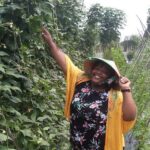
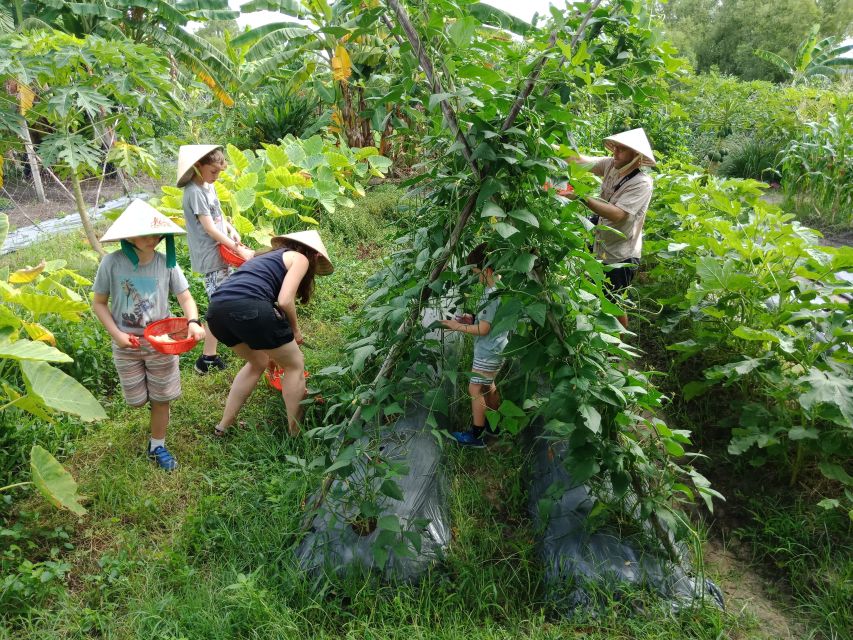
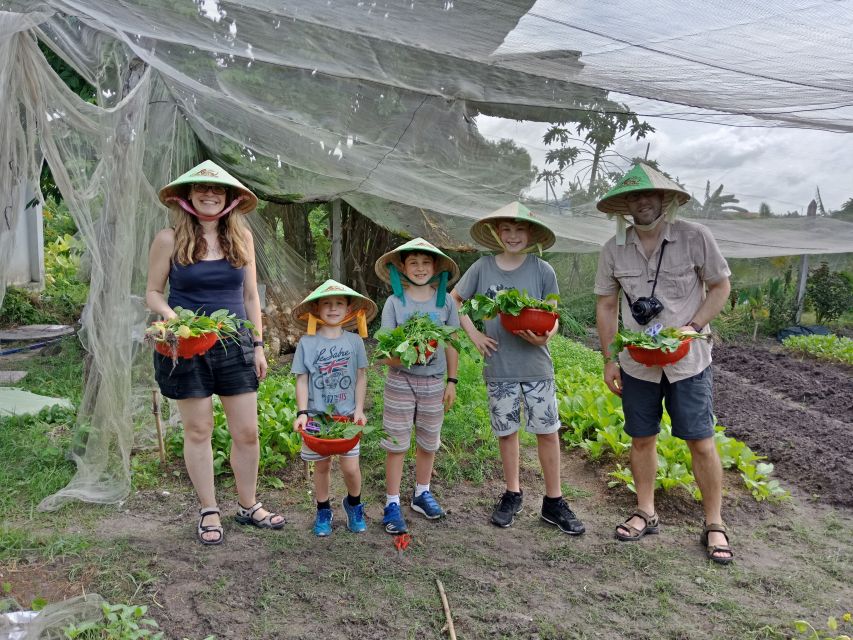
Then comes the fun part: you become a Vietnamese farmer for a while. You’ll move through the garden and pick and select the vegetables you want to cook that day.
This is where the class feels different from many cooking tours. You’re not only tasting the idea of farm-to-table; you’re physically choosing ingredients based on what you learned in the medicine garden. You also learn plant identification in a practical way. If you’ve ever looked at an herb in a market and wondered what it’s for, this is the antidote.
In a small-group setting, the teaching team can support you while you harvest. Some guests note that there’s extra staff on hand to help where needed. That’s important when you’re trying to learn plant names and avoid over-picking or damaging plants. It also helps the cooking part go smoother later.
You’ll likely pick the herbs used in your dishes and gather other vegetables used in the menu. The result: when you sit down to cook, you already know what you chose and why it was worth attention.
The cooking session: healthy Vietnamese dishes you can actually repeat
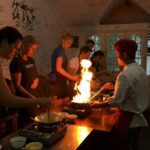
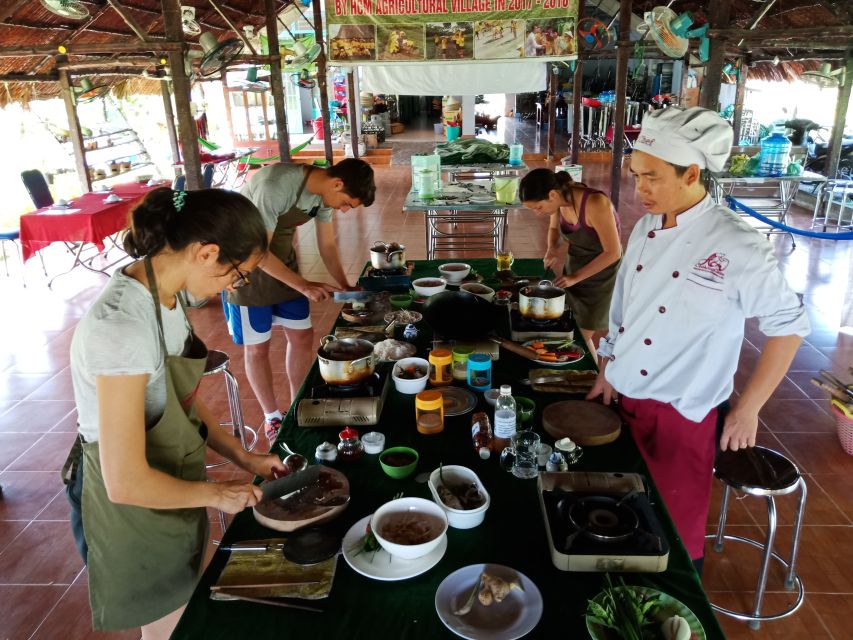
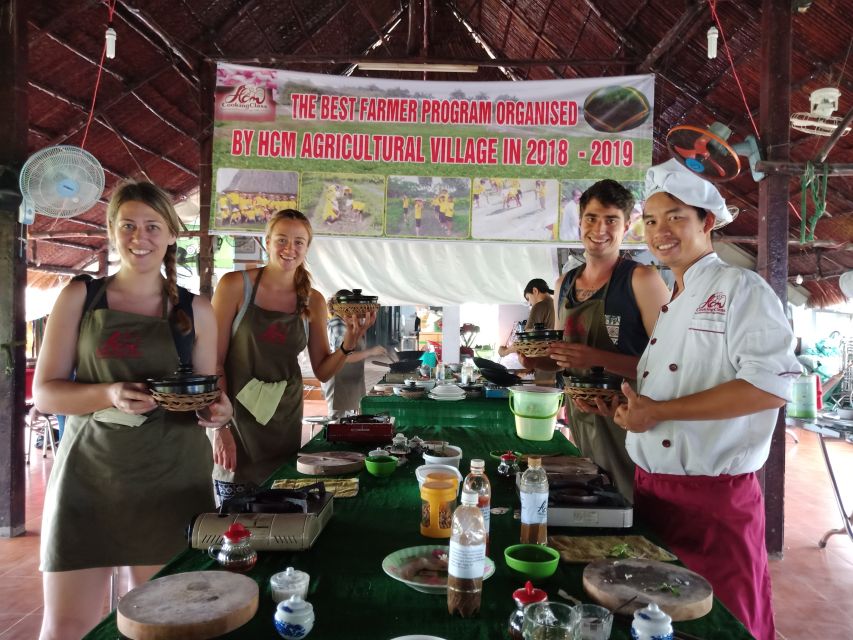
Now you get to cook. The class is designed as a traditional healthy Vietnamese meal lesson, with a strong emphasis on understanding ingredients and methods rather than memorizing recipes like a robot.
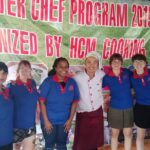
Most days include instruction for a set of dishes (guests specifically mention four dishes in at least some sessions). You’ll prep and cook them alongside friendly chefs who walk you through what to do step by step.
A useful detail: many classes focus on recipes only. This one also teaches a cooking philosophy—how to think about Vietnamese flavors and how to cook using the ingredients you have. That’s exactly the kind of skill that pays off when you’re back home and your grocery store has different herbs or textures than Vietnam.
Guides can shape the vibe. For example, Alice is described as an excellent host, and guests mention she guided the group through harvesting, cooking, and eating, with clear instruction and a warm approach. Another guide, Linh, is praised for coaching how to cook beyond the moment, so you gain skills rather than just a meal.
If you can follow steps, you’re good. If you’re comfortable cooking, you’ll probably enjoy this even more, because you can connect your own instincts to what the chefs explain.
In short: you should leave with dishes you understand, not just dishes you copied.
You can also read our reviews of more tours and experiences in Ho Chi Minh City
What you eat: lunch, iced tea, and the satisfaction factor
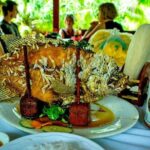
At some point you stop teaching and start eating. Lunch is included, and so is iced tea. The best part is simple: you eat the results of your own work.
That sounds obvious, but it’s not a given on many “hands-on” tours where the chef does most of the real cooking and you only assist briefly. Here, you cook the dishes, then enjoy them together, which makes every bite feel personal.
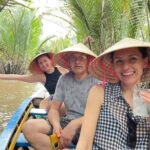
The setting is also part of the appeal. You’re not stuck inside a classroom. You’re in the countryside vibe of the farm experience, with the day’s air and views working in your favor.
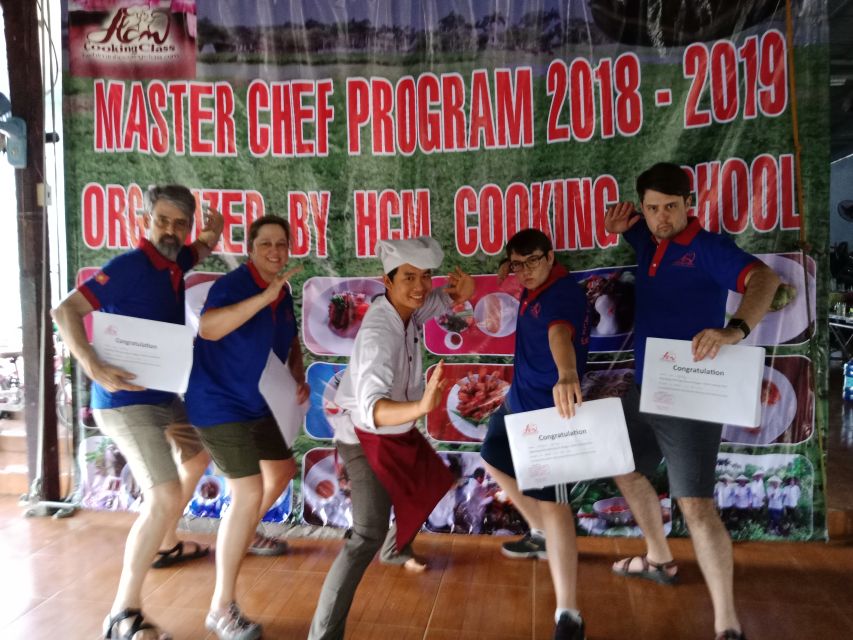
You’ll also get a certificate, plus recipes and souvenirs. That helps you remember what you cooked and gives you a path to recreate it later.
Price and value: what $70 buys you in Vietnam
The class costs $70 per person. Is it fair? For Ho Chi Minh City, it’s not the cheapest cooking option, but it also isn’t overpriced for what you’re getting.
Here’s the value math that matters:
- Pickup and transportation are included, which is a real cost and time saver
- Lunch and iced tea are included
- You’re getting a full 6-hour experience with multiple learning components: medicine garden, mushroom house, harvesting, and cooking
- You leave with recipes and a certificate, not just a meal
This isn’t a quick demo. It’s a farm-based class with real ingredient selection and real cooking instruction. If you like food education, it’s a good use of a half day, especially compared with paying for restaurants where you’ll eat but not learn.
Who should book this class (and who should skip it)
This class is a strong fit if you:
- want a practical Vietnamese cooking experience with ingredient context
- enjoy gardening-adjacent activities like harvesting and plant learning
- like learning from a mix of pharmacist and chef explanations
- want to leave with recipes you can follow again
It may be less ideal if you:
- dislike being outdoors for any portion of the day
- don’t enjoy walking around a garden area
- have very tight timing because of the farm travel time
If you’re traveling with a group, it can also be a fun shared activity since the small-group setup makes it easier to interact with chefs and guides, and there’s extra help when needed.
Practical tips so the day goes smoothly
A few things make a big difference:
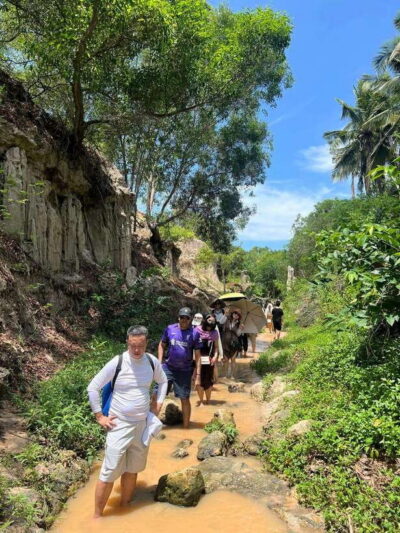
Bring comfortable shoes. You’ll be moving around the garden and working close to the plants. Sunglasses can help, since outdoor time is part of the flow. A camera is worth it because the garden and farm moments are scenic and the plant variety is genuinely interesting.
If you have dietary requirements or allergies, tell the organizers ahead of time. The class instruction includes advising about special diets, so it’s best to communicate early.
Also note what’s not allowed: pets aren’t permitted.
Should you book this farm-to-table cooking class?
I’d book it if you want more than another meal in Ho Chi Minh City. This is one of the better styles of cooking class because it teaches ingredient logic: you learn plant uses in a medicine garden, see mushrooms and farming connections, pick your own vegetables, then cook the food yourself with chef guidance.
If your schedule allows a full 6 hours and you’re okay with some farm-country travel, this is a high-value experience. You’ll probably feel the difference most when you try cooking at home afterward and realize you understand what each ingredient is doing.
If you want the safest decision: if you’re comfortable outdoors and you like learning through hands-on work, book it.
FAQ
How long is the Farm-To-Table Healthy Cooking Class?
The class lasts about 6 hours. Start times vary, so you’ll want to check availability to see the schedule for your dates.
Where does the pickup happen?
Pickup is included from hotels in Ho Chi Minh City or the airport.
What’s included with the price?
The price includes lunch, a local guide, iced tea, napkin, and transportation.
Is it taught in English?
Yes. The live tour guide speaks English (along with Vietnamese).
Do I get to harvest ingredients?
Yes. You become a Vietnamese farmer and pick and select vegetables in the garden to use during your cooking class.
Are there mushrooms and other farm ingredients involved?
Yes. The experience includes a look at a mushroom house with different mushroom varieties, plus learning about rice cultivation.
What should I bring?
Bring comfortable shoes, sunglasses, and a camera.
What if I have allergies or special dietary needs?
You should advise the operator of any special dietary requirements or allergies ahead of time.
Can I get a refund if I cancel?
Yes. It offers free cancellation up to 24 hours in advance for a full refund.