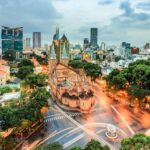
Street food in Saigon has a way of sticking with you. This 3-hour evening walk focuses on District 4 and the Vinh Khanh food scene, with a local guide steering you toward the bites locals actually eat. You get history flavor too, starting with the Thích Quảng Đức memorial area and setting the mood near the Ben Van Don riverside museum zone.
What I like most is how the food stops feel practical, not random. You’ll taste classics like bánh bột chiên, gỏi cuốn, and bánh flan in the places where they belong, plus you’ll get stories that make the city’s eating habits make sense. The only real drawback is that it’s a walking tour through markets and alleyways, so it may not work well if you have mobility issues or if you need strict avoidance for allergies or gluten.
In This Review
- Key highlights at a glance
- Starting at Thích Quảng Đức and setting the night up right
- Vinh Khanh Street Food District: your first tastes and how to read the menu
- The hidden alley to 20 Thuoc Street: casual dinners, no performance
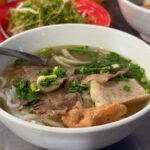
- Bánh bột chiên: crispy comfort with pickled punch
- Gỏi cuốn: fresh spring rolls you’ll want to order again
- Bánh flan with coffee syrup: the finish that cools you down
- District 4 alleyways: why this neighborhood matters for street food lovers
- The peaceful riverside walk and skyline payoff
- Price and value: what $26 realistically buys you
- Who should book this street food walk
- Guides you might meet: Lucky and Stephanie
- Should you book it?
- FAQ
- Where does the tour start?
- How long is the walking tour?
- What is included in the price?
- What does the tour include for food?
- What languages are the guides available in?
- Is the tour offered as a private group?
- What is the price per person?
- Is free cancellation available?
- Is there a reserve now & pay later option?
- Is this tour suitable for people with allergies or gluten intolerance?
Key highlights at a glance
- Vinh Khanh Street Food District: an early evening launch into Saigon’s night food energy
- Local market wandering: quick snack stops that help you read the scene like a local
- 20 Thuoc Street food hub: casual, everyday meals you can’t easily find on your own
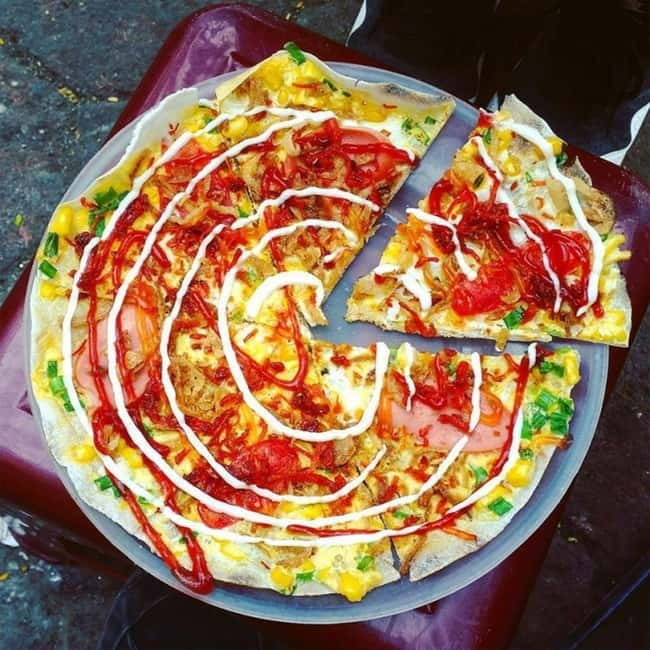
- District 4 alley corners: classic bites such as crispy rice flour cakes and spring rolls
- Riverside night walk: a calmer finish with Saigon skyline views against the darkening sky
Starting at Thích Quảng Đức and setting the night up right
The tour begins at the Đài tưởng niệm Bồ tát Thích Quảng Đức memorial, a strong Saigon landmark that instantly grounds the evening in real city life. It’s a good place to meet because you can orient yourself quickly, and the guide can explain the “why” behind where you’re headed next.
From there, the vibe shifts toward the Ben Van Don side of the river, where history meets the evening breeze. It’s not a museum day in the traditional sense, but you do get that context that helps street food feel more than just food. You’ll hear how Saigon’s food culture evolved—so when you’re later standing over a cart or table in a side street, it clicks.
One small detail I appreciate: the first stretch is paced. You get a photo stop and a short guided orientation before the eating really starts, so you’re not sprinting into the chaos.
You can also read our reviews of more walking tours in Ho Chi Minh City

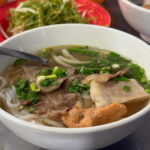
Vinh Khanh Street Food District: your first tastes and how to read the menu
Vinh Khanh is where you start tasting Saigon’s evening rhythm. This area is known for its lively night street food scene, and the guide uses that momentum to get you trying things early, before you’re overthinking what to order.
You’ll also walk through local-market style lanes, where the point isn’t to shop—it’s to learn. When you see how ingredients are handled, how vendors arrange items, and how people line up casually, you stop feeling like you’re guessing. The guide keeps pointing out what to look for and what to expect in flavor and texture.
Even if you’re the type who normally avoids street food because of uncertainty, this is the method that helps: the guide handles the ordering logic, and you focus on tasting and asking questions. I like that approach because it keeps you from spending the whole night asking, Where do I start?
The hidden alley to 20 Thuoc Street: casual dinners, no performance
After the first big introduction, you move into a quieter lane: a hidden alley route to 20 Thuoc Street. This is the kind of street you might walk past multiple times on your own without realizing it’s a local food hub. That’s why the guide matters—your path is the product.
At 20 Thuoc Street, the atmosphere is more “people finishing dinner” than “tourist food parade.” You’re not just eating in front of a camera. You’re joining a flow of casual meals, which is a huge part of why this tour feels authentic. The guide guides you through what’s available and helps you choose tastings that cover multiple styles, not just one safe category.
You’ll spend a good chunk of time at the restaurant stop here—long enough that you’re not constantly moving. That matters because some street food tours feel like speed-running snacks. This one gives you time to slow down, talk, and actually finish each dish rather than grabbing and sprinting.
Bánh bột chiên: crispy comfort with pickled punch
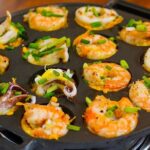
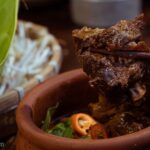
One of the core dishes on the tour is bánh bột chiên—crispy rice flour cakes with egg and pickled papaya. It’s a great choice because it mixes crunch and softness in one bite, then adds the tang that keeps the flavor from feeling heavy.
You’ll get a clearer sense of how this dish is eaten and what balances it. The pickled papaya isn’t just garnish; it’s what makes the crispy base feel lively. If you’ve ever wondered why Vietnamese street food often hits sweet-sour-salty notes at the same time, this is a textbook example.
I also like this stop because it’s not the kind of dish you always find the same way elsewhere. You’ll taste it as it’s meant to be eaten in Saigon: hot, crisp, and paired with flavors that cut through the richness.
Gỏi cuốn: fresh spring rolls you’ll want to order again
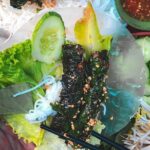
Next up is gỏi cuốn, fresh spring rolls with herbs, pork, and shrimp. These are often described as light, but the guide helps you understand the real structure: the herbs aren’t decoration. They carry scent and bitterness that make the roll taste clean and layered.
What you’ll notice is how the flavor changes as you bite through different parts. The herbs give brightness, the shrimp adds a gentle sweetness, and the pork contributes a more savory backbone. Then the dipping sauce ties everything together, so you’re tasting more than just one ingredient.
If you’re planning to eat in Ho Chi Minh City on your own later, this stop gives you a “tasting map.” After you’ve tried gỏi cuốn here, you’ll know what to expect and what questions to ask at other spots.
You can also read our reviews of more food & drink experiences in Ho Chi Minh City
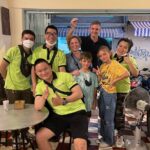

Bánh flan with coffee syrup: the finish that cools you down
For dessert, the tour includes bánh flan—silky caramel custard topped with coffee syrup and crushed ice. This is one of those street food patterns that makes sense in the real climate: cool down the sweet, stretch it with coffee bitterness, and keep it satisfying without feeling overly heavy.
The crushed ice changes the texture and timing. You’re not just eating custard at room temperature; you’re tasting it as it cools and softens. The coffee syrup brings a deeper flavor than you might expect from caramel alone.
This is also a practical advantage: it’s a sweet ending that doesn’t require a full sit-down dessert ritual. You finish the night with something memorable and refreshing, not a sugar bomb that leaves you too full to enjoy the river walk.
District 4 alleyways: why this neighborhood matters for street food lovers
A big reason this tour works is that it doesn’t stop after the first famous food cluster. You continue into District 4, known for its casual charm and deep-rooted food culture. The alleys here are where you see eating habits as part of daily life—smaller spaces, shorter lines, and food that feels tuned to neighborhood routines.
This portion of the walk matters because it expands your street food vocabulary. If you only eat in the most obvious areas, you end up with a highlight list that doesn’t feel like the city itself. District 4 adds texture to the story: it shows how Vietnamese food adapts to different neighborhood rhythms.
Expect more guided tasting through side streets and corners, with the guide connecting the dishes you’re eating to how locals eat—when they eat, why these flavors work, and how street food becomes a social default.
The peaceful riverside walk and skyline payoff
The tour ends with a calmer stretch along the Saigon River. This isn’t just a walk to cover distance. It’s a planned shift into night views, where the pace slows and the city opens up.
You’ll take a final photo stop and move toward a vibrant spot along the riverbank for panoramic Saigon skyline views glowing against the night sky. It’s the kind of ending that makes the whole meal sequence feel worthwhile: food first, then a view to let your brain catch up.
If you like travel photography, this final segment gives you something real to work with—lights, reflections, and a sense of scale you don’t get from crowded street corners. And if you’re not into photos, it still does something important: it gives you a breather after eating and walking through dense lanes.
Price and value: what $26 realistically buys you
The price is $26 per person for about 3 hours (210 minutes), and it includes all food and drink tastings plus the guided walking experience. For a city where you can sometimes find street snacks for less, the value question is fair.
Here’s the deal: you’re paying for someone to do the hard part—choosing the right places, coordinating tastings, and explaining what you’re eating so the night feels coherent. That’s worth money if you don’t want to spend hours figuring out where to eat and which dishes are actually worth your time.
You also get multiple dish styles rather than repeating one item. With the included tastings, you’re not paying extra per bite, and the guide helps you avoid the common problem of ordering too little (or too much) for a short night.
If you’re traveling solo, the guide can tailor the pace and attention based on your interests. One advantage that comes up often with guides like Lucky and Stephanie is how they adjust to you, not just the script.
Who should book this street food walk
This tour is a strong fit if you want:
- A guided way to eat in District 4 without guessing
- Real local dish coverage: bánh bột chiên, gỏi cuốn, and bánh flan
- Night views and stories, not just a food checklist
It may not be your best choice if you:
- Have mobility limitations (it’s a walking tour through markets and alleyways)
- Need strict allergy accommodations
- Have gluten intolerance, since the tour isn’t listed as suitable for it
If you like food history and cultural context, you’ll enjoy the guide’s explanations about Saigon’s eating habits. And if you’re the kind of traveler who wants to feel like you’re walking with a friend who knows the city’s shortcuts, this format does that well.
Guides you might meet: Lucky and Stephanie
The guides associated with this experience include Lucky and Stephanie, and both are described in a way that matters for your experience: friendly, fun, and good at taking care of people. If you end up on a private group or just a small group, there’s room for the guide to slow down, adjust the pace, and focus on what you’re most curious about.
That matters because street food tours can either feel rushed or relaxed. A good guide turns the night from a shopping list into a conversation.
Should you book it?
I’d book this tour if you want a smooth evening that mixes Saigon street food with neighborhood context and a riverside skyline finish. For $26, the included tastings and guide support are the heart of the value, especially if you want to eat well without doing detective work.
Skip it if food safety needs make group tastings risky for you, or if long walking stretches are a problem. Otherwise, it’s a smart way to experience Saigon at night: good bites, a clearer sense of the city, and a view at the end that makes the whole night feel connected.
FAQ
Where does the tour start?
It starts at Đài tưởng niệm Bồ tát Thích Quảng Đức, and you return there at the end.
How long is the walking tour?
The duration is listed as 3 hours, which equals about 210 minutes.
What is included in the price?
All food and drink tastings are included, along with a friendly local guide and the guided walking experience.
What does the tour include for food?
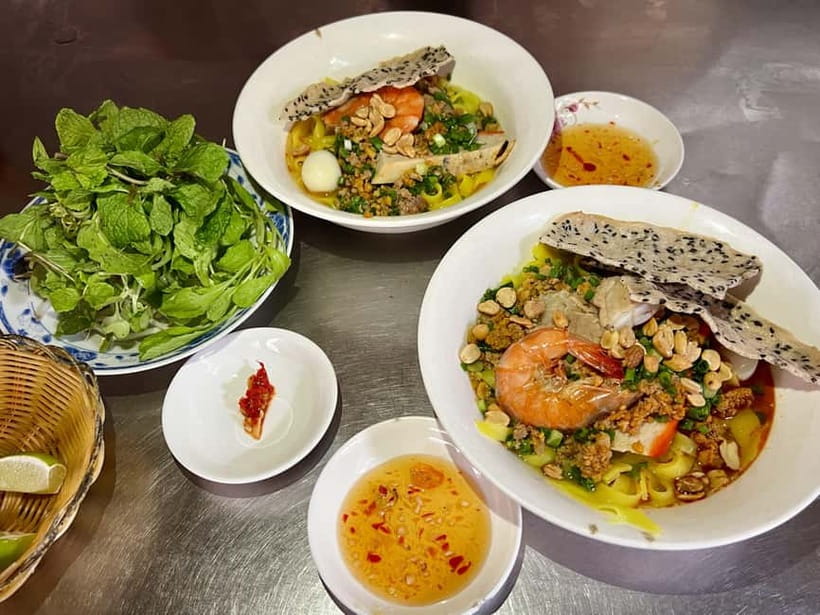
You’ll taste items such as bánh bột chiên, gỏi cuốn, and bánh flan, plus additional snacks and drinks during market and street stops.
What languages are the guides available in?
The tour offers guides in English, Japanese, and Spanish.
Is the tour offered as a private group?
Yes, private group options are available.
What is the price per person?
The price is $26 per person.
Is free cancellation available?
Yes. You can cancel up to 24 hours in advance for a full refund.
Is there a reserve now & pay later option?
Yes. You can reserve now and pay later.
Is this tour suitable for people with allergies or gluten intolerance?
No. It is not suitable for people with food allergies or for people with gluten intolerance.