REVIEW · HO CHI MINH CITY
Mastering Egg Coffee-Course on 4 traditional types of Viet coffee
Book on Viator →Operated by The Provincial Table Cooking Class · Bookable on Viator
Coffee can taste like dessert. This hands-on course teaches you to brew traditional Viet drip coffee with real technique and a focus on how to serve it beautifully. You’ll make four different cups, and your instructor—hosted by Long/Sarah in one of the sessions—keeps the mood fun and moving at a good pace.
What I like most is that you don’t just watch. You get the tools and guidance to build layered, good-looking cups, then taste the balance of bitter and sweet that makes Vietnamese coffee addictive. The other big win is variety: you’ll cover egg coffee plus three other flavor styles that show how flexible this coffee base can be.
One thing to consider: it’s a caffeine-focused experience. If you’re sensitive, the afternoon session may hit harder than you expect, so planning your timing matters.
In This Review
- Key highlights you’ll care about
- Getting oriented in Ho Chi Minh City before the first pour
- What you’ll learn: four classic Vietnamese coffee styles
- The traditional drip technique: where flavor and texture come from
- Egg coffee, condensed milk, sea salt, coconut: what each cup teaches you
- History and culture: the background you’ll actually remember
- The experience vibe: paced well, easy to chat, and properly hands-on
- Price and value for a 2-hour coffee skills class
- Who this is best for (and who might want a different plan)
- Should you book Mastering Egg Coffee and 4 Viet Coffee Types?
- FAQ
- What coffee styles will I make in the workshop?
- How long does the class last?
- Where does the experience start?
- What’s the maximum group size?
- Do I get equipment and ingredients?
- Is there a mobile ticket?
- Will there be questions and discussion time?
- Can I get a refund if I change my plans?
Key highlights you’ll care about
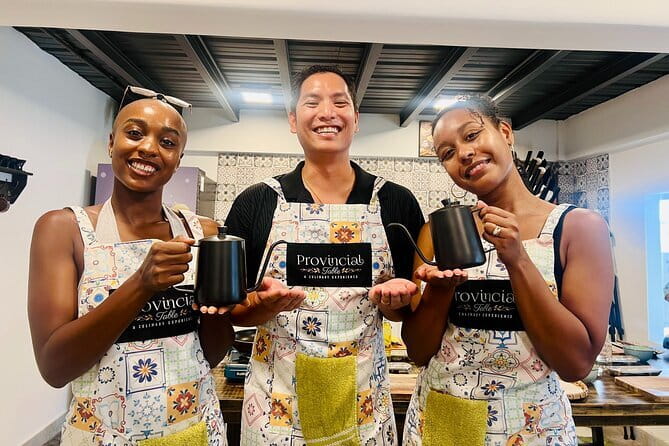
- Four drinks, one workshop: egg coffee, dark roast condensed milk, sea salt coffee, and coconut milk coffee
- Traditional drip method focus: learn the steps that create flavor and texture
- Layering and presentation: the goal is cups you’ll be proud to serve and photograph
- Small group size: capped at 15 travelers for more attention
- Instructor energy matters: sessions are paced well and described as funny and engaging
- Special gifts included: everyone gets a small parting surprise
Getting oriented in Ho Chi Minh City before the first pour
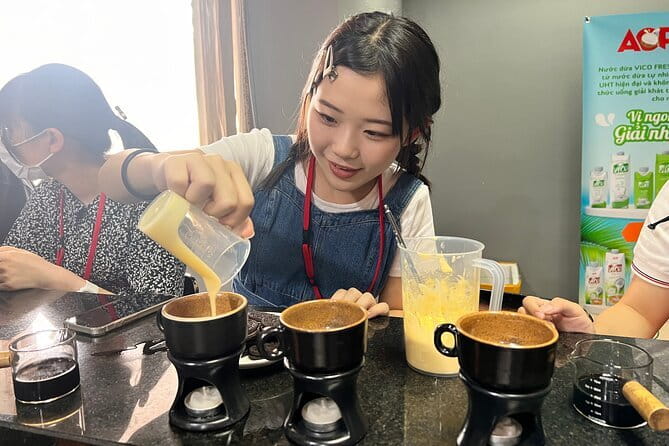
This class starts in Quận 1 (District 1), at 131/3 Nguyễn Thị Minh Khai, Phường Phạm Ngũ Lão, Quận 1, Thành phố Hồ Chí Minh 711106. That’s a practical location if you’re staying centrally—you’re usually not fighting long rides across town to get there.
Because the class runs about 2 hours, you’re not committing to an all-day activity. You can slot it between other District 1 plans and still have time to wander afterward. It’s also listed as near public transportation, which matters in Ho Chi Minh City where traffic can turn “short distance” into “long ride.”
Another helpful detail: you’ll use a mobile ticket, and confirmation happens at booking. That makes the day-of process simpler, especially if you’re juggling multiple bookings in a short trip.
You can also read our reviews of more tours and experiences in Ho Chi Minh City

What you’ll learn: four classic Vietnamese coffee styles
The workshop is built around making four cups using Vietnamese coffee techniques and traditional drip brewing. You’ll work with each style closely enough to understand what’s different about the flavor and texture—even if you’re new to coffee.
Here are the four you’ll create:
- Egg Coffee (Cà Phê Trứng Lòng Đỏ)
This is the showstopper for many people. The key appeal is the contrast: deep coffee flavor with a creamy, richer sweetness that often feels like a dessert drink. If you’ve only had egg coffee as a novelty, this class helps you understand the method behind the taste.
- Dark Roast Condensed Milk Coffee (Cà Phê Sữa Đá)
Expect bold, sweet depth. Condensed milk gives you that rounded, sugary body that turns a strong coffee into something smooth and comforting.
- Sea Salt Coffee (Cà Phê Muối Biển)
Salt sounds like an odd partner until you taste it. In this style, salt can make sweetness feel more defined and can highlight the coffee’s bitter edge in a controlled way.
- Coconut Milk Coffee (Cà Phê Cốt Dừa)
This one shifts the aroma and mouthfeel toward creamy comfort with a different sweetness profile. If you like drinks that feel warmer and softer, this is a great balance to the more traditional sweetened styles.
I like that the class doesn’t treat these as random flavors. It’s organized so you can learn the “base” technique and then see how different add-ins change the cup. That makes the workshop feel useful beyond the day you take the class.
The traditional drip technique: where flavor and texture come from
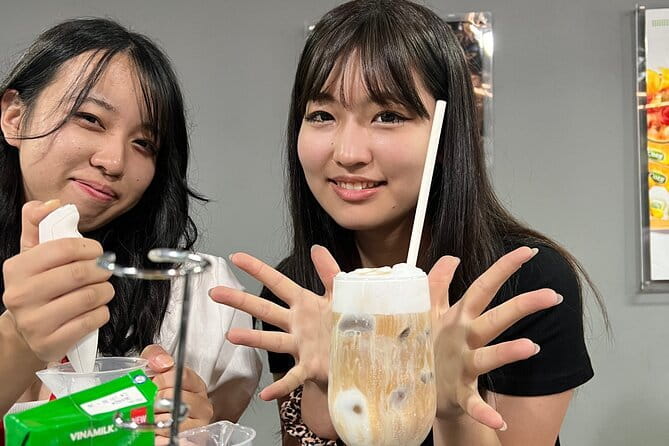
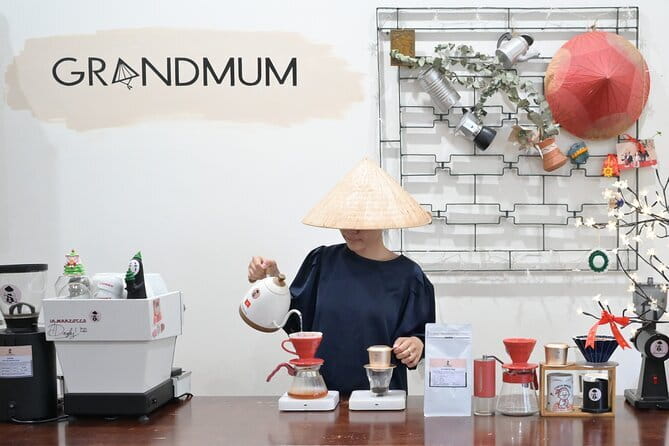
This is not a lecture-only tasting. The workshop teaches the meticulous steps of steeping and brewing using traditional drip methods. That matters because Vietnamese coffee is often about how the brew is handled—how it flows, how it extracts, and what happens to the taste as the cup comes together.
What you’ll focus on:
- Technique first, then results: you learn the process step-by-step so the flavors make sense.
- Layered presentation: the course aims for cups that look good as well as taste good. That’s not just for photos. When the cup is layered, each sip can land with more contrast in temperature and texture.
- Bitter-sweet balance: you’ll pay attention to how the coffee’s bitterness interacts with sweetness, rather than chasing only one direction.
This is also where your senses get educated. You’re not just tasting. You’re noticing the way heat level and texture change the flavor on your palate. Even if you don’t become a coffee nerd overnight, you’ll leave able to order more intelligently—or even recreate a “good enough” version at home.
Egg coffee, condensed milk, sea salt, coconut: what each cup teaches you
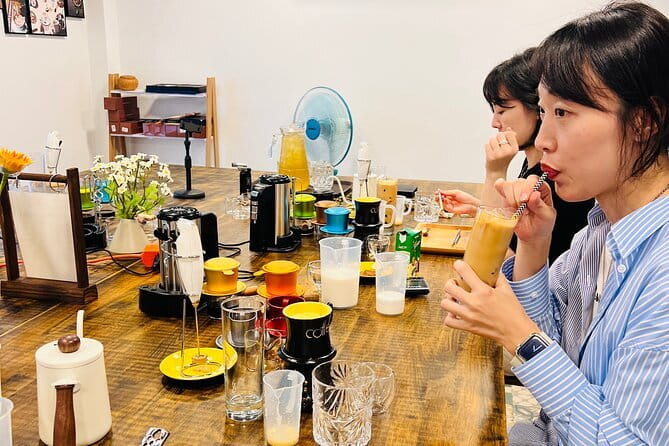
Each coffee style is like a small lesson in how Vietnamese coffee can be adjusted without losing the core identity of the brew.
Egg coffee tends to teach you about creamy texture and balanced sweetness. The drink often feels like a blend of coffee depth and custard-like richness. If you’ve ever wondered why it tastes both strong and soft, the method behind it is what the class helps you understand.
Condensed milk coffee teaches you how sweetness changes perceived strength. With dark roast and condensed milk, the coffee can feel heavier and more rounded. It’s a good cup if you like bold coffee flavor but want it less sharp.
Sea salt coffee is the “taste logic” drink. Salt can sharpen flavors and make sweetness clearer, so the coffee’s bitter edge doesn’t feel harsh—it feels structured. This is a great option if you like salty-sweet snacks and want that same idea in liquid form.
Coconut milk coffee shifts the cup toward comfort. You’ll learn how a different creaminess and aroma can change what you think of as sweetness. It’s also a nice bridge if you want to move from coffee-as-caffeine into coffee-as-treat.
I like that you don’t just sample. You make each drink in sequence, so the comparisons are immediate. That’s how you build real intuition for what works for your own taste.
History and culture: the background you’ll actually remember
Before you jump into brewing, the class includes an exploration of the history and cultural significance of coffee in Vietnam. The idea is not to dump dates on you. It’s to give context for why these styles are part of everyday coffee culture, and why the country’s coffee scene became so creative with ingredients like condensed milk, salt, egg, and coconut.
From there, you learn the brewing steps and the practical “how to.” Then the class ends with a Q&A session and a discussion on how Vietnamese coffee culture is changing.
This structure is smart. You get the why first, then the how, then the chance to ask your own questions. If you’re the type who likes to understand what you’re drinking instead of just accepting it, you’ll appreciate that flow.


The experience vibe: paced well, easy to chat, and properly hands-on
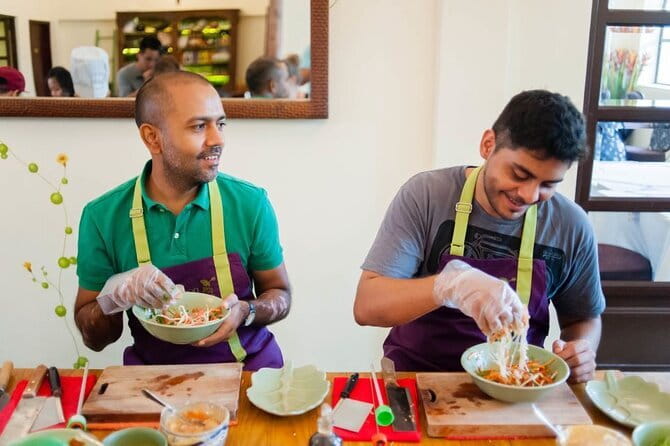
The tone of the class seems intentionally friendly. In one session, the lecturer was described as great and funny, and another host (Long/Sarah) was praised for keeping things moving and engaging the group.
That matters because brewing coffee is hands-on and a little technical. If a class is too strict, beginners can feel lost. If it’s too casual, you don’t learn the technique. Here, the feedback points to a chill balance: guided enough to keep you confident, relaxed enough that you can focus on taste and making friends.
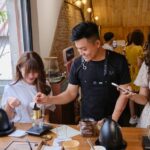
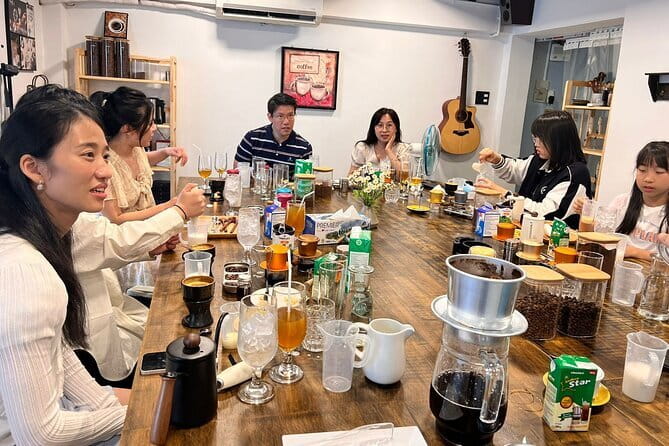
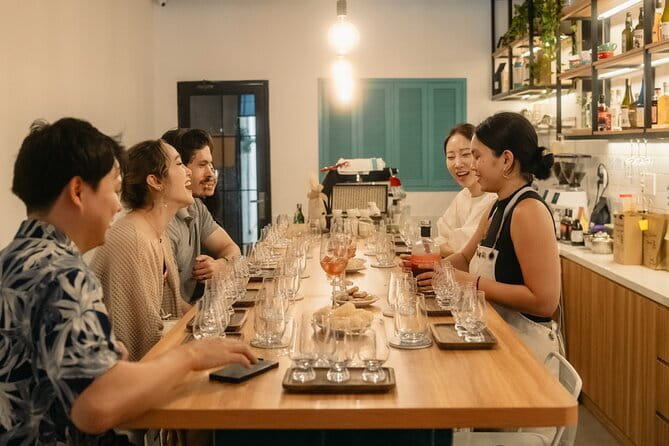
Group size helps too. With a maximum of 15 travelers, you’re less likely to be stuck watching from the edge. Smaller groups also make it easier to ask questions without waiting for the instructor to catch up.
One small planning note: one session specifically mentioned that the afternoon drinkers should think about caffeine intake. So if you’re pairing this with a late-night plan, or you’re sensitive to stimulants, consider scheduling it earlier.
Price and value for a 2-hour coffee skills class
At $25 per person for about 2 hours, this is priced like a “learn a skill, get multiple results” experience. You’re not paying just for four sips. You’re paying for:
- guided technique with traditional drip brewing
- the chance to make four distinct coffee styles
- all necessary accoutrements provided for the workshop
- a Q&A and cultural context
- special gifts for everyone
For many people, the value is the “home skill” part. After a hands-on class, you can at least order confidently and understand what to ask for. And with practice, you can recreate some of the steps, even if you don’t copy every detail perfectly.
The only cost-risk is your schedule. If you’re short on time in Ho Chi Minh City, squeezing in a 2-hour activity can be harder than a quick coffee stop. But if you want more than tasting, the workshop format justifies the time.
Who this is best for (and who might want a different plan)
This class is ideal if:
- you like coffee and want to learn the basics of Vietnamese drip brewing
- you’re curious about flavor styles beyond the usual sweetened iced coffee
- you enjoy interactive activities where you can talk with the instructor and others
It’s also a strong fit if you’re traveling in a mixed group—friends, couples, or solo travelers—because the small size makes it easier to connect. One of the highlights mentioned was the chance to meet other visitors, and the pacing seems to support that social vibe.
You might choose something else if:
- you want a quiet, sit-and-watch tasting rather than hands-on brewing
- caffeine is a problem for you and your schedule forces an afternoon class without flexibility
Should you book Mastering Egg Coffee and 4 Viet Coffee Types?
If you’re in Ho Chi Minh City and you want a coffee experience that teaches you something practical, I think this one is worth booking. The key strengths are clear: four drinks made by you, guided traditional drip technique, and a format that includes presentation tips plus cultural context.
Book it if you want to leave with more than a souvenir taste. The combination of technique + variety + small-group attention is a good match for travelers who like to learn while having fun.
Skip it only if you’re mainly after a quick caffeine hit or you’re extremely caffeine-sensitive and can’t adjust your timing.
If you’d like, tell me your travel dates and whether you’re staying near District 1, and I’ll suggest the easiest way to fit this into your day plan.
FAQ
What coffee styles will I make in the workshop?
You’ll make four types: egg coffee (Cà Phê Trứng Lòng Đỏ), dark roast condensed milk coffee (Cà Phê Sữa Đá), sea salt coffee (Cà Phê Muối Biển), and coconut milk coffee (Cà Phê Cốt Dừa).
How long does the class last?
The experience runs about 2 hours.
Where does the experience start?
It starts at 131/3 Nguyễn Thị Minh Khai, Phường Phạm Ngũ Lão, Quận 1, Thành phố Hồ Chí Minh 711106, Vietnam, and it ends back at the meeting point.
What’s the maximum group size?
The workshop has a maximum of 15 travelers.
Do I get equipment and ingredients?
Yes. Each participant receives all the accoutrements to master the art of Vietnamese coffee preparation.
Is there a mobile ticket?
Yes. The experience uses a mobile ticket.
Will there be questions and discussion time?
Yes. The class concludes with a Q&A session and discussion about coffee culture in Vietnam.
Can I get a refund if I change my plans?
The experience offers free cancellation. You can cancel up to 24 hours in advance for a full refund. If you cancel less than 24 hours before the start time, the amount paid is not refunded.