REVIEW · HO CHI MINH CITY
Ho Chi Minh City: Half-day Cyclo Journey Through Chinatown
Book on GetYourGuide →Operated by Hoi An Express · Bookable on GetYourGuide
A cyclo ride turns noise into street-level stories. This half-day journey mixes Chinatown sights with major landmark stops, all paced by your driver through Ho Chi Minh City’s everyday rhythms. I like the way the route connects faith, food, and daily commerce in a short window, not just photos.
I especially like the contrast between the spiritual stops—starting at Chùa Bà Thiên Hậu (Thien Hau Temple)—and the market energy of Binh Tây. You’ll also get guided time for stops that help you understand the city beyond storefronts, including the War Remnants Museum.
One possible drawback: the cyclo time is real time. If you dislike traffic fumes, want long walking breaks, or feel uneasy around close street conditions, you’ll want to plan for that.
In This Review
- Key things I’d focus on before you go
- Cyclo Through Chinatown: why this route works for a half-day
- Starting at pickup, then heading straight to Thien Hau Temple
- What you’ll do at the temple
- Hải Thượng Lãn Ông street walk: reading the neighborhood up close
- Chinatown commerce: Đồng Khánh and the shops you’ll actually see
- Cha Tam Church (St Francis Xavier Parish Church): where Chinatown and Catholicism meet
- What you’ll get from this church stop
- War Remnants Museum, Notre Dame Cathedral, and the Old Post Office
- How to get the most out of the War Remnants Museum
- Notre Dame Cathedral and the Old Post Office
- Bình Tây Market: French-era construction and everyday browsing
- What to expect inside Bình Tây Market
- The cyclo ride itself: comfort, time, and safety reality
- A fair heads-up based on real-world concerns
- English guide + included entrance fees: where your $48 really goes
- Who this tour is for (and who might prefer something else)
- Tips to make it smoother the day you go
- Should you book this cyclo journey through Chinatown?
- FAQ
- How long is the cyclo journey through Ho Chi Minh City Chinatown?
- How much does it cost?
- What’s included in the price?
- Where does pickup happen?
- Is the tour private?
- What languages are offered, and can I cancel?
Key things I’d focus on before you go
- A cyclo (pedicab) that keeps the pace slow while you read the neighborhood with a guide
- Thien Hau Temple’s sea-goddess origin story and what it means for Chinese community life
- Cha Tam Church and Chinatown Catholic roots linked to Saint Francis Xavier Parish Church
- Bình Tây Market’s French-era setting and what you can actually browse there
- Long-ish ride segments where you’ll want secure phone storage and comfortable seating
Cyclo Through Chinatown: why this route works for a half-day
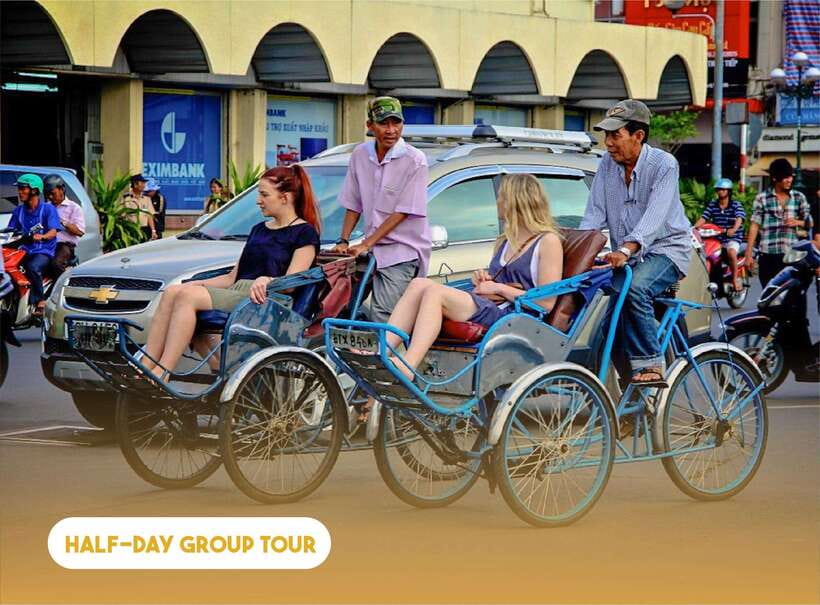
Ho Chi Minh City can feel like it’s moving at warp speed. This tour slows things down on a traditional pedicab, so you can watch the street scene unfold—without the constant stress of navigating on your own.
You’ll spend about 3.5 hours on the loop, with hotel pickup and drop-off in central areas (Districts 1, 3, 5, 10, plus Phu Nhuan). That matters because you’re not losing your limited time to taxis or constant hailing.
The tour is also built for variety. In one morning or afternoon block, you can go from a temple with deep Chinese roots to a Catholic church tied to the Chinese community, then to a major market in the heart of Chinatown.
You can also read our reviews of more city tours in Ho Chi Minh City



Starting at pickup, then heading straight to Thien Hau Temple
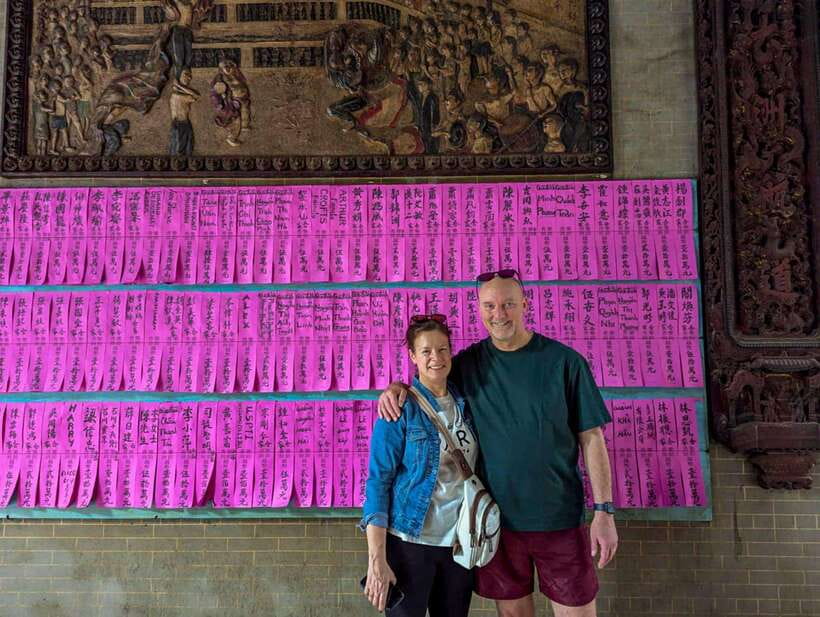
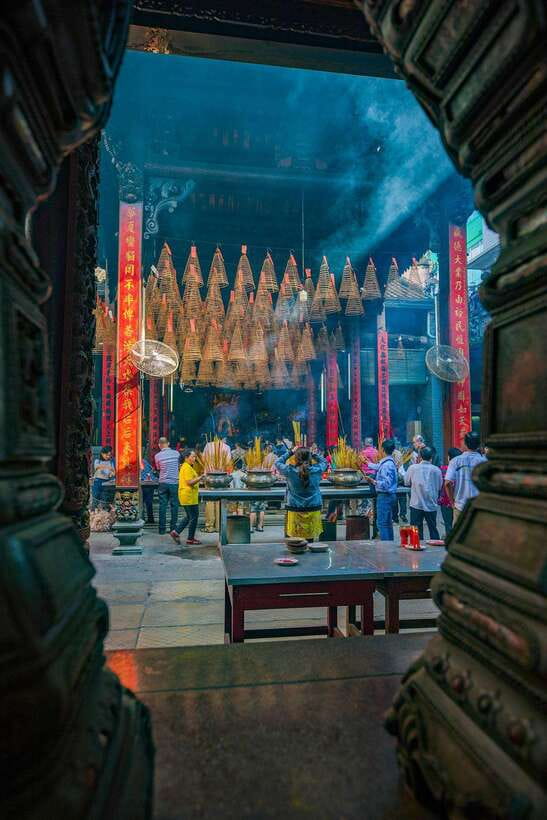
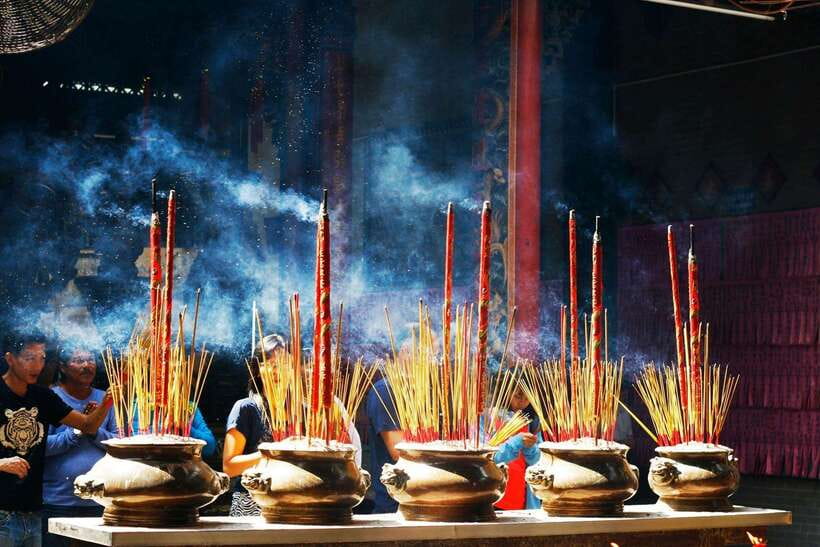
The day begins with a ride over to Lady Thien Hau Temple, also known as Chùa Bà Thiên Hậu. This is the centerpiece early on because it sets the tone: you’re not just sightseeing buildings, you’re stepping into a place with ongoing meaning for the community.
Thien Hau is the Vietnamese transcription of the Chinese Tianhou—often called the Empress of Heaven—linked to the sea goddess Mazu. The name and story are tied to the idea of protection during danger at sea, including a legend about a Fujianese girl credited with saving her family members during a typhoon.
If you pay attention here, you’ll understand why Chinatown isn’t only about trade. It’s also about protection, community, and shared beliefs—kept alive in ritual and daily life.
What you’ll do at the temple
You’ll have guided time to visit and walk around the temple grounds. Expect to learn the basics of who Thien Hau is, how the Chinese sea goddess story landed in Vietnam, and why the temple matters in Chinatown today.
Tip: wear something comfortable for short walks and photos. You’ll be out of the pedicab a bit, so plan for a couple of easy on-and-off movements.
Hải Thượng Lãn Ông street walk: reading the neighborhood up close
After the first stop, you’ll move on to a local street segment (Đường Hải Thượng Lãn Ông) for a short guided walk. This part matters because it helps you build context before the deeper museum and landmark stops.
Even without long walks, a guided street section can help you notice the pattern: where shops cluster, where daily needs sit, and how the neighborhood’s identity shows up in signage, colors, and building shapes.
This is also a good time to ask your guide what to watch for next. With an English-speaking guide, you can keep the flow without guessing.
Chinatown commerce: Đồng Khánh and the shops you’ll actually see
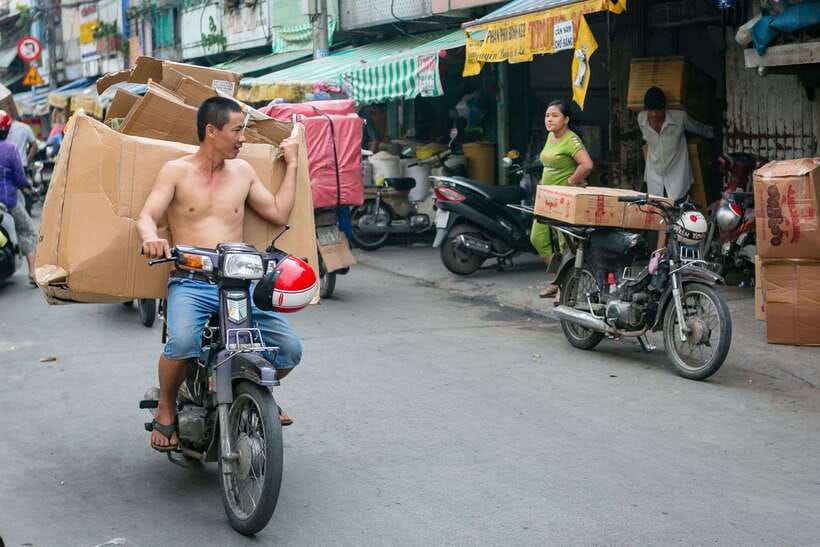
From the temple area, the tour shifts toward Chinatown’s commercial side. You’ll visit Thương xá Đồng Khánh, and you’ll also have time to relax on the cyclo while you go past shops and Chinese goods.
What I like about this approach is that it avoids the trap of making every stop feel like a museum. You get practical access to what people buy and use—things you won’t find the same way outside the district.
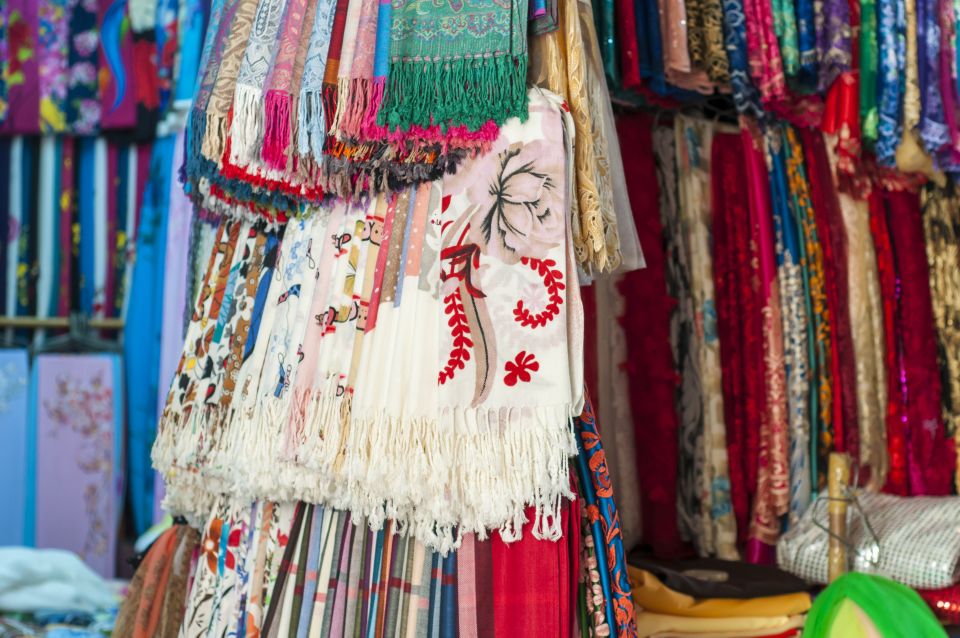
In the Chinatown shop stops, you may see Chinese products like medicinal herbs and clothing. You don’t have to buy anything to benefit. Browsing with a guide lets you understand what you’re looking at and what categories belong together.
Practical note for your phone: markets and shop streets can attract opportunists. Keep your phone secured and avoid holding it out while walking in tight areas.
You can also read our reviews of more tours and experiences in Ho Chi Minh City




Cha Tam Church (St Francis Xavier Parish Church): where Chinatown and Catholicism meet
Next up is St Francis Xavier Church, Ho Chi Minh City—linked with Cha Tam Church in the tour description. This stop is especially compelling because it shows how communities overlap.
You’ll learn that it’s connected to the first Catholic parishioners in the local Chinese community of Ho Chi Minh City. In other words, Chinatown here isn’t a single cultural lane. It’s layered, with religion and identity blending over time.
What you’ll get from this church stop
You’ll visit with guided explanations and get time for sightseeing. This is one of those stops where you’ll get more from a guide pointing out what’s important than from simply taking photos.
Also, churches tend to feel calmer than the streets outside, even in a lively district. It’s a natural “reset” in the schedule.
War Remnants Museum, Notre Dame Cathedral, and the Old Post Office
Your route also includes some of the biggest landmark stops in Ho Chi Minh City: the War Remnants Museum, Notre Dame Cathedral, and the Old Post Office.
Here’s why that combination can be powerful. Chinatown is one layer of the city, but these landmarks help you anchor your understanding of modern Vietnamese history and colonial-era architecture. You get to experience the city’s contrasts in one connected flow.
How to get the most out of the War Remnants Museum
If you’re the type who reads signage, you’ll get a lot out of it. The museum’s exhibits are known for being strong and moving, and having a guided context can help you follow what you’re seeing without getting lost in the details.
Tip: bring a steady pace mindset. Museum time can be emotionally heavy, so keep your expectations realistic for a half-day schedule.
Notre Dame Cathedral and the Old Post Office
These stops give you architectural and city-shape clues. Even when you don’t linger for long, they help you see where the city’s identity shifted across eras and influences.
If you’re someone who likes structure and symbolism, these landmark moments balance the everyday Chinatown vibe nicely.
Bình Tây Market: French-era construction and everyday browsing
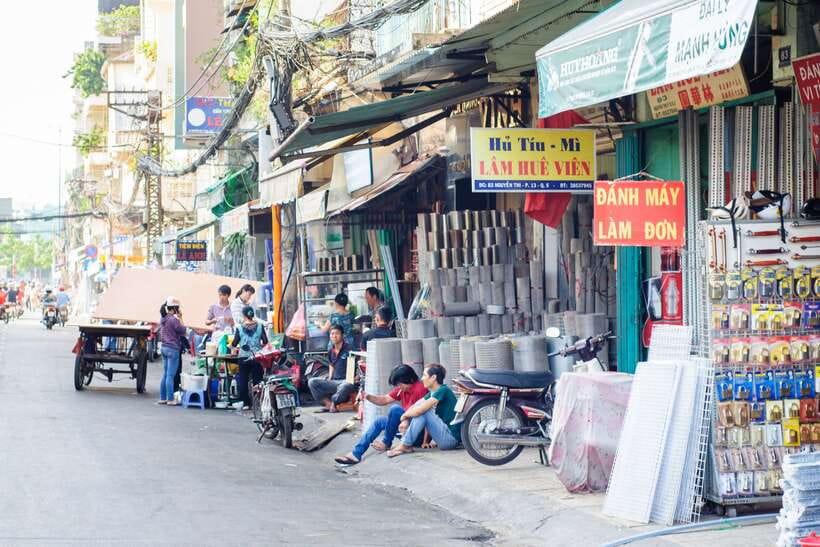
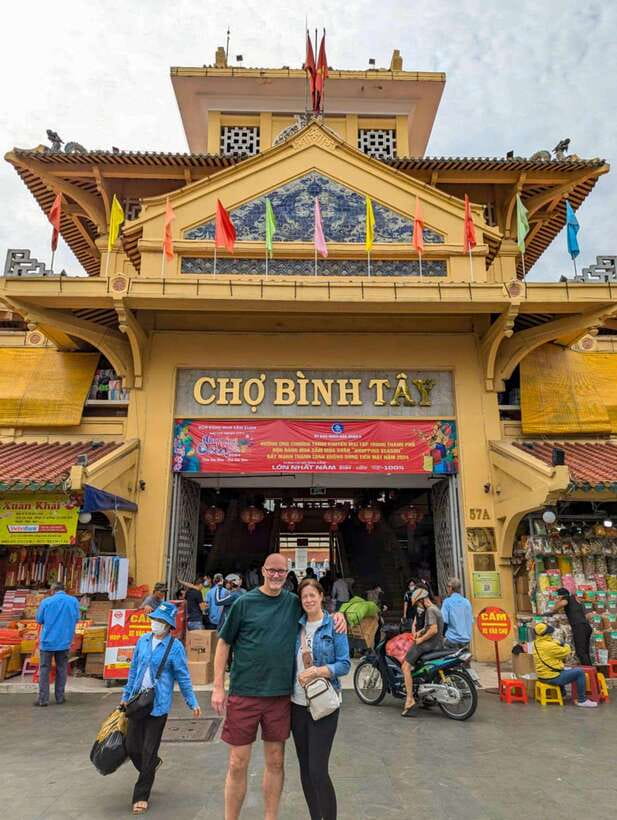
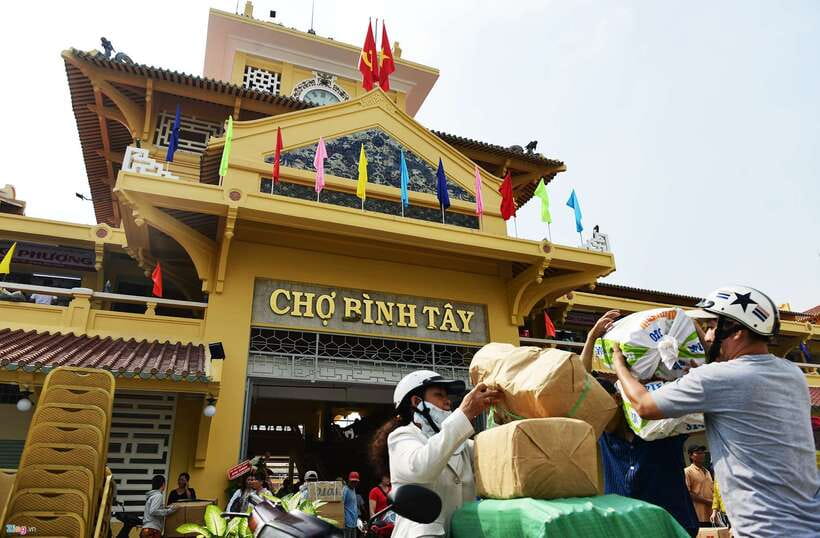
The final major stop is Bình Tây Market (Binh Tay Market), located in the heart of Vietnam’s largest Chinatown district. The market was constructed by the French in the 1880s, which gives it a very different feel than a purely modern shopping street.
You’ll have guided visit time here (about 70 minutes). That’s long enough to browse, ask questions, and see how locals shop and sell.
What to expect inside Bình Tây Market
You’ll likely see traditional goods and everyday items. Even if you’re not shopping heavily, it’s the type of place where you’ll feel the city at street level: choices, colors, packaging, and the constant flow of people doing normal errands.
Plan for personal expenses only if you genuinely want to buy something. The tour includes entrance fees, but you’ll still handle your own purchases.
Tip: bring smaller bills and be cautious with your phone and wallet in crowded aisles.
The cyclo ride itself: comfort, time, and safety reality
This is a pedicab experience, meaning you’ll sit in a street vehicle and let your driver steer through traffic. You’ll do a lot of the travel “on wheels” instead of walking.
That’s the charm for many people: you get to look around without effort. But it’s also where comfort and safety matter most.
A fair heads-up based on real-world concerns
Some people are uncomfortable with:
- Long ride stretches with limited exit opportunities
- Pollution and heavy traffic conditions along busy corridors
- Close phone-and-hand proximity in dense areas
And if you get motion or pollution-sensitive, you’ll want to protect yourself. Wear a light mask if that’s your style, keep water handy, and keep your belongings secured.
Also, ride positioning can matter. If you feel cramped or your view is blocked, tell your guide. A good guide will help you adjust so you can enjoy the sightseeing instead of negotiating comfort for the whole ride.
English guide + included entrance fees: where your $48 really goes

The listed price is $48 per person for about 3.5 hours. On paper, that may look like a simple pedicab ride. In practice, you’re paying for guided time, transportation, and entrance fees across multiple stops.
What makes it feel like value is the mix:
- You get a cyclo/pedicab for local movement
- You get an English-speaking tour guide to explain the culture
- Entrance fees are included, so you’re not constantly deciding whether a site is worth the cost
- Bottled water is included, which helps when the walking adds up
Plus, pickup and drop-off are built in for central areas. That saves your time and hassle budget.
One review highlight from a private guide experience: a guide named Pau was praised for being educational and taking people to special spots. That’s exactly what you want from a short tour—clear explanations and smart use of limited time.
Who this tour is for (and who might prefer something else)
This tour suits you if you want:
- A quick way to understand Chinatown through key sites
- A guided explanation of Thien Hau Temple and Chinatown Catholic connections
- A market visit with enough time to look around (Bình Tây Market)
- A city-anchoring mix that also includes major landmarks and museum time
You might reconsider if you:
- Strongly prefer walking over riding for most of the experience
- Are highly sensitive to traffic noise, pollution, or crowded conditions
- Want a more flexible, independent pace without relying on a set route
Tips to make it smoother the day you go
A few practical moves can make this tour feel a lot better:
- Wear comfortable shoes. You’ll walk at multiple stops (temple, church, market, plus a street segment).
- Keep your phone secured. Tight crowds and busy streets are where accidents and quick snatches happen.
- Bring a small amount of cash for personal expenses at shops or markets.
- If you’re sensitive to air quality, consider a mask you’re comfortable wearing.
- Ask your guide to help you prioritize photos during the tightest parts of the schedule.
If you do that, the cyclo ride becomes a way to slow down and see how neighborhoods really function.
Should you book this cyclo journey through Chinatown?
I think this is a strong choice if you’re spending limited time in Ho Chi Minh City and want more than a checklist. The pairing of Thien Hau Temple, a Chinatown-linked Catholic church, and Bình Tây Market gives you a clear picture of community life, not just sightseeing.
Add in the landmark and museum stops, and you get a bigger sense of the city’s historical range. The biggest “be honest with yourself” factor is the time spent riding through traffic. If that sounds like a deal-breaker, look for a walking-focused alternative. If you’re okay with a slow ride and good guidance, you’ll likely find this half-day format very efficient.
FAQ
How long is the cyclo journey through Ho Chi Minh City Chinatown?
The tour lasts about 3.5 hours.
How much does it cost?
It’s listed at $48 per person.
What’s included in the price?
Pickup and transportation, entrance fees, a cyclo (pedicab), bottled drinking water, an English-speaking tour guide, travel insurance, and the tour includes a child policy where a maximum of 1 child can be accompanied by 1 adult at the child price.
Where does pickup happen?
Pickup is included from hotel locations in Ho Chi Minh City Center: Districts 1, 3, 5, 10, and Phu Nhuan.
Is the tour private?
Yes, a private group is available.
What languages are offered, and can I cancel?
The tour is in English. There’s free cancellation up to 24 hours in advance for a full refund, and you can reserve now and pay later.