REVIEW · HO CHI MINH CITY
Afternoon Cu Chi Tunnels – Small Group Half-Day Tour
Book on Viator →Operated by TNK Travel · Bookable on Viator
Cu Chi is a Vietnam war story you can walk through. This small-group afternoon tour takes you about an hour or so out of Ho Chi Minh City for the Ben Dinh area, with an intro video and time to explore the underground maze. I especially like how the visit explains daily survival, not just big headlines, so the tunnels feel practical instead of abstract.
Two things I really enjoyed: the English-speaking guide keeps the context clear as you move from outdoor displays into the tunnel sections, and the time inside Ben Dinh is long enough to understand how the underground spaces were set up for living and fighting. You’re not rushed through a quick photo stop.
One consideration: it can include a brief arts stop, and one review note said the heat outside was a poor use of time. If you’re sensitive to sun and heat, build that into your expectations for the day.
In This Review
- Key things to notice before you go
- Cu Chi in an Afternoon: What You Actually See in 6.5 Hours
- Getting There from Ho Chi Minh City: Pickup, Meeting Point, and Timing Reality
- Entering Ben Dinh: Video First, Then the Underground Maze
- Underground Life You Can Picture: Kitchens, Bedrooms, Storage, and More
- The Security Logic: Why Trap Doors and Deadly Features Matter
- Extras on the Day: A Possible Arts Stop and Heat-Time Tradeoffs
- Price and Value: Is $25 Worth It for Ben Dinh?
- Small Group Comfort: What a 2–12 Pax Tour Feels Like
- Who Should Book This Cu Chi Afternoon Tour
- Should You Book: My Practical Recommendation
- FAQ
- How long is the Afternoon Cu Chi Tunnels small-group tour?
- What time does the afternoon tour start?
- Is hotel pickup included?
- Is the entrance fee included?
- What language is the guide?
- Is bottled water provided?
- Is the tour refundable if plans change?
Key things to notice before you go
- Small group size (2–12, max 12) means you’re more likely to hear explanations and ask questions.
- Ben Dinh focus gives you a coherent tunnel experience instead of a long drive with no time in the tunnels.
- Intro video + short briefing helps you understand what you’re about to see before you go underground.
- Underground “daily life” areas are part of the route, including spaces for kitchens, bedrooms, storage, and more.
- Trap doors and security features are a real theme in the tunnel layout, so pay attention to the guide’s tips.
- Tour includes bottled water and an air-conditioned vehicle, useful for the drive out and back.
Cu Chi in an Afternoon: What You Actually See in 6.5 Hours
This is a half-day experience built around one core goal: get you to Cu Chi and give you meaningful time at Ben Dinh. The total duration is about 6 hours 30 minutes, and the trip runs in the afternoon starting around 13:00. That timing matters because it can help you avoid the full heat of the morning, while still fitting Cu Chi into a shorter itinerary.
Cu Chi itself is now treated as a heroic district tied to the Vietnam-American war. What makes it so famous is the tunnel network. Depending on how the measurements are described, it’s often talked about as over 135 miles (220 km) of tunnels, and you may also hear the figure of over 200 km during wartime operations. Either way, the takeaway is the same: this wasn’t a few passages. It was an underground system designed to last.
The tour’s biggest strength is that it’s not just about underground engineering as a novelty. It’s presented as an environment where people had to keep going—cook, sleep, treat injuries, store supplies—while staying hidden. That’s why the route emphasizes living areas and functional zones, not only the tunnels you can crawl through.
You can also read our reviews of more tours and experiences in Ho Chi Minh City


Getting There from Ho Chi Minh City: Pickup, Meeting Point, and Timing Reality
Cu Chi is about 60 km from Ho Chi Minh City, so expect real travel time even with the afternoon start. This is handled by an air-conditioned vehicle, and you’re provided bottled water, which I appreciate because it keeps you comfortable during the drive.
If you choose the pickup option, the tour can pick you up and drop you off at centrally located hotels in District 1. That’s convenient. Just know there’s a local traffic rule reality: for some centrally located hotels, pickup may not be possible due to traffic restrictions, and you’ll be asked to contact the local supplier for support. In other cases, you may end up starting from the listed meeting point: 112 Đ. Trần Hưng Đạo, Phường Phạm Ngũ Lão, Quận 1, Hồ Chí Minh, Vietnam.
Return time isn’t guaranteed to the minute because it depends on traffic. The operator notes that the return schedule is subject to road conditions, not something they can fully control. For practical planning, don’t book anything tight immediately after your tour time if you can help it.
The good news: the tour is small, so you won’t spend extra time herding a huge group back and forth. The vehicle is still the main constraint, but it’s usually manageable.
Entering Ben Dinh: Video First, Then the Underground Maze
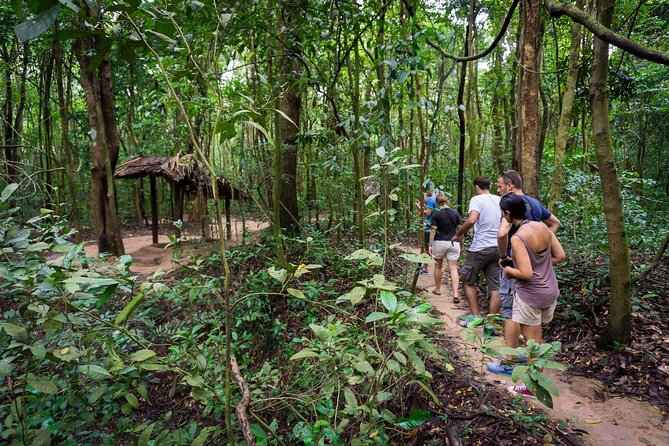
When you arrive, the experience starts with a short introduction followed by an introductory video. This matters more than you might think. The Cu Chi story can get technical quickly—how tunnels were built, how people survived, and how the layout served as protection. The video gives you a mental map before you walk into the underground spaces.
After that, you move into the Ben Dinh tunnel area and spend about 3 hours exploring the remaining sections and tunnel systems. This is where the tour becomes tangible.
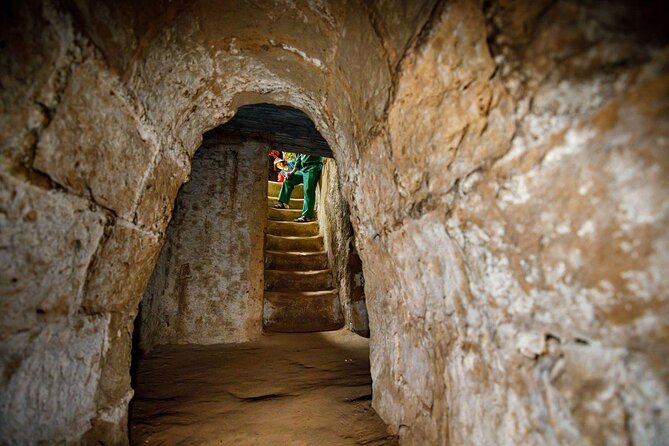
You’ll see the approach to the tunnels presented like a system. The route is described as including special constructed living areas, and the environment is organized around basic needs. That theme—survival through design—comes through in the way the spaces are explained.
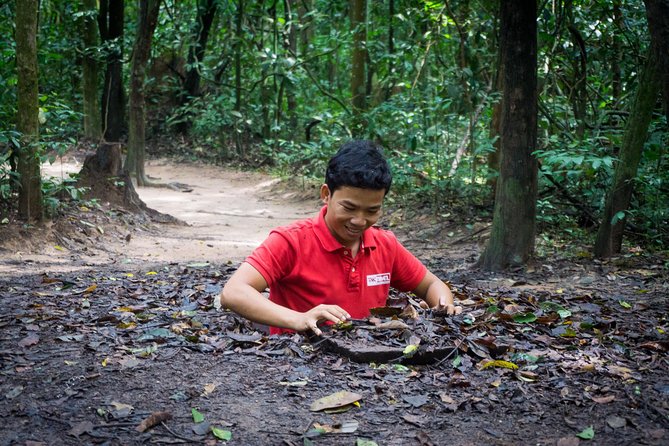
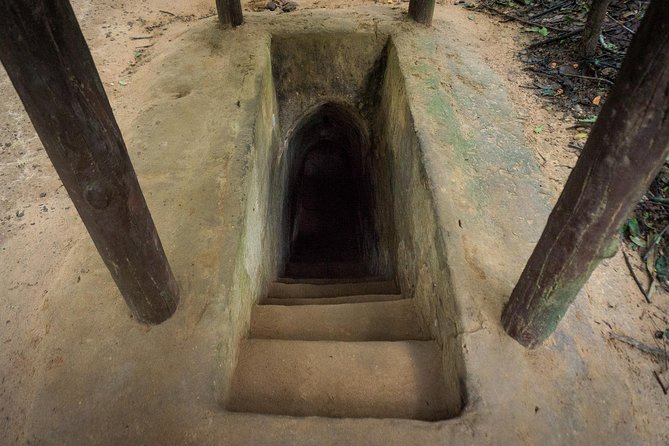
Also, the tunnel experience emphasizes safety and security. As you go, you’ll encounter hidden trap doors and dangerous traps within the tunnel maze. The wording in the tour description makes it clear this isn’t only history in a museum. It’s a layout that used terrain and concealment to protect people.
Underground Life You Can Picture: Kitchens, Bedrooms, Storage, and More
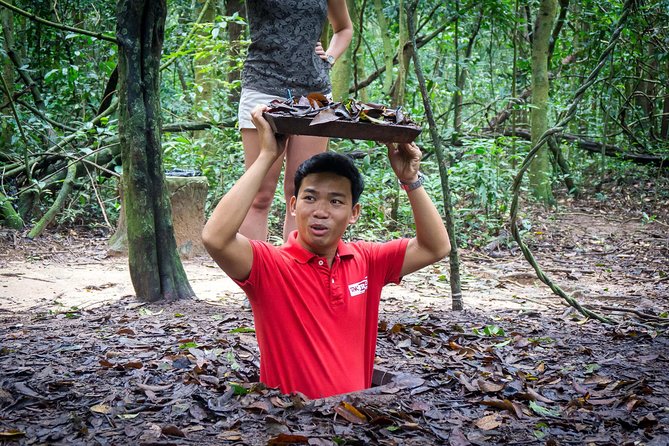
Ben Dinh isn’t treated like a one-note attraction. The core value is that you’re shown how different functions were packed into the underground world.
The tunnel living areas are described with details like kitchens and bedrooms side by side with other facilities. That phrase is important. It suggests the underground village wasn’t just for movement—it was organized for routines.
You’ll also see how the system included spaces for:
- storage
- weapons factories
- field hospitals
- command centers
Even if you already know the broad story, this kind of breakdown helps you understand why the tunnels mattered strategically. The network wasn’t only about hiding from bombs or patrols. It supported operations—production, medical care, leadership, and daily living—in one protected environment.
As you walk the tunnels and adjacent areas, I think you’ll feel the logic of it: if people can’t access supplies and treatment easily, the underground system has to provide it. The tour’s focus on these functional zones makes the underground design feel less like a curiosity and more like wartime infrastructure.
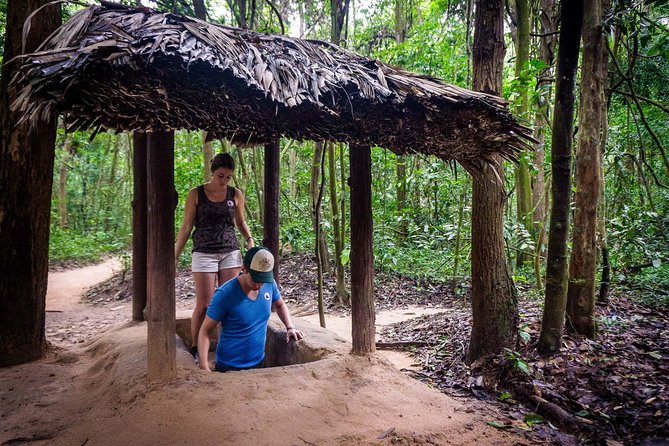
One practical point: underground spaces can feel tight and dim compared to daylight areas. Wear shoes you’re comfortable walking in for a while. The tour is structured for exploration, not a quick pass, so plan for sustained walking.
The Security Logic: Why Trap Doors and Deadly Features Matter
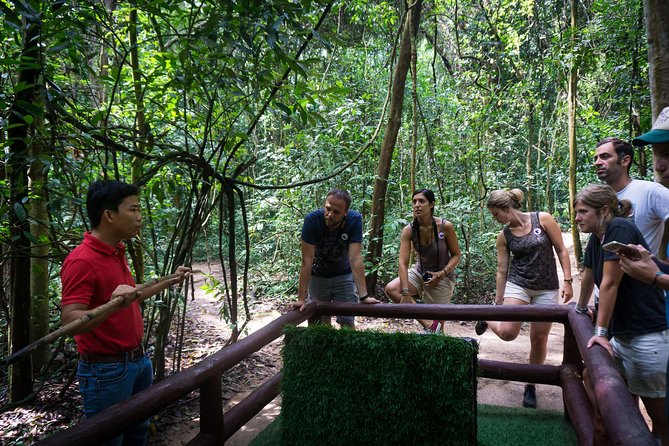
The Cu Chi tunnels are famous for being difficult to reach and hard to destroy. Part of why is the way the tour describes security features: hidden trap doors and dangerous traps built into the maze-like passages.
This is where an experienced guide really adds value. Without explanations, a tunnel network can feel like random corridors. With explanations, you start to notice design patterns: visibility management, concealment, and obstacles that slow or confuse anyone trying to enter.
Pay attention during the guide’s briefing and whenever you see signs or features called out. Even if the tunnels look similar from one spot to the next, the tour’s emphasis suggests there are key differences in how areas were protected.
I also like that the tour doesn’t pretend this was a pleasant place. It’s presented as harsh and survival-focused. That honesty helps you understand why people needed ingenuity, patience, and discipline to live there.






Extras on the Day: A Possible Arts Stop and Heat-Time Tradeoffs
One of the few negatives that stands out in feedback is the inclusion of a stop at a handicapped people’s art shop. The criticism was specific: it was viewed as unnecessary and could be improved by moving people working on the art into an air-conditioned space rather than working outside in the heat.
I can’t tell you this stop will happen on every departure, because your actual route can vary. But you should assume you may get at least a brief non-tunnel add-on during the broader half-day schedule.
If you’re booking Cu Chi primarily for the tunnel time, this is worth thinking about. The time you give up on an extra stop can’t be reclaimed underground. If you’re someone who hates sun and humidity, consider bringing a hat and planning for warm weather conditions during any outside segments.
On the flip side, if you’re the type who likes meeting local craftspeople and seeing how businesses operate in the region, an arts stop can be a meaningful side moment. Just don’t expect it to replace the main Cu Chi experience.
Price and Value: Is $25 Worth It for Ben Dinh?
At $25.00 per person, this tour sits in the “good deal if the timing works” category. The real question is what you get for that price.
Here’s what’s included:
- English-speaking tour guide
- entrance fee
- pickup/drop-off at centrally located hotels in District 1 (if selected)
- air-conditioned vehicle
- bottled water
- small-group setup (2–12 pax)
- mobile ticket
What’s not included:
- travel insurance, tips, and tax
- personal expenses like phone use and snacks
To judge value, look at the big pieces: you’re paying for transport out to Cu Chi, professional explanation in English, and paid access to the Ben Dinh area. Many self-guided days to Cu Chi either cost similarly once you factor transport, or they fall short because you miss the context that makes the tunnel layout make sense.
Also, consider the timing. The afternoon schedule can fit neatly into a packed Ho Chi Minh City itinerary. If you’re tight on time, the half-day length helps. The average booking window mentioned is about 18 days in advance, which suggests it’s popular and usually not something you want to leave to the last minute if your dates are firm.
Bottom line: at $25, you’re buying a structured, guided tunnel visit with included access. For most people, that’s a strong value proposition.
Small Group Comfort: What a 2–12 Pax Tour Feels Like
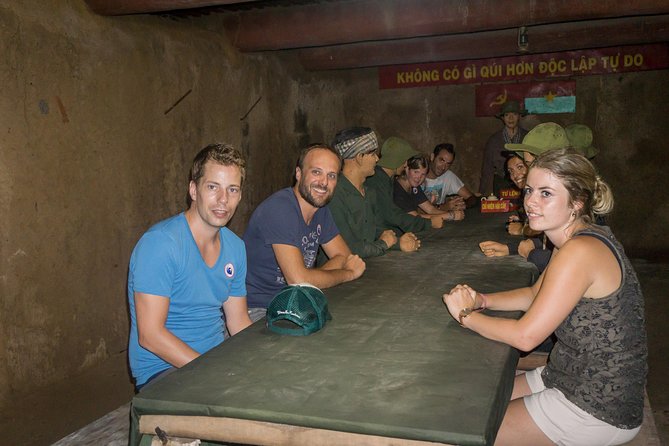
A lot of Vietnam day tours are either private or huge. This one aims for the middle: small group from 2 to 12 pax, with a maximum of 12 travelers.
That size can change your experience in subtle ways:
- you spend less time waiting for people to filter in and out
- you’re more likely to keep up with the guide
- questions land better when the group isn’t crowded
It also helps for a site like Cu Chi, where explanations matter. The more people you have, the more likely it is that the guide’s attention gets spread thin. With a smaller number, you can get clearer guidance on what you’re seeing.
This isn’t a private tour, so you won’t control every minute. But it’s small enough that you can feel the guide’s pacing more naturally.
Who Should Book This Cu Chi Afternoon Tour
This tour makes the most sense for:
- first-timers who want Cu Chi in a manageable afternoon window
- people who prefer a guided English explanation rather than walking around alone
- anyone who wants to understand how the underground system supported living and operations, not only tunnel imagery
- travelers who like the idea of a 3-hour on-site exploration at Ben Dinh
You might skip it if you:
- strongly dislike heat and want to avoid any outside add-on (especially if an arts stop is part of your route)
- have mobility limits or health concerns, since the tour notes it is not available for the handicapped and anyone with heart problems
- need strict timing with no flexibility, because the return depends on traffic
Should You Book: My Practical Recommendation
If you have a half-day slot and you want a clear, guided way to see Ben Dinh tunnels, I’d lean yes. This is one of those days where the guide’s explanations can genuinely change how the site lands. The combination of intro video + functional underground layout gives you more understanding than a quick sightseeing drive.
But book it smart. Wear comfortable shoes, plan for warm weather on any outside segments, and consider what you want most: maximum time in tunnels or a balanced day with an extra stop. If your priority is only tunnel time, you may want to mentally budget for the possibility of an added stop and not let it derail your expectations.
If you want Cu Chi as a thoughtful, well-paced half-day with included entry and transport, this $25 option is a practical way to do it.
FAQ
How long is the Afternoon Cu Chi Tunnels small-group tour?
It runs for about 6 hours 30 minutes (approx.).
What time does the afternoon tour start?
The tour departs in the afternoon at around 13:00.
Is hotel pickup included?
Pickup is offered for centrally located hotels in District 1 in Ho Chi Minh City if you select that option. If pickup isn’t possible due to traffic rules, you may need support from the local supplier.
Is the entrance fee included?
Yes. The entrance fee for the tunnels is included.
What language is the guide?
The guide is an English speaking tour guide.
Is bottled water provided?
Yes, bottled water is included.
Is the tour refundable if plans change?
You can cancel up to 24 hours before the experience for a full refund. If you cancel less than 24 hours before, the amount paid is not refunded. The tour also requires good weather, and if it’s canceled due to poor weather you’ll be offered a different date or a full refund.