REVIEW · HO CHI MINH CITY
Half-Day Private Motorbike Tour in Saigon
Book on Viator →Operated by Wobiviet Travel · Bookable on Viator
Saigon moves fast, and this ride matches its pace. You’ll zip past famous landmarks like Notre Dame Square and the Central Post Office, plus you’ll also hit quieter war-era stops where you can see and even touch Vietnam’s Vietnam War artifacts. The one thing to think about first: this is a motorbike tour, so you’ll want to feel okay riding in traffic.
I like the way the whole experience stays private. You and your group get your own guide and route, and the team is described as professional and friendly, with guides such as Quan, Andrean, and Nei named by families who did the trip. One family even shared that their guide(s) went to the airport to see them off, which says a lot about attention to people, not just checklists.
This tour also feels like good value because so much is baked in. Your price includes a motorbike with fuel, helmets and raincoats, first-aid supplies, a guide, and all fees and entrance tickets, plus 2 drinks during the tour. For $54, you’re paying mainly for time, route, and a guide who helps you make sense of what you’re seeing.
In This Review
- Key highlights worth knowing before you go
- Why a private half-day motorbike ride makes sense in Ho Chi Minh City
- Price and what you actually get for $54
- Stop 1: Notre Dame Square and the Central Post Office
- Stop 2: War-era Gia Dinh artifacts you can see and touch
- Stop 3: Đường Hồ Thị Kỷ flower market and the 300 km freshness factor
- Stop 4 and 5: The city loop, Thu Đức coffee, and that East-West Boulevard ride
- Stop 6: The old apartment that represents the War’s era
- Motorbike comfort: helmets, raincoats, and when to rethink it
- Who this tour fits best (and who should skip it)
- Should you book this Saigon motorbike tour?
- FAQ
- How long is the Half-Day Private Motorbike Tour in Saigon?
- What does the tour cost?
- Is this tour private?
- What are the main stops on the tour?
- Are entrance tickets included?
- What’s included in the price besides the guide?
- Is pickup available?
- How much are pickup fees in different districts?
- Do you provide a mobile ticket?
- What is the cancellation policy?
Key highlights worth knowing before you go
Private motorbike route in Ho Chi Minh City (no waiting on strangers)
Notre Dame Square plus the Central Post Office as your first big landmark stop
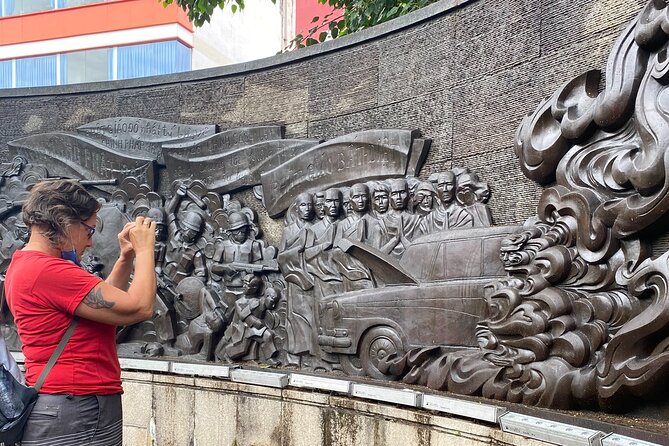
War-era Gia Dinh artifacts you can see and touch, not just look at from afar
Ho Thi Ki flower market, with fresh flowers delivered from the Central Highlands
Thu Duc coffee stop after a ride along the East-West Boulevard
War-era old apartment visit that adds context to what you’ll hear on the road
Why a private half-day motorbike ride makes sense in Ho Chi Minh City
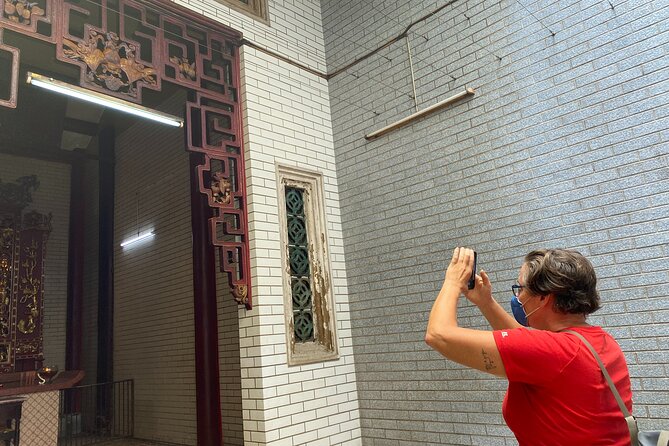
A half-day in Saigon is short. So the smartest use of time is moving through the city with a guide who knows the flow and the stops. This tour is built for exactly that: about 3 to 4 hours, with a set sequence of sights and ride segments that keep you from spending your energy figuring out the logistics.
I like tours like this because you see more than the “postcard” version of Ho Chi Minh City. You start with iconic architecture at Notre Dame Square and the Central Post Office, then the route shifts into the city’s older layer—especially the Vietnam War era. That mix matters. The photos you’ve seen online are only one side of Saigon, and the motorbike format lets you experience how different neighborhoods feel in a single morning/afternoon.
Because it’s private, you can go at a pace that actually works for your group. Also, you’re not stuck watching other people hesitate at every street. Your guide handles the stop timing—most are about 30 minutes each—so you get a structured experience without feeling rushed.
You can also read our reviews of more private tours in Ho Chi Minh City



Price and what you actually get for $54
At $54 for a private, half-day motorbike tour, the main value is the package. You’re not just paying for a guide. You’re paying for transport (including fuel), the ride equipment (helmets and raincoats), basic safety support (first aid and medical supplies), and the paid access costs.
Here’s what’s included, and why it’s useful:
- Motorbike with fuel: saves you from hunting transport and negotiating on the spot
- Helmets and raincoats: practical in unpredictable weather
- All fees and taxes + entrance tickets: you avoid small surprise costs at each stop
- 2 drinks on tour: keeps the rhythm going during the ride
The one cost you should plan for is pickup. Pickup isn’t uniform. Districts like 2, 5, 7, Binh Thanh, and Phu Nhuan have an extra 50,000 VND (~$2) per person, while other districts can be higher. If your hotel is outside those areas, you’ll want to check the pickup pricing early so you don’t end up paying last-minute.
So yes, the price is “reasonable,” but the real reason it works is what it removes from your mental workload: tickets, transport, and safety gear are handled.
Stop 1: Notre Dame Square and the Central Post Office
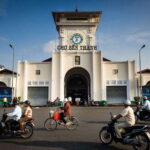
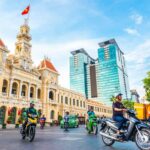
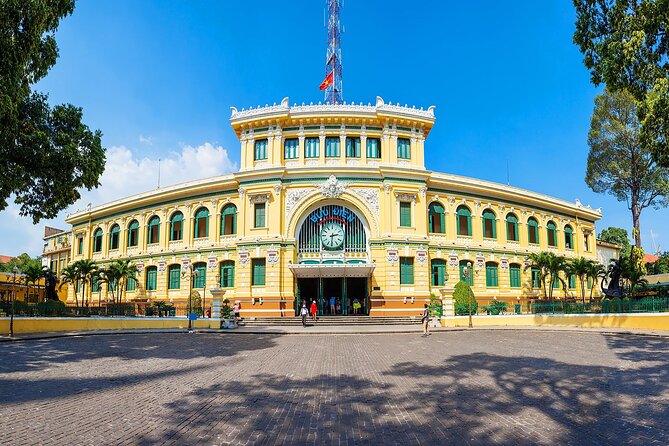
This is a strong opener because it’s a clear visual anchor. You start at Notre Dame Square, then move to the Central Post Office. If this is your first time in the city, these stops help you understand Saigon’s layered identity quickly: European-influenced architecture set inside a modern, fast-moving metropolis.
You’ll spend about 30 minutes at this first stop area, and admission is included. That timing is good. It’s long enough to take photos and walk around, but short enough that you’re not stuck in one place while traffic and the rest of your route wait.
A practical tip: keep your expectations realistic. This is a quick landmark stop, not a full museum visit. You’ll get the big features and context from your guide, and then the tour moves on. If you want to linger longer for photos, you can ask your guide how much flexibility there is before the next segment.
What I like most is that the tour doesn’t let you burn your whole time on only the famous buildings. It gives you the structure first, then swaps gears toward older, more personal parts of the city’s story.
Stop 2: War-era Gia Dinh artifacts you can see and touch
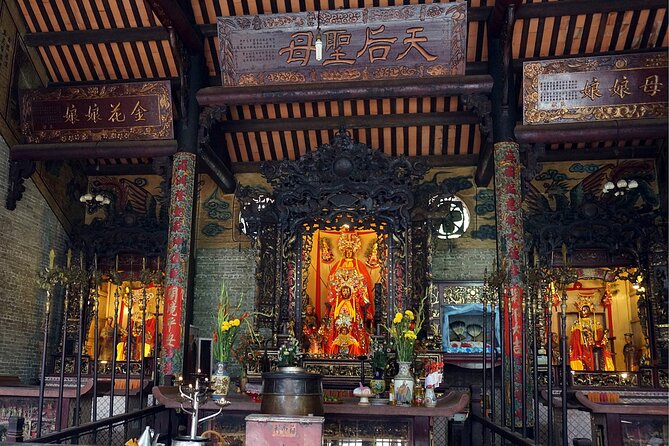
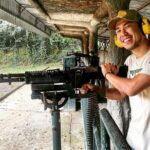
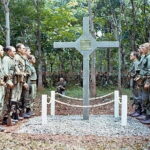
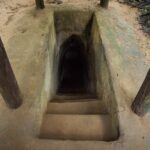
After the landmark start, the route shifts into something more grounded. The tour heads into Old Saigon – Gia Dinh, focusing on Vietnam War-era artifacts. The standout detail here is that it’s not just viewing. You’ll be able to see and touch the materials.
That changes the experience. A lot of war-history tours rely on photos or replicas behind glass. Touch-based learning (when offered appropriately) helps your brain connect objects to real life—what the items were made for, how they were used, and how everyday life was shaped around conflict.
You’ll likely spend about 30 minutes here, and admission is free for this stop. That’s valuable because it keeps the itinerary affordable while still delivering a meaningful stop. Your guide’s job is to translate what you’re seeing into human-scale context, so it doesn’t feel like random rooms full of objects.
The only consideration: because this stop is part of a short, moving half-day, you won’t get hours of reading time. If you’re the type who wants to study every label, you’ll need to accept that this is an overview experience—just a strong one.
Still, it’s exactly the kind of stop that makes a motorbike tour feel more than scenic sightseeing.
Stop 3: Đường Hồ Thị Kỷ flower market and the 300 km freshness factor

Next comes a sensory change. You’ll ride to Đường Hồ Thị Kỷ, stopping at the Ho Thi Ki flower market. This is the kind of place that makes Saigon feel alive in a way that city sights alone can’t.
The market is described as the biggest flower market in Saigon, and the flowers are fresh deliveries from the Central Highlands, around 300 km away. That detail matters because it explains why the flowers feel different. You’re not just looking at decoration—you’re seeing the city’s supply chain and daily rhythm.
You’ll have about 30 minutes, and admission is free. That short timeframe is ideal here. Markets are best when you’re moving and reacting—nosing around without turning it into a long, static visit.
Practical note: flowers can be colorful, and the light can vary. If you’re doing photos, consider asking your guide the best side for pictures based on the time of day. Your guide will know how vendors and streets are arranged that morning/afternoon.
This stop also breaks up the heavier war-history content. It adds color, smell, and everyday life—an important balance on a half-day tour.
You can also read our reviews of more tours and experiences in Ho Chi Minh City





Stop 4 and 5: The city loop, Thu Đức coffee, and that East-West Boulevard ride
After the market, you get a second “feel the city” segment. The tour includes another 30-minute ride around Ho Chi Minh City to see the metropolitan view. Think of this as your visual orientation block. You’ll likely recognize areas you’ve heard about, and you’ll get a better sense of how the city stretches and flows.
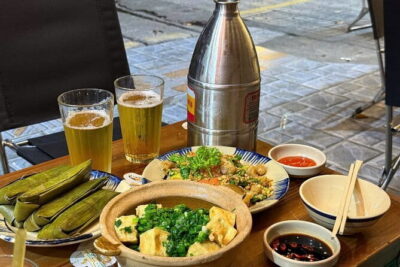
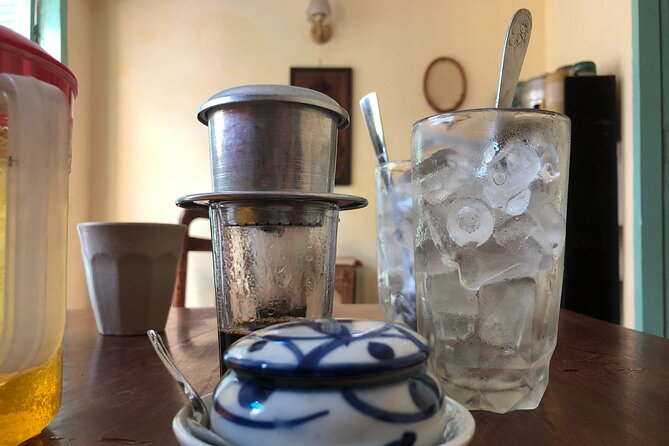
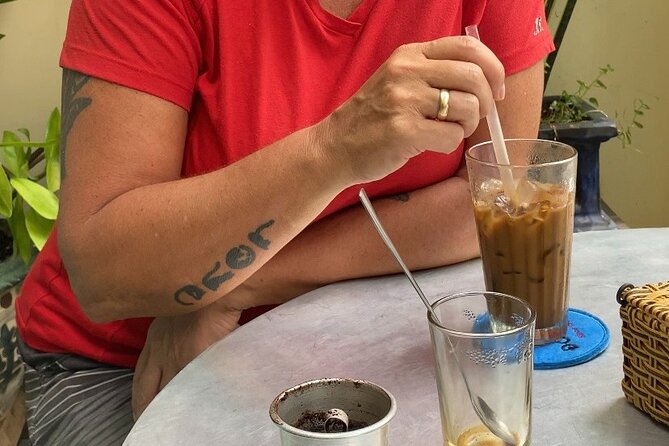
Then comes the best “local taste” moment: Thu Đức City. You’ll go through the East-West Boulevard, then taste traditional Saigonese coffee at a historical place. You’ll spend about 1 hour at this stretch, and it’s free for admission.
The coffee stop is a real win because it gives you something to do after you’ve been sight-seeing. Your body catches up. Your brain resets. And you get a simple, human experience—just sitting, sipping, and watching the world move by.
A consideration here: coffee can mean different things to different people. The tour frames it as traditional Saigonese coffee, so you may not get a curated menu tasting with lots of options. What you’re really buying is a moment of pause and local rhythm in the middle of motion.
If your group likes photo stops and street life, this section is often where the tour starts to feel like a story, not just a list of stops.
Stop 6: The old apartment that represents the War’s era
The final sightseeing piece is an old apartment that represents the style of the War’s era. You’ll spend about 30 minutes here, and admission is free.
This stop works well because it complements the earlier artifact visit. Artifacts explain items used during conflict. An apartment-style setting helps you imagine how spaces were lived in—how rooms were used, how daily routines might have looked, and how the war affected ordinary architecture and life.
I like that it’s scheduled last. After you’ve seen the city’s famous face, the flower market’s pulse, and the coffee break, your brain is more prepared to handle heavier context without feeling overwhelmed right at the beginning.
The drawback is the same as most history stops on a short tour: you won’t leave with complete coverage. You’ll leave with clearer context, which is honestly the best way to handle a half-day. You can always come back later if something sparks deeper curiosity.
If you’re planning your trip around Vietnam War history, this last stop gives you a final thread to pull on as you walk away.
Motorbike comfort: helmets, raincoats, and when to rethink it
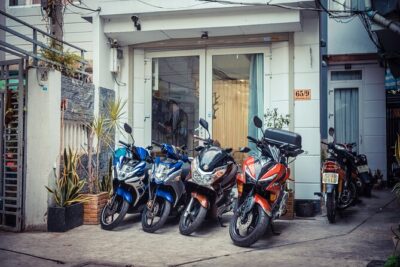
This is the practical point. The tour includes helmets and raincoats, which is huge because it shows the operator planned for real weather and real riding. There are also first-aid and medical supplies on hand, which adds peace of mind.
That said, a motorbike tour still isn’t for everyone. If you’re nervous about balancing, quick starts, tight turns, or busy traffic, you might want to choose a walking or car-based option. One family booking noted that the first moments felt scary until they got used to it—so there’s often an adaptation period—but that still depends on you and your comfort level.
The upside is that the motorbike is what makes this tour work. You can cover city variety fast: landmarks, markets, neighborhood streets, and coffee stops without losing half your time in transport.
My advice: if you go, dress for sitting. Wear comfortable shoes and layers for temperature changes. And tell your guide right away if you’re feeling uneasy at any point. A good guide adjusts behavior and pacing to your comfort.
Who this tour fits best (and who should skip it)
This tour fits well if you want:
- A private half-day with a set route and a guide handling the details
- A mix of famous sights and less obvious city life, including war-era context
- A chance to see and touch historical artifacts, not just take photos
- A break for traditional coffee in Thu Đức after riding the East-West Boulevard
It’s especially appealing for families and groups who want structure but also want movement. The names Quan, Andrean, and Nei came up in a family experience, where the group described the staff as friendly and enthusiastic, with a professional feel. That kind of guide energy matters on a motorbike tour.
You might consider skipping if:
- You strongly dislike riding in traffic or feel anxious on motorcycles
- You need a slow, fully unhurried museum pace (this is around 30-minute stops)
- Your hotel situation makes pickup fees complicated and you’d rather avoid added costs
If you’re flexible and curious, this is the kind of tour that helps you understand Saigon fast—and in a way that feels personal, not generic.
Should you book this Saigon motorbike tour?
I’d book it if you want a time-efficient introduction to Ho Chi Minh City that goes past the obvious photos. The blend of Notre Dame Square, touchable war-era artifacts, the Ho Thi Ki flower market, a ride through the city, and a Thu Đức coffee break makes the half-day feel full without feeling chaotic. The motorbike format is the secret sauce here.
I’d hesitate if you’re not comfortable riding or if your group wants long stays at each place. This is about momentum: quick stops, guided context, and a memorable ride-through of Saigon’s different faces.
If your idea of a great tour is practical, guided, and slightly adventurous, this one is a strong match.
FAQ
How long is the Half-Day Private Motorbike Tour in Saigon?
The tour lasts about 3 to 4 hours.
What does the tour cost?
The price is $54.
Is this tour private?
Yes. It’s a private tour/activity, and only your group participates.
What are the main stops on the tour?
The tour includes Notre Dame Square and the Central Post Office, old Saigon–Gia Dinh war-era artifact area, Đường Hồ Thị Kỷ (Ho Thi Ki flower market), a ride to see metropolitan Saigon, Thu Đức City with coffee, and an old apartment representing the War’s era.
Are entrance tickets included?
Yes. All entrance tickets are included.
What’s included in the price besides the guide?
You get a motorbike with fuel, helmets and raincoat, first aid and medical supplies, 2 drinks on tour, and all fees and taxes.
Is pickup available?
Pickup is offered, but there are extra charges depending on the district.
How much are pickup fees in different districts?
Pickup District 2, 5, 7, Binh Thanh, and Phu Nhuan costs 50,000 VND per person (about $2). District 6, 8, 10, 11 Tan Binh, and Go Vap costs 75,000 VND per person (about $3). District 9, 12, Binh Tan, and Thu Duc costs 100,000 VND per person (about $5).
Do you provide a mobile ticket?
Yes, the tour includes a mobile ticket.
What is the cancellation policy?
You can cancel for a full refund up to 24 hours in advance of the experience start time. If you cancel less than 24 hours before, the amount paid is not refunded.