REVIEW · HO CHI MINH CITY
Ben Duoc – Authentic Cu Chi Tunnels Private Tour
Book on Viator →Operated by MAIKA TOURS · Bookable on Viator
Cu Chi feels quiet, which is the trick. You’ll ride out of Ho Chi Minh City, get English guidance on Viet Cong guerrilla life, then spend time around the Cu Chi Tunnels and the earlier Liberated Area. I like that the tour is private, so your guide can pace explanations to your questions. I also like the practical comfort touches—fully air-conditioned transport plus water—because the site is the main event. One consideration: you’ll be walking outdoors and you’ll want to cover up properly (knees and shoulders), so plan for heat and insects.
After the pickup, the day starts with political history to help the tunnels make sense. That short lead-in matters. Without it, the tunnels can turn into just another “cool war site.” With it, you start seeing how design, camouflage, and everyday survival work together. You’ll also get chances to pause and look closely instead of rushing through photo stops.
In This Review
- Key things to know before you go
- Pickup in Ho Chi Minh City: the day starts with context
- Liberated Area: peaceful ground with heavy meaning
- Ben Duoc Tunnels: camouflage, traps, and the logic of survival
- Touring the tunnels without turning it into a race
- What’s included (and what you’ll need to plan for)
- Your guide makes or breaks the day
- Practical tips: what to bring and how to dress
- Who this tour is best for (and who should think twice)
- Price and logistics: is $95 worth it for a private Cu Chi day?
- Should you book Ben Duoc – Authentic Cu Chi Tunnels?
- FAQ
- What time does the Cu Chi Tunnels private tour start?
- How long is the tour?
- Is pickup from my hotel included?
- Is lunch included in the price?
- What should I wear or bring?
- What is the cancellation policy?
Key things to know before you go
- Private tour comfort: only your group, with an English-speaking guide
- Included tickets for the tunnel experience: admission tickets are part of the tour
- War-life stops, not one single show: Liberated Area plus Ben Duoc Tunnels
- Air-conditioned pickup and water: a real help for a morning start
- What you wear affects your day: knees and shoulders covered, sun and bugs handled
Pickup in Ho Chi Minh City: the day starts with context
This tour begins at 8:00am with pickup from your accommodation. You’re not stuck figuring out how to get out there. Instead, you settle into a private vehicle and get brief history prep for what you’re about to see.
I like this approach because Cu Chi can be emotionally intense. When you understand the Viet Cong role and the time period you’re visiting, the tunnels stop being a random underground maze and start being a survival system built under pressure. Your English-speaking guide sets that baseline as you head out.
Expect a proper ride through the moving traffic of Ho Chi Minh City. It’s part of the contrast. You go from modern city noise to an area meant to protect people who had to move quietly, hide fast, and keep operating even when the surface world was dangerous.
You can also read our reviews of more private tours in Ho Chi Minh City


Liberated Area: peaceful ground with heavy meaning
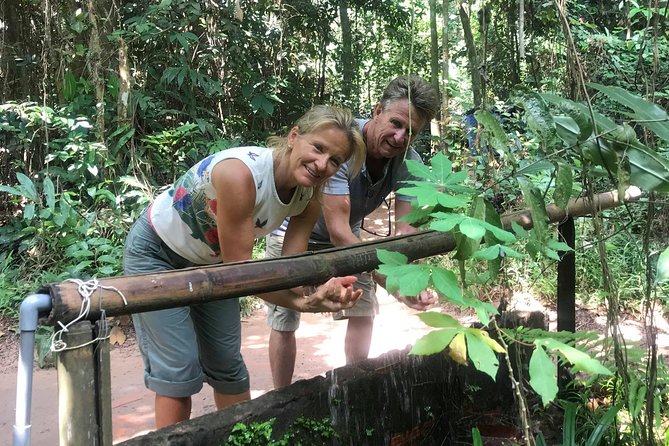
After about 1.5 hours of driving, you arrive at the Liberated Area—the first major stop. This is the place that shows you life during the most intense years of fighting, described in the tour as 1961–1972. Today, it’s surprisingly calm. That calm is what makes the site feel so strange at first glance.
Here’s what I think works best about starting at Liberated Area: it reminds you the tunnels weren’t only about hiding. They also supported daily routines—living, working, and staying connected when the war pushed everything underground.
When you walk around, you’ll get explanations from your guide about how Viet Cong guerrilla fighters used the underground option as part of a wider system. It’s not just “look at the tunnel.” It’s “this was how people kept functioning.”
A practical drawback: because it’s outdoors and peaceful now, it’s easy to forget you’re in a place tied to real danger. If you know you get affected by war history, go slowly and take breaks when you need them.
Ben Duoc Tunnels: camouflage, traps, and the logic of survival

Then you move on to Ben Duoc Tunnels, the heart of the day. Your time here is guided and hands-on in the sense that you’re shown the site and you get to experience parts of it up close—rather than only watching from a distance.
The Ben Duoc area is described as thick forest with bamboo and tree shade. That matters. It helps you understand why camouflage wasn’t a gimmick. When you’re surrounded by natural cover, hiding becomes easier, and movement can be planned more carefully.
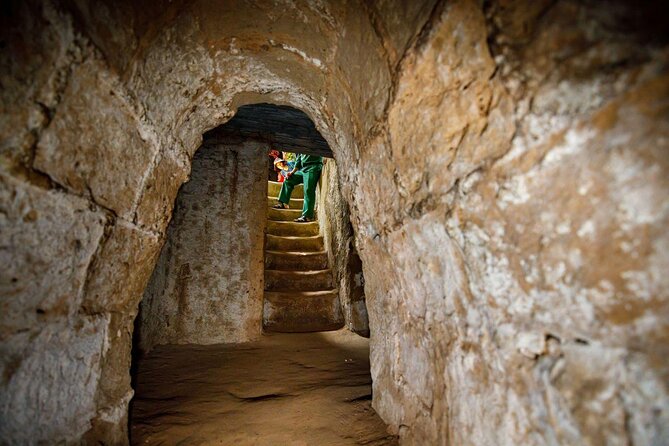
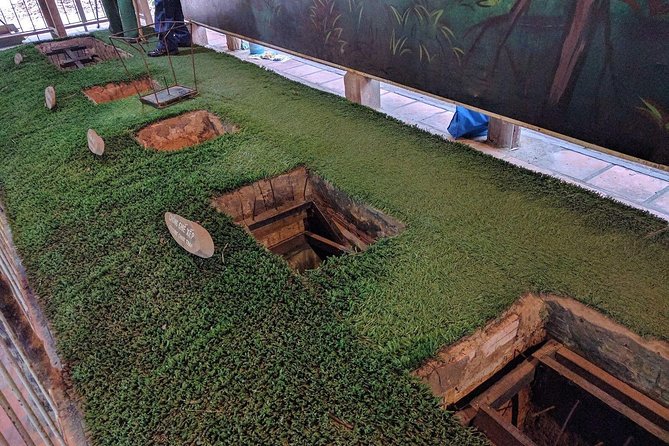
This is where the tour leans hard into ingenuity. Your guide shows how the tunnels work and highlights clever features such as:
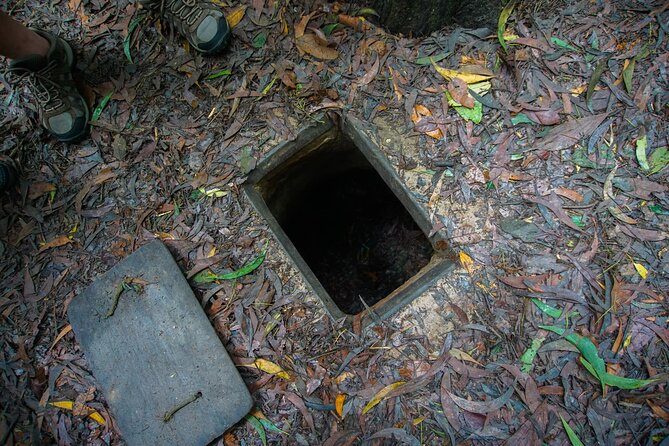
- Camouflaged entrances that blend into the environment
- Bamboo trap ideas (the tour calls out bamboo booby traps)
- An intricate ventilation system so underground life wasn’t just a dead-end space
I like that the explanations focus on functionality. It helps you picture how someone could live, move, and keep operating underground without turning it into pure horror-movie logic.
Touring the tunnels without turning it into a race
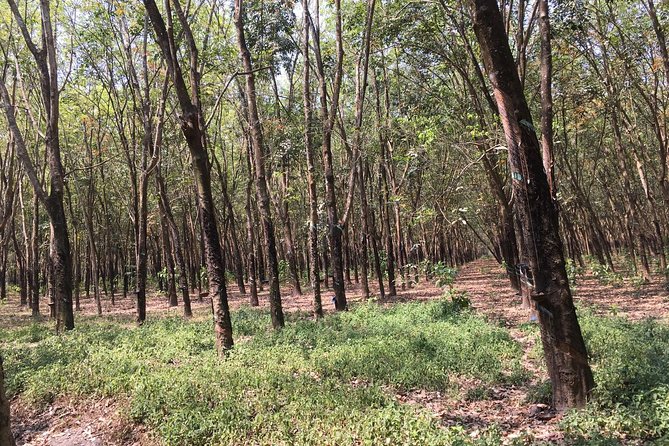
The best moments at Cu Chi usually happen when you stop trying to “collect sights” and start paying attention to details. The tour gives you that chance by walking you through the grounds and then letting you experience the tunnels up close.
You’ll be in and around the old Viet Cong base area, with your guide pointing out what makes the design smart under wartime conditions. The emphasis is on how people used the ground—not just on the idea of going underground.
Just keep expectations realistic. “Experience it up close” doesn’t mean you’ll get a theme-park version of a tunnel. It means you’ll see and interact with what’s open for visitors and learn how it was intended to function. That can feel intense, especially if you’re picturing how narrow spaces affect movement, breathing, and readiness.
Tip: take a moment before you enter tunnel areas to check your water and bug situation. It’s the kind of place where you’ll want to stay comfortable so you can actually absorb the guide’s explanations instead of thinking about your skin.
What’s included (and what you’ll need to plan for)
This is priced at $95.00 per person, and it’s sold as a private tour/activity, meaning only your group participates. The fact that it’s commonly booked about 32 days in advance also tells me it’s popular, not random inventory.
For the price, what you’re really paying for is guided, English-speaking interpretation plus the site entry and a smooth door-to-door style pickup. Included items:
- All taxes
- Fully air-conditioned vehicle
- Two bottles of water
- English-speaking guide
- Admission tickets for the Cu Chi tunnels stops on the itinerary
- Mobile ticket
What’s not included: lunch. The tour notes they can cater for dietary requirements if you get in touch beforehand, so you’re not stuck. Still, make sure you’re thinking ahead—Cu Chi days can run long, and going hungry is a silly way to spend time in a place built around survival.
Value check: $95 isn’t “cheap,” but it becomes reasonable when you compare private transport + English guide + admissions. If you’re going with a small group, private is often the sweet spot here. If you’re traveling solo, it can still be a good value because you’re not paying for a seat on a crowded bus—you’re paying for a guided plan and a direct ride.


Your guide makes or breaks the day
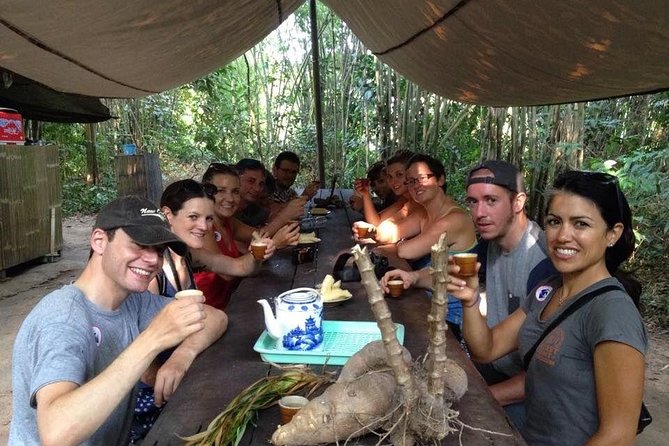
The clearest strength from real-world experience is the quality of the guide. One highlight tied to this specific tour is Tan, described as a complete professional who guided the group expertly around the grounds. The result: it felt like you had space to actually look and understand what you were seeing.
Tan also helped with an extra, practical detail on the road—stopping to buy roadside fruit and snacks on the way to and from the tunnels. That’s not a small thing. When you’re out for hours, a quick snack stop can keep energy up and reduce the chance you’ll end up distracted by hunger.
So when you’re booking, remember: Cu Chi is one of those places where a good guide turns “sights” into meaning. The explanations about camouflage, bamboo traps, and ventilation are only as good as the way they’re delivered and the pace they’re given.
Practical tips: what to bring and how to dress
This tour is built for morning heat and outdoor walking, so don’t show up underprepared. The key packing list is simple:
- Sunscreen
- Hat
- Insect repellent
- Light jacket
That light jacket matters more than it sounds. Even in warm weather, you can get uncomfortable from sudden shade changes and the AC in the vehicle.
Dress code is also specific: cover knees and shoulders at all times and dress respectfully. This isn’t about being formal. It’s about comfort and access—especially when you’re moving between forested areas and tunnel entrances.
Also, wear shoes that can handle uneven ground. The site is described as forest and bamboo areas, which means you’ll likely be on dirt and roots at points. You don’t want to do the entire day with sore feet.
One last comfort note: you get two bottles of water, but bring an extra small bottle if you’re a heavy sipper. The tour doesn’t mention unlimited refills, and Cu Chi is the kind of day where you can underestimate sweat.
Who this tour is best for (and who should think twice)
This Ben Duoc-style Cu Chi experience is best for you if:
- You want English guidance that explains what you’re seeing and why it matters
- You prefer private pacing over group herding
- You’re interested in how wartime engineering and camouflage worked in the real environment
- You like sites where context is provided up front (political history before tunnels)
It may not be ideal if:
- You hate war-related history and prefer purely scenic travel
- You struggle with heat and outdoor walking, since the tour includes forest areas and requires covered clothing
- You need lunch included automatically, since lunch is not part of the standard package
Price and logistics: is $95 worth it for a private Cu Chi day?
Let’s be honest: $95 can feel like a lot until you break down what’s included.
You’re getting:
- Private transport with air-conditioning
- Pickup from your accommodation
- An English-speaking guide
- Admission tickets
- Water
Cu Chi sites are far enough from Ho Chi Minh City that transport and time are real costs. With a private tour, you also gain a comfort advantage. You’re not trying to hear a guide from across a bus aisle, and you’re not waiting for a crowd to move on.
Also, starting at 8:00am helps. It often means you avoid the worst of midday heat at the outside parts of the day. Since the tour is about six hours total, you’ll spend the bulk of your time at the sites rather than bouncing around all day.
If you’re a couple or a small group, this is usually a strong deal. If you’re solo, it’s still a fair option if you value privacy and guided context more than bargaining for the cheapest ticket.
Should you book Ben Duoc – Authentic Cu Chi Tunnels?
I’d book it if you want a Cu Chi day that’s more than photos. The mix of Liberated Area context plus Ben Duoc Tunnels interpretation works well when you want to understand how the Viet Cong used the underground as a system, not just a set of holes.
Pick this tour if you value:
- English explanation with a guide who can pace details
- A private-group feel rather than a crowded scramble
- Included tickets and AC pickup that make the day smoother
Skip it if you want total flexibility and you’re the type who prefers wandering without guidance. Cu Chi is better with structure. The explanations about camouflage, bamboo traps, and ventilation are what make it click.
FAQ
What time does the Cu Chi Tunnels private tour start?
The tour start time is 8:00am.
How long is the tour?
It’s listed as about 6 hours.
Is pickup from my hotel included?
Yes. Pickup from your accommodation is offered.
Is lunch included in the price?
No. Lunch is not included, but the tour notes they can cater for dietary requirements if you contact them in advance.
What should I wear or bring?
Wear clothes that cover knees and shoulders. Bring sunscreen, a hat, insect repellent, and a light jacket.
What is the cancellation policy?
You can cancel for a full refund up to 24 hours before the experience’s start time.
If you want, tell me your travel dates and how many people are in your group. I can help you judge whether private is the best value versus a shared format, based on what matters to you (comfort, guide time, or cost).