REVIEW · HO CHI MINH CITY
Saigon Historical City Tour
Book on Viator →Operated by AN Tours · Bookable on Viator
History moves fast on a motorbike. This Saigon tour packs major sights plus real context into a 4-hour ride at street level.
I especially like the scooter pickup and safe, local-style driving—you hop on the back, ride with your guide, and feel like you’re moving with the city instead of waiting on buses. I also love the storytelling tone: guides such as Chris, Henry, and Jessie bring English that’s easy to follow and history that connects the French-era buildings to the war-era scars.
The main consideration is simple: you’ll be on a scooter for most of the tour. If you’re not comfortable riding (and you’re aiming for a relaxed pace), this might feel a bit intense, and there’s a possible extra $5 per person if your hotel is outside districts 1, 3, and 4.
In This Review
- Key things that make this tour worth your time
- Saigon by scooter: the street-level way to do history
- French-era Saigon: Notre Dame Cathedral and the Central Post Office
- A protest story that still matters: Thich Quang Duc
- Wartime leftovers: weapon-concealing bunkers and what they signal
- More than the headline sights: temples and Book Street atmosphere
- How safe is the motorbike ride, really?
- Price and value: $45 for a half-day with transport and stories
- Who should book this tour—and who should skip it
- Tips to get the most out of your 4-hour history ride
- Should you book Saigon Historical City Tour?
- FAQ
- How long is the Saigon Historical City Tour?
- Is hotel pickup included?
- What’s included in the tour price?
- What sights do you visit?
- Is this tour private?
- Are attraction tickets included?
Key things that make this tour worth your time
- Hotel pickup by scooter gets you out of district traffic quickly
- French-era highlights like Notre Dame Cathedral and the Central Post Office
- Thich Quang Duc context goes beyond a monument photo
- Wartime stories tied to weapon-concealing bunkers
- Guides who explain modern life alongside recent history
- Small-tour feel: it’s private, so it’s just your group
Saigon by scooter: the street-level way to do history

This isn’t a sit-down, museum-style history tour. It’s built around a very practical idea: in Ho Chi Minh City, the best way to understand the place is to watch it happen around you while you move through it.
You’ll get pickup from your accommodation by scooter. You sit on the back with your guide, and they provide a high-quality open-face helmet. That matters. The ride is part of the experience, and you’ll want to feel comfortable enough to look around as you travel. Multiple guide notes in the feedback point to a common theme: they drive carefully, and English is clear enough that you don’t have to translate the whole day in your head.
The tour also includes bottled water plus coffee and/or tea, and there’s mention of snacks, which is smart for a half day when you don’t want your energy to crash halfway through.
Private format helps too. It’s only your group, so you can ask questions without feeling like you’re interrupting a parade of strangers.
You can also read our reviews of more city tours in Ho Chi Minh City



French-era Saigon: Notre Dame Cathedral and the Central Post Office
A lot of first-time Ho Chi Minh City tours hit the famous French-era photos. This one gives you a reason to care about them.
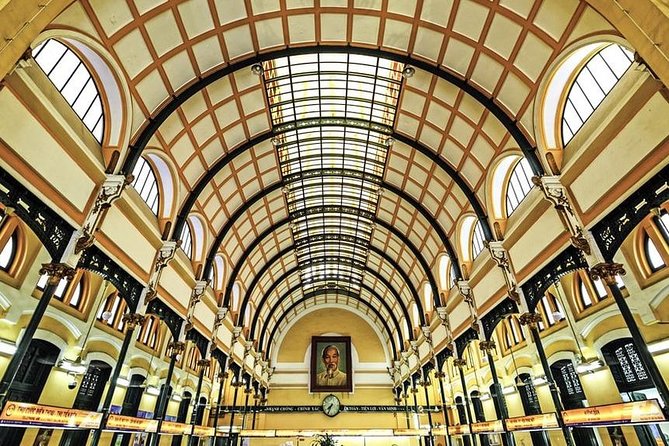
You’ll visit the Notre Dame Cathedral and the Central Post Office, and the focus is on what these places meant in the French period—not just what they look like now. Standing in these landmarks, you can see why they became icons. They’re not simply decorative. They’re tied to an era when Saigon looked and functioned differently, and your guide uses that contrast to explain the city’s shift over time.
Practical note: these sites are popular. So expect the usual mix of visitors and traffic around you. The advantage here is that you’re not left to figure out the story by yourself. You get a straight-line explanation of how that French imprint fits into the bigger Saigon timeline.
If you like architecture with context—buildings that have a story attached—you’ll probably appreciate this stop more than you expect.
A protest story that still matters: Thich Quang Duc
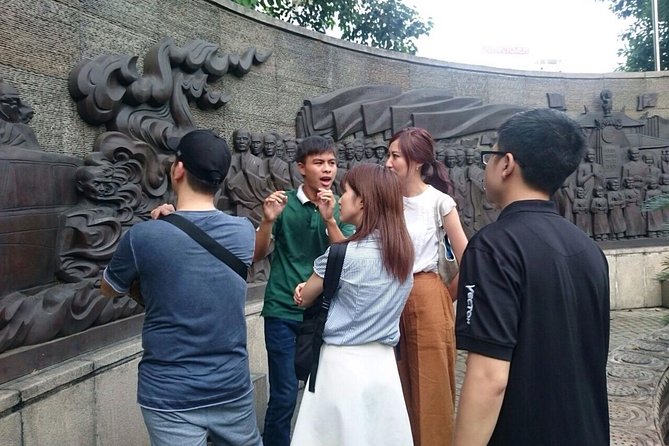
One of the most memorable parts of this tour is the guide-led story about a Vietnamese Mahayana Buddhist monk who burned himself in protest against the persecution of Buddhists by the South Vietnamese government.
In the feedback, Thich Quang Duc is specifically named, and that naming helps the visit feel grounded. This isn’t presented as vague tragedy. It’s framed as a turning point in political and religious pressure, which makes it easier to understand why certain beliefs and tensions show up in Saigon life even now.
Why this stop works: it’s not just a historical marker. It connects faith, politics, and what people were willing to endure. That’s the kind of context that turns a city into more than a photo list.
And it also sets up later wartime content so the trip feels like one story, not separate chapters that never connect.
Wartime leftovers: weapon-concealing bunkers and what they signal

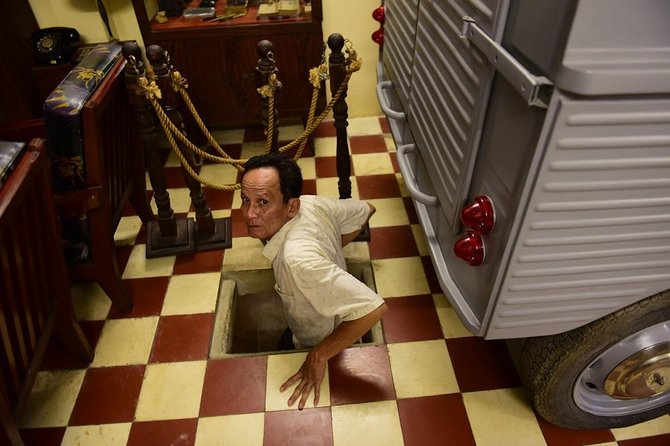
After you leave the more tourist-heavy zones, you’ll head to the weapon concealing bunkers area.
The tour description points to the bunkers being used to keep nearly three tonnes of something, though the rest is cut off in the provided details. What you can take from it confidently: you’re walking toward a real physical reminder of conflict—places meant to hide what couldn’t survive on the surface.
What I like about including a bunker stop on a half day: it changes your perspective fast. It’s easy in Saigon to focus on the present—coffee shops, scooters, markets. The bunker context pulls the timeline backward, helping you understand how the city adapted, hid things, and survived under pressure.
One caution: because this is history tied to violence and war, the mood will be heavier. If you prefer light sightseeing only, this part may feel like a mood shift.
More than the headline sights: temples and Book Street atmosphere
You’ll also spend time in areas that feel less like a checklist and more like real Saigon.
In the guide notes, I see Ba Thien Hau Temple mentioned, along with Book Street (Book St). These spots matter because they show Saigon’s layered identity: religious practice, community spaces, and everyday culture, not only relics of the past.
Here’s what to expect practically: you won’t just be handed a quick photo stop. The better guides use these visits to talk about how people live now—how religion shows up in public life, and how the city’s history has shaped street behavior, beliefs, and the way neighborhoods feel.
If you’re a first-timer, this is the sweet spot. You get the famous landmarks, then you also get a sense of what the city feels like beyond the obvious sights.
You can also read our reviews of more historical tours in Ho Chi Minh City






How safe is the motorbike ride, really?
The ride is the signature element, so it’s fair to ask this directly.
Based on the feedback, the consistent praise is about feeling safe and reassured by the guides. People mention that guides drive carefully, and that you get comfortable riding on the scooter fairly quickly during the tour. Some guides are singled out for English clarity too—Henry is noted for excellent English, and Chris is noted for safe driving.
That said, scooter touring is still scooter touring. You need a moderate physical fitness level (the tour says so), mostly because staying balanced and comfortable on the seat for a few hours isn’t the same as sitting in a car. If you have back or balance issues, plan on moving your body during stops and ask questions early.
Your helmet is provided. That’s not a small thing. It’s part of what makes the experience feel well-managed rather than risky.
Price and value: $45 for a half-day with transport and stories
At $45 per person for about 4 hours, the value mainly comes from three things you’re not paying for separately:
1) Hotel pickup and transportation by motorbike (including fuel)
2) Helmet and basic refreshments (bottled water; coffee and/or tea; plus snacks)
3) A guide who connects sites into a history narrative, not a stop-by-stop script
If you were to try to DIY this route—getting through traffic, arranging transport, and trying to find deep context on your own—you’d burn time and energy quickly. This tour compresses a lot of that work into a single half day.
Possible cost wrinkle: if your accommodation is outside districts 1, 3, and 4, there’s a $5 per person charge for pickup. If you’re staying in those central areas, you’ll likely get the smoother experience the tour is designed for.
Also note the tour is private, meaning you’re not sharing the ride and explanations with a big mixed group. That’s often where the quality improves: your guide can pace better, and you’re less likely to get rushed through the story.
Who should book this tour—and who should skip it
This tour is a strong match for:
- First-time visitors who want orientation plus history fast
- History buffs who care about recent Saigon history, not just colonial postcards
- People who want to see the city at street level and enjoy the scooter rhythm
- Solo travelers and couples who like a private format and clear guide explanations
You might want to choose something else if:
- You hate the idea of scooter travel and worry you won’t feel comfortable for several hours
- You’re strictly looking for a calm walking tour with minimal movement
- You’re looking for only major headline attractions and don’t want wartime topics included
Tips to get the most out of your 4-hour history ride
These are small things that can make the difference between a good tour and a great one:
- Bring a mindset for storytelling. This tour is strongest when you’re listening to the why behind each stop.
- Wear clothing you can sit comfortably in for a while, and expect the ride to be active.
- Ask questions about the era you find most confusing. Guides like Chris, Henry, Jessie, An, Linh, and Nguyen are mentioned as strong communicators, so use that strength.
- If you’re staying outside districts 1, 3, or 4, confirm pickup details ahead of time so the $5 per person doesn’t surprise you.
Should you book Saigon Historical City Tour?
I think you should book it if you want a half-day that combines big sights with real context and you’re comfortable on a scooter.
This is one of those tours that makes the city feel less chaotic. Instead of you guessing what matters, your guide points you toward the connections: French-era architecture, protest and religious pressure, and the wartime world that still echoes in physical places like bunkers. Add in hotel pickup, helmets, and snacks, and the $45 price starts to feel fair—especially for a first visit when time is tight.
If you’re anxious about riding, or you’d rather stay grounded on foot, you might prefer a slower city tour. But if the idea of seeing Saigon from street level sounds fun, this one is built for exactly that.
FAQ
How long is the Saigon Historical City Tour?
The tour runs for about 4 hours.
Is hotel pickup included?
Yes. Pickup is offered from your accommodation by scooter, with transportation included. If your accommodation is outside districts 1, 3, and 4, there is a $5 per person charge.
What’s included in the tour price?
The tour includes bottled water, coffee and/or tea, and transportation by motorbikes (including fuel), plus a high-quality open-face helmet.
What sights do you visit?
You’ll visit key historical places including Notre Dame Cathedral and the Post Office, plus a stop tied to the story of Thich Quang Duc and visits to weapon-concealing bunkers. Ba Thien Hau Temple and Book Street are also included based on the tour experiences shared.
Is this tour private?
Yes. It’s a private tour/activity, so only your group participates.
Are attraction tickets included?
The tour lists admission ticket as free for the included stops.