REVIEW · HO CHI MINH CITY
Mekong Delta 2-Day Tour: Floating Markets & Cultural Exploration
Book on Viator →Operated by TNK Travel · Bookable on Viator
Mekong life moves at water speed. This two-day tour blends Cai Be villages and canals with Cai Rang floating market mornings, then finishes with Khmer temple art and Con Son island craft and fruit time. I like how the pace stays human (not just quick stop-and-go), and I really enjoy the food moments—from coconut candy to learning spring rolls in a real local kitchen.
One thing to watch: pickup can be tricky depending on where your hotel sits, and if the van can’t reach your street, you may need your own taxi. Also, even with good intentions, a couple of stops can feel a bit scripted for visitors—still worth it, but don’t expect a total back-to-back immersion fantasy.
You get solid value for $119 because the big pieces are covered: boats, an English-speaking guide, two lunches, and basic hotel lodging for one night while you’re in the Delta.
In This Review
- Key things to know before you go
- Why this Mekong Delta tour feels different than a typical day trip
- Price and value: what $119 buys in real terms
- Day 1 near Cai Be: canals, an old house, sweets, and a bike ride
- Morning pickup and the road out of Ho Chi Minh City
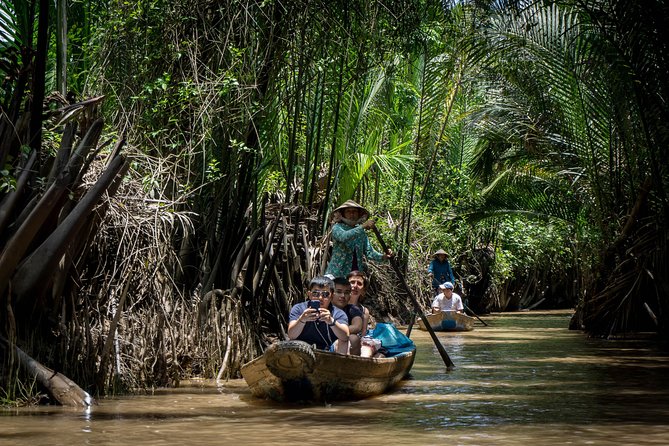
- Cai Be and the Tien River boat time
- Nhà cổ Ông Kiệt: a house where architecture tells the story
- Tan Phong: coconut sweets, rice popcorn, and local music
- Narrow canals and Tan Phong island scenery
- Cooking class lunch: spring rolls, rice paper, and herb technique
- Bicycle ride after lunch: simple trails, real village pace
- Back toward Cai Be and the transfer to Can Tho
- Day 2 on the Bassac River: Cai Rang floating market and noodle making
- Hotel breakfast and the morning boat ride
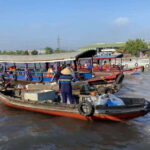
- Cai Rang floating market: how to read what you’re seeing
- Noodle factory stop: rice noodles, from raw to ready
- Munir Ansay Pagoda and Con Son: Khmer art, cake workshop, and orchard fruit
- Munir Ansay Khmer Buddhist Temple: Khmer details in the delta
- Con Son Island: craft, cake-making instruction, and eco-minded tourism
- Orchard time: seasonal fruit tasting and sustainable practices
- Back to Ho Chi Minh City
- Transportation, group size, and pickup realities (the stuff that can affect your day)
- What to pack and how to prepare for delta heat and water time
- Should you book this Mekong Delta 2-day Tour?
- FAQ
- How much does the Mekong Delta 2-day tour cost?
- Where is the meeting point and what time does the tour start?
- Is pickup from my Ho Chi Minh City hotel included?
- What meals and accommodation are included?
- How many people are in the group?
- Can I cancel for free, and what if the weather is bad?
Key things to know before you go
- Small-group feel: the tour is described as a small group (15 is mentioned) and the operator lists up to 25, so it’s usually easier to ask questions and hear your guide.
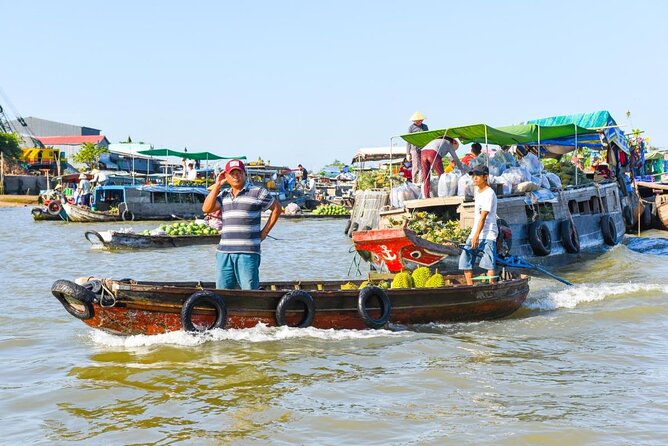
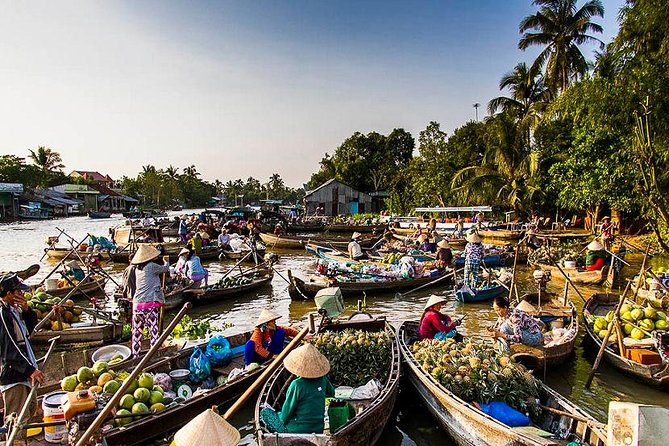
- Two different markets: Cai Be and Cai Rang give you two ways to understand how trade works on the river, not just one busy morning.
- Hands-on cooking day: spring rolls, rice paper, and herb/spice blending are part of the main meal, not an extra paid add-on.
- Con Son is more than a scenic stop: craft work, cake-making instruction, and an orchard visit with seasonal fruit tasting can be part of the day.
- Guides matter here: guides like Slim and Tom (from past groups) are known for strong English and clear explanations, especially on history and culture.
- Weather and timing are real factors: it depends on good conditions, and return time can shift with traffic.
Why this Mekong Delta tour feels different than a typical day trip
Most Mekong trips are either all-market hype or all-boat sightseeing. This one tries to give you a fuller picture by building the story over two days. You start in the Cai Be area, where river life still shapes daily routines—then you move into Can Tho for the Cai Rang floating market day, plus a calmer follow-up at Khmer temple and Con Son island.
What I liked most is the mix of “see it” and “do it.” You’ll tour river commerce by boat, but you’ll also handle food prep and learn why certain local dishes taste the way they do. That’s the difference between taking photos and actually getting a feel for the place.
And because it’s not a giant bus group (and is designed to stay small), your guide has more room to explain things like architecture, temple details, and how orchards and crafts fit into the economy.
You can also read our reviews of more tours and experiences in Ho Chi Minh City
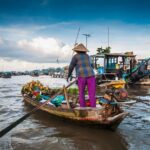
Price and value: what $119 buys in real terms
At $119 per person, this is not a budget-only throwaway trip, but it also isn’t priced like a private tour. The value comes from what’s bundled:
- Basic hotel accommodation for one night in the Delta area (twin/double share)
- Breakfast plus two lunches
- Boat trips (not just one short ride)
- Air-conditioned transport between stops
- English-speaking guide and mineral water
That means you’re not trying to piece together boats, meals, and lodging on your own after a long travel day. The total cost is also easier to stomach if you consider the time and logistics you’d otherwise spend booking those parts separately.
Day 1 near Cai Be: canals, an old house, sweets, and a bike ride
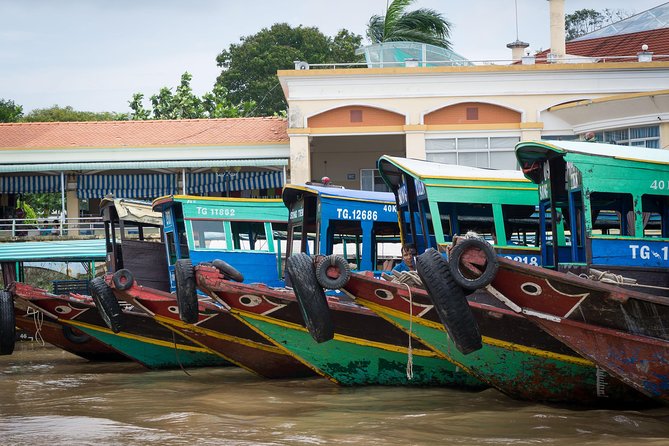
Day 1 has a classic Mekong Delta rhythm: get out of Ho Chi Minh City early, travel by vehicle, then shift into slower life on the water.
Morning pickup and the road out of Ho Chi Minh City
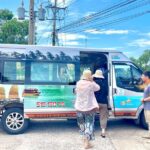
You start around 7:30 am with pickup offered from central hotels. The tour meeting point listed is 112 Đ. Trần Hưng Đạo, Phường Phạm Ngũ Lão, Quận 1. If your hotel is outside District 1, be ready for the possibility that pickup is limited due to traffic rules, and an extra surcharge may apply.
This part matters because a Mekong trip lives or dies on timing. When the van can’t reach you, you’ll lose time and possibly the smooth flow of the day.
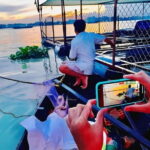
Cai Be and the Tien River boat time
Your first big “wow” is a boat journey on the Tien River. The tour description is honest about change: the traditional floating market lifestyle has declined in some areas due to urbanization. Still, the focus is on seeing the river commerce and everyday river life that remains.
What you can expect: orchards lining the banks, waterway activity, and a slower view of the countryside that you just don’t get from the highway.
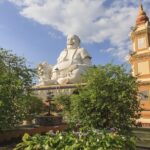
Nhà cổ Ông Kiệt: a house where architecture tells the story
You’ll then step into a preserved antique home, Nhà cổ Ông Kiệt. This is one of those stops that feels like a history lesson without turning into a lecture.
Look for the mix of styles—Vietnamese, Chinese, and French colonial influences—and how the house is designed for a delta climate with heat and floods. The home is organized around a central courtyard to improve airflow, and you’ll see details like family shrines and antique furnishings. Even the materials matter: hardwoods like ebony and mahogany, some likely over a century old, are part of what you’re seeing.
Tan Phong: coconut sweets, rice popcorn, and local music
Next comes Tan Phong, where you’ll visit a family-run confectionery. You’ll watch sweets like coconut candies and rice popcorn being made. It’s not just tasting—your guide helps you connect ingredients to how local producers work.
There’s also local folk music playing during the visit, which makes the stop feel more alive than a quick store run.
Narrow canals and Tan Phong island scenery
After that, you’ll head through narrow canals. Expect water coconut palms and water lilies along the waterways, plus a calmer feeling than on the wider rivers.
The tour then brings you to Tan Phong Island, where the day shifts toward orchard-and-garden views—fruit groves, flower areas, and small homes. This is where you start to understand why so much of Mekong Delta life centers on agriculture.
Cooking class lunch: spring rolls, rice paper, and herb technique
Lunch is one of the best parts of this tour. It’s set in a garden setting with tropical fruits and herbs, and the meal includes a hands-on cooking class.
You’ll learn skills that matter for the taste of Vietnamese food:
- how to make spring rolls
- how rice paper is used and handled
- how herbs and spices are blended
You’re also working with local ingredients, which helps you understand why the finished dishes taste balanced rather than heavy. If you’re the type who usually eats, then forgets how a dish is made, this is the moment where the memory sticks.
Bicycle ride after lunch: simple trails, real village pace
After the meal, you’ll do a bicycle ride on dirt paths through the island countryside. This part can be easy or a bit tiring depending on your fitness and the surface, so go in with comfortable expectations.
What you’ll pass: palms, rice paddies, fruit groves, and smaller villages you don’t normally see from a bus window. It’s also a chance to notice daily life—farm work, kids playing, and craftsmen at work. Even if the language barrier keeps you from deep conversations, you’ll still get those friendly, everyday exchanges that make the Mekong feel human.
Back toward Cai Be and the transfer to Can Tho
As the sun drops, you’ll take a boat ride back and then transfer by car to Can Tho City, where you’ll check into your hotel. This evening is mostly yours. It’s a good time for a relaxed stroll along the river and a casual meal, because tomorrow starts early again.
Day 2 on the Bassac River: Cai Rang floating market and noodle making
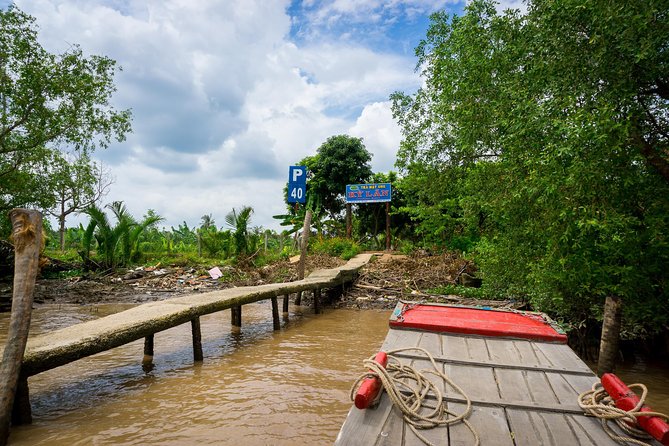
Day 2 is about a different kind of river energy: Cai Rang floating market on the water, early enough that vendors are still setting things into place.
Hotel breakfast and the morning boat ride
You start with breakfast and then move to a boat excursion along the Bassac River. This early timing is key. It gives you clear views of the market setup and the waterway layout before the day gets too hot and too crowded.
Cai Rang floating market: how to read what you’re seeing
At Cai Rang, goods are displayed from multiple vessels, and vendors announce their wares using distinctive poles. It’s not just a market—it’s a system.
Here’s what I recommend when you’re on the water:
- focus on how goods are arranged on boats
- notice how trading happens side-by-side
- keep your eyes on the water traffic, not just the products
Yes, it’s a famous stop. But it’s also one of the clearest places to understand why the delta developed the way it did.
Noodle factory stop: rice noodles, from raw to ready
After the floating market, you’ll visit a traditional noodle-making stop to see how rice noodles are made using older methods. This is a great “explain it in food form” segment.
You’ll see how basic ingredients turn into the noodles that show up later in Vietnamese meals. Even if you think you know noodles, watching the process helps you understand the texture difference that comes from technique and timing.
Munir Ansay Pagoda and Con Son: Khmer art, cake workshop, and orchard fruit
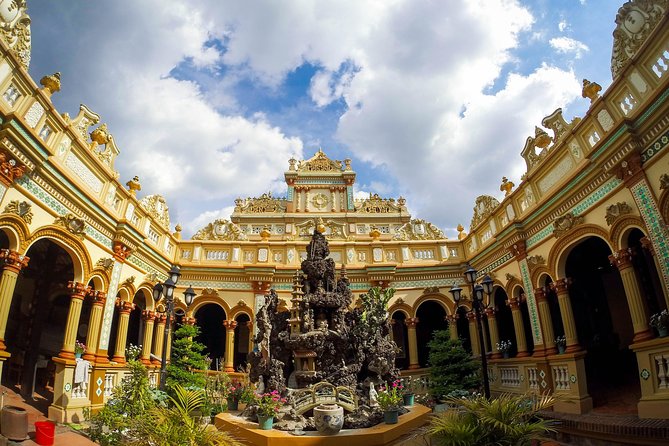
The afternoon shift is where the tour slows down again—less market, more culture and craft.
Munir Ansay Khmer Buddhist Temple: Khmer details in the delta
You’ll visit Munir Ansay Khmer Buddhist Temple (spelled a few ways in different materials). This stop highlights the Khmer influence in the Mekong Delta, which is easy to miss if you only focus on major Vietnamese sites.
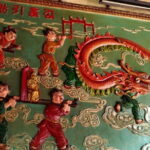
Look closely at the intricate Khmer artistry: murals showing Buddhist tales, carved details, and columns. Your guide’s job here is important—your understanding will jump if you pay attention to what the art is depicting and how the community relates to the temple.
Con Son Island: craft, cake-making instruction, and eco-minded tourism
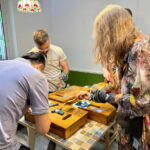
Then you head to Cồn Sơn (Con Son) Island by boat. The tour emphasizes community-led, eco-conscious tourism and local crafts maintained through family collaboration. You’ll also do a workshop for Mekong Delta cake-making with local artisans.
This is the kind of activity that makes your hands do something while your eyes absorb the surroundings. Even if you don’t remember every step, you’ll remember the smell of ingredients and the practical rhythm of how locals work.
Orchard time: seasonal fruit tasting and sustainable practices
Con Son also includes a guided fruit orchard exploration. Depending on the season, you might see fruit like durian, mangosteen, longan, and rambutan, plus tastings.
The tour also describes farming practices that avoid harmful chemicals and focus on conserving water. You don’t need to become a horticulture expert here—just treat it as a chance to learn how livelihoods connect to the local environment.
Back to Ho Chi Minh City
At the end, you’ll transfer back toward Ho Chi Minh City, returning to the meeting point. The operator notes return time can change due to traffic, so keep loose plans for that last day. You’ll likely appreciate having nothing important booked right after.
Transportation, group size, and pickup realities (the stuff that can affect your day)
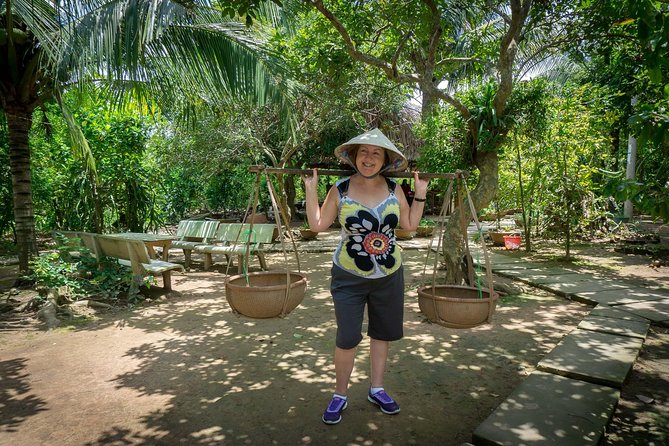
This tour runs on air-conditioned vehicle transport plus multiple boat rides. That’s a good combination for comfort and variety.
On group size: the description mentions a cap of 15 people, while the operator information lists up to 25 travelers. In either case, you’re not typically stuck with a giant herd. Still, if you get motion-sick easily on boats, you may want to bring what helps you feel comfortable.
On pickup: pickup is offered, but the exact pickup coverage depends on hotel location and street access rules. If you’re staying outside District 1, expect that pickup may be harder. One past traveler had to use a taxi when the promised pickup wasn’t possible for their hotel area. So if you’re not in central District 1, confirm pickup details before the day arrives.
What to pack and how to prepare for delta heat and water time
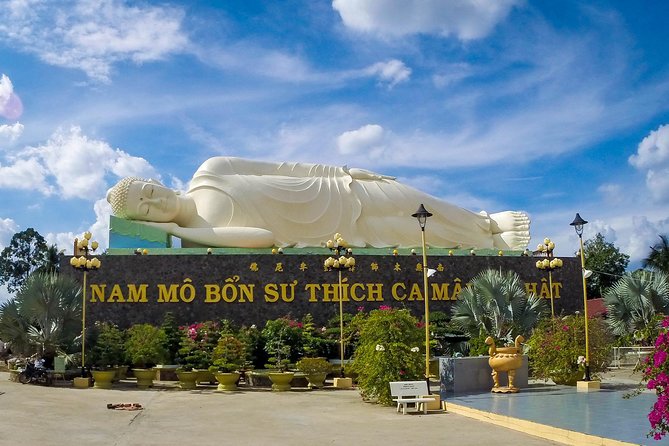
The tour includes boats, walking around house and temple spaces, and a bicycle ride. That means you’ll want practical basics:
- Comfortable shoes for uneven dirt paths
- Light breathable clothing for the morning and midday heat
- Sun protection (hat/sunglasses/sunscreen)
- A small dry bag or zip pouch for your phone/camera
- If you’re sensitive to boat movement, bring your usual remedy
Since the tour requires good weather, don’t plan anything tight for your travel day in case conditions change. Also, the tour isn’t available for people with heart problems, and it’s not available for handicapped guests per the operator note.
Should you book this Mekong Delta 2-day Tour?
I think this is a strong choice if you want more than a one-note Mekong stop. You get:
- Cai Be river life plus canal scenery
- a real old house stop where architecture shows how people built for floods and climate
- a hands-on cooking class that makes the food stick
- a proper Cai Rang market morning by boat
- Khmer temple details and Con Son craft/orchard time
Skip it (or choose a different style of tour) if you dislike any part that feels a little curated or you need very predictable pickup from a non-central hotel area. Also, if you have health concerns that limit boat rides or active walking, check eligibility carefully.
If you do book, take advantage of the small-group setup. Ask your guide to point out what matters at each stop—especially on the architecture and temple art. That’s where the trip turns from scenery into understanding.
FAQ
How much does the Mekong Delta 2-day tour cost?
The price is $119.00 per person.
Where is the meeting point and what time does the tour start?
The meeting point is 112 Đ. Trần Hưng Đạo, Phường Phạm Ngũ Lão, Quận 1, Hồ Chí Minh, Vietnam. The start time is 7:30 am, and the tour ends back at the meeting point.
Is pickup from my Ho Chi Minh City hotel included?
Pickup is offered, but there are notes about extra surcharges for pickups outside District 1 and street access limits for central-area hotels. If your hotel is outside Dist 1 or in an alley where pickup is restricted, contact the local supplier for support.
What meals and accommodation are included?
Included are breakfast, accommodation based on twin or double/room share basic, and lunch (2). Mineral water is also included.
How many people are in the group?
The operator information states a maximum of 25 travelers. The tour description also mentions a cap of 15 people, so expect a small group rather than a large bus tour.
Can I cancel for free, and what if the weather is bad?
You can cancel for a full refund up to 24 hours before the experience’s start time. The tour requires good weather, and if it’s canceled due to poor weather, you’ll be offered a different date or a full refund.