REVIEW · HO CHI MINH CITY
Private Long Tan Tour and Nui Dat Battle Field
Book on Viator →Operated by Bravo Indochina Tours · Bookable on Viator
A silent battlefield needs words. This private Long Tan and Nui Dat day trip from Ho Chi Minh City pairs you with a historian-guide and then drives you to key Vietnam War sites tied to Australian and New Zealand forces, including Long Tan. You can also choose a different route aimed at US military locations like Bien Hoa Air Base and Long Binh Junction. I especially like the respectful memorial focus and the way the guide connects what you see to what happened after the guns went quiet—but you should also consider that some days can feel heavy on road time, and not every stop has much left to physically see.
What makes it work better than a generic tour is control. It’s private, so you set the pace with your guide and can tailor the day to your interests instead of being rushed through a checklist. The trade-off is simple: if you want a high “number of places visited” day, you may need to manage expectations for a thoughtful, question-friendly route.
In This Review
- Quick take
- Why Long Tan and Nui Dat feel different than a museum day
- Two routes in one tour: which side of the war do you want to see?
- Option 1: Long Tan and Nui Dat Task Force Base
- Option 2: Bien Hoa Air Base and Long Binh Junction
- Long Tan battlefield and Nui Dat: what the day is really about
- Nui Dat’s “place in the system” lesson
- Bien Hoa Air Base and Long Binh Junction: US-focused context
- The best part: lunch conversations with your historian-guide
- Time on the road: what 8 hours usually means in practice
- Price and value: is $119 per person a fair deal?
- Who this tour fits best
- Before you book: small prep that improves the day
- Should you book the Private Long Tan Tour and Nui Dat Battlefield?
- FAQ
- What is the duration of the Private Long Tan Tour and Nui Dat Battle Field?
- What time does the tour start?
- Is the tour private or shared?
- What are the two main route options?
- What’s included in the price?
- Are drinks and food besides lunch included?
- Can the itinerary be tailored to my interests?
- Do I need to be fit to join?
- Is there a way to get dietary needs handled?
- What is the cancellation policy?
Quick take
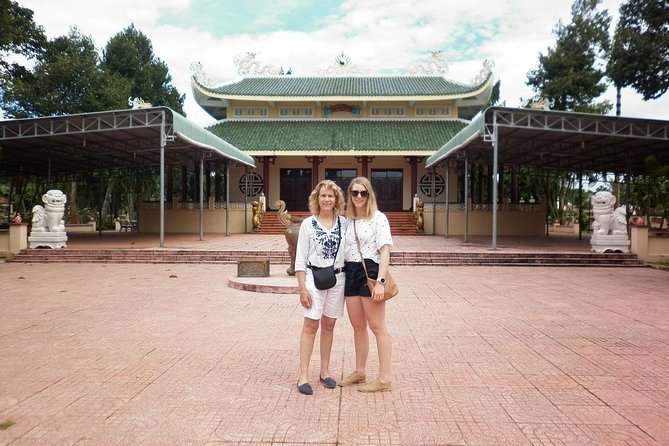
- Historian-guide focus: you’re not just looking at signs; you’re getting context and perspective tied to the war and the postwar years.
- Two route options: choose the Australian/NZ path (Long Tan and Nui Dat) or the US base path (Bien Hoa and Long Binh Junction).
- Lunch with your guide: you’ll have time to talk history over a local meal, which makes the sites hit harder.
- Private pace: your group only, air-conditioned private vehicle, and a pace that suits you.
- Memorial time matters: guides often give space for quiet reflection at Long Tan.
- Reality check on “what’s left”: some areas have limited surviving features, so you’ll rely on the guide’s explanations.
Why Long Tan and Nui Dat feel different than a museum day
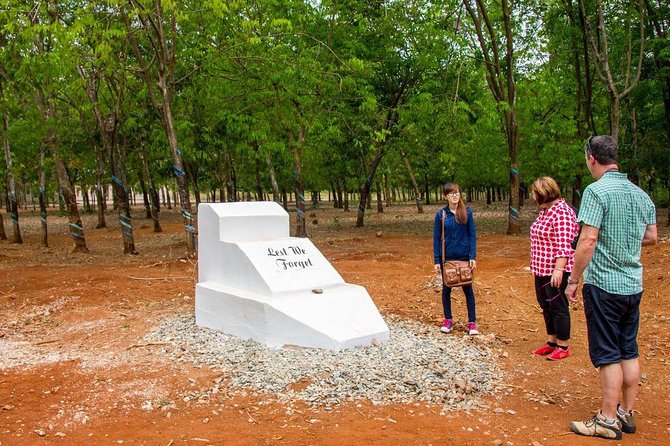
War history can turn into a slideshow if you’re stuck with dates and diagrams. What I like about this tour format is that it turns the day into a conversation—starting with your guide and continuing site by site. You’re sent out of Ho Chi Minh City to the locations where people actually fought, then you’re given the bigger story so the place doesn’t stay flat and distant.
The historian-guide part matters more than most people expect. Many Vietnam War sites are hard to interpret without someone who can connect the dots: why that area mattered, how units moved, and what happened afterward as Vietnam rebuilt. Your guide also brings in a human layer—especially perspectives from people who survived the war or came of age in the postwar years—so you’re not only seeing military facts.
One practical thing: this is designed for people who want meaning, not just movement. If you’re hoping for non-stop sightseeing, you might feel the day slows down at exactly the moments when others want to speed up—like memorial time and longer explanations.
You can also read our reviews of more private tours in Ho Chi Minh City



Two routes in one tour: which side of the war do you want to see?
This is a “choose-your-own chapter” situation. You pick between two main route options, and the day’s feel changes with that choice.
Option 1: Long Tan and Nui Dat Task Force Base
This option is centered on Australian and New Zealand Army Corps involvement. It’s the route most people choose when they want to understand the Long Tan battle area and the broader Nui Dat Task Force footprint. Expect the day to feel more personal if your interest is ANZAC history, including how the war unfolded in that region.
Option 2: Bien Hoa Air Base and Long Binh Junction
If you lean toward US Army operations and infrastructure, this route targets major US base areas and key junction space. It can be the better match if you want to see the war through the lens of large support bases and the movement networks that ran the conflict.
My advice: pick the option that matches the story you’re most curious about. If you’re unsure, go with the route that includes the names you’ve read most—Long Tan for the ANZAC story, Bien Hoa/Long Binh for the US base story. Either way, the guide can tailor the itinerary to your interests during the day.
Long Tan battlefield and Nui Dat: what the day is really about
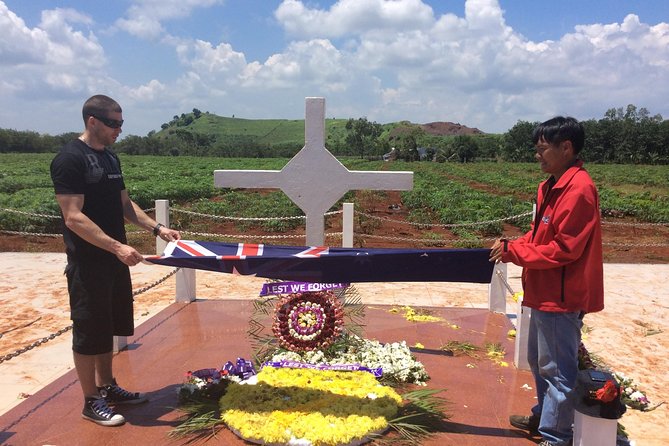
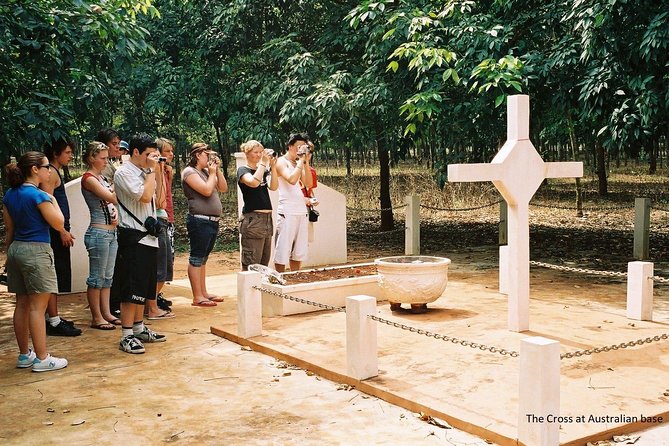
On the Australian/NZ route, you’ll spend time around the Battle of Long Tan area and related Nui Dat sites. This isn’t the kind of stop where you just “take a photo and leave.” The memorial focus is a big part of the emotional weight, and the best days give you room to reflect.
Even when physical remains are limited, the guide’s explanation can make the area make sense. One thing to know up front: parts of these sites may feel like they have “not much left” compared to what people imagine. That’s not a reason to skip—it’s a reason to bring a curious mindset and let the guide do the heavy lifting on context.
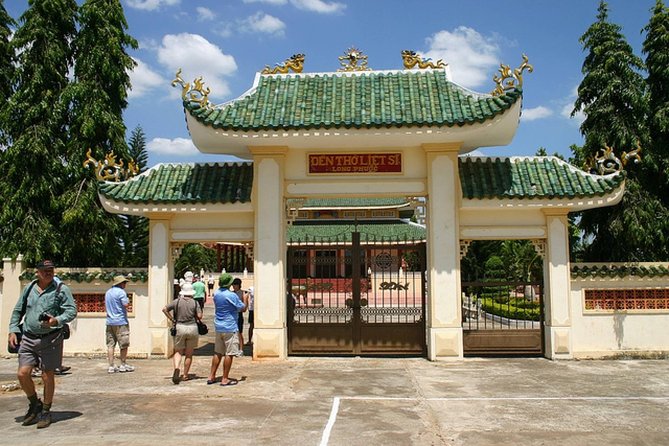
Some itineraries on this side may also include time at nearby tunnel or underground features (Long Phouc Tunnels came up as a highlight in past experiences). If your day includes them, it’s worth slowing down. Tunnel systems turn the war into something human-scale: movement, shelter, and survival in the terrain, not just battles from a distance.



Nui Dat’s “place in the system” lesson
Long Tan tells one part of the story. Nui Dat is the broader system around that battle—where planning, positioning, and logistics fit together. This is where a good guide can connect the battlefield moment to the bigger operational picture.
What you might notice is that the day’s narrative can lean explanatory. That’s a plus if you want to understand how the pieces fit. It can be a downside if you expected lots of distinct viewpoints and varied stops with big visual payoff.
So here’s the balance: if you’re comfortable with a guided story that walks you through meaning, you’ll probably enjoy the way the day reads. If you want more visual “stuff” and fewer explanations, ask your guide early how many stops you’ll make and what those stops are meant to show.
Bien Hoa Air Base and Long Binh Junction: US-focused context
The US route brings you into a different kind of war space: bases and junction points, where the conflict shows up as infrastructure and movement. Bien Hoa Air Base and Long Binh Junction are both tied to the way US forces operated in Vietnam—how air operations, logistics, and transportation corridors supported combat.
This route can feel especially valuable if you’re trying to understand why Vietnam War history includes so many moving parts. Junctions and base areas help you see the war as a machine that ran every day, not just a series of battlefield clashes.
One caution: some people find base-area history less “visceral” if the sites have limited surviving features. If that’s you, you can still get a lot out of the tour as long as you’re open to interpretation—listening closely and asking the guide to connect what you’re seeing to what it enabled.
The best part: lunch conversations with your historian-guide
Here’s where this tour earns its keep. You get lunch with your guide at a local restaurant, which gives the day a natural rhythm. It’s not just a break; it’s a chance to ask questions while the story is fresh.
On some days, the guide may be a veteran with deep ties to the ANZAC story. Past experiences include guides like Toni/Tony, who has shared a veteran background from the South Vietnam Army and described acting as an interpreter for the Australian forces. Even if your guide isn’t the same person, the tone you want is similar: someone who treats Long Tan with respect and can translate military detail into something you can feel.
Practical tips to make lunch pay off:
- Ask what Long Tan taught people at the time, and what Vietnam life looks like now in that region.
- If you have family history or personal interest, mention it early so your guide can aim the story your way.
- Take a few notes on words or names the guide emphasizes. Those details help you connect later stops.
Time on the road: what 8 hours usually means in practice
This is an 8-hour private tour with hotel pickup and drop-off, using an air-conditioned private vehicle. Bottled water and lunch are included, which helps when you’re out for most of the day.
The reality check is traffic. Ho Chi Minh City commuting can eat time, and a long day can feel like a lot of windshield hours if your expectations are very “site-heavy.” Some past experiences also described repetition in parts of the explanation, especially around military district organization.
My suggestion: treat the day like a guided historical conversation with driving, not a short-hop sightseeing spree. If you care most about specific sites (like memorials or tunnels), ask your guide to prioritize them early so you’re not left waiting for the “main moments.”
Also, you’re asked for moderate physical fitness. That doesn’t mean you need to be an athlete, but you should be comfortable with walking on uneven ground and being out all morning to early evening.
Price and value: is $119 per person a fair deal?
At $119 per person for an 8-hour private tour, this isn’t a budget “grab a seat” excursion. It’s priced more like a tailored history day: pickup, air-conditioned private transport, a professional historian-guide, lunch, bottled water, and admission ticket inclusion.
So what makes it good value?
- You’re paying for interpretation, not just transportation.
- You’re getting a private setup, which means your pace and questions matter.
- The lunch time helps the guide build context in a way a museum label can’t.
Where it can feel like poor value is when expectations don’t match the format. If you’re expecting lots of visually impressive remains and you end up with fewer tangible features, the day can feel like “time in the car.” If you’re a veteran, a history buff, or you want the meaning behind the memorials, the guide’s context can make the same stops feel very worthwhile.
If you want the deal to land well, do one thing: tell your guide what you want most at the start, then confirm the priority stops before the drive gets too far along.
Who this tour fits best
This works best for people who want to understand the Vietnam War through specific locations and through human perspective, not just broad overview.
You’ll likely love it if:
- You’re interested in Australian and New Zealand involvement and want to connect Long Tan with Nui Dat.
- You’re a history buff who cares about how military operations connected to everyday life later.
- You want a private day with time for questions and reflection.
You might want a different plan if:
- You mainly want a high volume of stops and lots of surviving “photo landmarks.”
- You’re hoping for only a quick surface look at major events, rather than guided explanation.
In other words, this is a thoughtful tour. It’s not a speedrun.
Before you book: small prep that improves the day
A few practical things will make the experience smoother:
- Bring up dietary requirements at booking so lunch works for you.
- Plan for a full day outdoors and some walking. Moderate fitness is enough, but don’t treat it like a chair tour.
- If you’re marking special dates (like remembrance days), consider messaging your operator ahead of time so your guide can shape the day appropriately.
Also, decide what “success” means for you. If it’s paying respects at Long Tan with time to reflect, this format supports that. If it’s maximizing the number of places, you’ll need to steer the itinerary toward your priorities.
Should you book the Private Long Tan Tour and Nui Dat Battlefield?
Book it if you want a guided, respectful Vietnam War day built around Long Tan/Nui Dat or Bien Hoa/Long Binh, with lunch and a historian-guide who can turn geography into understanding. At $119, the best value comes when you lean into the guide’s role and treat the day as a story, not a sightseeing checklist.
Skip—or at least shop around—if you only want visual ruins and minimal explanation. In parts of these sites, there may be limited physical remains, and the tour’s strength is interpretation and context.
If you do book, your best move is simple: choose the route that matches the story you want most, then tell your guide exactly what you want from the day.
FAQ
What is the duration of the Private Long Tan Tour and Nui Dat Battle Field?
The tour runs for approximately 8 hours.
What time does the tour start?
The start time is 8:00 am.
Is the tour private or shared?
It’s a private tour/activity, and only your group participates.
What are the two main route options?
You can choose between an Australian and New Zealand-focused route (Long Tan and Nui Dat Task Force Base) or a US-focused route (Bien Hoa Air Base and Long Binh Junction).
What’s included in the price?
Included items are hotel pickup and drop-off, transport by air-conditioned private car, a professional guide, lunch, bottled water, and an admission ticket.
Are drinks and food besides lunch included?
Food and drinks are not included unless specified, aside from the lunch that is included.
Can the itinerary be tailored to my interests?
Yes. The itinerary can be tailored to your interests, and you can go at a pace that suits you on a private tour.
Do I need to be fit to join?
Travelers should have a moderate physical fitness level.
Is there a way to get dietary needs handled?
Yes. You should advise any specific dietary requirements at time of booking.
What is the cancellation policy?
You can cancel for free up to 24 hours in advance for a full refund. Mobile ticket is offered and confirmation is received at booking.