REVIEW · HO CHI MINH CITY
Cuchi Tunnel Tour
Book on GetYourGuide →Operated by Ace Travels Viet Nam · Bookable on GetYourGuide
History gets real when you’re crawling. The Cu Chi Tunnels tour gives you a practical look at how the VC (Viet Cong) hid, lived, and fought in a vast underground network in Cu Chi district. I especially like the English-speaking guides (I’ve heard names like Cory and Harry floating around) and the hands-on feel of the spaces—traps, living areas, and the choice to go underground. One drawback to plan for: the timing can feel early and tight, and the shooting range add-on area can be quite loud.
What I find most valuable is how the stops connect into one story. You’ll see VC-made features like a smokeless kitchen, health care spaces, meeting areas, and fighting bunkers, then get food and craft experiences above ground (tapioca tasting, rice paper, lacquer art). The consideration: if your group has trouble staying together, it can be harder to re-find the guide on busy parts of the day.
In This Review
- Key things to know before you go
- Cu Chi Tunnels: 250 km of VC life in the dark
- Morning at 7:30 vs noon at 12:00: plan for a long day
- Ace Travels and the English-speaking guide effect
- Underground stops: traps, kitchen spaces, health care, and bunkers
- Tapioca root tasting and why it matters
- Rice paper workshop and lacquer art: the above-ground side
- Shooting range add-on: cool, but treat it as optional extra cost
- Price at about $23: why it’s good value (and where costs can creep in)
- Group size and timing: what “up to 10/12/20” means for your day
- What you’ll be thinking during and after the crawl
- Should you book the Cu Chi Tunnel Tour?
Key things to know before you go
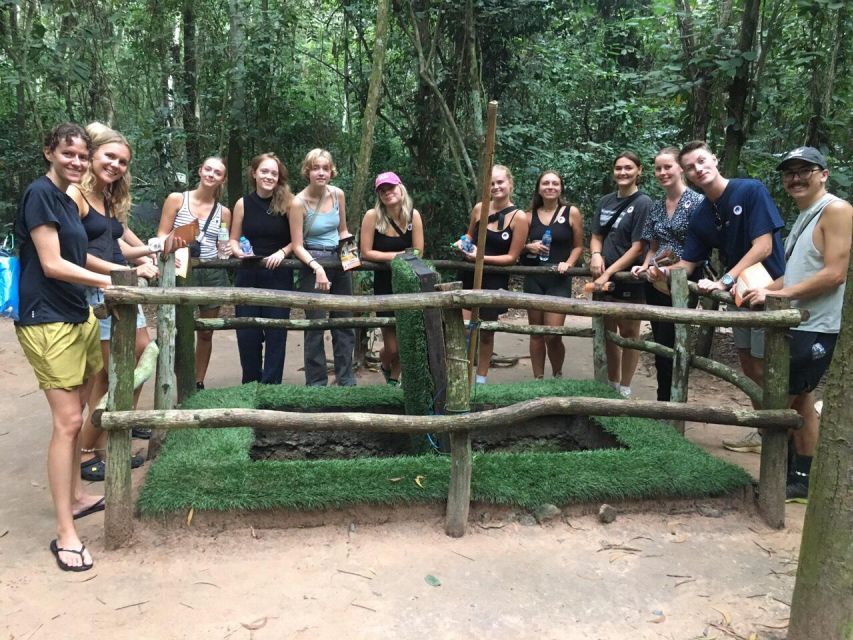
- 250 km of tunnels in the Cu Chi network, explained with map/model briefing before you go inside
- Small group size (up to 10/12/20 depending on format, or a private group) for easier watching and questions
- You choose how far underground to go, with a focus on what the VC built and used
- Tapioca root tasting plus workshops like rice paper and a craft/art studio stop
- Shooting range is optional and costs extra if you want to do it
- Transportation + guide + entrance are included in the base price, which keeps the day simple
Cu Chi Tunnels: 250 km of VC life in the dark
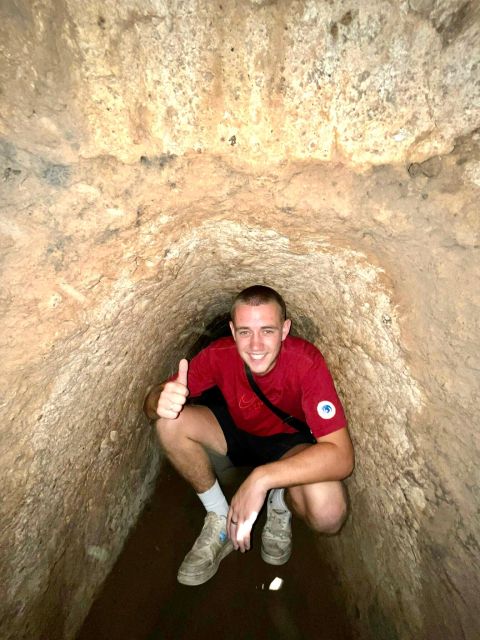
This is not a walk-through museum where everything stays at arm’s length. The heart of the experience is the tunnel network—about 250 km—and how the VC adapted their lives to survive above and beyond the French and Vietnam war periods. You’re guided through the why behind the design, not just the facts.
Here’s what makes the underground part so memorable. You’re shown how the VC used tunnels to hide, live, attack, and ambush from darkness. Even before you get fully underground, you’ll get a map and tunnel model briefing, which matters because the tunnel system can otherwise feel like a random maze. With the layout in your head, each space you encounter makes more sense.
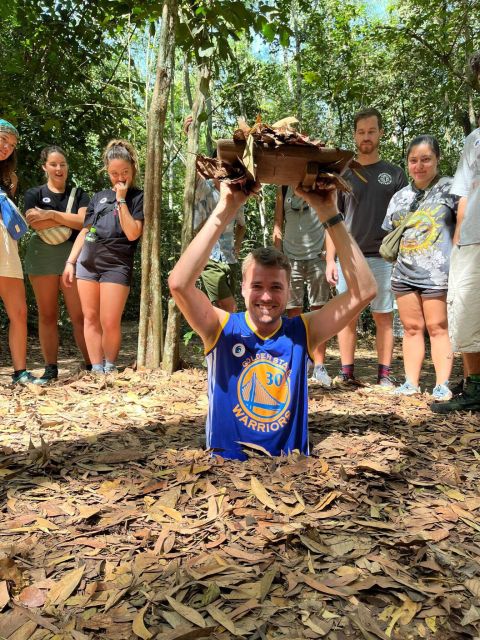
And yes, the tour emphasizes the “built for survival” idea. You’ll see wartime features such as VC traps, VC workshop areas, and designated spaces that mimic everyday needs—health care, meeting rooms, and fighting bunkers. If you’re the kind of person who likes to understand the logic of a system, you’ll likely enjoy this.
You can also read our reviews of more tours and experiences in Ho Chi Minh City.


Morning at 7:30 vs noon at 12:00: plan for a long day
Departure runs in two slots: 7:30am in the morning and 12:00pm in the afternoon. The total duration is about 5–6 hours (330 minutes), so even the “half-day” format feels substantial. This is one of those outings where you’ll want to eat before pickup and keep your schedule flexible for a full morning or early afternoon block.
On the bus side, you can expect transportation with pick-up and drop-off included. One of the nice practical bonuses is that you may get a window view of the city on the ride, not just a straight shot to the tunnels. Still, remember: you’ll be moving on a set schedule, so if you’re easily thrown by early wake-up calls or midday hunger, set yourself up accordingly.
Also note that pick-up is handled from your hotel lobby area. You’ll generally want to be ready 10 to 20 minutes before your scheduled pickup time.
Ace Travels and the English-speaking guide effect
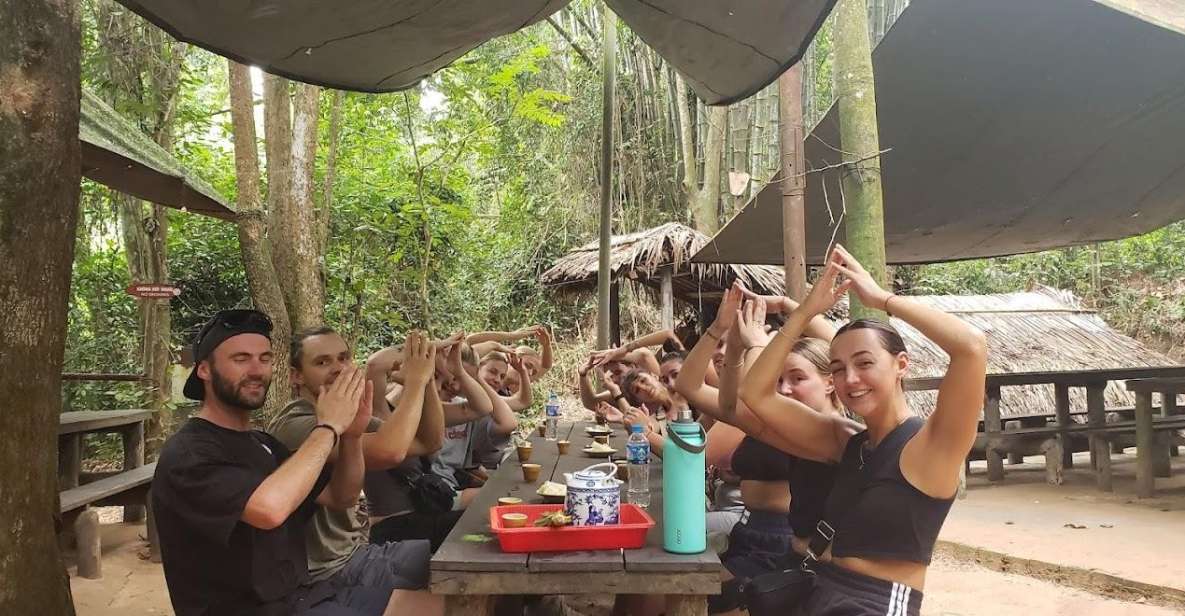
This tour is run by Ace Travels Viet Nam, and the guide language is listed as English. In the experience, guides like Cory and Harry are highlighted, and the common thread is what you actually want from a guide: clear explanations without making you work hard to understand.
A big plus for me is the way an English guide can turn “tunnel facts” into a story you can follow—why certain spaces existed, and what roles they played during wartime movement. The day is structured with briefings and staged stops, so your guide’s pacing really affects whether the tour feels smooth or chaotic.
One consideration: on the day, groups can spread if directions aren’t loud or obvious enough in busy sections. If you’re going with a friend or family member, agree in advance on what you’ll do if you get separated. That’s not about the tour being bad—it’s just a reality of a busy site.
Underground stops: traps, kitchen spaces, health care, and bunkers
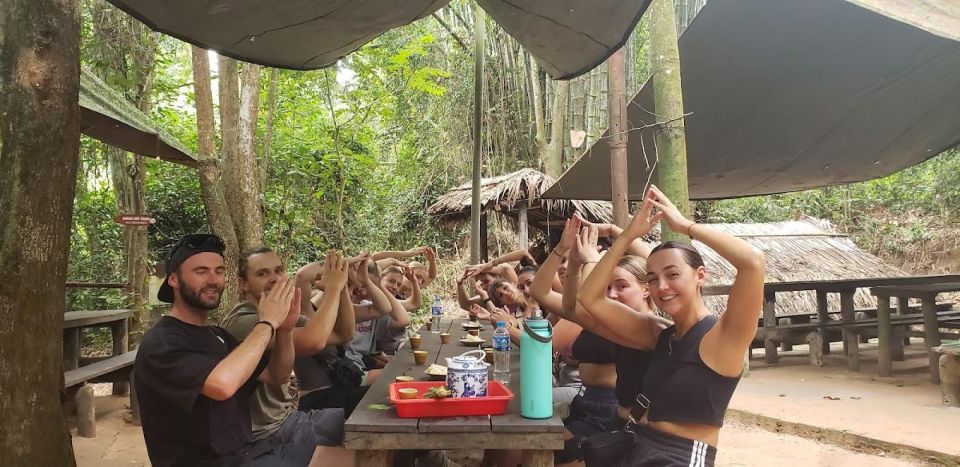
Once you’re ready, the tour focuses on how the tunnels were built for function. The VC didn’t just hide underground—they created a full, working environment.
Here are the main underground themes you should look for:
- Traps built by the VC, which reflect the constant need to protect entrances and movement
- VC workshop areas, showing production and preparation roles rather than only hiding
- An underground smokeless kitchen, which is key: survival requires food and cooking logistics
- Health care spaces, reminding you that injuries weren’t a theoretical risk
- Meeting rooms and planning areas—because communication still mattered below ground
- Fighting bunkers, tying the whole network to defense and tactical movement
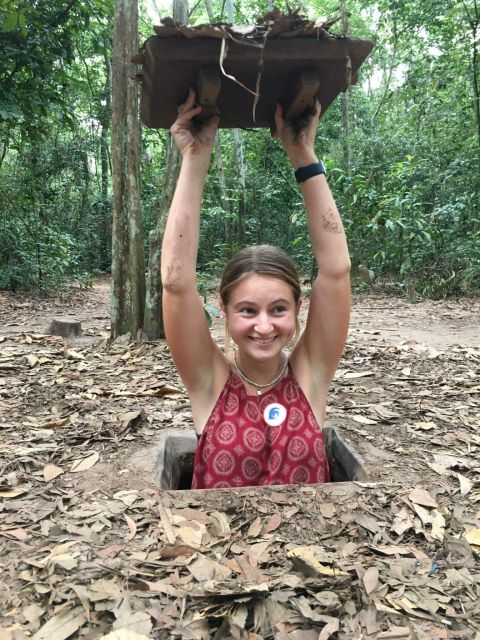
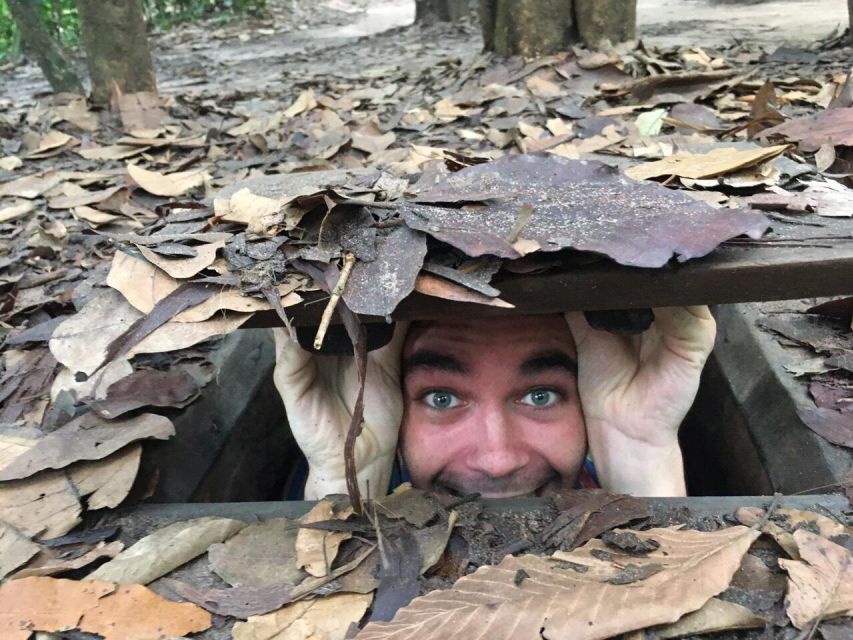
The tour also includes Go underground for an experience (it’s your choice). That’s important. If you’re claustrophobic or just prefer a less physical option, you can still get value from the explanation and the visible set pieces. But if you want the reality check of crawling and ducking through tight spaces, this is where the day turns from informative into memorable.
Practical tip: wear shoes and clothes you don’t mind getting a bit dusty. The underground experience is not a fashion show.
Tapioca root tasting and why it matters
A lot of Cu Chi tours include “food stops” that feel like a gift-shop distraction. Here, the tapioca root tasting is part of the wartime context. Tapioca appears in the VC food story, and tasting it helps you connect the underground living conditions to something physical and real.
It’s a small moment in a long day, but it’s also the kind of stop that makes the tour stick in your mind. You’re not only seeing architecture and weapons-focused exhibits—you’re trying a piece of what people relied on.



Rice paper workshop and lacquer art: the above-ground side
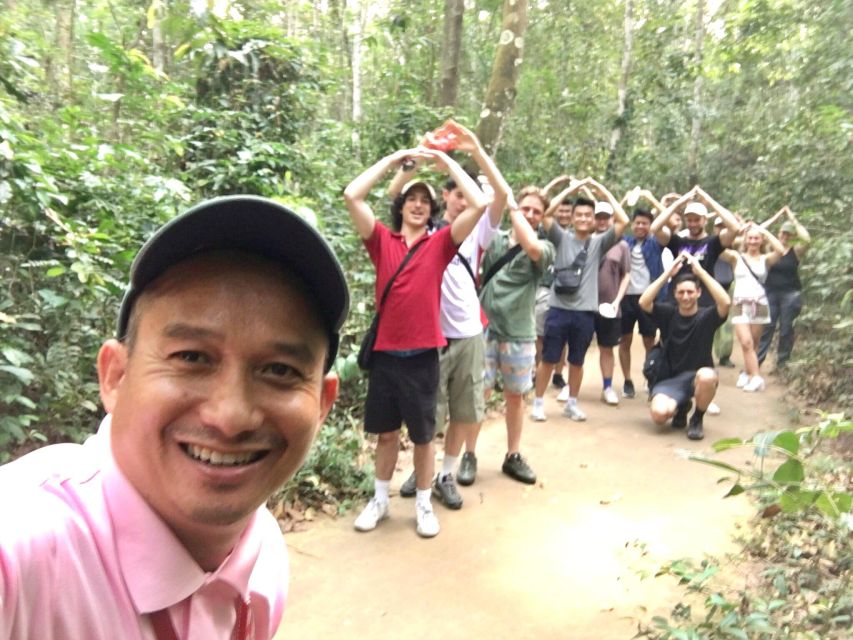
The day doesn’t end when you come back up. You’ll also do a couple of hands-on cultural stops.
First, there’s a rice paper workshop. The tour format doesn’t spell out exact steps, but the point is clear: you’ll see how food prep links to daily life. That matters after spending hours thinking about survival underground.
Then there’s a visit to an art studio where you can see how lacquer ware fine art is made. This is a totally different vibe from tunnels. But it’s worth it because it anchors the day in what Vietnam continued doing long after wartime years—craft, design, and the skills carried forward.
If you’re the type who likes your history days to include at least one “live culture” moment, this structure helps.
Shooting range add-on: cool, but treat it as optional extra cost
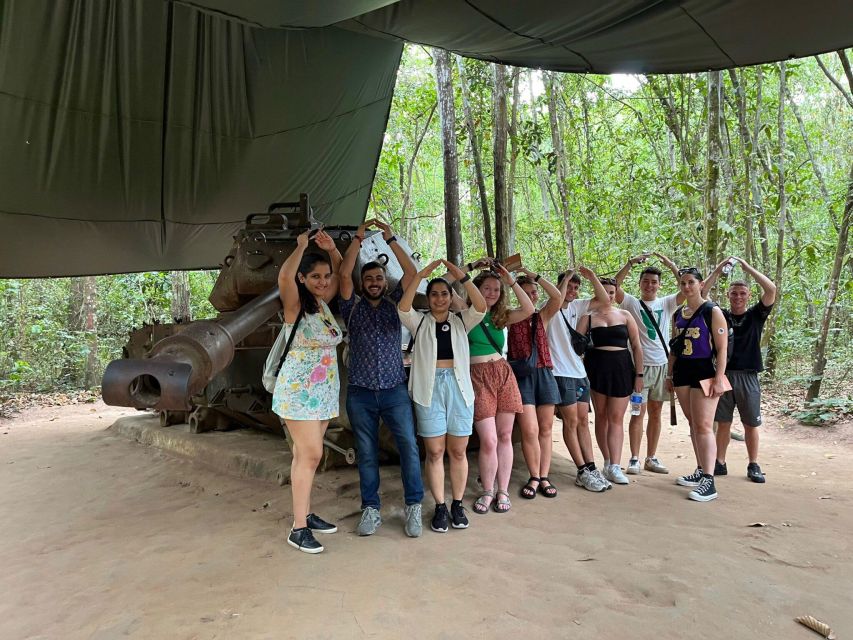
There is a shooting range on-site, but it’s not included in the base price. It’s listed as something you do at your own expense, with a note that you need to buy a minimum of 10 bullets / 600,000 VND.
This can be a fun add-on if you want one extra “experience-only-in-Vietnam” moment, especially because firearms aren’t legal or common in many countries. The key is mindset: treat this as an elective add-on, not part of the core tour value.
Also, plan for noise. If you’re sensitive to loud sound, you might find this portion stressful, particularly if it’s close to a buffet area where people also need to eat and move around.
Price at about $23: why it’s good value (and where costs can creep in)
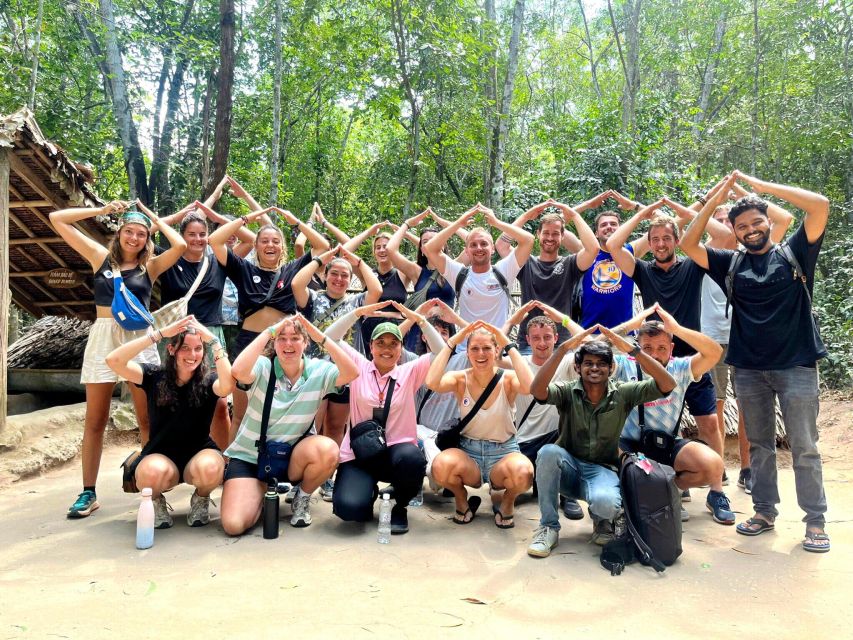
The listed price is $23 per person, and the included items are what make it feel like real value:
- Transportation with pick-up and drop-off
- Entrance fee
- English-speaking guide
- Wet tissue, plus snack and water
When a tour includes transport and entrance, you save the headache of piecing it together yourself. And because the day is structured—briefing, tunnels, then workshop stops—you’re not spending hours coordinating.
Where costs can creep in is the shooting range add-on. If you choose to do it, budget for the bullet minimum mentioned above. If you skip it, the base price stays pretty clean and straightforward.
Group size and timing: what “up to 10/12/20” means for your day
The tour lists a maximum group size that varies by format: 10 pax / 12 pax / 20 pax, or it can be a private group. In plain terms, that affects how easy it will be to get your questions answered and how crowded certain parts feel.
Smaller groups usually mean:
- You can hear the guide better
- It’s easier to move together in tighter areas
- The pacing feels calmer
With larger groups, you’ll need to be more proactive about staying close and listening during briefings. Since parts of the tunnels require attention and movement discipline, it helps if you treat the tour like a “stick together” day.
What you’ll be thinking during and after the crawl
The most praised moments tend to share one idea: the tour doesn’t just tell you about strategy—it shows you how space constrains people and forces decisions. When you see traps, kitchens, health care areas, and fighting bunkers, you start connecting architecture to survival.
That can be humbling. You also come away with a clearer understanding of why underground life wasn’t a romantic fantasy—it was a practical answer to extreme pressure.
If you’re curious about wartime history in Vietnam, this tour gives you context you can actually visualize. And if you like hands-on travel, the choice to go underground turns the day from “read and watch” into “feel and move.”
Should you book the Cu Chi Tunnel Tour?
Book it if you want a well-structured, English-guided Cu Chi visit with both underground sights and above-ground workshops, and you like tours that explain how systems worked rather than only showing objects. The base price is strong value for what’s included.
Skip or reconsider if you’re very sensitive to noise (the optional shooting range can be loud), you hate early pickup days, or you strongly prefer tours where you’re never rushed or never risk getting separated in busy areas. If you do go, wear practical clothes, keep close to your group, and treat the shooting range as an elective extra.