REVIEW · HO CHI MINH CITY
My Tho – Can Tho – Chau Doc 3 days private tour
Book on Viator →Operated by Mekong Tourist · Bookable on Viator
The Mekong moves at river speed. This 3-day private route connects you to Cai Rang floating market life and Tra Su small-boat canal scenery, with boat rides, fruit gardens, and local crafts built into a smooth pace. I especially like the mix of big Mekong moments and smaller, slower stops like Ben Tre’s canal cruising. The one drawback to plan for: you’ll spend a lot of time on vans and boats across two provinces, so if you’re prone to motion sickness, bring a plan.
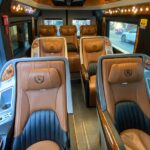
What makes this trip feel like good value is what’s included. You get an English-speaking guide, round-trip transfers, the key meals, and both a Can Tho hotel option or a riverside homestay experience, so you can focus on the day instead of micromanaging logistics. Dress is smart casual, and you’ll have bottled water on the way.
In This Review
- Key Highlights You’ll Actually Care About
- Price and What You’re Buying for $667.95
- Day 1: My Tho to Ben Tre, Then Can Tho’s Market Night
- Vinh Trang Pagoda: Start With a Local Landmark
- River Boat Ride in My Tho: Stilt Houses and Fruit Banks
- Tortoise Islet Lunch: Orchard-Garden Setting
- Ben Tre: An Khanh and the Hand-Rowed Sampan
- Fruit, Honey Tea, and Folk Music by Locals
- Family Business for Coconut Candy and Rural Life
- Arrive in Can Tho: Hotel or Riverside Homestay
- Day 2: Bassac River, Cai Rang Floating Market, and Tra Su Bird Sanctuary
- Floating-Market Morning: Cai Rang and Optional Phong Dien
- Vermicelli Soup Making and Village Wandering
- The Monkey Bridge: One Bamboo Stem, Real Balance
- Orchard Garden Stop and Lunch
- Chau Doc and Tra Su Sanctuary by Small Boat
- Day 3: Floating Fish Farms, Cham Weaving, and Back to HCMC
- Floating Village Fish Farm
- Cham Minority: Traditional Weaving Village
- Local Islamic Mosque
- Return to Ho Chi Minh City
- What Makes This Tour Feel Worth It (and Where It Can Be Tricky)
- Who This 3-Day Mekong Tour Fits Best
- Should You Book This My Tho – Can Tho – Chau Doc Tour?
- FAQ
- What time is pickup in Ho Chi Minh City?
- Is this tour private?
- What does the tour include?
- Are meals included, and what if I’m vegetarian?
- Do I have a choice for where I sleep in Can Tho?
- What is the dress code?
- Do I need a passport?
- Is travel insurance included?
- What happens if I cancel or if weather is poor?
Key Highlights You’ll Actually Care About
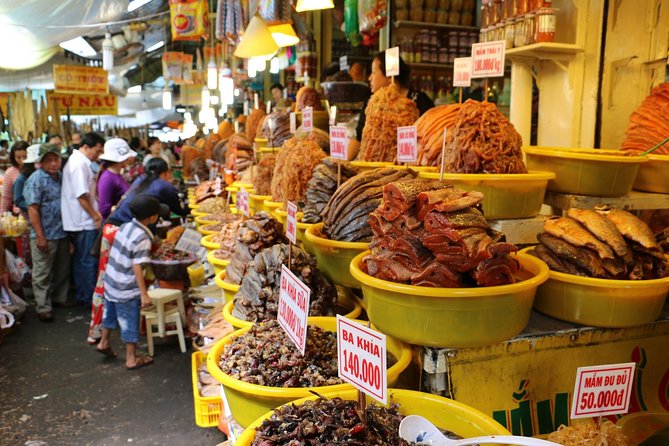
- Cai Rang plus optional Phong Dien: two floating-market styles, not just one photo stop
- Tra Su’s bird-sanctuary canals: small boats, shaded paths, and lots of bird-watching time
- Ben Tre’s hand-rowed sampan: slower canals under water coconut trees, plus fruit and honey tea
- Monkey bridge: a simple, hands-on Mekong moment built from one bamboo stem
- Cham weaving village and an Islamic mosque: culture beyond the river scenery
Price and What You’re Buying for $667.95
This tour costs $667.95 per person for about three days. That number can look high until you map what’s inside the price.
You’re paying for more than a driver and sightseeing. The package includes round-trip transfers, an English-speaking guide, boat trips on the Mekong Delta, scheduled activities, and hotel accommodation (3-star) plus an optional homestay. Meals are covered for the parts listed in the itinerary (breakfast, lunches, and dinner where included), and you also get bottled water plus coffee and/or tea. There’s also a security premium included.
If you compare this to doing the same route yourself—especially the floating markets and Tra Su by boat—you’ll quickly feel why the price is structured this way. You’re buying time, transportation coordination, and multiple guided segments in one package.
One note: this is a private tour, meaning it’s priced for your group rather than split across strangers. If you’re traveling as two people, it can still feel like good value compared with independent logistics. If you’re traveling solo, it may feel more expensive, so plan around what you want most: markets, canal time, or cultural stops.
You can also read our reviews of more private tours in Ho Chi Minh City
Day 1: My Tho to Ben Tre, Then Can Tho’s Market Night
The day starts with pickup in Ho Chi Minh City around 7:30–8:00. You head out by road through rice fields and rural scenery. This “travel day” portion matters because it sets expectations: you’re not doing this as a quick day trip. You’re touring the Mekong as a whole ecosystem—river towns, orchard work, and market rhythms.
Vinh Trang Pagoda: Start With a Local Landmark
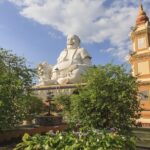
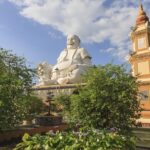
My Tho begins with Vinh Trang pagoda. It’s a classic way to reset from city pace and see a major religious site in the Mekong region. Even if temples aren’t your main interest, this kind of stop is useful: it gives context for how people organize daily life around community and faith.
Practical tip: aim for comfortable shoes. You’ll likely walk around the grounds at a steady pace.
River Boat Ride in My Tho: Stilt Houses and Fruit Banks
Next comes a leisurely boat ride along the river, with views of stilt houses, fruit plantations, and fishing villages along the bank. This is one of those “slow travel” sections that’s worth doing with a guide because they can help you connect what you’re seeing—housing style, food sources, and how the river shapes livelihoods.
What I like about this segment is that it’s not only scenery. The boat ride is built to show the Mekong as a working place, not just a postcard.
Tortoise Islet Lunch: Orchard-Garden Setting
You’ll head to Tortoise islet for lunch in an orchard garden. This is where the day shifts from sightseeing into a more relaxed local break. It’s also a good moment to take a breath before the more active boat/canal blocks later.
If you care about food and local ingredients, this stop helps. Orchard-area meals tend to feel lighter and more “place-based” than restaurant-only tours.
You can also read our reviews of more tours and experiences in Ho Chi Minh City
Ben Tre: An Khanh and the Hand-Rowed Sampan
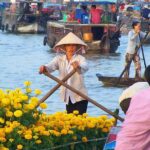
Ben Tre is your next big shift, with a visit to An Khanh, described as less touristy. Then the highlight: a hand-rowed sampan cruise through natural canals shaded by water coconut trees.
This is the kind of ride that changes your sense of speed. Instead of motorboat “whoosh,” you’re moving through narrow channels with a quieter rhythm. If you like photography, you’ll usually find more interesting angles here than at the large-market hubs, because the environment is layered—trees, water, and small canal turns.
Fruit, Honey Tea, and Folk Music by Locals
Still in Ben Tre, you’ll have seasonal fruit and honey tea, with Southern Vietnamese folk music performed by locals. This isn’t random entertainment—it’s paired with the pastoral setting, so it feels like part of the local evening schedule rather than a staged show.
Family Business for Coconut Candy and Rural Life
After the music, you visit a family business that focuses on coconut products, including coconut candy, and you get a closer view of village routines. This is a good stop if you like bringing home edible gifts and want them tied to a real place—not just a supermarket bag.
One consideration: because it’s a family-run business, you may feel part of the flow rather than being “handled.” That’s not bad, just be ready for a more casual pace and casual explanations.
Arrive in Can Tho: Hotel or Riverside Homestay
Then you reach Can Tho and overnight. You get two options:
- Hotel in Can Tho: check in and explore on your own in the evening
- Homestay: transfer by motorboat to a small village in Cai Rang district, then check into a riverside cottage
The homestay option is built around walking and movement—cycling or trekking around the village, then a self-cooked dinner with the local host, plus evening traditional folk music with neighbors. If you want the Mekong Delta as people actually live it, not just what you see from boats, this is the option that usually gives the most memorable day-1 feeling.
If you prefer rest and a predictable schedule, choose the hotel and use the evening for the Can Tho market atmosphere.
Day 2: Bassac River, Cai Rang Floating Market, and Tra Su Bird Sanctuary
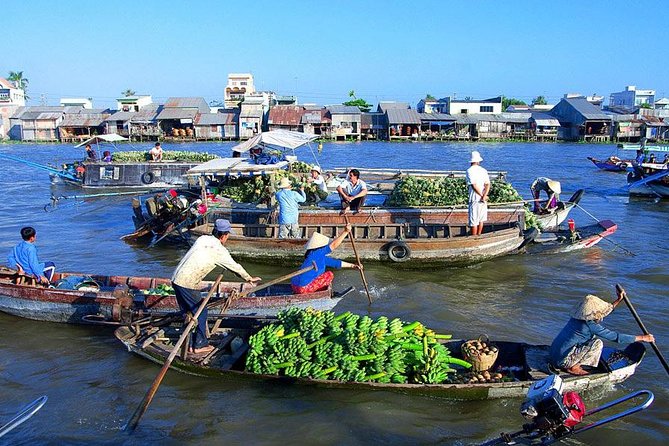
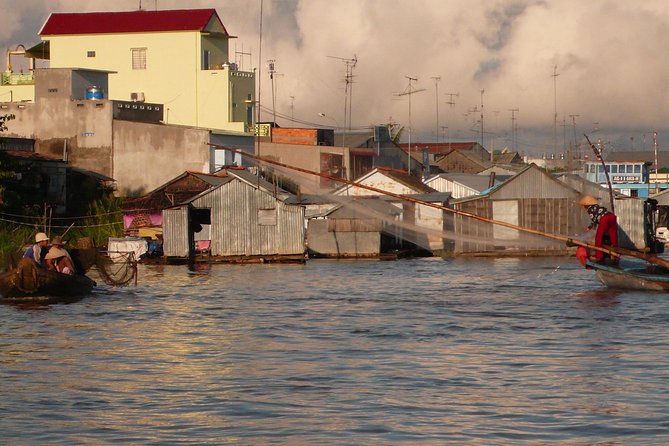
Day 2 starts with boat time on the Lower Mekong’s tributaries (Bassac River). This part matters because it’s the “in-between” world: you’re moving through canals and waterways that feed the big market energy later.
Floating-Market Morning: Cai Rang and Optional Phong Dien
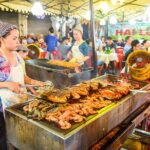
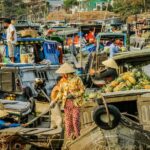
The core market stop is Cai Rang floating market, with Phong Dien optional. Cai Rang is usually the best match for your camera and your curiosity because activity tends to cluster around many boats at once.
If your schedule includes an early wholesale food market stop around 4:30 a.m., it’s worth treating as an intentional start to the day. It means your first views will be in low light, which can make the market feel even more real—people working when most tourists are still asleep.
A quick practical note: markets can be crowded. Keep your valuables secure and expect you’ll move slowly through narrow boat areas.
Vermicelli Soup Making and Village Wandering
After the market, you’ll see how Vietnamese vermicelli soup is made. Then you wander around the village and meet locals. This is a helpful break from pure sightseeing because it shifts you from watching people to understanding small food processes.
The Monkey Bridge: One Bamboo Stem, Real Balance
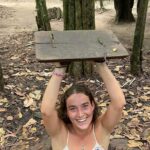
Next is the monkey bridge, described as built by only one stem of bamboo. This is one of those moments that’s simple but hard to fake in a photo. It’s short, but it gives you a real feel for how people move through water-connected spaces using everyday materials.
Go easy and follow guide instructions. If you’re not comfortable with balance games, skip it and watch from the side, but don’t force yourself to do it just for a stamp.
Orchard Garden Stop and Lunch
Then there’s another orchard garden stop before lunch. This day already has a lot of moving parts, so these “pause and sit” pieces can keep the day from feeling like nonstop motion.
Chau Doc and Tra Su Sanctuary by Small Boat
The afternoon and evening shift north to Chau Doc, then you head to Tra Su for the wild birds sanctuary experience. Here you cruise with small boats through shaded canal sections deep into forest areas.
This is where the tour earns its reputation for being more than markets. You’re watching for birds like storks and cranes, and the canal environment tends to slow your thinking down. You also get a different Mekong mood: not trading and bargaining, but quiet observation.
What to consider: bird sanctuary cruising often means you might sit quietly for periods. If you hate stillness, bring your patience.
Day 3: Floating Fish Farms, Cham Weaving, and Back to HCMC
Day 3 is designed as a “culture and craft” close, paired with one last river look.
Floating Village Fish Farm
After breakfast, you take a boat trip through the floating village to visit a fish farm where people raise fish in floating houses. This stop explains the river economy in practical terms: housing, labor, and food production tied to water levels.
I like this because it turns the Mekong from scenery into a system. Even if you only grasp a few details, the fish farm makes everything else you saw feel connected.
Cham Minority: Traditional Weaving Village
Next comes the Cham minority and their traditional weaving village. This is one of those stops that gives you a non-river craft that still belongs to the region’s identity.
Even if weaving isn’t your hobby, the value is cultural specificity. You’re not just visiting a general artisan shop. You’re seeing a community tradition tied to ethnic history in the area.
Local Islamic Mosque
Then you visit a local Islamic mosque. It adds another layer to what Vietnam looks like beyond the single lens most people start with.
Try to be respectful with photos and dress. Smart casual is the stated dress code, and it usually works well at religious sites.
Return to Ho Chi Minh City
Finally, you return to Ho Chi Minh City and the tour ends at the office. The travel day is shorter than day 1 in terms of stop density, but you’ll still be on the move.
What Makes This Tour Feel Worth It (and Where It Can Be Tricky)
This route works well because it balances three things you can’t easily replace with DIY planning: floating-market time, canal cruising, and cultural stops.
Here are the best parts of the experience in plain terms:
- The itinerary includes more than one boat segment, so you see different water environments rather than repeating the same view.
- The food stops are tied to place: orchard lunches, fruit and honey tea, and coconut products that connect to local production.
- The private format means you’re less rushed. You can ask the guide questions as you go.
Now the tricky parts to consider:
- You’ll have limited control over pacing once you’re on the schedule, especially on boat segments.
- You may face heat, sun glare, and humidity during outdoor cruising, depending on the season.
- If you’re sensitive to boat motion, build in your comfort plan early (hydration, calm posture, and taking breaks when offered).
Who This 3-Day Mekong Tour Fits Best
This tour is a strong match if you:
- Want two floating market moments plus river-life context, not just one quick market stop
- Like boat-based touring where scenery and working life are both part of the show
- Care about cultural variety, from Buddhist pagoda sights to Cham weaving and a mosque visit
- Prefer a private setup where your guide can tailor pacing and answers
It might be less ideal if you:
- Hate early mornings or long travel blocks
- Strongly prefer land-only sightseeing with minimal time on boats
- Need a very flexible schedule (this tour follows a set flow)
Should You Book This My Tho – Can Tho – Chau Doc Tour?
If your idea of a great Mekong trip includes markets, canals, and people-based culture, I’d say yes. The pricing makes more sense when you see the mix of included boats, meals, and lodging options. You’re getting both the big-name river experiences and quieter stops that explain how the delta works day to day.
If you’re still deciding between the hotel and homestay in Can Tho, think honestly about what you want most. The homestay option is the one that feels most like living on river time, while the hotel option is best if you want an easy evening and more privacy.
FAQ
What time is pickup in Ho Chi Minh City?
Pickup is scheduled around 7:30–8:00 a.m. from your hotel in Ho Chi Minh City.
Is this tour private?
Yes. It’s a private tour/activity, and only your group participates.
What does the tour include?
It includes round-trip transfer, an English-speaking guide, boat trips, tours and activities listed in the itinerary, 3-star hotel accommodation (and homestay option), breakfast, lunch, dinner where indicated, bottled water, and coffee and/or tea, plus a mobile ticket.
Are meals included, and what if I’m vegetarian?
Meals are included as indicated in the itinerary. A vegetarian option is available, but you must advise at booking.
Do I have a choice for where I sleep in Can Tho?
Yes. You can choose either a hotel in Can Tho or a homestay in a riverside cottage in Cai Rang district.
What is the dress code?
The dress code is smart casual.
Do I need a passport?
A current valid passport is required on the day of travel.
Is travel insurance included?
No. Travel insurance is not included.
What happens if I cancel or if weather is poor?
This experience is non-refundable and cannot be changed for any reason. If it’s canceled due to poor weather, you’ll be offered a different date or a full refund.