REVIEW · HO CHI MINH CITY
3 Days Mekong Delta Luxury Group Tour from Ho Chi Minh City
Book on Viator →Operated by Vietnam Travel Group Co., LTD · Bookable on Viator
In This Review
- Follow boats and pagodas in three days.
- Key highlights worth your attention
- From District 1 pickup to Ben Tre: the rice-field momentum you want
- Vinh Trang Pagoda in My Tho: a calm reset before river scenes
- Cai Rang Floating Market: how to enjoy the chaos without losing the plot
- Can Tho to Chau Doc: when the Delta mood shifts
- Chau Doc river villages and Cham Village: daily life, not just scenery
- Fish farms in floating cages: the Delta economy you can taste
- Luxury value: what $245 gets you (and what costs extra)
- Who should book this Mekong Delta luxury group tour
- Should you book it or not?
- FAQ
- What time is the start time for pick-up in Ho Chi Minh City?
- How many travelers are in the group?
- Are meals and drinks included?
- Where are the overnight hotels?
- Are entrance fees included?
- Is free cancellation available?
Follow boats and pagodas in three days.
This 3-day Mekong Delta luxury group tour is a smart way to see how people live and work along the water, from Ben Tre and My Tho countryside to the famous floating market and river villages in Chau Doc. You’ll cover a lot of ground without feeling like you’re sprinting, and you get an English guide, hotel stays in Can Tho and Chau Doc, plus boat time.
I especially like the mix of big sights and everyday river life—Cai Rang Floating Market early in the morning is the kind of scene that makes the rest of the day click, and the stop at Vinh Trang Pagoda offers a calm breather before you jump back into the river world. I also appreciate the small-group feel: a maximum of 12 travelers, so the schedule stays organized.
One consideration: drinks aren’t included, and there’s at least one extra ticket mentioned (the Tra Su Cajuput Forest entrance fee, $10), so budget a little beyond the main price.
Key highlights worth your attention
- Small group cap of 12 keeps the day manageable and makes it easier to ask questions.
- English tour guide helps you understand what you’re seeing, not just where to stand for photos.
- Cai Rang Floating Market cruise focuses on the most iconic market time of day.
- Vinh Trang Pagoda gives you a peaceful cultural stop with free admission.
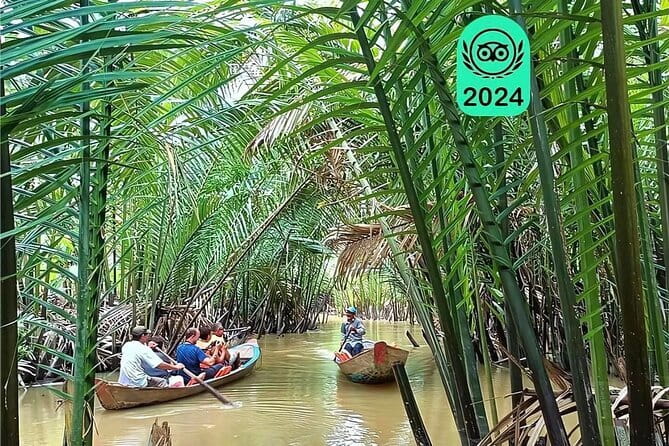
- Chau Doc boat trip + Cham Village shows daily life on the river.
- Fish farm in floating cages adds a practical, hands-on look at aquaculture.
You can also read our reviews of more city tours in Ho Chi Minh City
From District 1 pickup to Ben Tre: the rice-field momentum you want
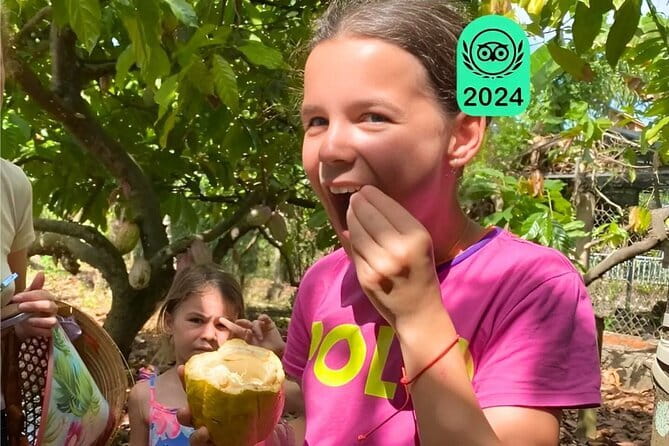
Most Mekong Delta tours start with a long transfer, but this one builds energy fast. You’re picked up from District 1 in central Ho Chi Minh City around 7:30 am, then the drive cuts through green rice fields on the way toward the river communities around My Tho and Ben Tre.
That early start matters. By the time you reach the countryside, you’re not just reacting to traffic and heat—you’re already in the right mindset for what the Delta does best: slow, water-based daily life. You’ll notice the human scale of the region quickly—laundry on lines, chickens, farm work right near the road. It’s not staged; it’s just how life goes.
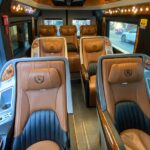
The “luxury” part here is mainly about comfort and pacing. You’re in an air-conditioned mini van (16 seats or a small-group car), and the day includes cool towels and mineral water. It sounds small, but in the Delta heat it changes the whole experience. Your job becomes looking at the world, not fighting sweat.
Practical note: pickup is included for District 1. If you’re staying outside that area, plan on extra logistics so you don’t end up paying to get to the pick-up point.
Vinh Trang Pagoda in My Tho: a calm reset before river scenes
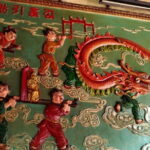
After the drive, you step into a very different pace with Vinh Trang Pagoda. This is a peaceful Buddhist temple stop with impressive architecture and free admission. Even if you’re not a temple person, this works because it gives your eyes a rest before the day turns watery and busy again.
What I like about this kind of stop is timing. You’re fresh enough to actually notice details—where light falls, how the space feels, and the general sense of order—before the day becomes more sensory: boats, markets, and river villages.
You’re also not stuck here for hours. The visit is about 2 hours, which keeps the day from turning into “one long photo stop.” Instead, it’s more like a reset button, then you’re back in motion.
If you want to get the most out of it: go a little slower than your camera reflex. Look first, then take a few photos where you find symmetry or strong lines. The architecture is what makes it memorable.
Cai Rang Floating Market: how to enjoy the chaos without losing the plot
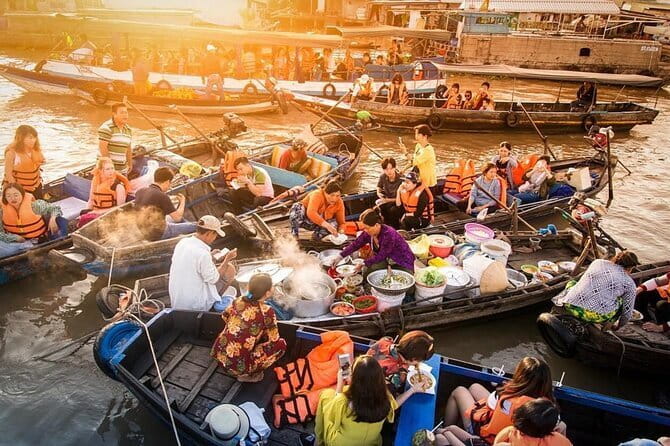
Day two is built around Cai Rang Floating Market, and the tour hits the right market concept: go early and focus on the layout and patterns. Cai Rang is described as the largest and most famous floating market in the Mekong Delta, so yes—it can feel like sensory overload if you stroll in late.
That’s why the early morning rhythm matters. You get breakfast at the hotel, then head out. The plan includes a boat cruise—you’ll travel among lots of boats and see how goods move across the water, not just watch from the shore.
Here’s what makes Cai Rang worth your time: it’s not only about buying. It’s about understanding river logistics. You see how daily commerce runs on canals, how boats cluster, and how people read the flow of the market like it’s a schedule. With an English guide, you’re more likely to catch the meaning behind what you’re seeing—why certain boats are where they are, what’s being traded, and how this market differs from others.
This part of the day is longer—about 6 hours—so treat it as a full experience, not a quick photo stop. Wear comfortable shoes for boarding and moving around, and keep sunscreen and water handy (you’ll have water provided, which helps).
Possible drawback to keep in mind: floating markets are crowded by nature. If you hate crowds, you’ll still have moments of calm between boat zones—but don’t expect a quiet, back-alley market vibe.
Can Tho to Chau Doc: when the Delta mood shifts
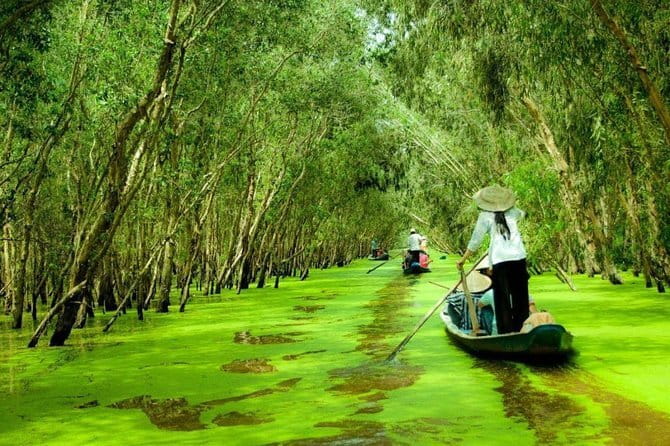
After Can Tho, the tone changes as you head toward Chau Doc, where the river becomes the main character again. Even without inventing details, you can feel the difference in focus: the tour stops being about trade and starts leaning into river community life—villages, daily routines, and food production tied directly to the water.
Between the two regions, you’re also getting overnight structure. Your included hotel nights are in Can Tho (Hau Giang or Phuong Nga Hotel, or same quality) and Chau Doc (Hung Cuong Hotel or same quality). Having real hotels matters for a multi-day Delta trip. You’re not camping, and you get a proper chance to reset after long travel days.
Another “luxury” perk you’ll notice on these Delta days: the tour includes seasonal fruits and honey tea along the way. It’s not a fancy-only thing—it’s also a sanity saver. After hours of sun and movement, having something light and local helps you keep your energy up.
You can also read our reviews of more tours and experiences in Ho Chi Minh City
Chau Doc river villages and Cham Village: daily life, not just scenery
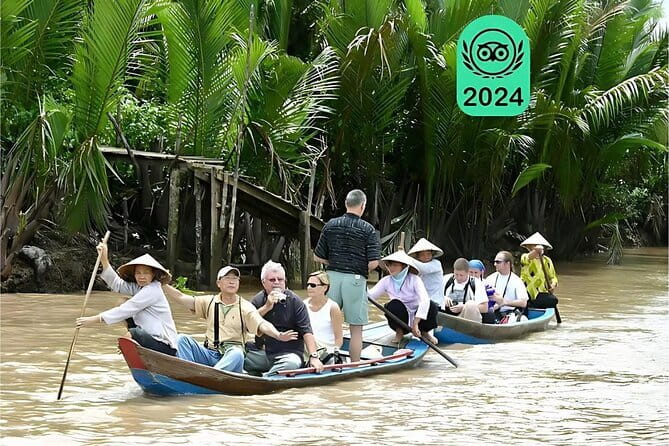
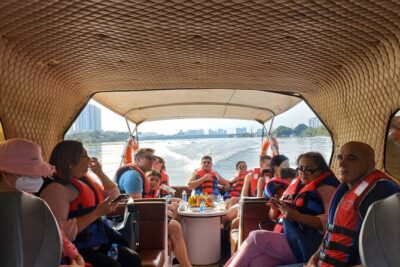
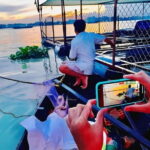
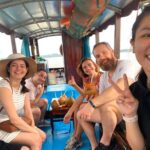
On day three, the focus tightens around Chau Doc with a final boat trip on the Mekong to visit a floating village area and see day-to-day life on the river. You’re not only looking at landscapes; you’re watching routines.
A highlight here is Cham Village in Chau Doc. The point of that stop is understanding how an entire community organizes life around water routes and river access. You’ll get a sense of how people live with the river as their road, market space, and workplace.
This is also the day where you’re more likely to feel the tour’s guide-led value. A good English-speaking guide helps you connect what you see—homes, boats, transport, and activity—to the broader story of the Delta. From past feedback on this operator, guides have been noted for being energetic and responsive, with names like Peter, Ken (Heineken), Duy, Mister Bar, Mr Tinh, Jason, Victor, and Mr Lee showing up as standout personalities. (You can’t assume you’ll get the same guide, but it does suggest the team takes the human side seriously.)
Tip for you: ask questions when you’re on the boat or during village time. That’s when conversations are easiest, and you’ll get clearer answers before the schedule moves on.
Fish farms in floating cages: the Delta economy you can taste
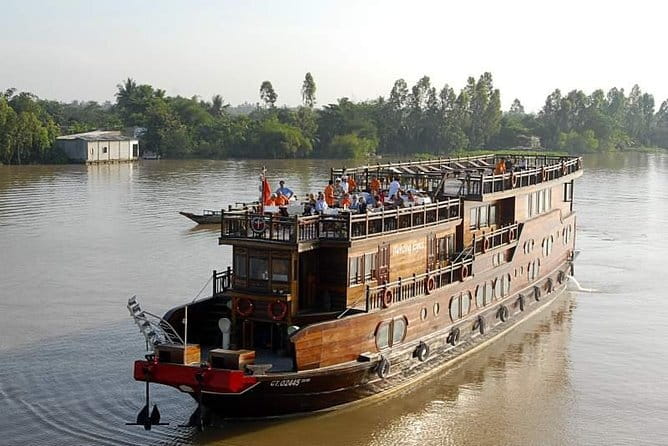
After breakfast, the tour adds a practical stop: a fish farm where locals cultivate and harvest fish in floating cages. This is one of the best “why it matters” moments in the whole trip because it turns your sightseeing into an understanding of how the Delta feeds people.
This isn’t abstract. You’ll see the setup and learn the basics of the operation. It’s also an easy stop to enjoy because it’s concrete. Instead of trying to decode everything at speed, you can focus on one system.
You might also notice how this ties back to the rest of the tour. Floating markets are about movement and trade; pagodas are about cultural identity and calm; and fish farms are about production. Together, it paints a full picture of the Delta as a working region, not just a pretty place to visit for a day.
Luxury value: what $245 gets you (and what costs extra)
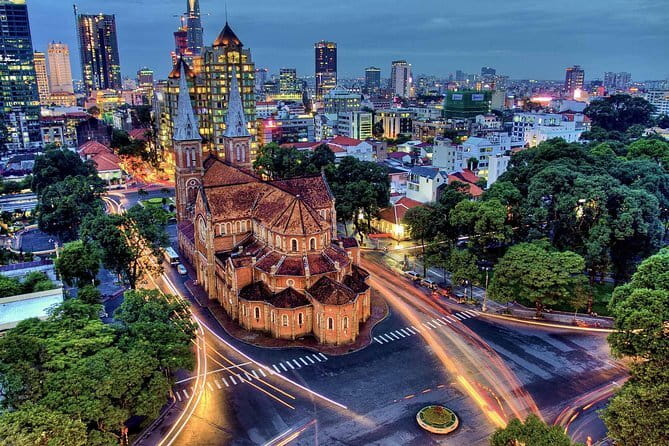
At $245 per person for about 3 days, this tour can feel like a bargain or a splurge depending on what you compare it to. Here’s the value logic:
What’s included
- Air-conditioned transport (mini van for 16 seats or small group car)
- English tour guide
- Entrance fees are listed as included for the stops covered
- Hotels: Can Tho (Hau Giang/Phuong Nga) and Chau Doc (Hung Cuong), same quality if substituted
- Pick up from District 1
- Boat trip plus seasonal fruits and honey tea
- Cool towel and mineral water
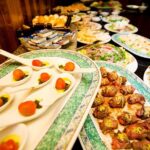
- Meals: 2 breakfasts and 3 lunches
Where extras show up
- Beverages and other meals aren’t mentioned as included, so plan for drinks to be on you.
- There’s a Tra Su Cajuput Forest entrance ticket ($10 per person) listed as not included.
- If you want a single room, there’s a $20 per person per night supplement.
So is it good value? Usually, yes—because you’re paying for multi-day transport, guided interpretation, boat time, and two hotel nights. If you were to do the same trip on your own, you’d likely spend more on logistics and lose the “someone else managed the schedule” benefit.
My advice: if you drink a lot of bottled water or soft drinks, mentally add a small daily buffer. The tour provides mineral water, but beverages aren’t fully covered.
Who should book this Mekong Delta luxury group tour
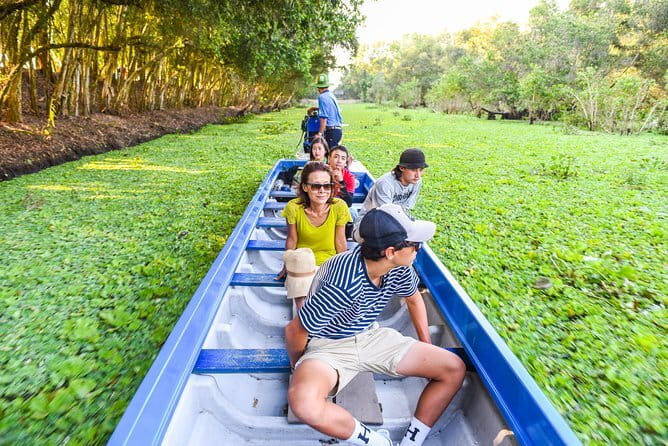
This tour suits you if:
- You want structure. The Delta is big, and this keeps you moving without forcing you to plan every transfer.
- You like getting stories from a guide. The English guiding is a real part of the experience.
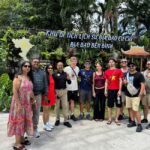
- You prefer a small group. A maximum of 12 travelers helps you feel less lost on boat and market stops.
- You’re okay with moderate movement. The tour lists a moderate physical fitness level requirement—nothing extreme, but you should expect some walking and getting on/off boats.
This tour may not be ideal if:
- You want total solitude or quiet. Floating markets and river villages naturally involve people and close spaces.
- You only want “off-the-beaten-path” areas. This route hits major icons like Cai Rang and Vinh Trang, so you’ll be in recognizable places.
Should you book it or not?
Book it if you want a well-paced, guide-led Mekong Delta trip that balances big highlights with real river routines. The best reasons to choose it are practical: small group size, hotel comfort, and the fact that the schedule includes more than just scenery—floating markets, Cham Village, and fish farms give you a fuller picture of how the Delta works.
Skip it or compare first if your priorities are ultra-quiet travel, drinks all-included budgeting, or if your hotel is outside District 1 and you’d rather avoid extra logistics.
If you’re deciding, I’d treat this as a strong “first serious Mekong Delta visit” option—especially if you want your time managed and your questions answered along the way.
FAQ
What time is the start time for pick-up in Ho Chi Minh City?
The start time is 7:30 am, with pickup from District 1 (central city).
How many travelers are in the group?
The tour has a maximum of 12 travelers.
Are meals and drinks included?
The tour includes 2 breakfasts and 3 lunches. Beverages and other meals are not mentioned as included, so you should plan to pay for drinks separately.
Where are the overnight hotels?
Overnight stays are in Can Tho at Hau Giang/Phuong Nga Hotel (or same quality) and in Chau Doc at Hung Cuong Hotel (or same quality).
Are entrance fees included?
Entrance fees are listed as included for the tour stops, but the Tra Su Cajuput Forest entrance ticket ($10 per person) is specifically listed as not included.
Is free cancellation available?
Yes. You can cancel for a full refund if you cancel at least 24 hours before the experience start time.