REVIEW · HO CHI MINH CITY
Saigon Railway Village Photo Tour
Book on Viator →Operated by Vietnam in Focus - Day Tours · Bookable on Viator
Railway tracks and sunrise make it a masterclass. This 4-hour Saigon Railway Village photo tour turns early-morning street scenes into a teachable plan, with practical street-photography coaching and a pro photographer to sharpen settings and help you think in a picture story. I like that it’s not just sightseeing. You’ll get technique you can use right away, and the group stays small so the attention feels personal. One possible drawback: the start time is early, so you need to be awake and ready.
The whole thing kicks off at Saigon Railway Station with an intro and a first look at the old steam locomotive near the entrance. Guides such as Eileen, Paul, Juan, Adrien, and Victor show up in the feedback as teachers who focus hard on composition and camera settings, not vague tips. Best of all, the tour includes 2-way transfers from central HCMC hotels, so you skip the self-drive puzzle and just focus on shooting.
In This Review
- Saigon Railway Village Photo Tour: Key Takeaways
- Why the 5:30am Start Changes Everything
- Meeting at Saigon Railway Station and the Steam Locomotive Warm-Up
- The Street-Photo Lesson That Actually Shows Up in Your Results
- Golden-Light Railway Village: Capturing Daily Life Around the Tracks
- How the Tour Builds a Picture Story (Not Just a Photo Stack)
- Camera Settings Review: What You’re Likely Getting Out of It
- The $119 Price: What You Get and Where the Value Comes From
- Transfers, Mobile Ticket, and Group Size: The Practical Side
- What to Bring for a Better Train-Track Shoot
- Weather Expectations and How That Affects Your Morning
- Is This Tour for You?
- FAQ
- What time does the Saigon Railway Village Photo Tour start?
- Where does the tour begin?
- How long is the tour?
- Is hotel pickup included?
- What is included in the price?
- Are food and drinks included?
- How many people are in the group?
- What happens if the weather is bad?
Saigon Railway Village Photo Tour: Key Takeaways
- Small group (max 5) means more chances to get help with your own camera settings.
- Pro photographer coaching focuses on angles, composition, and turning moments into a story.
- 5:30am start gives you soft golden light and a chance to photograph life as people wake up.
- Saigon Railway Station warm-up includes an intro plus a first subject: the old steam locomotive.
- Hotel pickup and drop-off keeps the morning simple, especially if you’re new to HCMC.
- Food and drinks aren’t included even though breakfast is mentioned in the tour description, so plan to pay for it if you want it.
Why the 5:30am Start Changes Everything
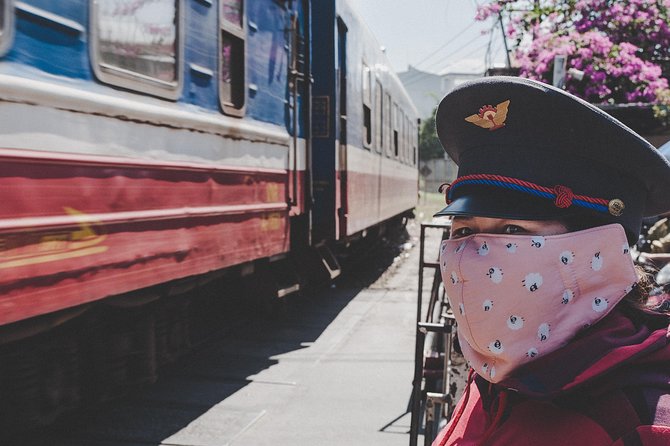
This tour is built around one big idea: mornings in HCMC are different. At 5:30am, the light is gentler, shadows are longer, and you’re usually there before the city fully locks into its daytime rhythm. That matters for street photography because the scene looks less chaotic and more readable.
You’re also photographing a place that’s moving on its own schedule. When residents start the day and trains begin to roll in, you get real action instead of posed moments. The goal isn’t just to grab a pretty shot. It’s to capture behavior: how people interact with the space, how they move near the tracks, and how the neighborhood wakes up around the trains.
The one trade-off is obvious. This is an early start. If you’re the type who needs two coffees before you can think, set yourself up for success. Bring what you need for comfort (and consider packing a small breakfast plan for after you photograph), because you’ll be out in the morning flow for the full session.
You can also read our reviews of more photography tours in Ho Chi Minh City

Meeting at Saigon Railway Station and the Steam Locomotive Warm-Up
You start at Saigon Railway Station. Expect an initial meet-up and a quick tour briefing right away, then a camera settings review. This part is more useful than it sounds, because it sets the pace for what you’ll do next. Instead of wandering and guessing, you’re given a plan before you step into the railway village.
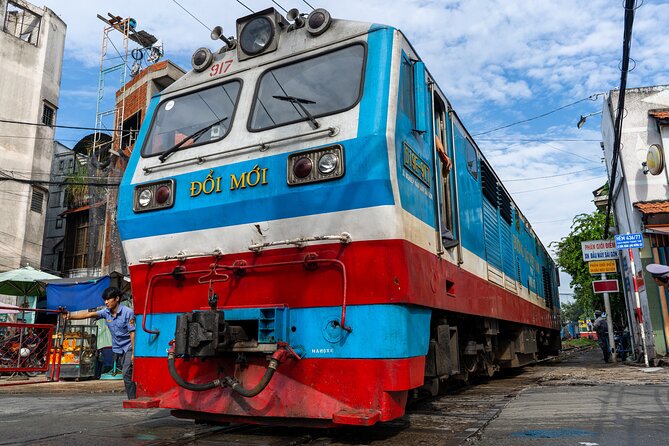
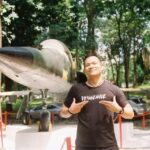
A smart early subject is waiting for you: the old steam locomotive parked near the station entrance. It works as an anchor for your first photos, and it helps you practice key street skills in a controlled way:
- learning camera framing and where to stand
- thinking about background layers
- using leading lines from the tracks and station elements
If you’ve ever felt stuck at the moment you lift your camera, this is the antidote. You get set up before the real chaos begins.
The Street-Photo Lesson That Actually Shows Up in Your Results
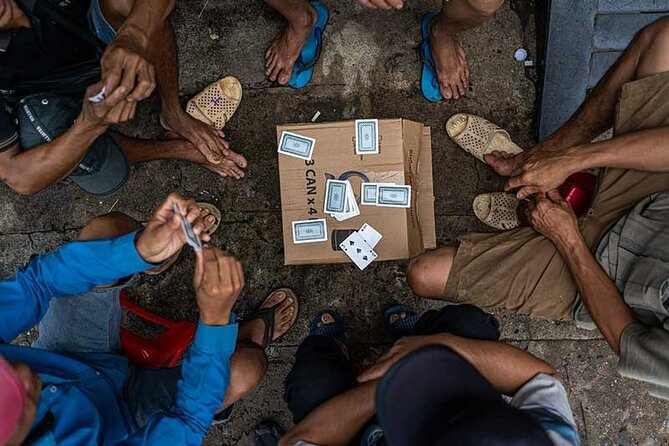
What I like most about this style of tour is that it’s not only about taking photos. It’s about improving how you see. The feedback repeatedly points to instructors teaching with real technical detail—camera settings, composition choices, and how to approach people and neighborhoods with intention.
You might notice a common thread in the guide names people mention: Eileen, Paul, Juan, Adrien, and Victor. The praise isn’t just for being friendly. It’s for being specific. One person noted how lessons covered a lot of technical ground and stayed useful after the tour. Another highlighted the way a guide helped match shooting angles and settings to the traveler’s own camera and style.
So what does that mean in practice?
You’ll get coaching while you’re walking and shooting. You don’t just hear theory. You’re trying it, checking results, then trying again with adjustment. That’s how you make the jump from random snapshots to photographs with a point.
Golden-Light Railway Village: Capturing Daily Life Around the Tracks
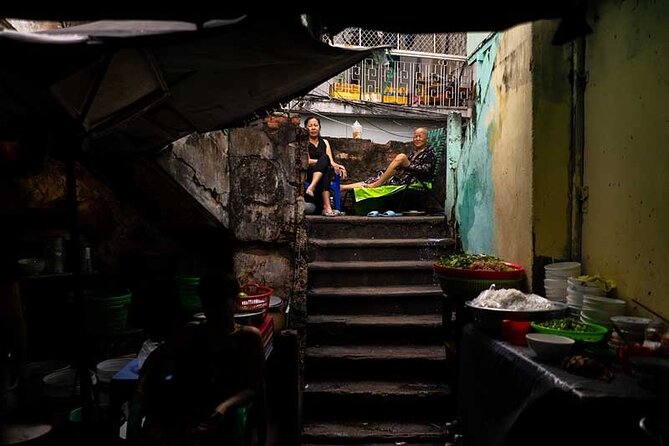
After the station start, you head into the railway village area. This is the part that makes the tour feel different from generic city walks. Here, life has a strong relationship to the rail line. People move through the edges of the tracks. You get repeated opportunities for storytelling: arrivals, waiting, passing trains, and the way locals interact with their morning routines.
Golden light is doing work for you here. Early sun can soften contrast on faces and make textures easier to read—things like metal, walls, signage, and the layers of clutter you normally have to fight in post-processing. If your goal is photos that feel lived-in rather than overly processed, this timing helps.
Also, the schedule naturally encourages a “picture story” mindset. Even if you’re not thinking about it consciously, you’re learning how to build a sequence: one frame sets context, the next shows action, and the next captures people or details that make the scene believable.
One caution: it’s still street photography, and you’re working around moving trains and everyday life. Stay aware of your surroundings, don’t block movement, and keep your focus on safety first.
How the Tour Builds a Picture Story (Not Just a Photo Stack)
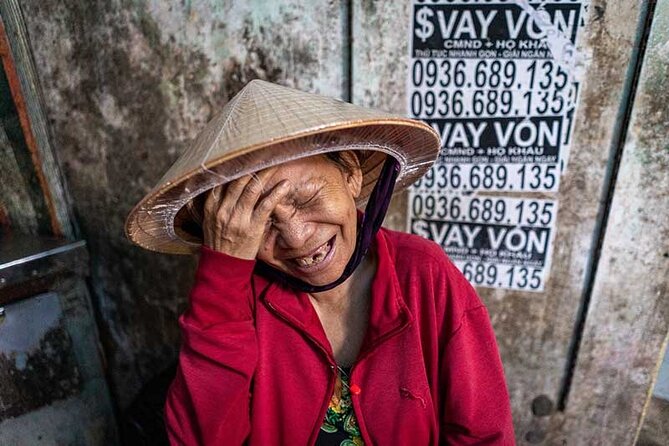
The tour emphasizes turning your shots into a story. That matters because most people end up with a folder full of similar photos. You learn to structure your images so they show progression.
Here’s how that usually plays out on a rail-track morning, and why it’s useful:
- Context first: the station/locomotive warm-up helps you learn how to set the scene.
- Activity next: the railway village gives you repeated chances for gestures, movement, and passing trains.
- Details to humanize: you’ll likely be encouraged toward portraits and close-up elements that make the neighborhood feel real.
If you’re a beginner, this approach is a relief. You’re not guessing what to photograph. You’re being guided toward a sequence.
If you’re an experienced shooter, it becomes a framework for experimentation. You can try different lenses, shutter speeds, or composition setups and still end up with coherent results.
A little humor helps too: photographing train-related street scenes is inherently odd in the best way. You get unexpected compositions. You also get moments where people are doing normal life things, just in a place you don’t usually see in travel brochures.



Camera Settings Review: What You’re Likely Getting Out of It
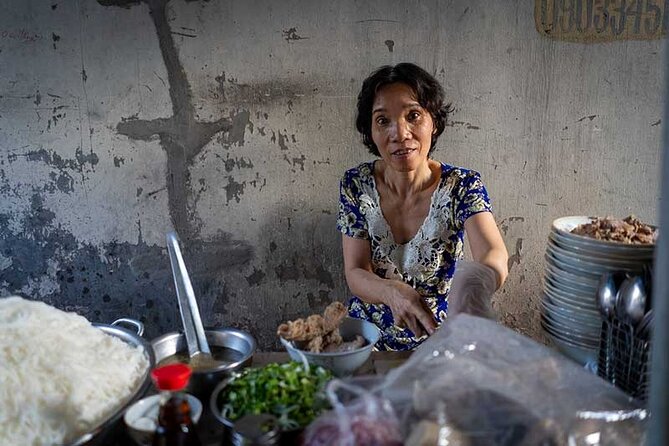
The tour description and feedback both point to hands-on camera settings instruction. That’s the part that can feel abstract on other photo tours, so it’s worth spelling out what you’ll likely be working on:
- exposure choices for early morning light
- how to balance motion and sharpness
- how to set up for street composition without constantly chimping your screen
- how to adapt settings to your own camera
Several reviews mention how guides taught in a technical way and helped improve results beyond the tour itself. Another common theme is learning where to shoot and how to set the camera up before the key moment happens, instead of during it.
If you shoot with a phone, you’ll want to confirm fit ahead of time, since the tour is presented as a camera-settings lesson with a photography guide. The information provided says a professional photographer guides you, so the expectation is that you’re actively shooting and applying settings.
The $119 Price: What You Get and Where the Value Comes From
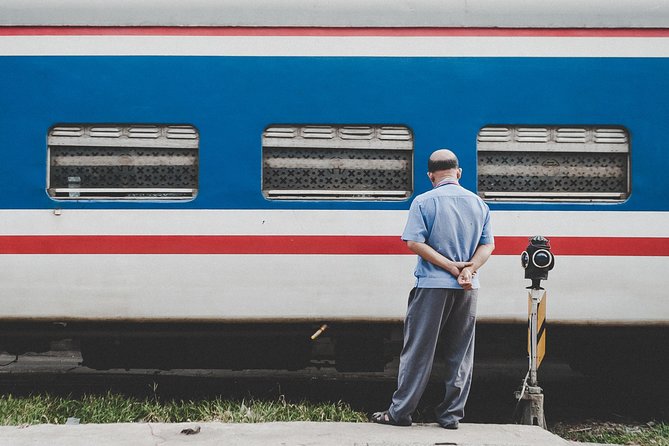
At $119 per person for about 4 hours, you’re paying for two things:
1) a pro photography guide with technical coaching
2) the convenience of round-trip pickup from central HCMC hotels
This isn’t a cheap wander. The value is best if you want improvement, not just photos. A small group cap of 5 travelers also matters here. When the group is tiny, a guide can spend more time on your angles and your settings rather than moving everyone along like a conveyor belt.
What’s not included is also important. Tips are not included, and food & drinks are listed as not included. The tour description mentions a local breakfast option like coffee with noodles or a banh mi-style bite, so you should plan on covering that yourself unless your confirmation says otherwise. Either way, arrive hungry enough for your morning priorities, then follow up with food after the shoot.
If you love street photography and you want a structured start to your week in Vietnam, this price can feel fair. If you only want a casual walk with a camera, you might decide to book something less focused and cheaper.
Transfers, Mobile Ticket, and Group Size: The Practical Side
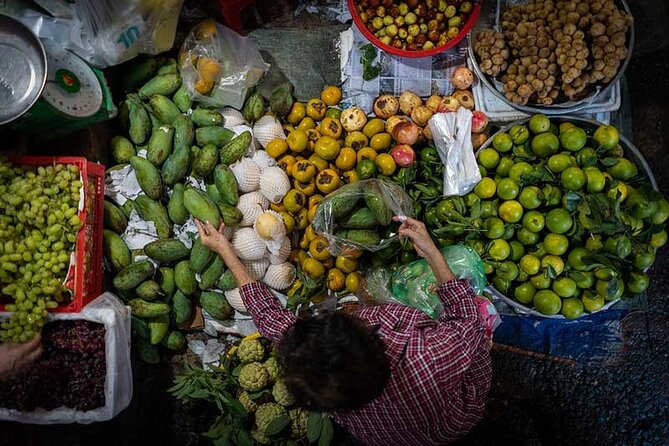
Logistics can make or break an early morning plan. This tour helps by offering pickup from central HCMC hotels and return transfers after the shoot. That means you don’t have to navigate the city before sunrise, find parking, or worry about getting back to your lodging on time.
It also uses a mobile ticket, which keeps things straightforward. There’s also a group discount mentioned in the tour details. If you’re traveling with another photographer friend, asking about combined booking options can be worth it.
The max group size of 5 travelers is one of the biggest quality signals in the whole package. In a small group, you’re less likely to get lost behind other participants or wait for your turn.
What to Bring for a Better Train-Track Shoot
You’ll get the best results if you treat this like a shooting session, not a museum tour. Since camera settings and technique are central, come prepared to use them.
A practical checklist:
- your camera plus any lenses you like for street scenes (and be comfortable switching if needed)
- extra memory cards and a charged battery (early mornings drain power)
- comfortable shoes for walking and standing around
- a light layer (mornings can feel cooler than the midday sun)
- water, even if you’re not buying it on the way
Also, bring a plan for yourself. If you have a specific kind of photo you want—portraits, motion, details, environmental shots—mention it to the guide during the intro. A good guide can guide you toward the right spot faster when you’re clear.
Weather Expectations and How That Affects Your Morning
The tour requires good weather. That’s not a minor detail. Golden light is part of the value, and rain or heavy clouds can change both the lighting and the comfort level while shooting outdoors.
If the day gets canceled due to poor weather, you should expect a different date or a full refund. It’s worth keeping this in mind if your schedule is tight and you only have one morning available in HCMC.
Is This Tour for You?
Book this tour if:
- you want hands-on street photography coaching, not just sightseeing
- you’re eager to learn settings and composition in a real shooting environment
- you like early mornings and can handle 5:30am
- you want a small-group experience with a professional guide
Skip it (or consider an alternative) if:
- you hate waking up early
- you’re looking for a long leisurely morning with no instruction pressure
- you mainly want casual photos and don’t care about technique
My take: the best value is for photographers who want to improve quickly. You’re paying for teaching time, a guided route, and the chance to photograph railway-life with intention.
FAQ
What time does the Saigon Railway Village Photo Tour start?
The tour starts at 5:30am.
Where does the tour begin?
You meet at Saigon Railway Station.
How long is the tour?
It runs for about 4 hours.
Is hotel pickup included?
Yes. The tour offers 2-way transfers from central HCMC hotels.
What is included in the price?
A professional photographer guide is included.
Are food and drinks included?
No. Food & drinks are listed as not included.
How many people are in the group?
The maximum group size is 5 travelers.
What happens if the weather is bad?
The experience requires good weather. If it’s canceled due to poor weather, you’ll be offered a different date or a full refund.