REVIEW · HO CHI MINH CITY
Mekong Delta 3-Day: Saigon to Phnom Penh Gateway
Book on Viator →Operated by TNK Travel · Bookable on Viator
Mekong Delta chaos, but in the best way. This 3-day Mekong River route strings together river villages, floating markets, bird-filled wetlands, and Khmer temples, with an easy fast-boat option onward toward Phnom Penh. You start with a hotel pickup in central Saigon, ride a mix of boats and buses, and finish with a transfer back to Ho Chi Minh City or a continuing gateway to Cambodia.
What I really like is the pace of variety. You spend real time on the water—especially around Cai Be and the Bassac River area—and then you switch to canals, pagodas, and food moments that explain how people actually live. I also like the practical structure: meals are mostly covered, there is bottled water each day, and the group stays small (max 25), which makes it easier to keep up.
One thing to keep in mind is that the days are long. Even with plenty of boat time, you will still do a lot of road travel, and several stops are brief (often 20–60 minutes), which can feel like a fast shuffle if you want deeper time in each place.
In This Review
- Quick Take: Why This 3-Day Mekong Delta Tour Works
- The Mekong Delta to Phnom Penh Gateway: What You’re Really Getting
- Day 1 in Cai Be: Antique House, Coconut Sweets, and Canals by Bike
- Day 2: Cai Rang Floating Market, Khmer Pagoda Art, and Tra Su Wetlands
- Day 3 in Chau Doc and Sam Mountain: Temples, Floating Villages, and Long Xuyên Food
- Guides, Group Size, and the Pace You Should Expect
- Accommodation and Meals: What’s Included and What to Plan For
- Price and Value at $261: Is It a Good Deal?
- How to Prepare: Small Packing and Behavior Tips That Pay Off
- Should You Book This Mekong Delta Gateway Tour?
- FAQ
- What time does the tour start?
- Do you get picked up from your hotel in Ho Chi Minh City?
- Can I continue on to Phnom Penh from this tour?
- What meals are included during the 3 days?
- What accommodation is provided?
- Do I need a Cambodia visa?
- Do I need to provide passport photos for Phnom Penh?
- Is there a vegetarian option?
- How large is the group?
- Is free cancellation available?
Quick Take: Why This 3-Day Mekong Delta Tour Works
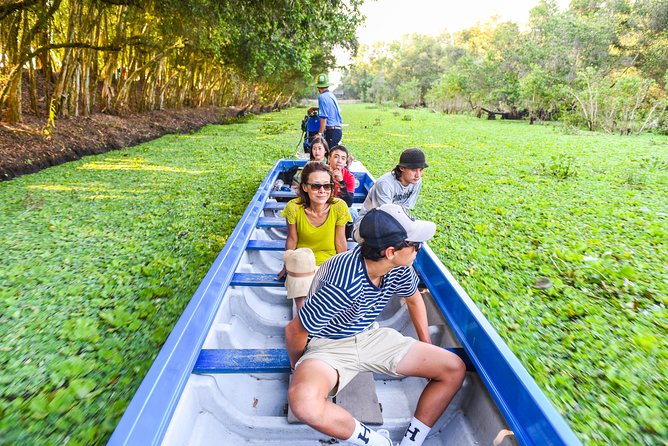
- Cai Be by boat and bike: riverside commerce views plus a dirt-trail bicycle ride through island countryside
- Cai Rang Floating Market + noodle-making stop: a classic Mekong scene with a behind-the-scenes food angle
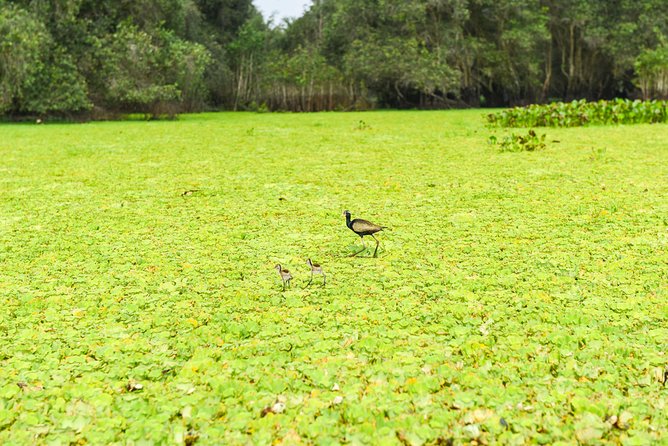
- Tra Su Forest Bird Sanctuary: mangrove wetland scenery that feels like another world from Saigon
- Khmer temples in the Mekong Delta: Munir Ansay (Khmer artistry) and Ba Chua Xu at Nui Sam
- Small group, big logistics handled: pickup, tickets, guides, transfers, and an optional fast-boat exit to Phnom Penh
The Mekong Delta to Phnom Penh Gateway: What You’re Really Getting
This tour is built for one main goal: seeing the Mekong Delta in a short window, then getting you toward Cambodia without you having to stitch together multiple tickets. For most visitors, that is the hard part. Here, you get an organized route from Ho Chi Minh City, down through key Mekong-area highlights, and then out via the Chau Doc meeting point if you choose the Phnom Penh continuation.
The tour is also priced in a way that makes sense if you want convenience. At $261 per person, you are paying for transportation coordination, an English-speaking local guide, boat rides, entry fees at listed stops, hotel or homestay-style accommodation (choice-dependent), and most meals. You are not just buying viewpoints; you are buying time and reduced hassle.
Just be realistic about style. This is not a slow countryside day with long lunch breaks and hours to wander. It is a tight, structured 3 days that favors coverage and river scenes over deep lingering. If that matches how you like to travel, you will probably feel satisfied by the end.
You can also read our reviews of more tours and experiences in Ho Chi Minh City
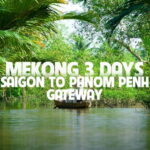
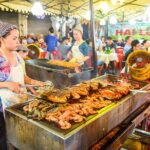
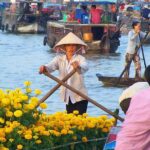
Day 1 in Cai Be: Antique House, Coconut Sweets, and Canals by Bike
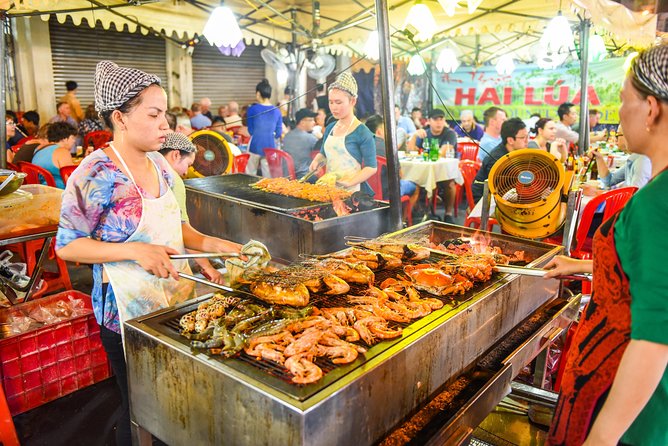
Day 1 starts with that early pickup from your Ho Chi Minh City hotel (centrally located, District 1, with exclusions for Tan Dinh and Da Kao wards). The itinerary then heads toward Cai Be, one of the most iconic ways to understand the Mekong’s mix of land and water life.
Your Cai Be day has three strong “texture” moments.
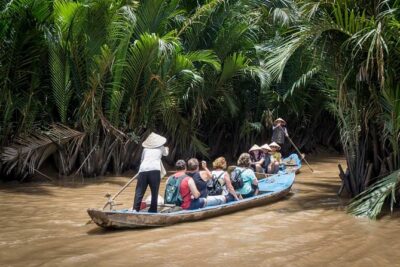
First, the river perspective. You take a boat journey on the Tien River, where you can watch how local waterway commerce works and how the area has changed over time. It is a good introduction to the delta’s rhythm: boats as transport, canals as streets, and markets as meeting points.
Second, the human-scale heritage stop: Nhà cổ Ông Kiệt. This is an antique house visit focused on Mekong Delta architecture and preservation. It helps slow things down just enough after the travel, and it gives you a sense of how families built and lived in this environment.
Third, the food and hands-on craft sequence around Tan Phong. You will see a family-run confectionery making coconut sweets and rice popcorn—simple ingredients, skilled technique. Then you shift into the narrower waterways with coconut palms and water lilies, followed by a garden-style lunch featuring tropical fruits and herbs. It is not fancy dining; it is the kind of meal that feels connected to where you are standing.
Then comes one of my favorite “energy” ideas on this itinerary: a bicycle ride after lunch. The route takes you on dirt trails through islands with palms, rice fields, and fruit groves. That makes the day feel less like transportation between stops and more like movement through the countryside.
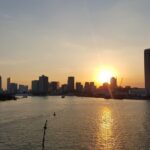
The day finishes with a more relaxed boat ride back toward Cai Be at sunset, then a private car transfer onward to Can Tho City for hotel check-in. Expect this first day to feel full, but it also gives you a nice foundation: river commerce, heritage, and daily food culture.
Practical note: you may see “free admission” listed for several stops, but the real value is that entry fees and boat parts are organized for you. Still, this is a good day to bring small cash for optional tipping and snacks—your timing will be your own, but the delta often runs on courtesy payments.
Day 2: Cai Rang Floating Market, Khmer Pagoda Art, and Tra Su Wetlands
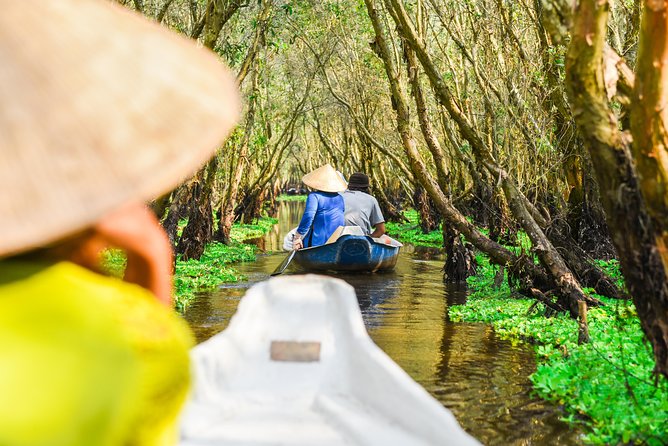
Day 2 leans into two things: food culture and ecology.
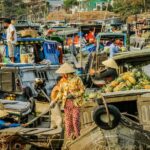
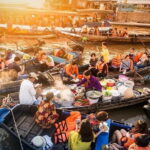
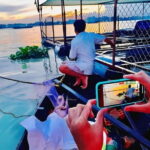
It begins around Cai Rang Floating Market with a boat excursion on the Bassac River, a tributary tied to the lower Mekong system. Floating markets are visual overload in the best way. You get the feel of boat-to-boat selling and buying—then you step into a land-based food workshop at a traditional noodle factory, watching how rice noodles go from raw ingredients to finished product using older methods.
That combination matters. Market scenes can be all spectacle. The noodle-making stop adds context: how the delta turns staple grains into everyday food.
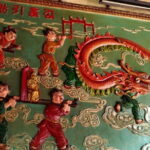
Next you move into the cultural layer with Munir Ansay Pagoda, described as a Khmer Buddhist temple. The focus here is on Khmer artistry on sacred grounds, including murals and detailed workmanship. For many people, this is one of the first times they notice how clearly different cultural threads meet in the delta region.
After that you head to Cồn Sơn, where you take a boat journey tied to community-led, eco-conscious tourism. This is less about iconic landmark photos and more about seeing how local groups organize craft and tourism together.
Then comes the highlight many people talk about: Tra Su Bird Sanctuary near Chau Doc. This area is known for mangrove forest and wetland ecology. You will have a dedicated exploration time after midday, and this is the kind of place where you slow down without being told to. Birds, water, and the mangrove structure change the whole mood of the day.
You wrap day 2 at Núi Sam with a temple visit at Ba Chua Xu (also listed as Mieu Ba Chua Xu Nui Sam). It is a pilgrimage site tied to a protective deity and is an important stop for understanding local beliefs in this part of Vietnam.
What to watch for on day 2: the pacing. You will hop between places that each have meaning, but you will not linger for hours. If you are the type who wants one or two sites deeply, this day may feel like it is trying to do everything. If you prefer variety and photo-friendly logistics, you will likely feel well served.
Day 3 in Chau Doc and Sam Mountain: Temples, Floating Villages, and Long Xuyên Food
Day 3 is where your trip becomes a gateway. The itinerary includes Chau Doc as both a cultural base and an optional pivot point for those continuing toward Cambodia.
If you choose the Phnom Penh exit, you will have a designated stop at the boat meeting point arranged for you. From there, the program includes a fast boat or bus ticket to Phnom Penh depending on real-time availability. If you choose to stay within Vietnam for the full tour, you still get a strong final day inside the Chau Doc area.
The first major stop is Hang Pagoda (Chùa Hang) on Sam Mountain. You ascend the mountain path through lush greenery, then reach a serene temple space. This stop gives you a break from water travel and adds a calm, walking element.
Then you head toward the Chau Doc floating village and the Cham Village. This is your chance to see shared heritage between the Cham people and the Mekong Delta region. Even if the time at each place feels short, it is a valuable cultural counterpoint after the market and sanctuary focus from earlier days.
You also get a taste of Long Xuyên food with a local restaurant meal. It is positioned as authentic Mekong Delta cuisine using fresh regional ingredients and traditional methods tied to the western provinces. In other words: it is not meant to be a tourist buffet; it is meant to be a “how this region eats” stop.
The day ends with a transfer back to Ho Chi Minh City. So this is not a one-way drop-off. You can think of it as a Mekong Delta sampler with an optional Cambodia jump.
If you have motion sensitivity, bring a strategy. Day 3 includes transfers and time on the move, even when there are scenic breaks. You will feel better if you pack for comfort: a hat, water, and something for sun protection, since much of this route is outdoors.
Guides, Group Size, and the Pace You Should Expect
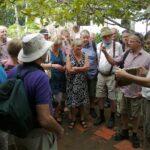
This is a group tour capped at 25 people, with a local English-speaking guide and scheduled pickup starting at 7:45 am. That small size matters. It helps with navigation, and it can make the day feel less like herding and more like “we’re all in this together.”
Guide quality is a recurring theme in the experience. Names like Sunny, John, Gordon, Tom Cruz, and Alex show up with praise for energy and clarity—particularly the way they keep the group moving while still explaining what you are seeing. In practice, that makes a huge difference on a multi-stop itinerary. If your guide is good, short stops feel purposeful. If your guide is less effective, short stops can feel like missed chances.
The main drawback to pace comes from the mix of vehicles. Some parts are by boat, but other stretches involve bus time. Several people note the feeling of constant travel and brief stops. That is not a dealbreaker, but you should expect it. If your ideal trip is slow and unstructured, this might not match.
One more realistic point: markets and craft stops can involve pressure to tip or buy. You can keep it simple: go in with a budget mindset, decide what you want to do ahead of time, and treat everything as optional.
Accommodation and Meals: What’s Included and What to Plan For
Accommodation is listed as twin or double share basic with 3-star hotel or similar, based on your choice. In some departures, a homestay-style bungalow option is part of the decision. That style can be charming, but it tends to mean basic comfort and fewer amenities than a standard hotel.
One review-style theme that matters for planning: comfort varies. Some cabins or bungalow nights have limited comfort features like air conditioning. On nights like that, you will want to bring a fan-friendly mindset: light clothing, a way to keep insects away, and earplugs if you are a light sleeper.
Food is more solid. Included meals include:
- Dinner (included)
- Breakfast (2)
- Lunch (2)
- Mineral water (1 bottle/day)
Other meals are not included, so you should plan for snacks if you get hungry outside the scheduled meals. The lunch and dinner you do get are typically designed to reflect local ingredients and cooking methods, not just convenience.
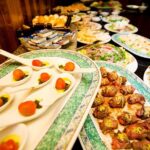
Meal quality also looks like it can vary by stop. Some meals are served in a garden or local setting with tropical fruits and herbs; others may be more basic. Either way, you will likely eat well enough to keep energy up for a packed schedule.
Price and Value at $261: Is It a Good Deal?
At $261 per person, this tour sits in a mid-range category for multi-day Mekong Delta experiences. The value comes from how much is handled for you: pickup, guide, entry fees for listed sites, boat trips, and transfers, plus hotel or homestay accommodation and most meals.
If you tried to do this yourself, you would spend time coordinating:
- transport out of Ho Chi Minh City,
- boat tickets on the right segments,
- a floating-market timing plan,
- temple/attraction entry,
- and the Cambodia gateway logistics if you want Phnom Penh.
That coordination time is often the hidden cost of independent travel. Here, you trade flexibility for organization.
The best value comes if you like seeing a lot in a short window and you trust the guide to keep the schedule on track. The weaker value comes if you already have strong plans and prefer to linger. If you want long quiet mornings and extra downtime between sites, you might find you paid for movement rather than meaningful time.
In short: it is good value if you want a curated (but still local) route and you are okay with a packed day.
How to Prepare: Small Packing and Behavior Tips That Pay Off
Since this route is a mix of boats and vehicles, a little prep makes the whole trip smoother.
Bring:
- A hat and sunscreen for sun-heavy boat and outdoor segments
- Light rain protection, since tropical weather can shift fast
- A refillable bottle plus your own snacks for gaps between meals
- A small power bank (not every bus stop is ideal for charging)
- Cash in small bills for tips and optional snacks
Behavior-wise, keep expectations steady. You will likely encounter market areas where buying is encouraged and where you may be asked about tipping boat-related helpers (rowers/boat drivers). You do not have to overdo it. A simple approach works: tip what you feel is fair, and say no to extras if you already planned your budget.
If you choose a homestay night, pack accordingly: basics like a headlamp, mosquito repellent, and light layers. Basic accommodation can be part of the fun, but only if you treat it like part of the experience, not a comfort guarantee.
Should You Book This Mekong Delta Gateway Tour?
I think this tour is a solid choice if you want the Mekong Delta highlights in a short window and you prefer having transport and tickets handled. It is especially attractive if you care about:
- floating-market scenes (Cai Rang),
- coconut-canals and island countryside (Cai Be and Tan Phong),
- Tra Su wetland nature near Chau Doc,
- and a smooth path onward toward Phnom Penh via the fast-boat option.
Skip it if your travel style is slow, quiet, and you hate schedules. The days are full, and the “stop for a while, then move again” rhythm can feel like motion more than immersion.
If you do book: go in with a flexible, good-mood attitude, keep your personal spending on a short leash at markets, and let the guide’s explanations shape your view of what you are seeing. For $261, that combination is usually a win.
FAQ
What time does the tour start?
The tour start time is 7:45 am.
Do you get picked up from your hotel in Ho Chi Minh City?
Yes. There is hotel pickup for centrally located hotels in District 1, except Tan Dinh ward and Da Kao ward.
Can I continue on to Phnom Penh from this tour?
Yes. The itinerary includes an optional exit to Phnom Penh with a fast boat (if chosen) and a fast boat or bus ticket depending on real-time availability.
What meals are included during the 3 days?
The tour includes dinner, breakfast (2), and lunch (2). Mineral water is also included (1 bottle per day).
What accommodation is provided?
Accommodation is based on twin or double share basic with a 3-star hotel or similar. The program notes that accommodation is based on your choice.
Do I need a Cambodia visa?
Visa to Cambodia is not included.
Do I need to provide passport photos for Phnom Penh?
Yes. To complete the booking procedure for the boat service to Phnom Penh, you must provide a passport photo of each traveler before departure.
Is there a vegetarian option?
Yes. A vegetarian option is available if you advise the operator at booking.
How large is the group?
The tour has a maximum group size of 25 people.
Is free cancellation available?
Yes. You can cancel for a full refund up to 24 hours in advance of the experience start time. If you cancel less than 24 hours before, the amount paid will not be refunded.