REVIEW · HO CHI MINH CITY
Ho Chi Minh City Full-Day Farm trip with Healthy Cooking Class
Book on Viator →Operated by Western Asian Travel Service · Bookable on Viator
That morning smell of herbs beats any city tour. This full-day farm-to-table experience pairs an organic farm visit with a hands-on cooking class, plus plenty of eating. I like the small group size, and I especially like how you actually gather ingredients before you cook.
The one thing to keep in mind: the cow-milking promise can be inconsistent, and at least one participant noted no cow-milking and no t-shirt. If you’re coming for the full farm fantasy, do a quick check with the operator the day before.
In This Review
- Key highlights worth planning for
- What you really get for the $73
- The morning start: 8:00am pickup and getting your appetite right
- Organic farm visit: animals, nutrition lessons, and real ingredient reality
- The rice paper factory stop: where the meal’s base starts
- Ingredient picking: hands-on prep that makes the cooking class click
- The cooking class: prawn wraps, papaya salad, banana spring rolls
- Lunch and eating what you just made
- Guides and teaching style: small group attention really matters
- Best pairings: Cu Chi tunnels and a day that feels bigger than 8 hours
- Who this tour is best for (and who may want to adjust expectations)
- Potential snags: cow-milking and t-shirt details (and how to handle them)
- Should you book this farm-to-table cooking class?
- FAQ
- FAQ
- How long is the Ho Chi Minh City full-day farm trip and cooking class?
- What time does the experience start?
- Is hotel pickup offered in Ho Chi Minh City?
- What is the group size limit?
- What dishes will I learn to make?
- Is lunch included?
- What beverages are included, and what is not?
- Is there a mobile ticket?
- Will I receive recipes or written materials?
- What is the cancellation timeframe?
Key highlights worth planning for
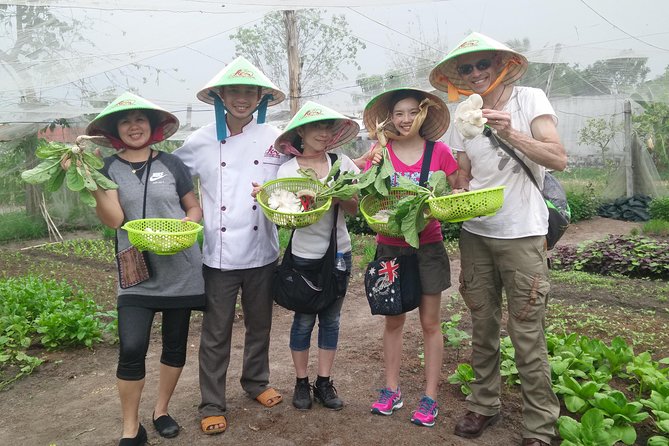
- Hands-on cooking: you make your own prawn wraps, papaya salad, and banana spring rolls
- Small group (max 8): easier questions, more time at the prep stations
- Farm time first: meet animals and see how people care for them
- Rice paper factory visit: watch the process tied to what you’ll eat
- Balance lesson (yin and yan): you learn how chefs think about flavor, texture, and harmony
- Recipes + certificate: you leave with written instructions for at-home cooking
What you really get for the $73
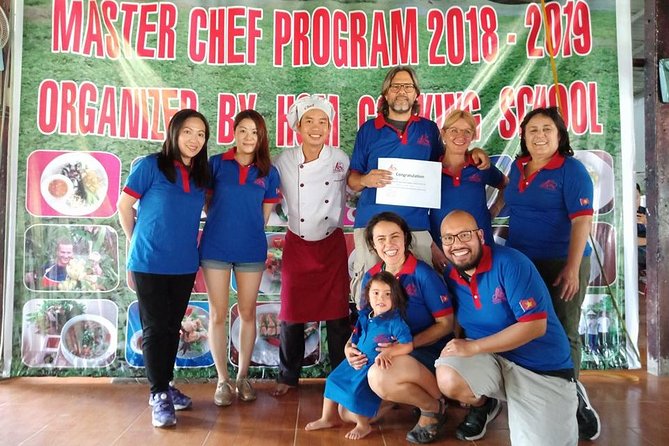
At $73 per person for about 8 hours, this tour aims to be more than a cooking demo. You’re paying for two big things: a real farm visit (not just a photo stop) and a full, hands-on class where you make the meal. Lunch is included, along with bottled water and coffee/tea, which matters because cooking classes often end up charging extra once you’re hungry.
The value is also in the pacing and access. With a maximum of 8 people, you’re not rushing through stations while someone shouts over you. You’ll get practice on the core Vietnamese flavors and techniques, not just a recipe sheet you never use again.
One more value point: you leave with recipes and a certificate. That sounds like paperwork until you realize it gives you a real way to recreate what you cooked, not vague memories.
You can also read our reviews of more city tours in Ho Chi Minh City
The morning start: 8:00am pickup and getting your appetite right
The day starts at 8:00am, and pickup is offered from your Ho Chi Minh City hotel. Transport is by private vehicle, so you’re not packed into a shared van with strangers who are already scanning for snacks.
You’ll also get coffee/tea during the experience and bottled water along the way. That’s handy, because farm days can mean more movement than you expect, and you’ll want to stay hydrated without buying drinks constantly.
Here’s the practical tip that came through clearly: don’t eat a big breakfast right before pickup. One solo participant said it was a rookie mistake, because there’s a lot of food during the day. If you arrive hungry, you’ll enjoy the whole experience instead of fighting your own lunch.
Organic farm visit: animals, nutrition lessons, and real ingredient reality
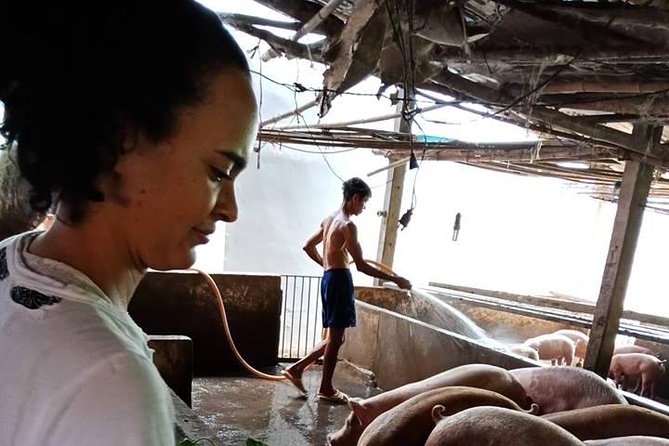
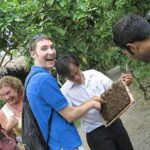
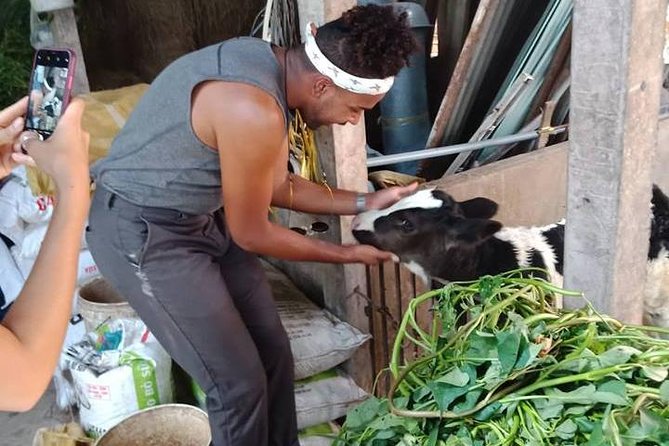
This trip is built around a farm-to-table idea, and the farm part isn’t treated like a quick photo break. You’ll walk the area, meet the animals, and see how they’re fed and cared for. The point isn’t just cuteness—it’s learning what fresh food starts with, and why that freshness changes the way dishes taste.
You’ll also get time around the organic growing setup, where you learn how different plants connect to nutrition. The class emphasizes nutrition from various plants, plus the practical “why” behind ingredients—so you start cooking with intention, not autopilot.
You may also encounter specific garden details that stood out to people before, like an oyster mushroom growing setup that the team explained in a way that actually made sense. If you like learning how ingredients are produced, this is the kind of bonus you’ll appreciate.
Fresh fruit on the farm is part of the day too. It’s a small thing, but it helps you understand flavor at the ingredient level before you mix anything into sauces.
The rice paper factory stop: where the meal’s base starts
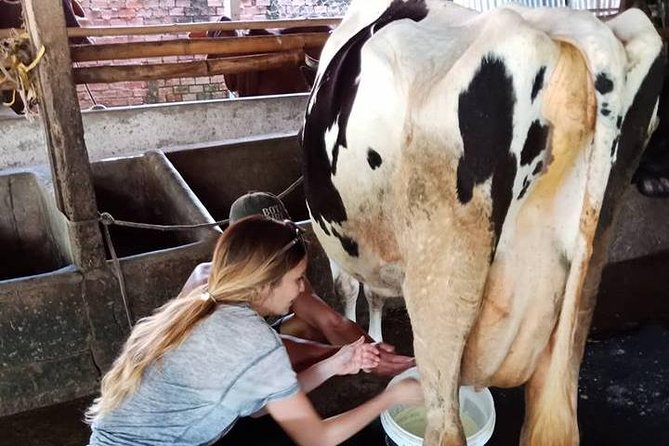
One of the smarter parts of this experience is the rice paper factory visit. You don’t just cook with rice paper—you see how it’s made, which makes the whole wrap process feel less mysterious.
That matters because rice paper is one of those ingredients that can go wrong fast at home. Watching the process helps you understand how it behaves, what it’s supposed to do when softened, and why timing and moisture control change the final result.
Even if you’re not a “food nerd,” this stop turns cooking into something you can replicate. You’ll have a clearer mental picture when you’re rolling and eating later.
Ingredient picking: hands-on prep that makes the cooking class click
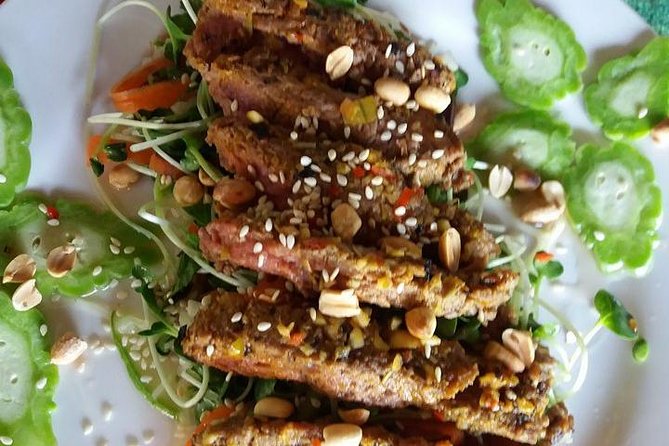
A big theme here is 100% hands-on cooking, and the day supports that by letting you pick ingredients yourself. You’ll gather what you need for the dishes—so you know the difference between the herbs, greens, and textures you’re using.
The picking part is also where you get better at reading ingredients. It’s one thing to buy vegetables at a market; it’s another to choose them from a garden, then learn what they contribute to the dish.
If you want one “transferable skill” from the tour, this is it. Ingredient picking and handling builds your confidence for cooking at home, because you stop relying on the exact same store and start thinking in terms of flavor and function.
You can also read our reviews of more cooking classes in Ho Chi Minh City
The cooking class: prawn wraps, papaya salad, banana spring rolls
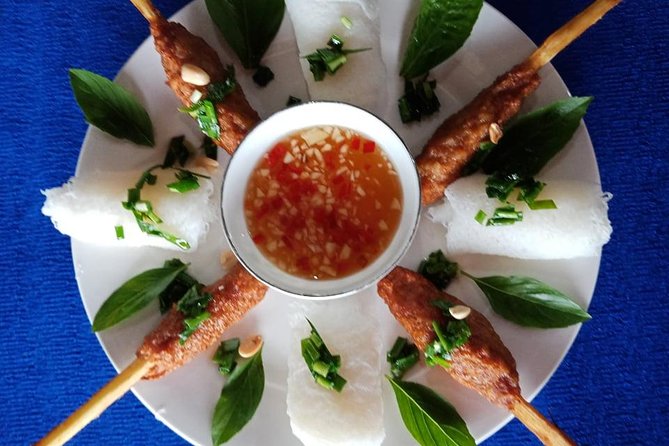
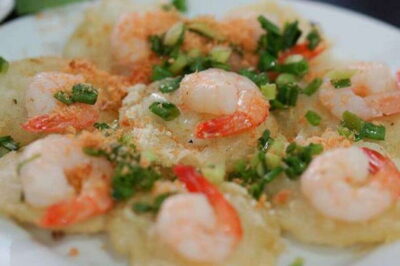
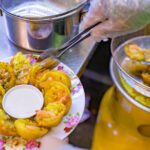
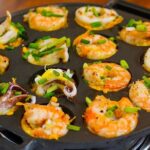
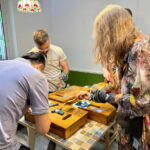
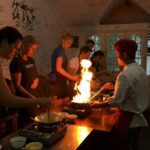
After the farm and factory time, you settle into the cooking portion of the day. It’s described as a three-course class, and the dishes you’ll create include prawn wraps, papaya salad, and banana spring rolls.
This is where the small-group setup pays off. You’re not just watching; you’re working at your own pace with guidance. Many people also highlighted the team’s English, which helps when you’re learning technique and not just listening to instructions.
One of the most useful lessons is the idea of balance—often explained through yin and yan. In practice, that translates into learning how Vietnamese and Asian dishes aim for harmony: not only taste, but also balance across sour, salty, sweet, and freshness. Even if you don’t use the terms at home, you’ll understand what the chef is correcting when something tastes “off.”
If your group gets Chef Linh or Chef Tan or a guide like Dante or Alice Doan (names that show up in past experiences), you’ll likely notice a similar pattern: ingredient talk first, then hands-on cooking, then shared eating. That keeps the day from turning into a worksheet.
Lunch and eating what you just made
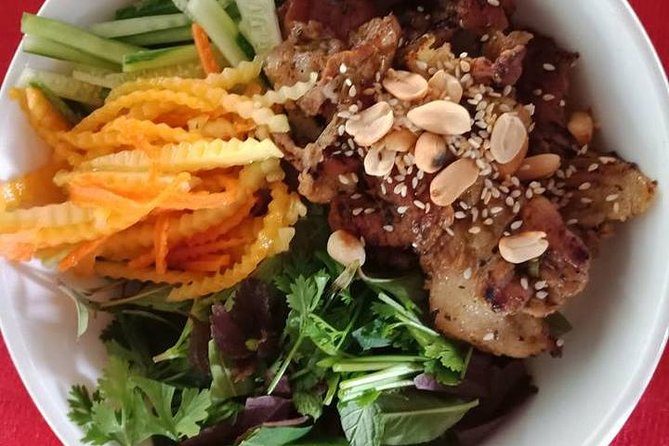
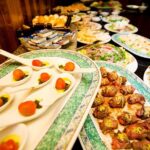
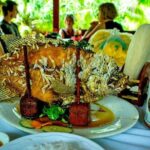
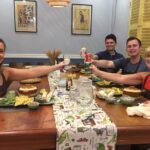
Lunch is included, and the day is structured so you’re cooking and then eating your work. Expect to spend real time at the table, not just a quick bite for photos.
The experience leans into the satisfaction of “your labour,” meaning you’ll actually feel proud when the food comes together. It’s not glamorous in the city-dining sense, but it’s the kind of meal that feels earned.
And yes: the food quantity can surprise you. If you follow the advice to avoid a heavy breakfast, you’ll enjoy the meal instead of feeling stuffed before the cooking is even finished.
Guides and teaching style: small group attention really matters
The difference between a good cooking class and a great one is attention. Here, the team runs it like a small workshop, which is why people kept mentioning how professional the school felt and how easy it was to communicate with the chefs and guides.
For example, Chef Tan and Sue were described as running a professional cooking school, with strong English and a focus on farm-to-table context. Other people mentioned guides like Alice Doan, Chef Linh, and Dante by name—each experience noted how helpful the explanations were and how enjoyable the day felt.
So what should you do with this information? Go in with questions. If you’re curious about why a sauce tastes a certain way or why a wrap technique matters, ask it. The format makes that possible.
Best pairings: Cu Chi tunnels and a day that feels bigger than 8 hours
If you’re also interested in Vietnam history, this class pairs nicely with the Cu Chi tunnels idea. One participant specifically recommended combining the day with the tunnel tour because the logistics felt smooth and the interests matched: morning farm freshness, later on something completely different.
The wider value of pairing is pacing. A cooking class teaches you something you can carry home. Cu Chi (or any other major sight) anchors your trip in Vietnam’s broader story. Together, you get both texture and context.
Just don’t stack too much. You’re looking at a full day with movement, picking, cooking, and eating, and you’ll want time to decompress afterward.
Who this tour is best for (and who may want to adjust expectations)
This experience is ideal if you want a Vietnamese cooking class that doesn’t stay trapped in a kitchen. You’ll enjoy it most if you like food learning that starts at the farm—seeing animals, walking the growing areas, and connecting those inputs to finished dishes.
It also works well if you’re traveling solo. One person said they ended up with a private trip because no one else booked that day, which is a nice bonus when you get one-on-one attention.
If you’re the type who hates mess or physical steps, adjust expectations. This is a farm day, so you should expect some hands-on work and outdoor conditions.
And if you’re coming specifically for cow milking, read the room carefully. The experience description suggests it, but at least one participant reported there was no chance to milk cows. That doesn’t mean it never happens, but it does mean you shouldn’t base your entire motivation on it.
Potential snags: cow-milking and t-shirt details (and how to handle them)
Here’s the honest part. The tour description talks about trying milking a cow, but one review said there wasn’t an opportunity to milk cows, and they also mentioned no t-shirt. That means two things for you: plan for the farm experience, and treat cow-milking and t-shirt as optional extras, not guaranteed highlights.
If t-shirts matter to you as a souvenir, ask ahead. A quick message before the day can prevent disappointment.
Also, match your meal timing. If you arrive with a full stomach, the cooking and lunch can feel like too much. If you arrive hungry (but not reckless), the food feels like a reward instead of a challenge.
Should you book this farm-to-table cooking class?
I’d book it if you want a practical Ho Chi Minh City food day—part farm walk, part rice paper learning, part real cooking practice—and you like the idea of leaving with recipes you’ll actually use. The small group size and the hands-on format are the biggest reasons to choose this over a standard cooking tour.
I’d think twice only if you’re mainly chasing one specific farm activity like cow milking or if you’re sensitive to outdoor, hands-on mess. In that case, message the operator to confirm what’s currently available on the farm that day.
If you get the balance lesson right, the dishes you cook can become your shortcut to Vietnamese flavor at home: crisp, fresh, tangy, and made from ingredients you understood before you chopped them.
FAQ
FAQ
How long is the Ho Chi Minh City full-day farm trip and cooking class?
It’s listed as about 8 hours.
What time does the experience start?
The start time is 8:00am.
Is hotel pickup offered in Ho Chi Minh City?
Yes. Hotel pickup and drop-off are included.
What is the group size limit?
The experience has a maximum of 8 travelers.
What dishes will I learn to make?
You’ll create prawn wraps, papaya salad, and banana spring rolls.
Is lunch included?
Yes, lunch is included.
What beverages are included, and what is not?
The tour includes bottled water and coffee and/or tea. Drinks are not included otherwise.
Is there a mobile ticket?
Yes, the experience uses a mobile ticket.
Will I receive recipes or written materials?
Yes. You receive recipes, and you also get a certificate.
What is the cancellation timeframe?
Free cancellation is available up to 24 hours before the experience’s start time for a full refund.