REVIEW · HO CHI MINH CITY
Ho Chi Minh: 3-Day Mekong Delta & Optional Exit to PhnomPenh
Book on GetYourGuide →Operated by MILLENIUM TRAVEL CO.,LTD · Bookable on GetYourGuide
The Mekong moves fast when you follow locals. This 3-day route turns Ho Chi Minh City into a base for Cai Rang Floating Market color and Tra Su Mangrove Forest calm, plus plenty of village time and food stops along the way. You get riverside cruising, hands-on activities, and cultural visits without having to plan every turn yourself.
The trade-off is pace. Days start early, and the schedule can feel full, especially on the second day when there’s a lot packed in before you settle into Chau Doc.
In This Review
- Key highlights worth planning for
- From Saigon to the Delta’s Real Backroads
- Day 1: Cai Be orchards, canals, cooking, and Ba Kiet’s historic house
- Cai Be river cruising and orchard villages
- Paddle time and the feel of the canals
- Hands-on cooking plus island cycling
- Ba Kiet’s historic house
- Day 2: Cai Rang Floating Market, noodle workshop, and Munir Ansay Pagoda
- Cai Rang Floating Market early morning
- Family-run noodle workshop
- Munir Ansay Pagoda: Khmer culture in Can Tho
- Fruit plantation stop and onward to Chau Doc
- Tra Su Mangrove rowing in Chau Doc: the calm contrast
- Rowing through Tra Su Mangrove Forest
- Dinner and the end of the day
- Day 3: Floating villages, Cham heritage, and the Phnom Penh exit option
- Chau Doc floating village and Cham Village
- Breakfast, then choose: back to Ho Chi Minh City or continue to Phnom Penh
- Hotels and meals: what you’re really paying for
- Meal quality and flexibility
- Hotel trade-offs
- Price and value: is $261 a fair deal?
- 1) You’re buying logistics, not just sightseeing
- 2) You’re paying for guided local access
- 3) You’re getting included meals and hotels
- Pickup, timing, and what to pack for a smooth start
- Meeting point and pickup zone
- What to bring
- Dressing for pagodas and comfort on boats
- Who should book this Mekong Delta trip?
- Should you book this Mekong Delta + optional Phnom Penh exit?
- FAQ
- FAQ
- What time do I meet the guide in Ho Chi Minh City?
- Is hotel pickup available for this tour?
- What is included in the price?
- How does the Phnom Penh exit work?
- Do I need visas for Vietnam and Cambodia?
- What should I wear for pagoda visits?
- Can I get a refund if I cancel?
Key highlights worth planning for
- Cai Be’s Tien River cruising plus orchard villages: less postcard, more real daily rhythm
- Cai Rang Floating Market: one of the Delta’s best early-morning shows
- Munir Ansay Pagoda in Can Tho: Khmer culture in a Mekong setting
- Tra Su Mangrove rowing: quiet boat movement through a living wetland
- Chau Doc floating village and Cham heritage: a different cultural lens than the usual Vietnam-only route
- Optional Phnom Penh exit: fast boat or (sometimes) bus back out of the Delta
From Saigon to the Delta’s Real Backroads
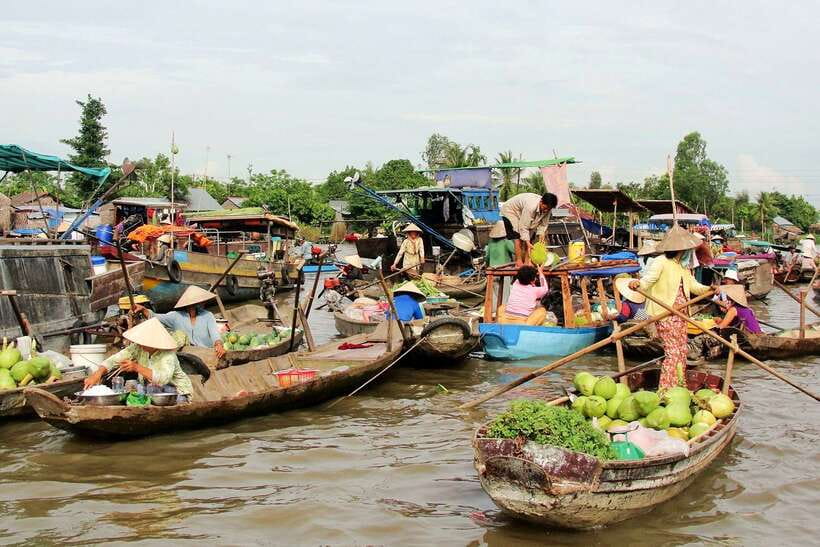
I like Mekong trips that do more than point at scenery. This one is built around motion: you ride boats, paddle canals, cycle short stretches, and shift between towns (Cai Be → Can Tho → Chau Doc). That movement matters, because the Delta isn’t one place. It’s a whole network of rivers, gardens, and communities.
You’ll spend two nights in 3-star hotels, one in Can Tho (West Hotel or similar) and one in Chau Doc (Paris Hotel or similar). Rooms are twin/double share, so it’s a good match if you’re traveling with a partner or want to avoid single-supplement pricing.
You can also read our reviews of more tours and experiences in Ho Chi Minh City
Day 1: Cai Be orchards, canals, cooking, and Ba Kiet’s historic house
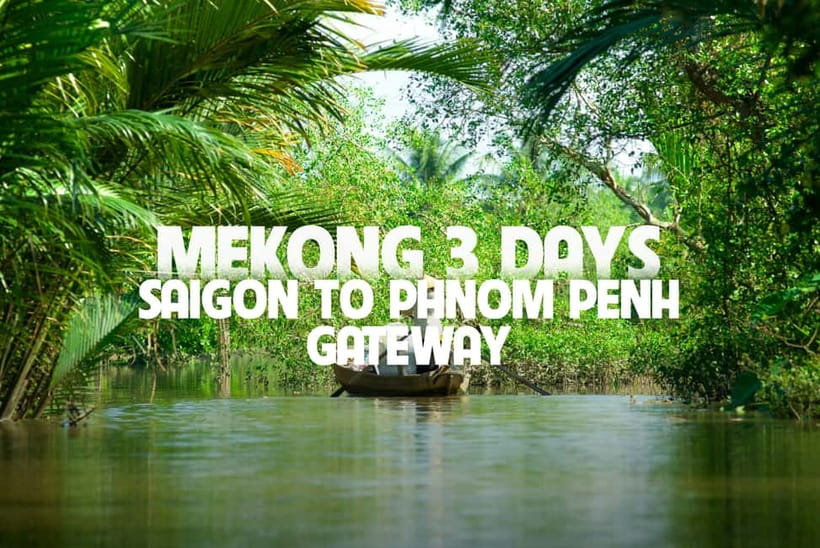
Your day begins with pickup in Ho Chi Minh City if your hotel is in the central District 1 pickup zone. Then you head out toward Cai Be, a calmer part of the Delta that’s known for orchards and older riverside houses.
Cai Be river cruising and orchard villages
The tour starts with a cruise along the Tien River, then shifts into village exploring. This is where Cai Be feels different from the flashier floating-market days. You’re walking through orchard areas, seeing traditional houses, and getting small moments that feel like everyday life rather than a stage set.
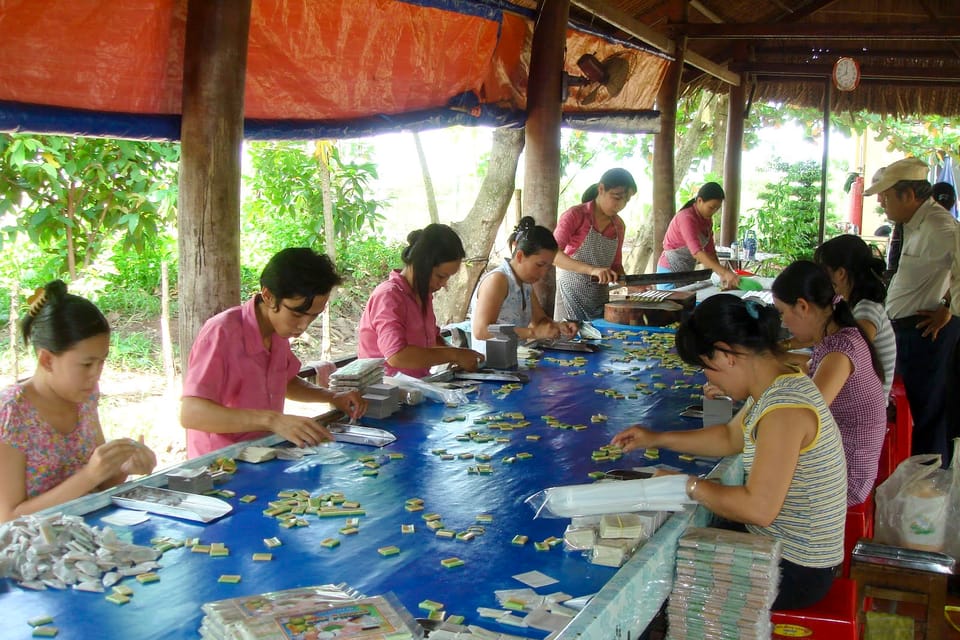
One of the fun parts here is the food-and-culture texture: you’ll sample local products like coconut fudge, and you may catch Southern Vietnamese folk music during the slower stops. Even if you’re not a foodie, these small tastings help you understand what people actually make and trade.
Paddle time and the feel of the canals
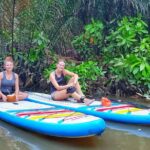
After the river, the route includes paddling through canal scenery. It’s not just for photos. Sitting low and moving slowly gives you a better sense of how the Delta works—homes and work are arranged around water routes, not roads.
Hands-on cooking plus island cycling
Lunch includes a hands-on cooking experience in a local garden. This is one of the itinerary choices I like most because it gives you a practical memory. You go from watching to doing, and you’ll usually taste what you help prepare afterward.
Then you explore the island by bicycle. It’s short enough to stay comfortable, but it’s long enough that you’ll feel like you’re in the neighborhood, not just passing through it.
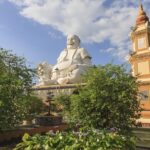
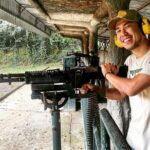
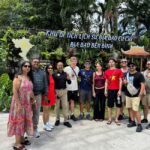
Ba Kiet’s historic house
You’ll also visit Ba Kiet’s historic house—one of those places where the Delta’s wealth and architecture show up in a concrete way. The value isn’t only the building. It’s what the guide connects to it: settlement patterns, family life, and how river commerce shaped what people built.
Then you transfer onward to Can Tho, check into your hotel, and get a more restful evening.
Day 2: Cai Rang Floating Market, noodle workshop, and Munir Ansay Pagoda
Day 2 is where the Mekong really turns theatrical—in a good way.
Cai Rang Floating Market early morning
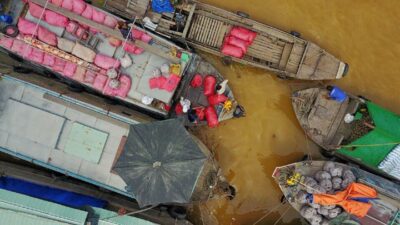
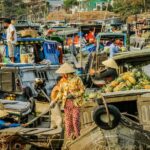
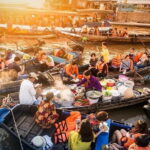
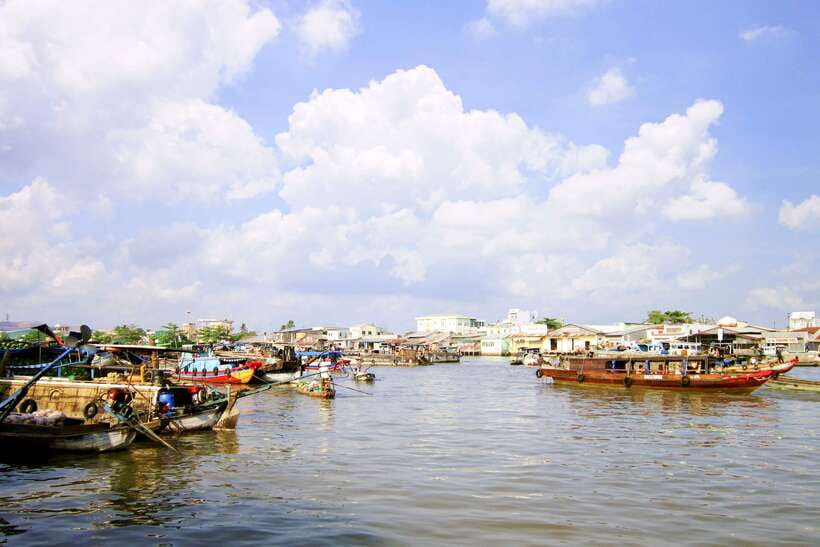
You’ll start at Cai Rang Floating Market, a major Delta scene with boats, busy sellers, and the visual rhythm of daily trading. The key is timing. The tour is set up to get you there early enough to catch the market at its most active.
I’d put this on your must-do list even if you’ve seen a floating market elsewhere. Cai Rang has a specific feel: it’s less like a theme park and more like a working system with lots of movement and noise.
Family-run noodle workshop
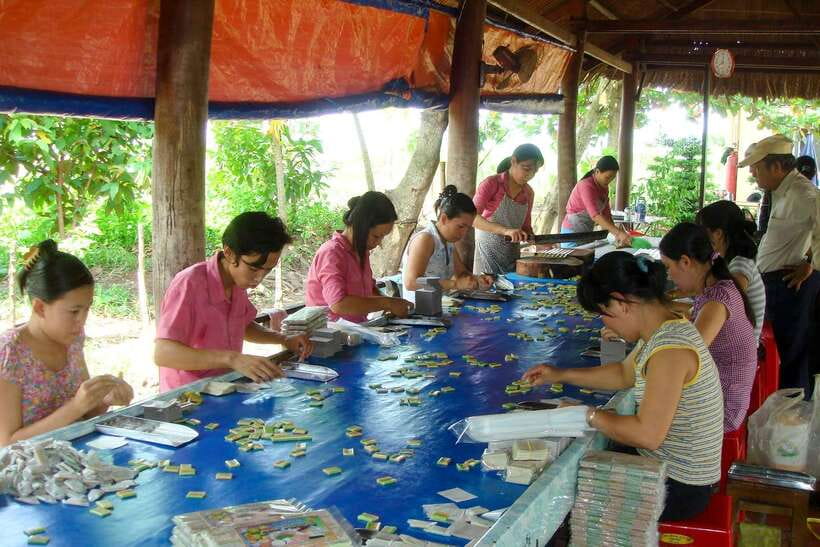
Next comes a family-run noodle factory workshop. This part is valuable because it explains the Delta as a food economy, not just a tourist route. Watching how noodles get made (and seeing how small businesses operate) gives you a clearer picture of what local families rely on.
Munir Ansay Pagoda: Khmer culture in Can Tho
In Can Tho, you also visit Munir Ansay Pagoda. This is your cultural counterweight to the market energy. You’re seeing Khmer influences in a place where Vietnamese and Khmer histories overlap.
A practical note: for pagoda visits, you’ll want clothes that cover shoulders and knees. Bring something you’re comfortable moving in too.
Fruit plantation stop and onward to Chau Doc
Later, you enjoy fresh seasonal fruits at a plantation before traveling to Chau Doc. This works as a decompression moment. You’ve had boats and crowds, then you get something slower and lighter before the nature day begins.
Tra Su Mangrove rowing in Chau Doc: the calm contrast
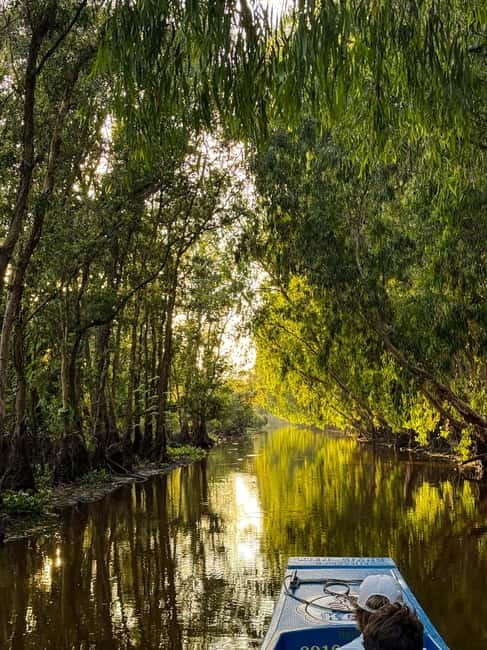
Once you reach Chau Doc, the itinerary shifts from markets and workshops to nature.
Rowing through Tra Su Mangrove Forest
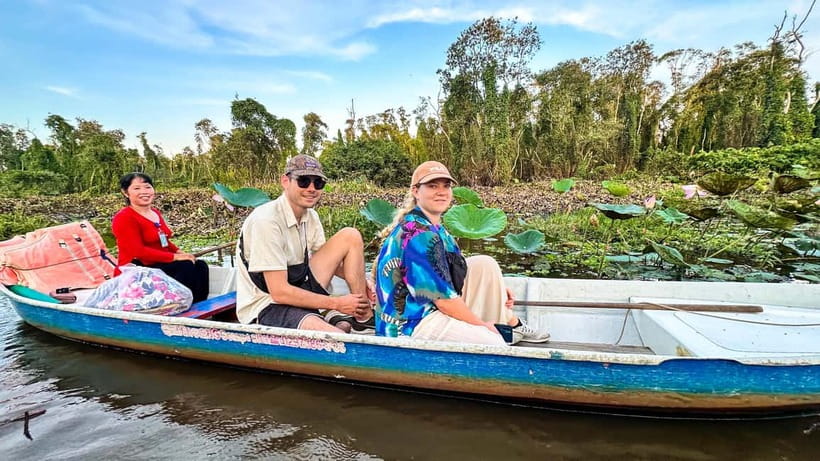
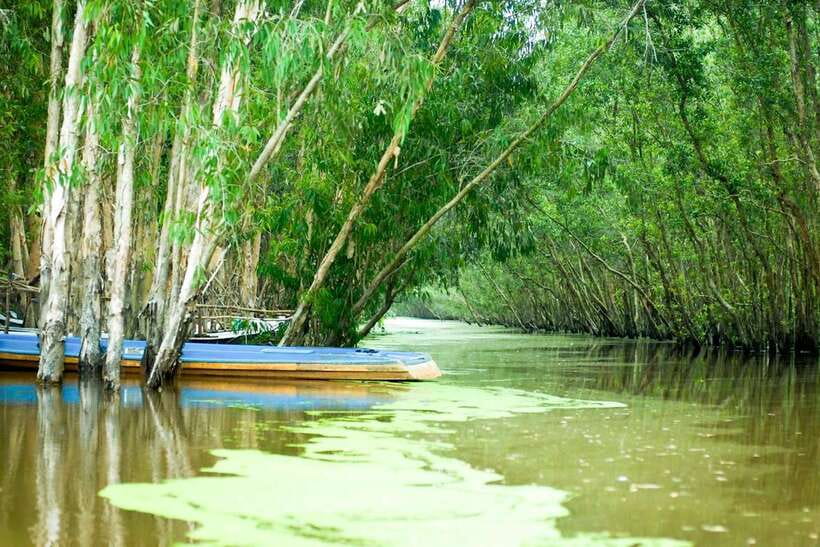
The highlight is Tra Su Mangrove Forest, explored by rowing boat. You move slowly through water channels in a lush wetland area, and the whole place feels quieter than the morning market.
The “why it works” factor is this: the rowing format changes your perspective. You don’t look at the forest from a distance. You’re right there at water level, watching wildlife and noticing how vegetation grows in layered patterns.
Dinner and the end of the day
You’ll have dinner on this side of the itinerary. Meals are included as part of the tour (with a set menu for one dinner), and past guests have specifically praised how well food is handled, including vegetarian-friendly adjustments when arranged ahead.
If you’re sensitive to long days, this is also the part where you’ll feel the day catch up to you. The sights are worth it, but you’ll want an early night.
Day 3: Floating villages, Cham heritage, and the Phnom Penh exit option
Your final day leans into community life.
Chau Doc floating village and Cham Village
You’ll visit floating villages in the Chau Doc area, then go to a Cham Village. This is a strong cultural combo: water-based living on one hand, and a different ethnic heritage on the other.
Why I think this matters: many Mekong itineraries focus heavily on rivers and crops. This one also gives you a human story—how people adapt their identity, food, and daily routines to water life.
Breakfast, then choose: back to Ho Chi Minh City or continue to Phnom Penh
After breakfast, you have the fork in the road.
- Return comfortably to Ho Chi Minh City, or
- Take the fast boat transfer to Phnom Penh (subject to availability)
If you choose the Phnom Penh option, know that the boat transfer can be replaced by a bus transfer depending on real-time conditions. Either way, you’re meant to leave the Delta with the hardest logistics handled for you.
Some feedback notes that the Phnom Penh speedboat ride can take around five hours, and that there’s a usable setup on board (including toilets and the chance to buy drinks). Border handling can also feel smoother because staff and guides help with the steps—one common pattern is that you don’t have to figure everything out alone.
Hotels and meals: what you’re really paying for
This trip is priced at $261 per person and includes a lot that most solo-planning costs add up quickly.
You get:
- 3-star hotel stays for two nights (Can Tho and Chau Doc)
- 2 breakfasts, 2 lunches, and 1 dinner
- Entry fees
- Boat trips inside the Delta
- A professional English-speaking guide
- And the optional transfer out to Phnom Penh
Meal quality and flexibility
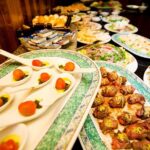
I pay attention to meals on tours like this because the Delta can mean simple dishes—or it can mean solid, well-timed restaurant choices. In multiple pieces of feedback, guides were praised for managing food needs, including vegetarian preferences. If you eat vegetarian, it’s worth making your needs clear at booking so the guide can plan accordingly.
Hotel trade-offs
This is not luxury travel. It’s 3-star, twin/double share. Still, the accommodations have generally been described as better than expected by many guests, with some exceptions in individual cases (for example, a report of missing hot water). If you’re picky about bathrooms, don’t assume everything will feel identical room to room.
Price and value: is $261 a fair deal?
For me, the value here comes from three things you’d struggle to stitch together yourself in a short time.
1) You’re buying logistics, not just sightseeing
Getting between Cai Be, Can Tho, Chau Doc, plus water-based activities, usually means you need multiple transport modes and timing. Here, bus/van transfers and the boat segments are handled as a package.
2) You’re paying for guided local access
The cultural stops (like Munir Ansay Pagoda) and the workshop-style experiences are the kind of things that can be hard to find or arrange without local help. The guide is also the person who keeps you on schedule for early market timing.
3) You’re getting included meals and hotels
When your nights and key meals are included, the per-day cost becomes much easier to justify. You’re also not constantly hunting for lunch spots while moving between towns.
And bonus: the optional Phnom Penh exit can turn this into a smart “one transition” day between countries, rather than making you plan a separate Cambodia transfer.
Pickup, timing, and what to pack for a smooth start
Small details make or break early-morning tours, and this one starts by being specific.
Meeting point and pickup zone
You meet your guide between 07:30–07:45 AM at 112 Tran Hung Dao Street, Ben Thanh Ward, District 1, Ho Chi Minh City, looking for the TNK Travel sign.
Pickup is optional only for hotels in the central District 1 areas, including Saigon Ward, Ben Thanh Ward, and Cau Ong Lanh Ward. It excludes some streets and Tan Dinh Ward. If your hotel isn’t in the pickup zone, plan to get yourself to the meeting point.
What to bring
Bring:
- Passport
- Comfortable shoes
- Sunglasses
- Sun hat
Dressing for pagodas and comfort on boats
Cover shoulders and knees for temple visits. Also, wear clothes that can handle sun and humidity, and expect you’ll be on boats or in water-area heat.
Who should book this Mekong Delta trip?
This is a great choice if you:
- Want a first-time-friendly way to see major Delta areas fast
- Like food stops, workshops, and cultural visits (not only scenery)
- Enjoy being on the move: boats, short cycling, and canal paddles
It may not fit if you:
- Have mobility limitations, or you need wheelchair access
- Are pregnant, have heart problems, or want to avoid long travel days
- Prefer a slow, flexible pace with lots of downtime
Also note the rules: pets aren’t allowed, oversize luggage isn’t allowed, and smoking is not permitted.
Should you book this Mekong Delta + optional Phnom Penh exit?
If you’re short on time and you want the Delta’s biggest contrasts—markets, pagoda culture, mangrove calm, and community living—this tour is a strong package.
My recommendation: book it if Phnom Penh is on your plan. The optional transfer can save you serious time and stress. If Cambodia isn’t in your plans, it’s still a solid Mekong sampler, but you’re paying for the full route and early starts.
If you hate packed schedules, consider being mentally ready for early mornings and a full second day. The payoff is that you’ll see more than you could comfortably assemble in three days on your own.
FAQ
FAQ
What time do I meet the guide in Ho Chi Minh City?
You meet between 07:30 and 07:45 AM at 112 Tran Hung Dao Street, Ben Thanh Ward, District 1. Look for the TNK Travel sign.
Is hotel pickup available for this tour?
Pickup is optional and only for hotels located in central District 1 areas, including Saigon Ward, Ben Thanh Ward, and Cau Ong Lanh Ward. Some streets and Tan Dinh Ward are excluded.
What is included in the price?
The tour includes transportation by air-conditioned bus or van, Mekong Delta boat trips, a professional English-speaking guide, entry fees, 2 hotel breakfasts, 2 lunches, 1 dinner (set menu), and shared 3-star hotel accommodations in Can Tho and Chau Doc.
How does the Phnom Penh exit work?
You can opt for a fast boat or bus ticket to Phnom Penh, subject to availability. The boat transfer may be replaced by a bus transfer depending on real-time conditions.
Do I need visas for Vietnam and Cambodia?
Yes. Vietnam and Cambodia entry visas are not included.
What should I wear for pagoda visits?
Dress appropriately so your shoulders and knees are covered.
Can I get a refund if I cancel?
Yes. Free cancellation is available up to 24 hours in advance for a full refund.