REVIEW · HO CHI MINH CITY
Ho Chi Minh: Cu Chi Tunnels Small-Group Tour & War Veteran
Book on GetYourGuide →Operated by TripGuru Vietnam · Bookable on GetYourGuide
Small tunnels, big questions. This Cu Chi Tunnels tour pairs Ben Dinh Tunnel replicas with an hour of Q&A time with a Vietnam War veteran, plus time to explore the underground passages at your own pace. One thing to consider up front: the tunnels are narrow and sweaty, so it’s not a great match for claustrophobia.
I like that the tour keeps the group tight (up to 9), and the guides you might meet—like Sunny, Dickies, Alex, or Travis—tend to work the route to keep things moving without feeling rushed. If you choose, there’s also an optional firing-range add-on where you can try an M16 or AK-47, but that’s extra and not the point for everyone.
In This Review
- Key highlights worth your attention
- Cu Chi without the big-bus headache: what the small-group format does
- Ben Dinh Tunnel replicas: where the war becomes visible
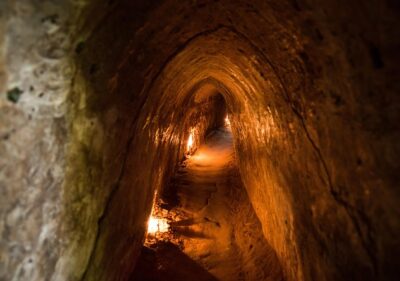
- Underground passage maze: what to expect when it gets tight
- Veteran Q&A: the one-hour segment that changes everything
- Napalm Girl connection: what you get if the veteran can’t lead
- Optional rifle range: if you want the hands-on add-on
- Timing, transport, and the places your day will pass through
- Price and value: why $23 can be a smart buy (or not)
- What to bring (so the day doesn’t get annoying fast)
- Who should skip it, and who should choose a gentler day
- Should you book this Cu Chi Tunnels small-group tour?
- FAQ
- How long is the Cu Chi Tunnels Small-Group Tour?
- Is hotel pickup included?
- How big is the small group?
- Where do I meet if my hotel isn’t included for pickup?
- Is the Cu Chi Tunnels entrance fee included in the price?
- Can I try shooting an M16 or AK-47?
- What happens if the Vietnam War veteran can’t lead the tour?
- What should I bring with me?
- Is this tour suitable for kids or for people with health issues?
Key highlights worth your attention
- War-veteran interaction for about an hour, with lots of room for questions
- Ben Dinh Tunnel stop featuring replicas of sleeping quarters and booby traps
- A real labyrinth feel underground, including guided context as you move through
- Small-group size (max 9), so you spend more time listening and less time waiting
- Optional rifle firing at a range after the tunnels
Cu Chi without the big-bus headache: what the small-group format does
Cu Chi Tunnels from Ho Chi Minh City can be a long day, so I’m picky about how it’s organized. Here, the small-group setup (limited to 9 participants) changes the vibe fast. With fewer people, your guide can keep an eye on timing, help translate in the veteran segment, and adjust the pace if the group starts to feel overwhelmed.
You’ll also start by getting out of the city in an air-conditioned vehicle, with bottled water included. That matters because it’s about a couple hours each way for most schedules, and Vietnam heat can turn a “quick trip” into a sluggish one. Several past guides—Sunny and Dickies show up often in bookings—are also the type who use the drive time to set context so the tunnels don’t feel like random holes in the ground.
The practical trade-off: since it’s still a popular site, Cu Chi can get crowded. But the tour’s early timing (and the small group size) generally helps you avoid the worst crush, especially when other groups are still lining up later in the day.
You can also read our reviews of more tours and experiences in Ho Chi Minh City.



Ben Dinh Tunnel replicas: where the war becomes visible
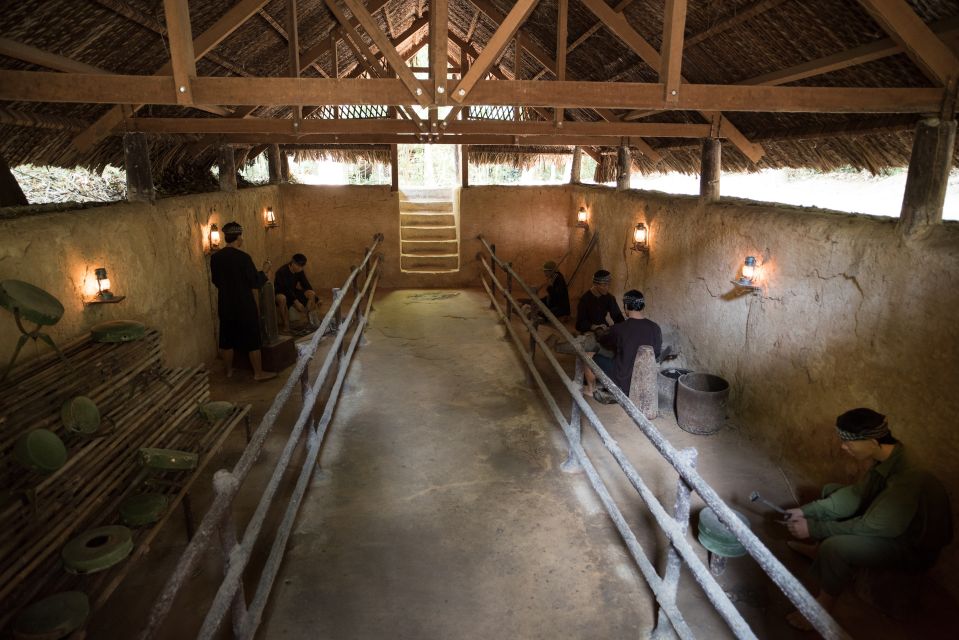
The tour’s first big stop is the Ben Dinh Tunnel area. You get about half an hour there to visit and get oriented, and this is where the story gets concrete.
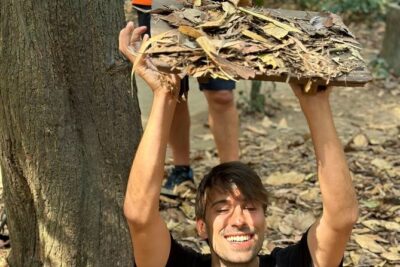
Instead of only looking at actual underground structures, you’ll see replicas of booby traps and sleeping quarters. That “replica” detail matters. Real tunnels still look rough and functional, but replicas help you understand what you’re looking at—how traps were set, and what daily life could look like when every corner might hide a threat. Past guests often call this part a turning point because you start picturing the tunnels as a system, not just a sightseeing attraction.
Also, there’s an “exclusive use” resting hut included. In plain terms, it gives you a place to regroup between the explanation and the underground time. That’s a small thing that makes a difference if you go at a pace that doesn’t match everyone else’s comfort level.
One more nuance: some people expect a “museum voiceover” style tour. This one leans more toward conversation—especially during the veteran interaction—so you may find yourself hearing familiar facts in a more personal way.
Underground passage maze: what to expect when it gets tight
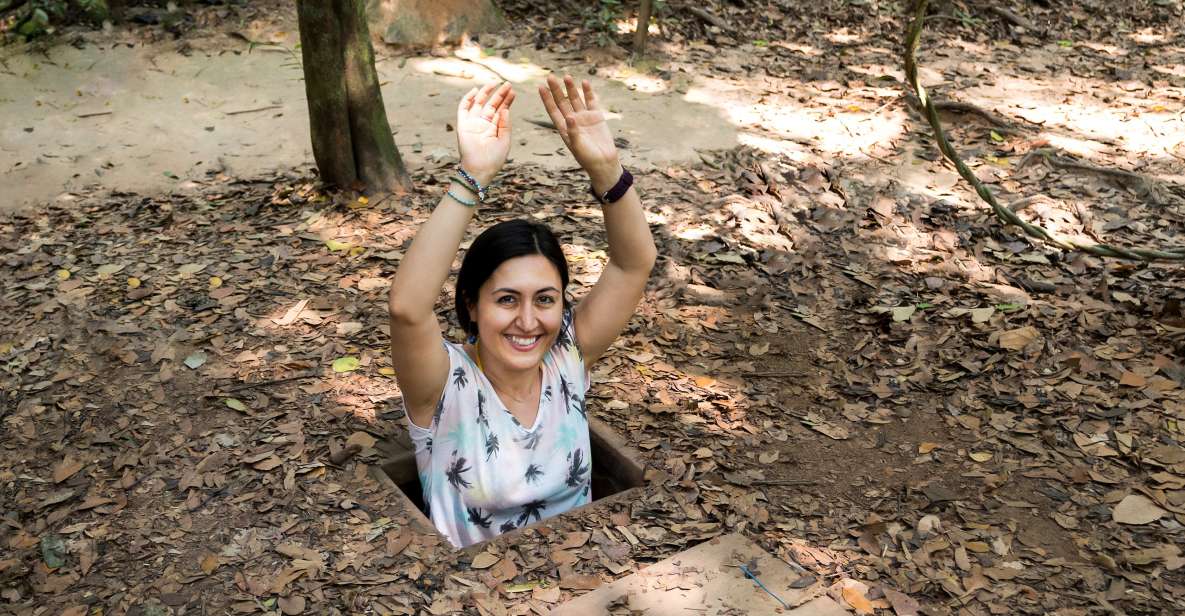
After Ben Dinh, you move into the Cu Chi Tunnels walking portion (about an hour of guided time on the tunnel segments you enter). This is where the experience turns physical.
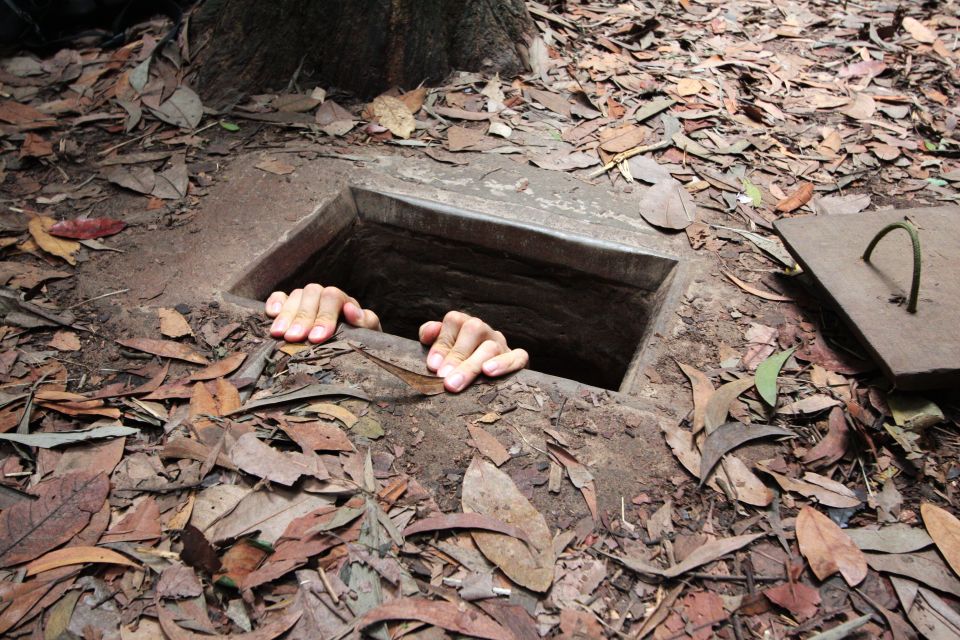
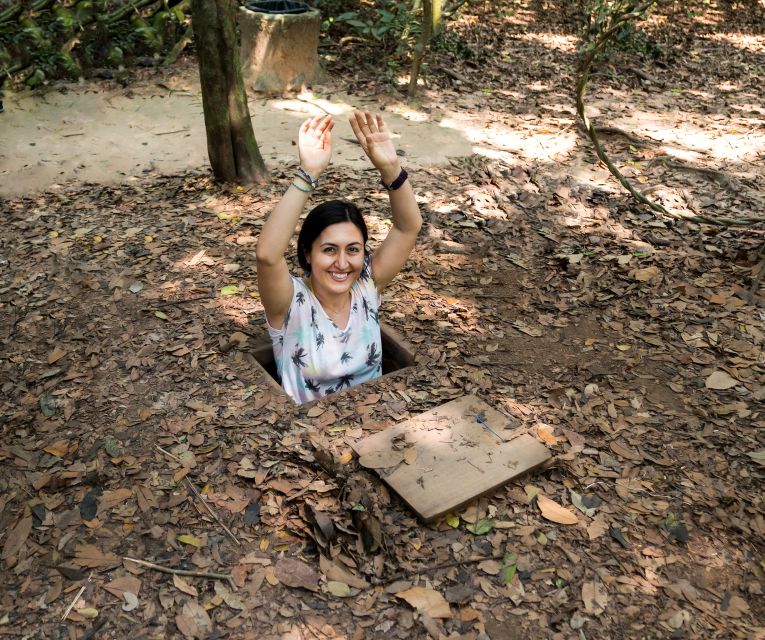
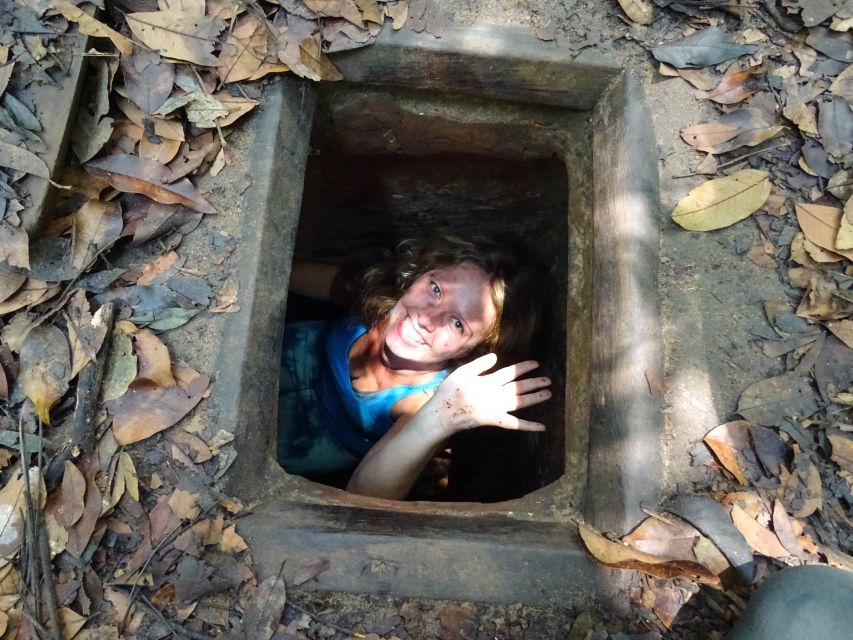
The tunnels are narrow. Even though some tunnel sections are enlarged for visitors compared with what guerrilla fighters used, you’ll still feel the claustrophobic rhythm right away—low ceilings, tight turns, and damp air. If you’re a bit unsure, you can typically step back out when you need to. One common piece of advice that pops up for this tour: there are exits along the route, so you don’t have to “commit” to finishing every section if it starts to feel too small.
Height and body shape matter. Taller people and broader shoulders can struggle with certain entry points or passages. If that describes you, go in knowing it might be a stop-and-start day rather than a smooth “walk through a hallway” experience.
The guide helps connect what you’re seeing to how people survived: hiding, communication, and movement while staying out of view. The best part is that you’re not just watching a plan—you’re feeling the constraints. You start to understand why clever organization, patience, and deception mattered as much as firepower.
Veteran Q&A: the one-hour segment that changes everything
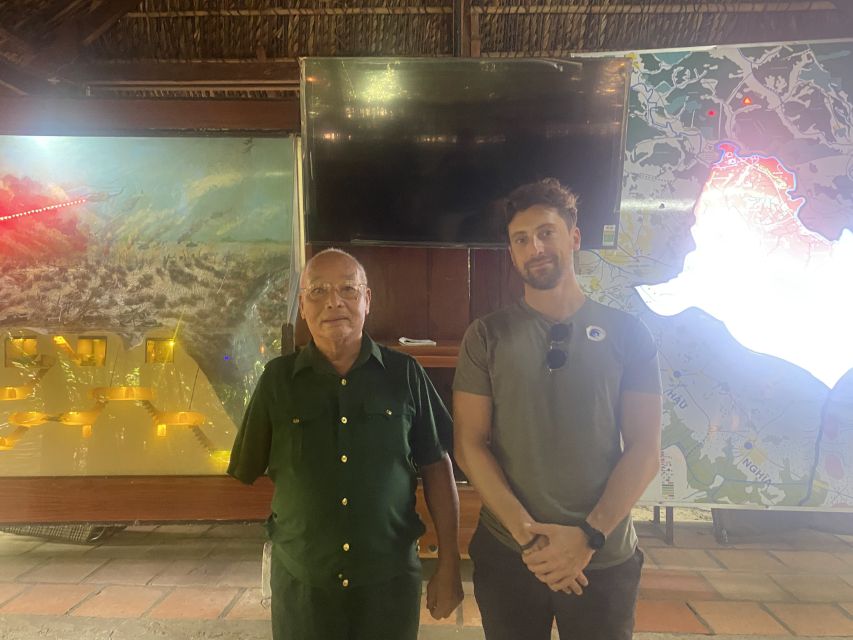
The most emotionally powerful piece here is the 1-hour interaction with a Vietnam War veteran. This is the heart of the tour, and it’s also why the small-group size matters. When you’re in a tight group, you actually get time to ask questions, not just listen.
You’ll meet the veteran as part of the schedule, and your guide handles the flow of the conversation in English. Some bookings note that the veteran may speak Vietnamese, and in those cases the guide translates smoothly. The veteran portion can also be time-boxed—if the questions stall, the veteran may end the session and the day moves on—so come ready with a couple of specific questions. Even simple ones like how life felt underground day to day, or what surprised the veteran most, tend to land well.
One helpful tip from how the tour seems to run: ask about everyday routines, not only battle facts. People remember the story when it’s tied to meals, sleep, fear, routine, and the constant calculations of survival.
If the veteran can’t lead on a given day due to age or health, the tour doesn’t leave you hanging. That’s where the Napalm Girl connection comes in.
Napalm Girl connection: what you get if the veteran can’t lead
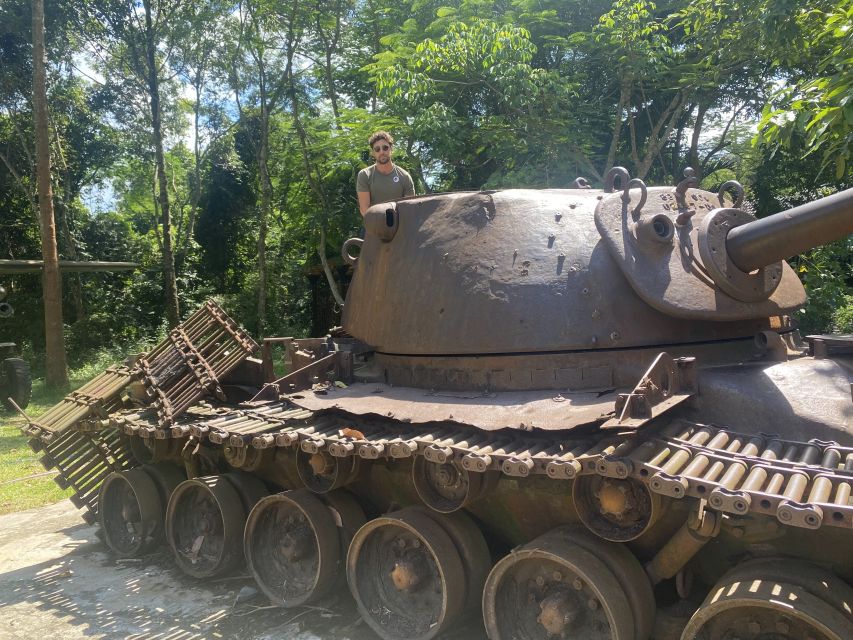
This tour includes a backup plan grounded in history, not a last-minute scramble. If the war veteran is unable to lead, a family member of Phan Thi Kim Phuc—known as Napalm Girl—fills his shoes.
So instead of losing the personal element of the day, you get a different way into the same story: survival, aftermath, and how the war shaped real lives. This is also one reason the tour feels less like a standardized script and more like a human exchange—guided by people who carry the memories themselves.
On some days, the veteran interaction may also be shorter than expected depending on how the session runs. If you want the maximum value, be ready to ask and keep the conversation moving.


Optional rifle range: if you want the hands-on add-on
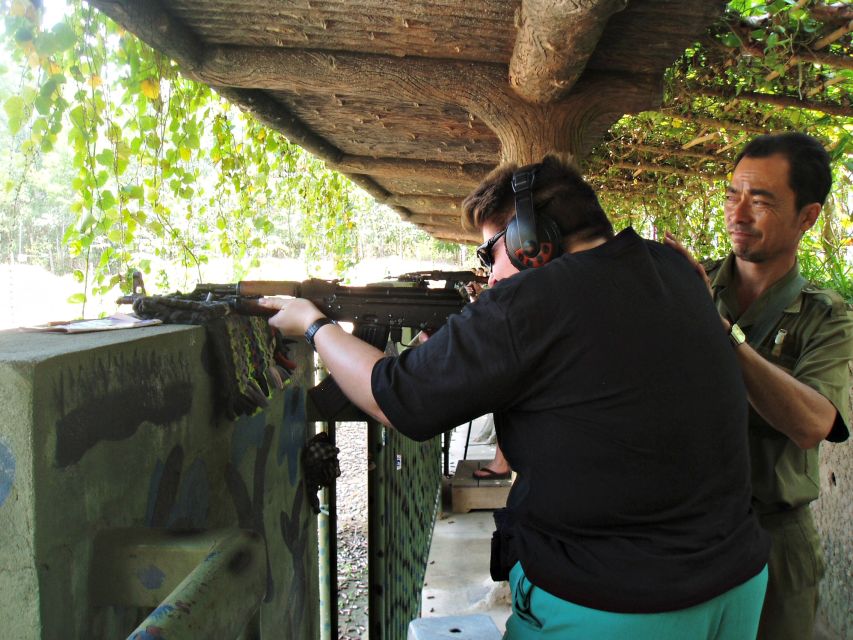
After the tunnels, the schedule brings you to a firing range where you can try shooting an M16 or AK-47. This is optional, and the rifle firing fee is not included in the base price.
Is this the main event? For many people, no. The tunnels and the veteran discussion are what give the day its meaning. But if you’re the type who learns best by experiencing the “how heavy and real” part, the range can add a concrete layer to the history you heard earlier.
Two practical notes:
- Don’t assume your tour time magically expands. The day is structured, so decide early whether you want to shoot so you don’t feel rushed.
- If you’re sensitive to loud noise, go in with eyes open. Shooting ranges are not quiet.
Timing, transport, and the places your day will pass through
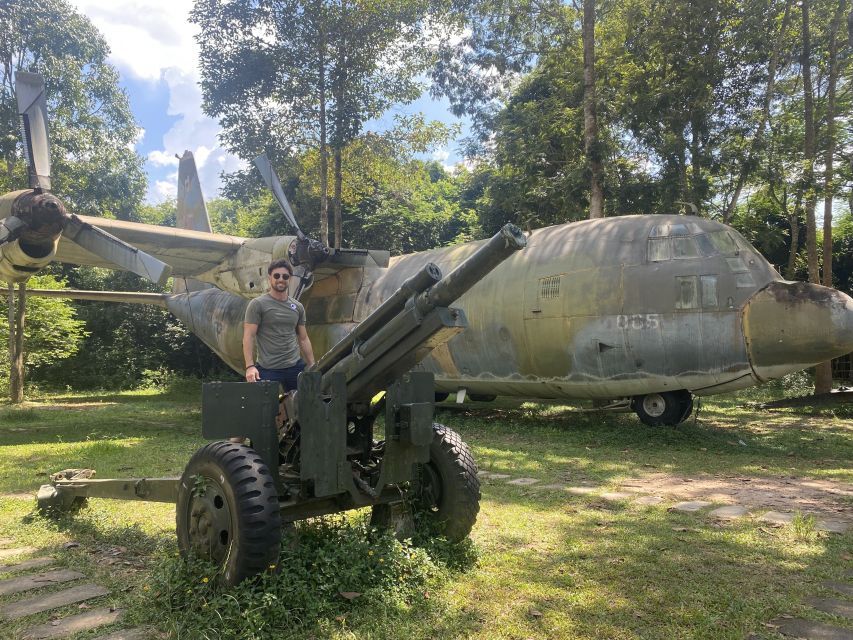
This trip runs about 6 hours, usually starting early. Past guests mention it can finish around 2:00 pm on some departures, while other timing patterns bring you back later in the afternoon—around 3:30 pm appears in real bookings. So treat it as a half-day excursion that still eats most of your daytime.
You’ll typically be picked up from your accommodation in Ho Chi Minh City with an air-conditioned vehicle. Pickup isn’t universal, but it’s designed for the inner-city hotels. If you’re staying outside the pickup coverage, there’s a meeting point option.
Meeting point for that option: Central Market Le Lai. Plan to arrive at least 10 minutes before the listed time. Guides won’t wait more than 10 minutes before moving forward.
What I like about this setup is that it’s flexible without being chaotic. Small group, scheduled day, and a clear end back at your drop-off area (District 3, Nguyễn Thị Nghĩa Street, District 1 are named return/drop options).
Price and value: why $23 can be a smart buy (or not)
At about $23 per person for a 6-hour, guided, air-conditioned experience, this tour can be excellent value—especially if you care about the veteran interaction. You’re paying for more than a site ticket. You’re paying for transportation, an English-speaking guide, and a structured historical context session.
A couple costs can affect your final total:
- Cu Chi Tunnels entrance fees depend on the option you pick. If the option doesn’t include them, expect to pay about VND 125,000 on site.
- Rifle firing is extra.
- Meals are not included, so budget for lunch or snacks before or after.
If you’re the kind of traveler who wants a “see it, snap photos, leave” visit, this might feel like more talking than you expected. But if you want to understand how the tunnels worked as an underground network for hiding and communication, this price starts to look even better.
One more value point: the tour is capped at 9 people. At Cu Chi, where crowds can dilute the experience fast, that small-group limit is often where you feel your money doing work.
What to bring (so the day doesn’t get annoying fast)
Cu Chi days run hot, dusty, and physically awkward. Bring practical stuff and you’ll enjoy it more.
What you should pack:
- Comfortable shoes (you’ll thank yourself)
- Sunglasses and sunscreen
- Hat (seriously), and an umbrella if rain is in the forecast
- Camera if you like documentation, plus extra patience for low-light spots underground
- Insect repellent
- Cash for anything optional (like entrance fees if needed or rifle firing)
If you’re prone to nausea or feel uncomfortable in tight spaces, plan your mindset too. Wear clothing you can move in, and keep your water usage realistic given it’s an underground environment.
Who should skip it, and who should choose a gentler day
Not suitable for:
- Children under 7
- Pregnant women
- People with mobility impairments
- People with heart problems
- People with respiratory issues
And then there’s the “soft” filter that matters in real life: claustrophobia. The tour does provide options to leave sections if you feel unwell or too uncomfortable, but the tunnels are still tunnels—low, narrow, and humid.
If you fall into any “health risk” category, don’t treat this as a “maybe I can tough it out” situation. Go by your body, not your pride.
If you’re generally healthy and curious, this is one of the most memorable ways to connect Ho Chi Minh City to the Vietnam War story. The underground walk is physical, but the bigger win is the chance to ask questions of someone who lived through it.
Should you book this Cu Chi Tunnels small-group tour?
Book it if you want:
- A small group day with time to ask questions
- The chance to hear a first-hand war perspective for about an hour
- Ben Dinh replicas that make the tunnel story easier to understand
- Optional rifle range shooting, if that sounds fun rather than gimmicky
Consider skipping or switching tours if:
- You dislike tight spaces or might panic underground
- You need a fully accessible route
- You’re only interested in quick sightseeing and don’t want the veteran discussion component
In my view, the best reason to book is simple: at Cu Chi, it’s easy to turn history into an activity. This tour is structured to keep it human—especially when the veteran segment is available, and when the Napalm Girl family replacement is in play.
FAQ
How long is the Cu Chi Tunnels Small-Group Tour?
The total duration is 6 hours.
Is hotel pickup included?
Yes. Hotel pickup and drop-off are included, and the tour uses an air-conditioned vehicle.
How big is the small group?
The small group is limited to 9 participants.
Where do I meet if my hotel isn’t included for pickup?
The meeting point is Central Market Le Lai. You should arrive at least 10 minutes early.
Is the Cu Chi Tunnels entrance fee included in the price?
It depends on the option you select. If entrance fees aren’t included, you may need to pay about VND 125,000 on site.
Can I try shooting an M16 or AK-47?
Yes, it’s available at an optional firing range after the tunnels. The rifle firing fee is not included.
What happens if the Vietnam War veteran can’t lead the tour?
On days when the veteran is unable to lead due to health, a family member of Phan Thi Kim Phuc (Napalm Girl) will fill in.
What should I bring with me?
Bring comfortable shoes, sunglasses, a hat, an umbrella, camera, sunscreen, insect repellent, and cash.
Is this tour suitable for kids or for people with health issues?
No for children under 7, pregnant women, people with mobility impairments, people with heart problems, and people with respiratory issues. Claustrophobia can also be a concern due to the tunnels.