REVIEW · HO CHI MINH CITY
From Ho Chi Minh: Mekong Delta 3-Day Tour with Tra Su Forest
Book on GetYourGuide →Operated by Duy Amma · Bookable on GetYourGuide
Three days, one unforgettable river world. This Ho Chi Minh–to–Mekong trip pairs Tra Su cajuput-forest calm with the Cái Răng floating market river pace. I like that it mixes scenery with culture, but one drawback to keep in mind is the fast, set-meal style of group touring—food can be fish-heavy and some stops feel more organized than natural.
You’ll travel by bus between key points, ride boats for the highlights, and sleep in 3-star hotels (2 nights). It’s an English-speaking guided itinerary with entrance fees included, yet the schedule is full, so plan for long days and a few moments where you’ll need to decide how much you want to linger.
In This Review
- Key things to know before you go
- What this Mekong Delta tour is really like
- Day 1: Mỹ Tho, Vĩnh Tràng Pagoda, Unicorn Island, and coconut-canal Bến Tre
- Night in Châu Đốc: what you should plan for
- Day 2: Lady Temple of Sam Mountain, Vĩnh Tế canal, and Trà Sư Mangrove Forest
- The cruise dinner: how to make it work for you
- Day 3: Cái Răng floating market, Trúc Lâm Zen Monastary, and Mỹ Khánh
- Purple House and Mỹ Khánh: fun color breaks, not deep countryside
- Food in the Mekong Delta: elephant ear fish and how to handle it
- Price and value: is $171 a good deal for this route?
- Getting the most out of your 3 days (small choices that help)
- Should you book this Mekong Delta tour?
- FAQ
- How long is the Mekong Delta tour from Ho Chi Minh City?
- What are the main stops on the itinerary?
- What meals are included?
- Where are the overnight stays?
- Is there an English-speaking guide?
- Are entrance fees included?
- Is the cruise dinner included, or do I pay extra?
- Do I need a single room supplement if I travel alone?
- Are there extra charges for holidays?
- Can I cancel for a full refund?
Key things to know before you go
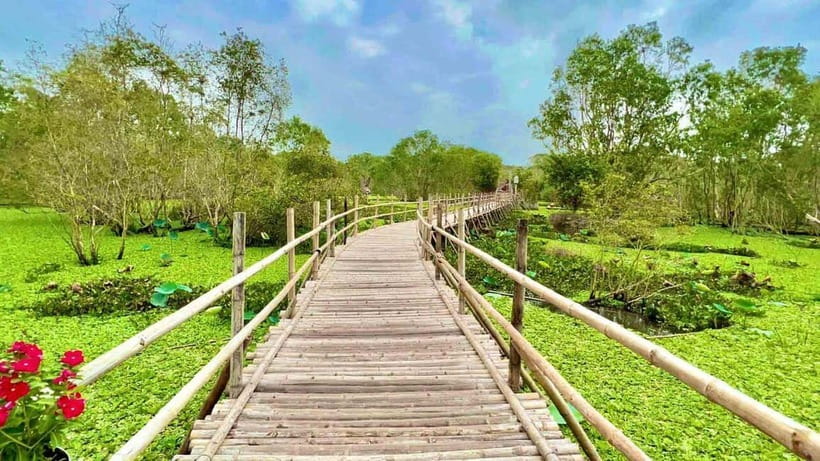
- Tra Su cajuput-forest boat ride: Short motorboat transfer, then quiet canal time under mangrove and cajuput trees
- Two major pagodas/monasteries: Vĩnh Tràng Pagoda on Day 1, then Trúc Lâm Zen Monastary on Day 3
- Canal rowing in Bến Tre: See coconut-lined waterways up close from small boats
- Châu Đốc area temples and canal scenery: Lady Temple of Sam Mountain, Thoại Ngọc Hầu’s Tomb, and a Vĩnh Tế canal route
- Purple House and Mỹ Khánh Tourist Village: A highly themed, colorful break before heading back toward Ho Chi Minh
- Local food to try: Fried elephant ear fish is part of the region’s specialty list
What this Mekong Delta tour is really like
This is a classic “big highlights in three days” route through Southern Vietnam’s river world. You’ll spend most of your time moving between rural towns, temple stops, and boat-based activities—so even though it’s only 3 days, it feels like you’re seeing several different versions of the Mekong Delta.
I like the mix of experiences: the quiet nature side at Tra Su, and the human side at the river markets. You get a look at how daily life works on and near waterways, not just temple photos and bus windows.
The trade-off is intensity. The itinerary is packed, meals are handled as a group, and not every stop will match your personal taste. If you’re the type who wants every hour to feel “authentic only,” you’ll want to keep expectations flexible.
Also note the tour runs in English with a guide speaking English, so it’s easier to follow what you’re seeing than on totally unguided day trips. Still, that language advantage won’t stop the schedule from feeling tight.
You can also read our reviews of more tours and experiences in Ho Chi Minh City
Day 1: Mỹ Tho, Vĩnh Tràng Pagoda, Unicorn Island, and coconut-canal Bến Tre
Day 1 starts early—pickup around 7:00 am in Ho Chi Minh City, then about 1.5 hours by bus through rice fields. The bus stop at the Mekong Reststop gives you roughly 15 minutes to reset, stretch, and grab a quick drink.
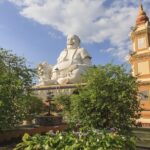
In Mỹ Tho, the first culture stop is Vĩnh Tràng Pagoda, described as one of the oldest and largest in Southern Vietnam, with special architecture tied to the Mekong Delta. This is a good place to start because it sets a theme: the region’s waterways shaped not only farming and trade, but also religious life and local design.
Next comes river time. You board a motorized boat on the Tiền River to visit an island area called Unicorn Island. Here you’ll combine two farm visits: a pomelo farm and a bee farm. It’s not just a look-and-leave stop; you can also try products like honey tea and royal jelly. If you like food-based stops, this part is one of the more sensory segments of the day.
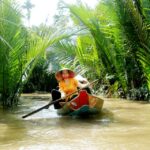
After that, you head to Bến Tre, known as the hometown of coconuts. The highlight is a coconut-canal ride: at the restaurant area you enjoy a boat segment where local rowers guide you through a canal shaded by coconut trees. It’s slow, scenic, and a nice break from the bus rhythm.
Lunch is on the tour schedule, and the day finishes with more boat time and then travel to Châu Đốc for your first hotel night in a 3-star property.
A practical consideration for Day 1: the day balances nature, farms, and religious sites, so you’ll likely walk a bit and sit a lot. Dress for sun and humidity, and keep water handy between stops.
Night in Châu Đốc: what you should plan for
You stay 1 night in Châu Đốc, which is a useful base for reaching the temple sites of the area and then continuing to Trà Sư. The itinerary doesn’t list a free-time plan here, so assume you’ll mostly be done with sightseeing and ready for an early-ish start.
If you’re sensitive to tour pacing, this is also a good moment to mentally prepare for the next day. Châu Đốc is where the schedule turns from river-farming vibes into a more temple-and-canal focused route.
Day 2: Lady Temple of Sam Mountain, Vĩnh Tế canal, and Trà Sư Mangrove Forest
Day 2 begins with breakfast, then it’s straight into a group tour day of religious sites and regional scenery.
First up: the Lady Temple of Sam Mountain, followed by Thoại Ngọc Hầu’s Tomb and Tây An Temple. This cluster matters because it shows how the Mekong Delta isn’t only about water and agriculture. It’s also a spiritual geography—places tied to local leaders, stories, and distinct religious architecture.
Then the itinerary shifts to a canal route along the Vĩnh Tế canal. On the way, you might see famous mountain names like Cấm Mountain and Két Mountain, plus Khmer-style pagodas with beautiful buildings. This is one of those segments where you should keep your eyes up for details in the scenery, because you won’t have tons of time to stop.
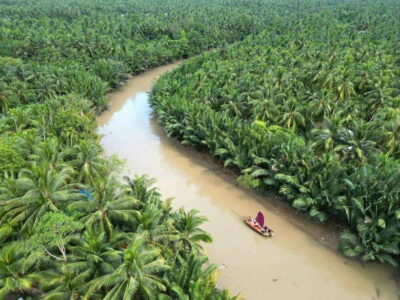
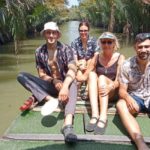
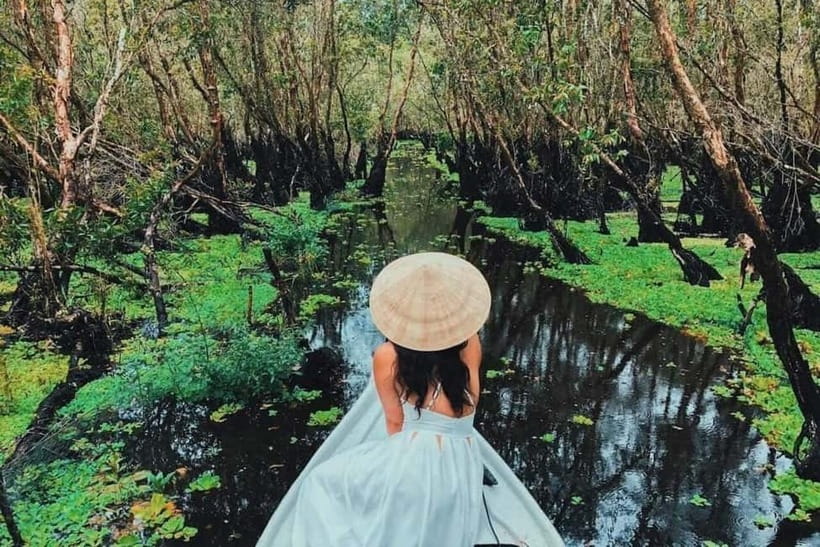
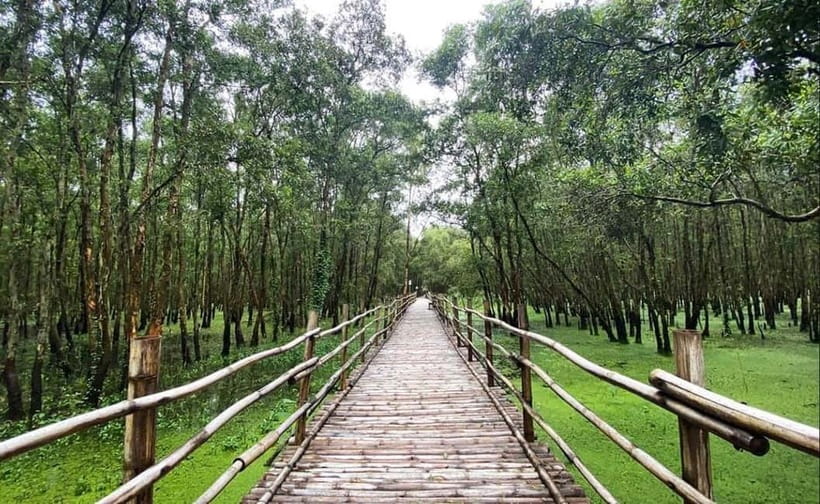
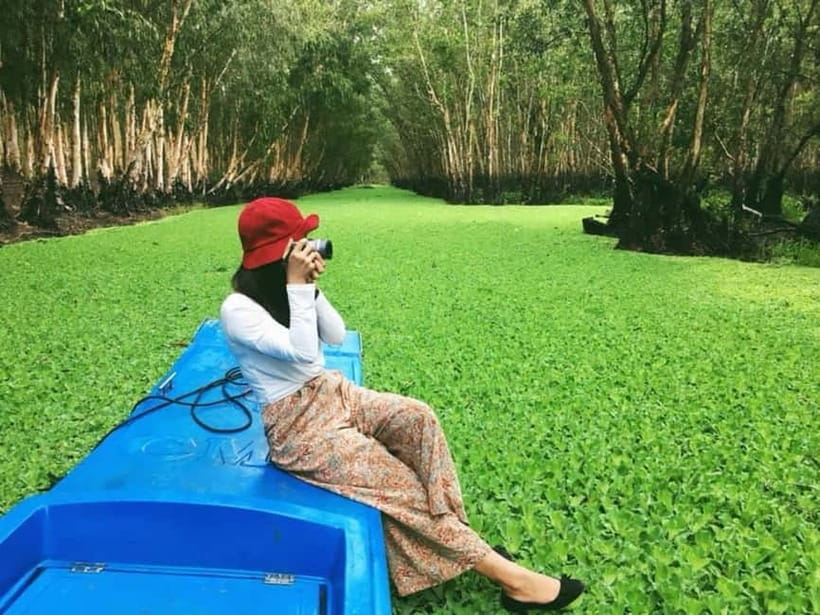
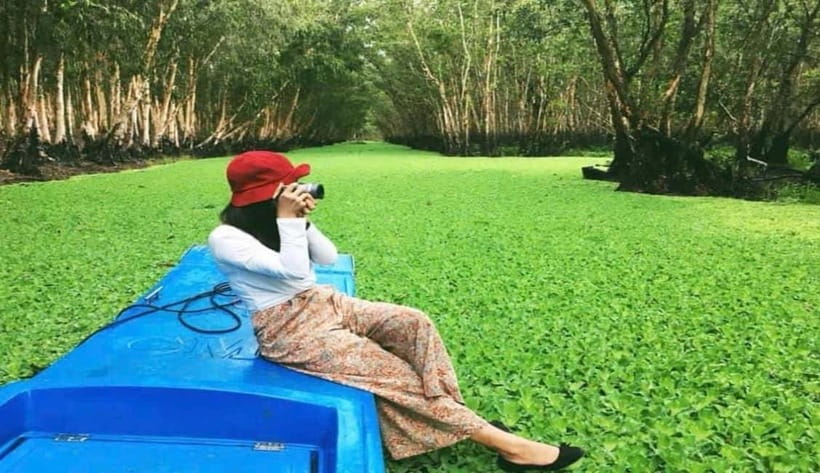
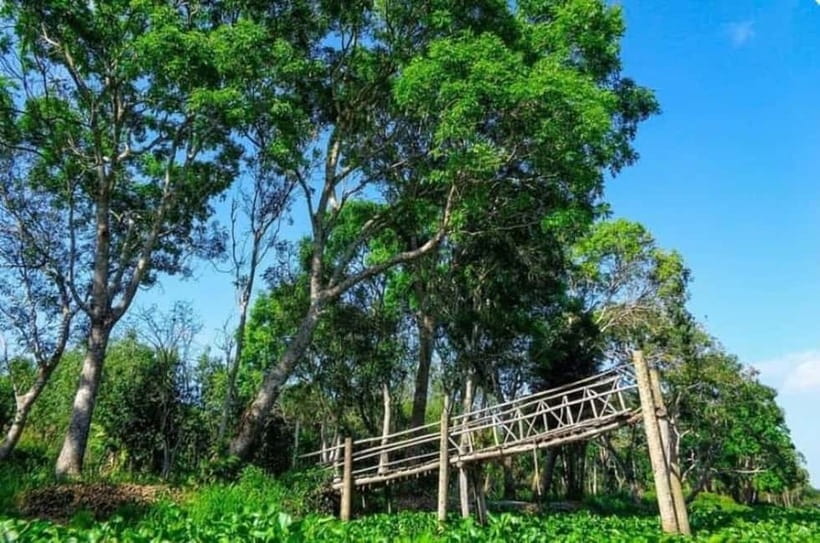
After the canal route, you arrive at Trà Sư Mangrove Forest. The nature highlight is a boat experience through small canals: first a short motorboat ride (about 10 minutes), then you continue through the mangrove/cajuput environment where the atmosphere is the main event. The Trà Sư setting is famous for calm water and layered greenery, and the boat format lets you experience that without bouncing over rough ground.
By evening, you travel to Cần Thơ for your second night.
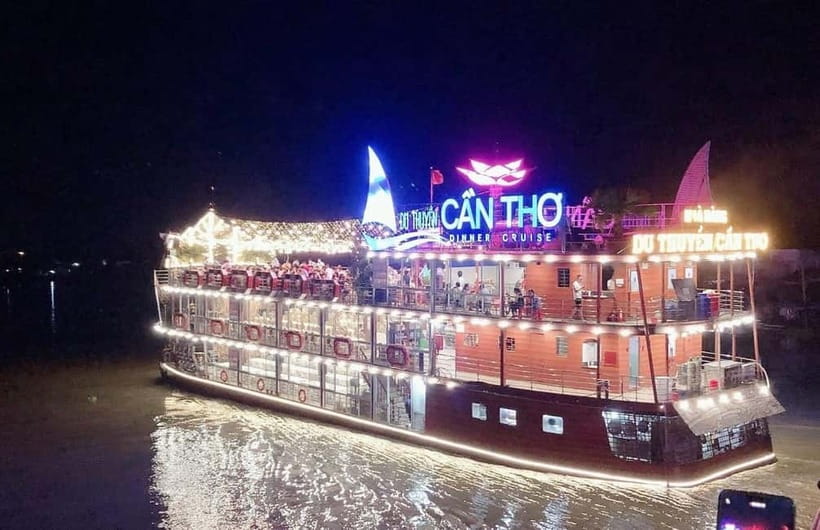
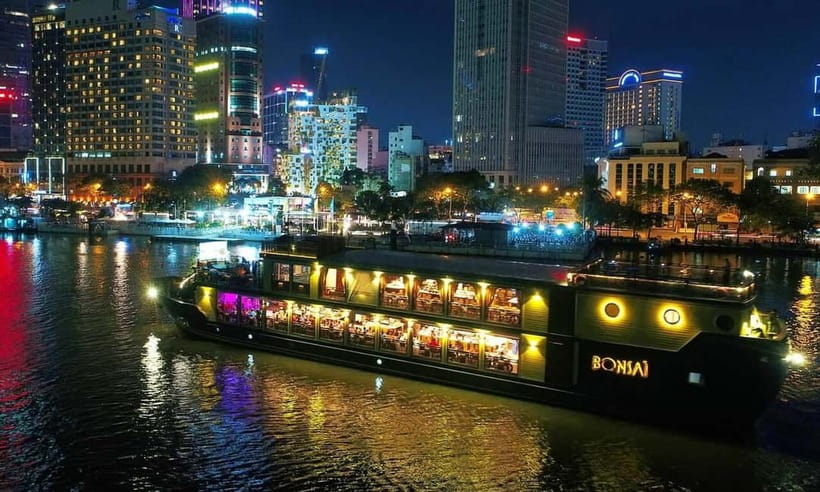
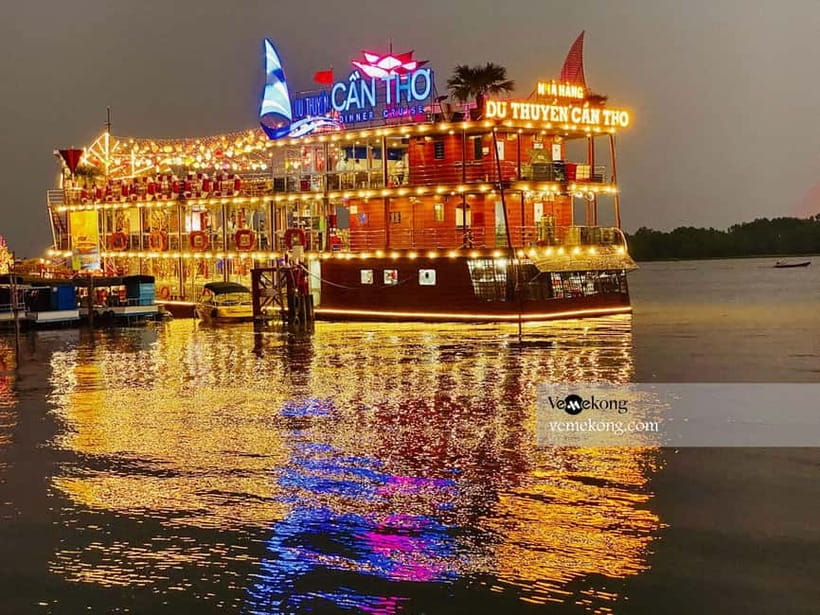
Dinner is on a 5-star cruise, and there’s also mention that cruise dinner can be optional depending on the setup. Even if the setting sounds fancy, think of it as part sightseeing plus group dining. One caution to consider before you fall in love with the idea: cruise dinners in tourist areas can come with loud music and a set menu, and fish dishes may show up more than once for the group.
After dinner, you get free time to explore at night. The itinerary suggests wandering the walking street or heading to the Ninh Kiều night market for local food and atmosphere.
The cruise dinner: how to make it work for you
If you’re someone who loves the idea of dining while cruising, this can be a fun capstone after a full day. You’re already on the river system, and the cruise setting can make the night feel special.
But take a practical approach. Group meals can be repetitive, portion style may be fixed, and music volume can be high. If you don’t eat fish often, or you want control over what you order, keep your expectations grounded.
My advice: go in prepared to treat dinner like part of the itinerary, not a restaurant experience you customize. If fried elephant ear fish is on the food list, and you’re worried about repeated fish dishes, consider eating light at lunch and bringing a small snack for peace of mind.
Day 3: Cái Răng floating market, Trúc Lâm Zen Monastary, and Mỹ Khánh
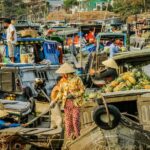
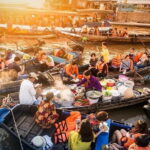
Your last morning starts with breakfast, then you head to Cái Răng floating market. This is the day’s big “river life” moment.
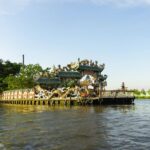
During the boat trip, you can watch how Vietnamese people live and work on the water. The market is also about sales and movement—boats selling goods, people trading, and daily routines tied to waterways. Even if you’re not buying anything, it’s a good place to observe how river commerce actually functions.
After the floating market, the itinerary continues with Trúc Lâm Zen Monastary, described as the biggest monastary in the Mekong Delta. This stop is valuable because it contrasts with the market. One is active and commercial; the other is still and contemplative. You’ll likely enjoy a slower pace here, even if it’s still within a guided schedule.
Next is Mỹ Khánh Tourist Village, with free time and lunch. This is one of those segments where you can choose how you spend it. If you like photos and colorful scenery, you might enjoy wandering. If you’d rather keep things simple, treat it as a pause between major sightseeing moments and save energy for the ride back.
Then you visit the Purple House, a café where everything is decorated in purple. It’s a quick, fun stop with a very visual theme, and it’s an easy place to relax briefly.
Finally, you head back to Ho Chi Minh City, arriving around 6:00 pm.
Purple House and Mỹ Khánh: fun color breaks, not deep countryside
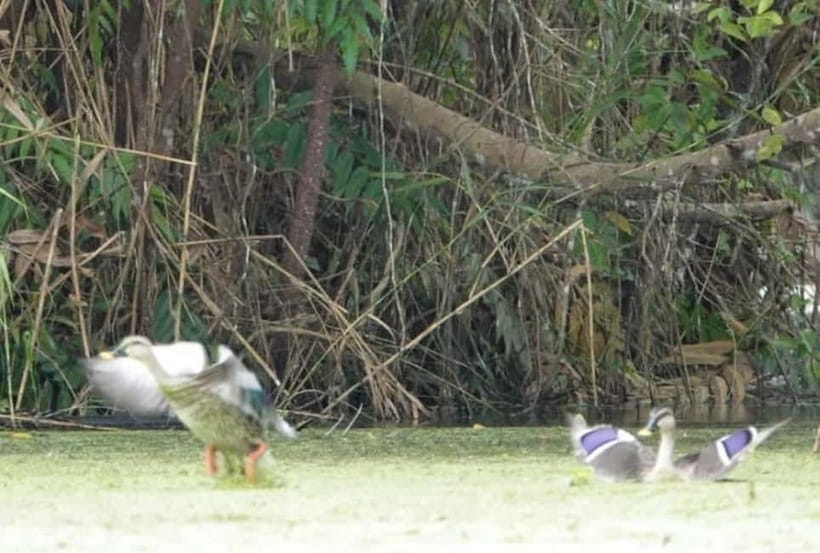
Not every stop on this type of tour has to be serious to be enjoyable. The Purple House is basically a designed photo-and-coffee break: purple decorations, café time, and an easy reset after more structured sightseeing.
Mỹ Khánh Tourist Village serves a similar purpose. You’ll have time to wander, eat, and regroup. The trade-off is that it can feel more “organized for visitors” than “wild local life.”
If you tend to love authentic village scenes, balance this by spending more of your time outside the themed stops. On this itinerary, that means prioritizing the boat segments and the temples that feel tied to the local landscape rather than packaged entertainment.
Food in the Mekong Delta: elephant ear fish and how to handle it
This area has a famous specialty: fried elephant ear fish. If you’re open to trying it, it’s one of the easiest “regional taste” wins on the tour.
If you’re not a fish fan—or you just want variety—plan a strategy. Group menus can be repetitive, and once a dish becomes the default choice for everyone, there’s often not much flexibility.
So here’s what you can do:
- Tell the guide about preferences at the start of the day
- If possible, manage your appetite earlier so dinner doesn’t feel like a repeat of fish
- If you dislike fish, eat something safe before the food stop so you’re not hungry and stuck with only one option
Even if you’ve got no allergies, you don’t owe anyone a fish-only diet. In a group setting, preferences still matter.
Price and value: is $171 a good deal for this route?
At $171 per person, this tour sits in the “budget-to-mid” range for guided multi-day Mekong experiences. What you get for the price is pretty clear: transportation, an English-speaking guide, entrance fees, and a lot of included meals (3 breakfasts, 3 lunches, and 1 dinner), plus 2 nights in 3-star hotels.
The value equation depends on how you feel about guided structure. If you want boats, major temples, and a managed itinerary without dealing with tickets and timing yourself, you’re paying for convenience.
If you’re the kind of traveler who prefers to roam independently and pick exactly which market or temple fits your mood, then the fixed schedule can feel limiting for the cost. Also, because the tour includes a mix of nature, farms, temples, markets, and themed stops, you’re paying for quantity. Some of that quantity will match your interests, and some might not.
In other words: $171 is reasonable if you enjoy a “see a lot” style of travel and you don’t mind set meals. It’s less exciting if you mainly want slow, quiet, off-the-grid river time with minimal tourist packaging.
Getting the most out of your 3 days (small choices that help)
This itinerary is heavy on humidity, sitting, and boat time. That’s not a complaint. It’s just the reality. Pack smart and you’ll feel more in control.
I’d focus on:
- Sun protection: hats, light long sleeves, and sunscreen for deck and canal time
- Hydration and snacks: especially if you’re cautious about fish dishes
- Comfortable shoes: temples and monastary areas can mean uneven steps or long walks
- Photos strategically: Purple House and floating market are easy photo targets—don’t spend all your energy there
Also, do a quick mental check on your priorities. If you’re here for Tra Su and Cái Răng, you’re in the right place. If you’re here mainly for deep rural villages only, you may want to soften expectations about themed breaks.
Finally, remember this is organized by Duy Amma. The experience is designed to flow through multiple regions with planned stops—so if you have strong dislikes (music volume on a cruise, fish-heavy set meals, or highly themed attractions), tell your guide early and bring a backup plan.
Should you book this Mekong Delta tour?
Book it if you want a guided route that hits the Mekong’s biggest “signature” moments: boat time at Trà Sư, river life at Cái Răng, and major temple stops like Vĩnh Tràng Pagoda and Trúc Lâm Zen Monastary—all while having hotel nights and meals handled.
Skip or reconsider if you’re picky about food variety, you strongly dislike loud music environments (the cruise dinner setup can be like that), or you know you won’t enjoy themed stops such as Mỹ Khánh Tourist Village and the Purple House café concept.
If you want the best chance of a good fit, go in with two goals: enjoy the boats and take what you like from the temple and market stops. The rest is just the price you pay for covering a lot of river ground in limited time.
FAQ
How long is the Mekong Delta tour from Ho Chi Minh City?
It runs for 3 days. You’re picked up in Ho Chi Minh City on Day 1 and you return around 6:00 pm on Day 3.
What are the main stops on the itinerary?
The route includes Mỹ Tho, Vĩnh Tràng Pagoda, a Tiền River boat ride to Unicorn Island, Bến Tre coconut canals, Châu Đốc temples, Vĩnh Tế canal, Trà Sư Mangrove Forest, Cần Thơ, Cái Răng floating market, Trúc Lâm Zen Monastary, Mỹ Khánh Tourist Village, and the Purple House.
What meals are included?
The tour includes 3 breakfasts and 3 lunches, plus 1 dinner.
Where are the overnight stays?
You have 2 nights in 3-star hotels—1 night in Châu Đốc and 1 night in Cần Thơ.
Is there an English-speaking guide?
Yes. The tour guide speaks English.
Are entrance fees included?
Yes. Entrance fees are included.
Is the cruise dinner included, or do I pay extra?
The package includes 1 dinner, but the details also note that dinner on the cruise is listed as optional under not included items. You should confirm what’s covered for your specific booking.
Do I need a single room supplement if I travel alone?
Yes. A single room surcharge is listed as not included.
Are there extra charges for holidays?
Yes. There is a surcharge for holiday periods in Vietnam.
Can I cancel for a full refund?
Yes. The policy states you can cancel up to 24 hours in advance for a full refund. It also offers reserve and pay later, meaning you can book first and pay later.