REVIEW · HO CHI MINH CITY
Exploring Ho Chi Minh City and Cu Chi Tunnels
Book on Viator →Operated by Alotour · Bookable on Viator
Cu Chi tunnels hit harder than the postcards. This Saigon Jeep Adventure day mixes real underground tunnels, a simple wartime meal, and hands-on craft time in the city. It’s a short, focused outing designed to give you the big picture of how the VC used an underground network to survive and operate during the war.
I especially like how you get actual tunnel access and a look at the scale of the system—about 250km underground—so the story isn’t just facts on a sign. I also like the food stop: the tea and cassava connection helps the whole day make sense, not just the buildings.
One thing to consider: this is a non-refundable experience and it needs good weather. If rain or poor conditions cancel it, you may be offered a different date or a full refund, but you should plan with that in mind.
In This Review
- Key reasons to go
- Getting From Ho Chi Minh City to Cu Chi: How the Morning Sets the Tone
- Inside the Cu Chi Tunnels: What You Learn When You Actually Go Underground
- Tea, Cassava, and Lunch: Why This Wartime Diet Stop Feels Like a Lesson
- Rice Paper Making in District 1: Craft Time That Breaks Up the Heaviness
- Jeep Transport and a Private Group: Comfort, Pace, and Control
- Price Check: Is $125 Worth a Cu Chi Tunnel Day?
- When to Book and When to Be Flexible
- Who This Tour Suits Best
- Should You Book This Cu Chi Tunnels Jeep Adventure?
- FAQ
- What time does the tour start?
- How long is the Cu Chi tunnels tour?
- Do I get pickup in Ho Chi Minh City?
- Is this a private tour?
- What’s included in the price?
- Is lunch included, or should I eat beforehand?
- Is rice paper making part of the tour for everyone?
- Is the tour weather-dependent?
- What if the tour is canceled because there are too few travelers?
- What’s the cancellation and change policy?
Key reasons to go
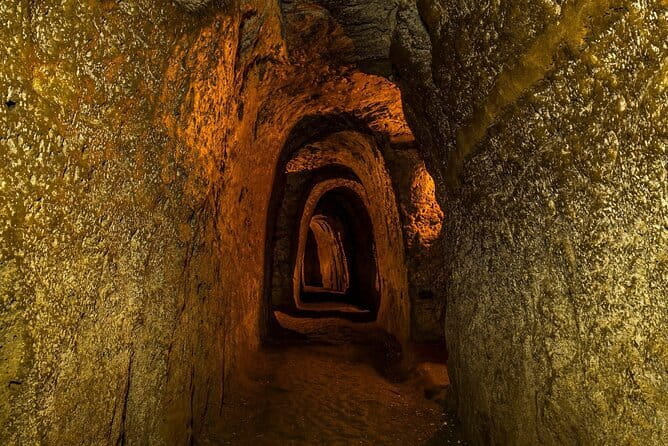
- Real tunnel time: Step into underground passages and understand how daily life worked below ground.
- 250km scale: You’ll hear how that massive network was built and why it mattered.
- Wartime fuel in your day: Tea and cassava are part of the story, not just a snack.
- Rice paper making chance: Optional craft time can turn lunch into something you’ll remember.
- Comfortable transport: A jeep pickup and ride keeps the morning from feeling rushed.
- Private group feel: You’re with your own group, so the guide can set the pace.
Getting From Ho Chi Minh City to Cu Chi: How the Morning Sets the Tone
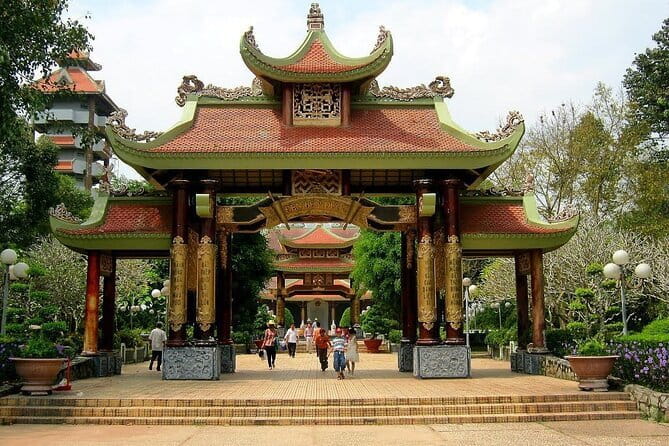
Your day starts at 8:00am with pickup, and the plan is simple: you head straight out toward Cu Chi by jeep. The drive time is about 1.5 hours, and that matters more than you might think. It gives you space to shift gears from traffic and shopping streets into a place where every detail is about survival and hiding.
The tour schedule also keeps the morning efficient, with roughly 08:00–10:00 covering travel and your first stretch of time linked to the Cu Chi area. In a lot of similar trips, you spend too long waiting around. Here, you move early, so you can enjoy the important parts while it’s still comfortable outside.
If you want the day to land emotionally, treat the morning drive as part of the experience. Use that quiet time to read signage when you arrive and listen closely to the guide’s explanation of what you’re about to see—because the tunnels make more sense when you understand the purpose behind them.
You can also read our reviews of more city tours in Ho Chi Minh City

Inside the Cu Chi Tunnels: What You Learn When You Actually Go Underground

The heart of the tour is the visit from around 10:00–12:00. This is where you get real tunnel access, not just a photo stop. You step into underground sections and hear about what VC soldiers were, how the underground system was created, and how it helped them operate during wartime.
The big idea I’d take from this portion is scale and engineering under pressure. You’re not just seeing a few cramped rooms. You’re hearing about a 250km underground network, which reframes the site from a single attraction into a whole underground world. That’s the kind of information you can’t get from a museum poster.
Here’s what you can expect your senses to tell you once you’re underground: it can feel tight and dim, and it’s the opposite of modern open space. Even if you’ve seen tunnel photos before, actually stepping in makes the story more physical. You’ll likely understand why ventilation, layout, and concealment were so important.
There’s also a guided component that shapes how you interpret what you see. The tour focuses on the lived experience of VC soldiers—how they endured harsh conditions and overcame huge challenges to keep going. If you’re the type who likes history explained in plain language, this portion is built for you. If you’re more detail-driven, you’ll still get plenty of concrete points about what the tunnels were for and how they supported survival.
Possible drawback to keep in mind: tunnel access is often physically demanding in a way that walking around outside isn’t. You don’t want to go in with tight clothing expectations or a mindset that treats it as casual sightseeing. Wear comfortable shoes and pace yourself.
Tea, Cassava, and Lunch: Why This Wartime Diet Stop Feels Like a Lesson
From 12:00–13:00, you shift from underground reality to a food moment that’s tied directly to the story. You’ll taste local tea and cassava, described as what sustained fighters for years in the past. Then you’ll have lunch at a local restaurant included.
I like this part because it avoids the common trap of history tours that only show suffering. Food helps you understand daily life. When you eat something simple like cassava, you’re reminded that survival often comes down to routine, calories, and whatever ingredients are available—not dramatic meals.
Tea also works well in this context. It’s a small comfort after a heavy morning, and it helps you process what you saw without rushing straight into the next stop. In practice, this hour gives your body a reset: you’re outside, you eat, and you have time to ask questions.
A practical note: the tour includes a light meal and then lunch. If you’re someone who tends to snack constantly, you may not need extras. If you do buy drinks on your own, you’ll be stepping outside the included one water per person—so it’s worth planning what you’ll actually need.
Dietary requirements are accommodated, including vegetarian, vegan, and gluten-free options if you mention it at booking. If that applies to you, do it early so they can coordinate properly.
Rice Paper Making in District 1: Craft Time That Breaks Up the Heaviness
The final stretch runs 13:00–14:00, and the optional activity is rice paper making in District 1. This can be a traditional Vietnamese craft experience and depends on working time of local people, so treat it like a bonus rather than a guaranteed workshop slot.
I think this is a clever way to balance the day. The morning is about war and survival underground. The afternoon adds something human and everyday—hands working with ingredients that connect directly to Vietnamese cuisine. Even if you only watch or help briefly, you’ll leave with a different kind of memory than tunnel photos.
If rice paper making happens during your visit, ask questions while you’re there. The craft is usually more interesting than people expect because you’re watching how a staple food is made. If it doesn’t run (because timing varies), you still keep a full tour structure and you don’t feel stranded at the end.
Bottom line: treat this as your “soft landing” after Cu Chi. It’s the part where your brain stops translating trauma into facts and starts noticing culture.
Jeep Transport and a Private Group: Comfort, Pace, and Control
This is built as a private tour, meaning only your group participates. That’s not just a pricing perk—it changes the day. It often means less confusion, fewer waiting gaps, and a smoother flow between stops.
You also travel by jeep, which helps on a day that runs around six hours total. The jeep ride can feel like a practical middle ground: you’re not stuck on a slow bus, and you’re not doing the most intense street-style transport either. It’s a good choice if you want comfort while still moving fast enough to get the most out of limited time.
The guide experience is central here. The best versions of this tour are led by guides who bring energy and keep things engaging, so you’re not just passively listening. If your guide is good, you’ll come away with a clearer mental map of what happened underground and why the VC system worked.
That said, pace matters. A six-hour day is not a long, meandering vacation day. You’ll want to show up ready: comfortable clothes, water awareness, and a calm expectation that the tour is focused and scheduled.


Price Check: Is $125 Worth a Cu Chi Tunnel Day?
At $125 per person, you’re paying for more than an entrance ticket. You’re paying for transportation by jeep, a guided visit that includes entrance fees, and two food moments: tea and cassava plus lunch. You’re also getting the time structure that typically takes planning out of your hands.
For comparison, if you try to DIY Cu Chi from Ho Chi Minh City, you’ll still spend time on finding reliable transport and sorting out tickets. A guided format helps because it turns the tunnels from a self-guided maze into a story with clear points: what VC soldiers were, why the network was built, and how survival logistics mattered.
Value also comes from the total length. At about six hours, you get substantial site time plus city stops for food and craft. That’s useful if you’re not staying long, or if you already plan other Ho Chi Minh City activities and want one strong day trip with clear payoff.
If $125 is close to your comfort zone, I’d treat it as a “buy clarity and convenience” price. You’re not paying to shop. You’re paying to understand, comfortably.
When to Book and When to Be Flexible
This experience gets booked far ahead on average—about 279 days in advance. That’s a hint that good slots can disappear, especially if you’re traveling in peak seasons or you want a specific start time. If you’re set on doing Cu Chi, book early.
It’s also weather-dependent. The tour requires good weather, and if it’s canceled due to poor conditions, you’ll be offered a different date or a full refund. Because the tour is non-refundable and can’t be changed, you should only lock it in if your schedule can handle a potential adjustment.
One more practical note: you’ll receive confirmation at booking, and you can use a mobile ticket. That’s handy because it reduces paperwork stress. Just be sure your phone battery is good on the morning of the tour.
Who This Tour Suits Best
This is a strong fit if you want:
- a guided, structured Cu Chi day without organizing transport and timing yourself
- history explained in an accessible way, connected to daily survival (food + tunnel access)
- a private group experience where your guide can keep you moving smoothly
- a trip that includes both a major historical site and a quick cultural craft stop
It may not be ideal if you:
- hate strict schedules and fixed time blocks
- need the kind of tour where you linger for hours with no pace pressure
- aren’t comfortable with the realities of underground spaces
Should You Book This Cu Chi Tunnels Jeep Adventure?
If you’re going to Ho Chi Minh City and you’re considering Cu Chi, I’d say this is a sensible way to do it. The tour’s value is in three places: tunnel access, a clear explanation of the 250km underground network, and the fact that you don’t just watch history—you taste a wartime diet and finish with an optional Vietnamese craft.
Book it if you want one focused day trip that fits well in a busy itinerary. Skip it if your schedule is super tight or you can’t handle a possible weather-based change, since the booking itself is non-refundable.
FAQ
What time does the tour start?
It starts at 8:00am.
How long is the Cu Chi tunnels tour?
It’s about 6 hours total (approx.).
Do I get pickup in Ho Chi Minh City?
Yes. Pickup is offered.
Is this a private tour?
Yes. It’s private, and only your group participates.
What’s included in the price?
Included are the jeep car, entrance fees and tickets, lunch, 1 light meal, and 1 water per person.
Is lunch included, or should I eat beforehand?
Lunch is included at a local restaurant.
Is rice paper making part of the tour for everyone?
Rice paper making is optional and depends on local working time, so it’s not guaranteed.
Is the tour weather-dependent?
Yes. It requires good weather. If canceled due to poor weather, you’ll be offered a different date or a full refund.
What if the tour is canceled because there are too few travelers?
If it’s canceled because the minimum isn’t met, you’ll be offered a different date/experience or a full refund.
What’s the cancellation and change policy?
It’s non-refundable and cannot be changed for any reason.