REVIEW · HO CHI MINH CITY
Amazing Vietnam, Cambodia and Thailand 16 Days
Book on Viator →Operated by Prestigo Asia · Bookable on Viator
Three countries in sixteen days can sound hectic. Here it’s a tightly planned route with real breathing room. You’ll go from Ho Chi Minh City to the Mekong Delta, hit Cu Chi Tunnels, fly into Hoi An for lantern nights, then cruise Ha Long Bay. Along the way, you get English-speaking guidance and airport-to-hotel pickup that keeps you from spending your energy figuring things out.
My favorite part is the rhythm. Big-sight days come early, then you slow down in places that need it, especially Phuket downtime at the end. You’ll also appreciate the practical touches: air-conditioned transport, included entries, and a small group size capped at 15.
One thing to weigh: this is a travel-heavy trip. You’ll take several domestic flights and long land transfers, so you’ll want a calm mindset about timing and jet lag, not a week of zero movement. Expect frequent domestic flights and pack for comfort.
In This Review
- Key things that make this trip work
- Ho Chi Minh City kickoff: where the trip starts, and where it should feel easy
- Mekong Delta day trip to My Tho: scenery plus small-scale reality
- Cu Chi Tunnels: history you can walk through (and feel)
- Flying to Hoi An: switching gears and chasing lantern-light streets
- Bay Mau Coconut Forest cycling: a real Hoi An countryside day
- Hoi An Memories Island: evening entertainment with included access
- Hanoi transfer and Ha Long Bay: getting to the coast without losing the day
- Ha Long Bay cruise: Tai Chi on deck and a cave with stalagmites
- Siem Reap and Angkor: one full day plus a second for the lake
- Tonle Sap by wooden boat: where water shapes everyday life
- Phuket three-day reset: beach time without losing momentum
- Hotels, meals, and how the included food really affects value
- Price and logistics: what you’re paying for, and what you should watch
- Support style: sign-holding airport staff and real problem-solving
- Who this tour fits best (and who should look elsewhere)
- Should you book this Amazing Vietnam, Cambodia and Thailand 16 Days tour?
- FAQ
- Where does the tour start?
- Does the price include domestic flights and luggage?
- What meals are included?
- Are guides available, and are they English-speaking?
- What is the group size limit?
- What is the cancellation window for a full refund?
Key things that make this trip work
- Small-group pace (up to 15 people) with organized pickups and guided days
- Multi-country highlights without doing the logistics yourself (pickup, hotels, domestic flights)
- Mekong Delta + Cu Chi Tunnels for a mix of nature and history near Ho Chi Minh City
- Ha Long Bay cruise routine with an early start and cave exploration
- Angkor focus with South Gate + face towers plus Tonle Sap by boat
- A clean landing in Phuket with three full days to relax
Ho Chi Minh City kickoff: where the trip starts, and where it should feel easy
Your tour begins at Tan Son Nhat International Airport in Ho Chi Minh City. The first win is simple: a driver meets you after arrival and takes you straight to your hotel, so you’re not hunting for transport after a flight. Once you check in, you get the rest of the day to recover.
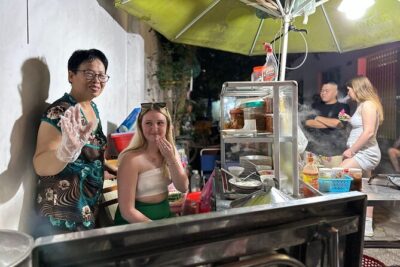
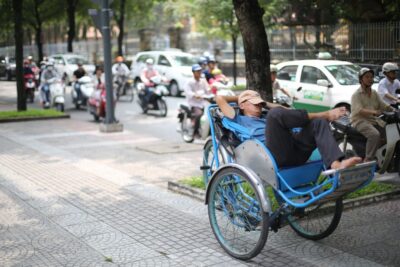
Ho Chi Minh City works well as a starting point because it’s a mix you can actually see with your eyes. You’ll notice colonial-era architecture beside traditional streets, and the city feels busy in a human way. If you want an easy first evening, keep it light—walk nearby, grab a casual meal, and get a decent sleep. You’ll earn it the next day.
This isn’t a “stand in one place and take photos” kind of trip. It’s built for movement: guides, transfers, and early mornings. Starting with an airport-to-hotel handoff sets the tone.
You can also read our reviews of more tours and experiences in Ho Chi Minh City.


Mekong Delta day trip to My Tho: scenery plus small-scale reality
On day two, you head out to the Mekong Delta with an experienced English-speaking guide and a professional driver. The destination is My Tho, and the value here is that the Mekong isn’t just a name—it’s farms, waterways, and daily life.
You’ll spend most of the day on this outing (about eight hours), which is a good match for the way the tour is paced. You get enough time to feel like you left the city, but not so much time that it steals your energy. Expect green rice paddies and lots of river scenery as you travel.
One practical tip: bring a light layer and something for sun, even if the day looks cloudy. On river trips, the weather can swing, and you’ll be outside for chunks of the route.
Cu Chi Tunnels: history you can walk through (and feel)
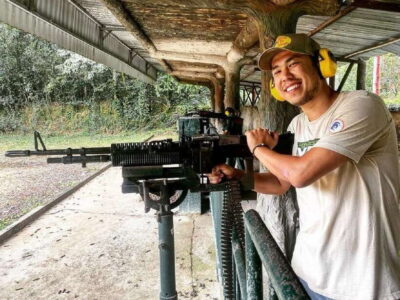
Cu Chi Tunnels takes the trip from nature to deep history. You’ll be picked up with an English-speaking guide and driven out into the countryside (about an hour and a half each way). This is a place where the scale matters—tunnels, earthwork, and the reality of how people lived and moved under extreme conditions.
The included guided component is what makes this work. Without context, you’d just see a site. With a guide, you start connecting the dots: how this system was used, why it was designed the way it was, and what you’re looking at when you tour the tunnel areas.
The one consideration is physical comfort. You don’t have to be an athlete, but you should be ready for uneven ground and the general “this place is rough” feeling that comes with underground history sites.
Flying to Hoi An: switching gears and chasing lantern-light streets
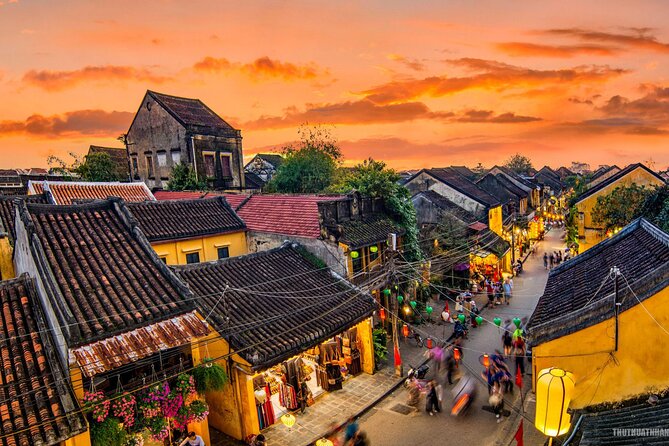
After your Cu Chi day, the tour shifts pace. You’ll transfer to the airport and fly to Hoi An, where the vibe changes fast. Hoi An is all about atmosphere: narrow roads, old-town edges, and that slow wander feeling you don’t get in big metro areas.
You also get a full countryside activity day here, but first there’s room to breathe. Day five and day six are where the experience becomes more than just walking streets.
On day four, you arrive and then settle in. This matters because Hoi An rewards unhurried time. If you rush it, you miss the feel of the place.
Bay Mau Coconut Forest cycling: a real Hoi An countryside day
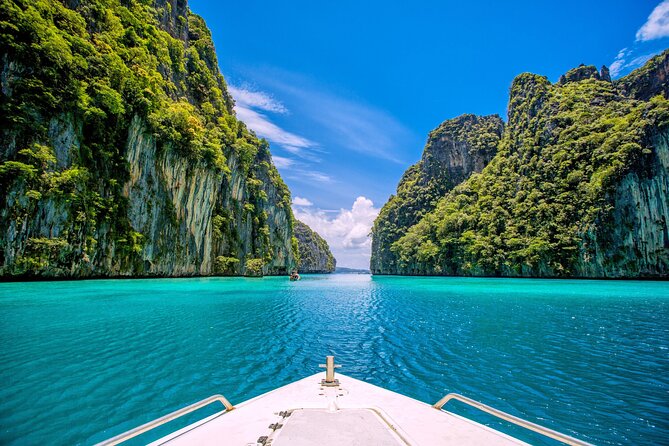
One of the most memorable parts of this trip is the countryside cycling near Hoi An at Bay Mau Coconut Forest. You meet the guide around 8:00 am and head out on a route through countryside and rivers—meant to be scenic rather than punishing.
This is where I like the tour’s structure. You’re not stuck in one “big-ticket” attraction after another. You get a change of pace: bikes, water views, and local landscape. It also breaks up the travel load, since you’ll be moving at a human speed for hours rather than rushing between flights.
If you’re unsure about cycling comfort, you’ll want moderate fitness. The tour notes moderate physical fitness, and that’s consistent with a countryside ride.




Hoi An Memories Island: evening entertainment with included access
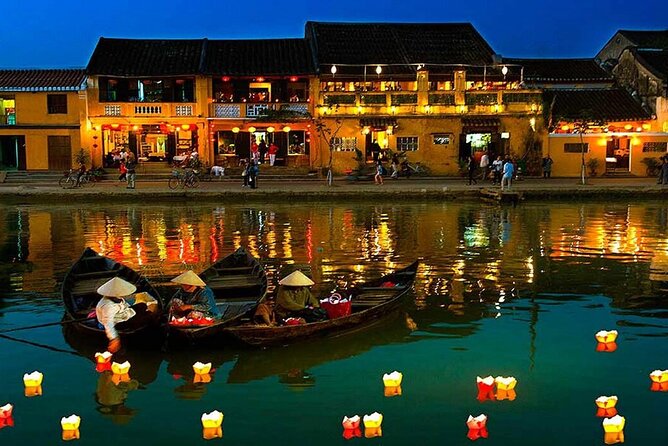
Another day in Hoi An includes leisure time, then an evening transfer to Hoi An Memories Island. Entry is included, and the idea is to add a cultural entertainment layer after you’ve spent earlier hours exploring the town and countryside.
I treat this kind of included show day as a bonus, not a must. If you’re a person who likes performances and staged experiences, you’ll likely enjoy the evening flow. If you prefer quiet photo walks, you can use the day to reset your energy and only dip into the evening portion when you’re ready.
Hanoi transfer and Ha Long Bay: getting to the coast without losing the day
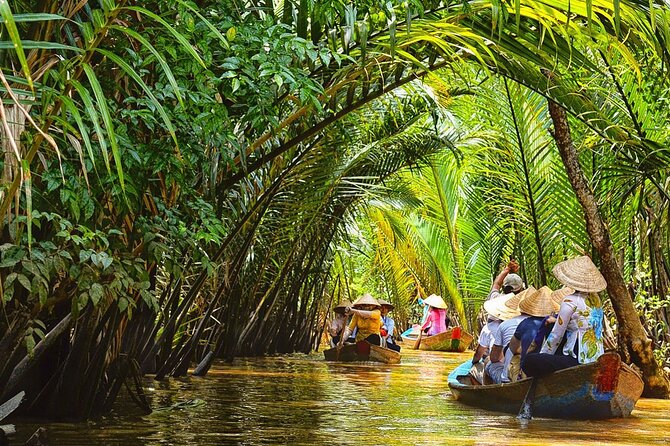
On day seven, the tour moves north. You’ll transfer to the airport and fly to Hanoi, then continue onward toward Ha Long Bay.
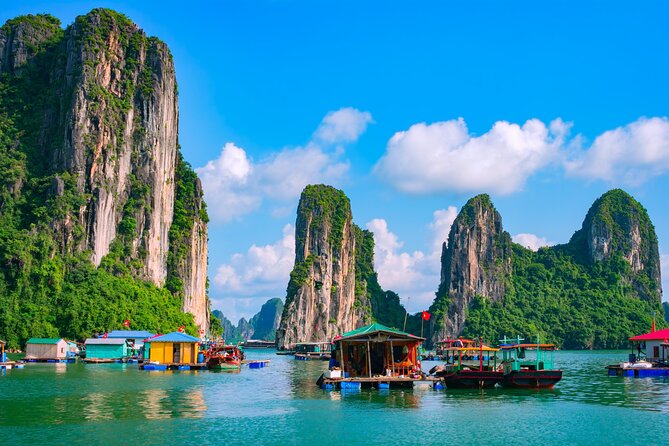
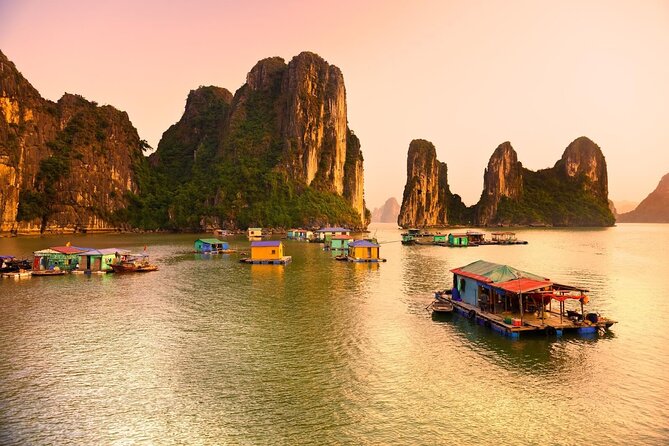
Ha Long Bay is one of those destinations that demands a cruise, even if you’ve seen photos before. The tour includes a transfer to the bay with a scenic route (the travel block is long, around twelve hours). The best advice here is mental: treat this day like “transport plus arrival,” not like a second sightseeing day.
When you reach the bay area, you shift into cruise mode.
Ha Long Bay cruise: Tai Chi on deck and a cave with stalagmites
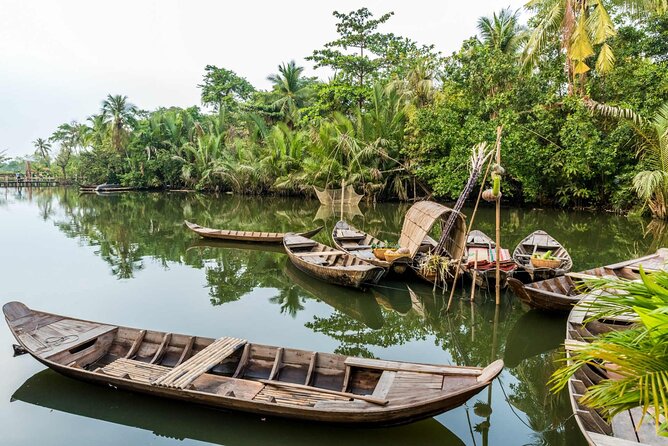
Day nine starts early, which is key for Ha Long Bay. You’ll take part in a Tai Chi lesson on the sundeck, then enjoy breakfast while you’re in the cruise rhythm. That small routine matters because it helps you slow down just enough to appreciate the dramatic limestone karst shapes rising from the ocean.
Then comes cave exploration. You’ll spend time exploring a cave full of stalagmites. This is the moment where the bay’s “photo reputation” becomes real scale—dark rock, wet stone, and formations that feel bigger once you’re inside.
A note on comfort: caves and humid environments are not the best friends of delicate shoes. Wear something you don’t mind getting damp and bring a small towel if you think you’ll need one.
Siem Reap and Angkor: one full day plus a second for the lake
Flying from Hanoi to Siem Reap sets you up for Angkor, and the tour gives you overnight time to settle in. That hotel night is not filler. After a long travel day, you want sleep before you start walking in ancient ruins.
Angkor Wat day is a full sightseeing block (about eight hours). You’ll explore the wider Angkor area including South Gate of Angkor Thom, known for a series of colossal human faces carved into stone. This detail is more than a landmark—it’s the kind of sculptural style that makes Angkor feel specific and unforgettable (in a good way).
The next day shifts from temples to life around water. You visit Tonle Sap Lake and take a ride by traditional wooden boat to experience floating villages and daily occupations around the lake.
Tonle Sap by wooden boat: where water shapes everyday life
Tonle Sap is not a “check the box” stop. It’s a day that makes the rest of Cambodia click. While Angkor shows you monumental power from the past, the floating village area shows how people adapt to their environment now.
You’ll do this by boat, which is exactly how you’re meant to experience it—up close, at lake level. The included guide helps you make sense of what you’re seeing, so you don’t just stare at houses on water.
Practical note: if you’re sensitive to sun, plan for it. You’ll likely spend time exposed, depending on the day’s weather.
Phuket three-day reset: beach time without losing momentum
On day thirteen, you fly to Phuket and meet the guide at the airport with a name sign. From there, you transfer to your hotel and get settled.
Then you get three days at leisure (days fourteen, fifteen, and sixteen morning travel day). Breakfast is included on those days, so you can start slow, decide what to do, and still have a structured baseline.
This is the part of the trip that I think people appreciate most after the heavier cultural days. You’ve seen history, tunnels, caves, and temples. Now you get recovery time—walking on sand, swimming, eating seafood, and doing nothing for a few hours without guilt.
Hotels, meals, and how the included food really affects value
The tour includes daily breakfast (listed as 15), plus several lunches (listed as 6) and dinner (listed as included). That means you’re not constantly budgeting for meals during transit days.
You’ll stay in a shared twin/double room with daily breakfast. In one of the positive experiences shared with the tour company, the hotels were described as 3-star but surprisingly good and well located. That’s not a guarantee for every departure, but it does reflect the general expectation: good enough comfort, decent locations, and a focus on keeping your travel plan moving.
Air-conditioned vehicles are included, and all fees and taxes for included activities are covered. Add in domestic flights with baggage (20kg checked and 7kg carry-on), and the value starts to look clearer. This trip isn’t just sightseeing—it’s the cost of transportation between countries plus the handholding.
Price and logistics: what you’re paying for, and what you should watch
At $1,758 per person for a 16-day multi-country route, the price makes sense if you compare it to doing the same pattern yourself. You’re paying for:
- Domestic flights between Ho Chi Minh City, Hoi An area timing, Hanoi, Siem Reap, and Phuket
- Airport pickups and transfers
- English-speaking guides on guided days
- Accommodation with breakfast
- Included entries for key activities
What you should watch is time and fatigue. Long transfers (like the Ha Long move) plus several flights means you’ll live in your carry-on for a lot of the trip. If you pack light and plan for quick changes, the schedule will feel manageable. If you pack heavy and hate early starts, it can feel stressful.
Also remember tips and international flights are not included. Travel insurance is also not included, so make sure you handle those before you go.
Support style: sign-holding airport staff and real problem-solving
A repeated theme in positive experiences is organization and communication. You can expect staff meeting you at airports with a sign, and a tour manager who stays in touch during the trip.
In one account, a tour manager named Dat was in contact and even provided assistance with a support brace after a wife sprained her ankle. I can’t promise that specific scenario will happen to you, but it does illustrate the practical support mindset behind the scenes.
The tour also offers 24/7 hotline support, plus a single agent contact style (exclusive and personalized single agent/single customer service). When you’re moving across borders quickly, that kind of support is worth something.
Who this tour fits best (and who should look elsewhere)
This tour fits you best if you want:
- A guided, organized “greatest hits” path across Vietnam, Cambodia, and Thailand
- English-speaking support so you’re not stuck translating everything
- A small group size rather than a huge bus experience
- A clear end-of-trip beach break in Phuket
You may want a different style if:
- You prefer slow travel with fewer flights
- You hate early wake-ups (Ha Long Bay starts early)
- You want maximum free time in each city rather than scheduled guided blocks
Given the stated moderate physical fitness level, you should also consider your comfort with walking and uneven terrain at sites like Cu Chi Tunnels and the temple areas.
Should you book this Amazing Vietnam, Cambodia and Thailand 16 Days tour?
I’d book this if you want the convenience of a prebuilt route with guides and transfers, plus the payoff of real highlights: Mekong scenery, Cu Chi history, Hoi An atmosphere, Ha Long Bay caves and sundeck calm, Angkor’s face towers, Tonle Sap by boat, and then Phuket downtime.
I’d hesitate if you’re highly sensitive to travel days, early mornings, or frequent domestic flights. This trip works when you treat it like an organized journey through big regions, not like staying put and exploring at your own pace every hour.
If you book, pack smart: light layers, comfortable shoes, sun protection, and a plan for laundry timing. Then let the structure do the heavy lifting—you’ll enjoy the sights more when you’re not also managing the schedule.
FAQ
Where does the tour start?
The tour starts at Tan Son Nhat International Airport in Ho Chi Minh City, Vietnam, with a driver meeting you and transferring you to your accommodation.
Does the price include domestic flights and luggage?
Yes. Domestic flights are included, and the baggage allowance listed is 20kg checked luggage and 7kg carry-on luggage. International flights are not included.
What meals are included?
Breakfast is included for 15 days. Lunch is included for 6 days, and dinner is listed as included. Other meals are not included.
Are guides available, and are they English-speaking?
Yes. An experienced English-speaking guide is included for the activities described in the schedule, along with a professional driver for transfers.
What is the group size limit?
This tour has a maximum of 15 travelers.
What is the cancellation window for a full refund?
You can cancel up to 6 days in advance of the experience for a full refund. Cut-off times are based on local experience time, and changes inside that window do not qualify for the same refund terms.