REVIEW · HO CHI MINH CITY
Private Tour – Cu Chi Tunnels with English Speaking Tour Guide
Book on Viator →Operated by Saigon Tours · Bookable on Viator
Cu Chi Tunnels are history you can feel in your knees. This private tour takes you from Ho Chi Minh City to the Củ Chi District for a close look at the underground network, including crawl-through tunnel time and wartime traps.
What I like most is how private it feels, with only you and a local host, plus flexible start times when you’re in control of the day. You also get an English-speaking guide who can explain what you’re seeing, and guides I’ve heard named Chien and Dingo clearly focus on clarity and storytelling.
In This Review
- One catch: come ready for crawling
- Key things that make this tour worth your time
- Private Cu Chi Tunnels from Ho Chi Minh City: how the day actually works
- Hotel or airport pickup and a smoother start
- The Củ Chi Tunnels experience: crawl, traps, and what to pay attention to
- Rice fields over tunnels and blast craters you can still read
- Why an English-speaking guide matters (and why Chien and Dingo get named)
- The included snack and comfort breaks you’ll be glad you planned for
- Price and value: what $83 really buys you
- What’s included, what costs extra, and what to plan
- Who should book this private Cu Chi Tunnels tour
- Should you book the Cu Chi Tunnels private tour?
- FAQ
- Is this tour private?
- How long is the tour?
- Do I get picked up from my hotel?
- Is there an entrance fee included?
- Is the tour guide in English?
- What’s included for food and drinks?
- What extra costs should I expect?
- What if the weather is bad?
One catch: come ready for crawling
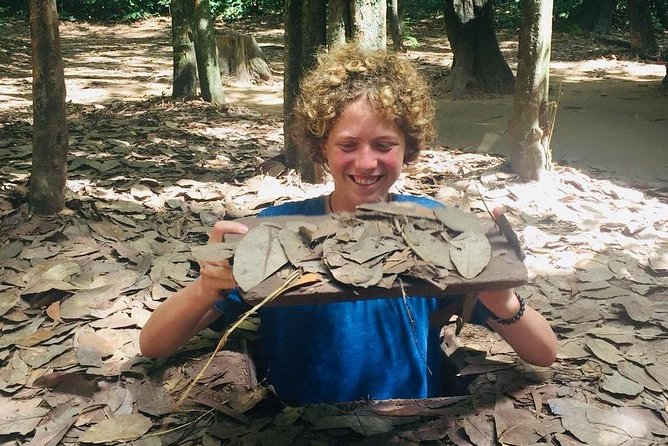
The main downside is physical effort. You may need to enter and crawl through a tunnel section, and that’s not ideal if you’re dealing with mobility issues, claustrophobia, or tight-spaces nerves.
Key things that make this tour worth your time
- Private-only group: it’s just you and your host, so you can move at a comfortable pace.
- English-speaking guide: explanations are built around what you can see in front of you.
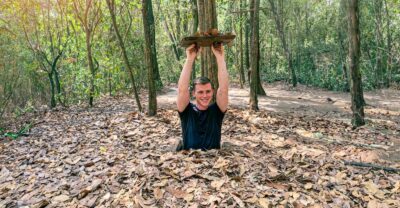
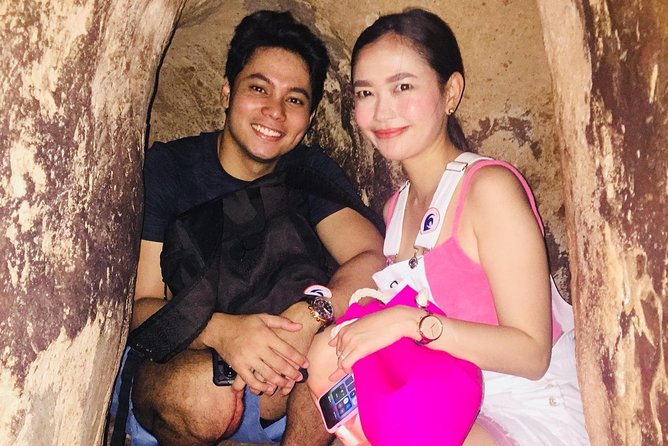
- Real tunnel experience: you’ll enter and crawl through one of the tunnels, not just look from a distance.
- War-time details, not buzzwords: traps and defenses help you understand how the system worked.
- Local wartime landscape: you’ll spot rice fields sitting over tunnels and see overgrown blast craters from aerial bombing campaigns.
- Small included food break: a light snack of tapioca and tea helps keep you going during the day.
You can also read our reviews of more guided tours in Ho Chi Minh City

Private Cu Chi Tunnels from Ho Chi Minh City: how the day actually works

This is built as a half-day style outing stretched to around 6 hours total, including travel time and time on site. Plan on it feeling like a day-trip with a strong destination focus: you’re going to spend the majority of your attention on the tunnels themselves, not hopping between five dozen photo stops.
Because it’s private, the flow tends to be calmer. Instead of spending your time trying to keep up with a group, you can ask questions as you go and adjust the pace. That matters at Cu Chi, where the details are dense and the experience is easier to process when you’re not rushing.
Hotel or airport pickup and a smoother start
You can get picked up at your hotel in central Ho Chi Minh City, or at the airport. That flexibility is genuinely useful because Ho Chi Minh City traffic can be a wild card; being able to anchor the day to your lodging saves stress.
You’ll be in a private car or minivan, and you also get hotel/residence drop-off after Cu Chi. For a first visit to Vietnam, this type of door-to-door setup is a big value: it reduces hassle, and it’s one less logistics task you have to solve on your own.
A small practical bonus: bottled water is included. At Cu Chi, you’ll likely be outside and walking, so having water ready is one of those “why didn’t I think of that sooner” comfort details.
The Củ Chi Tunnels experience: crawl, traps, and what to pay attention to
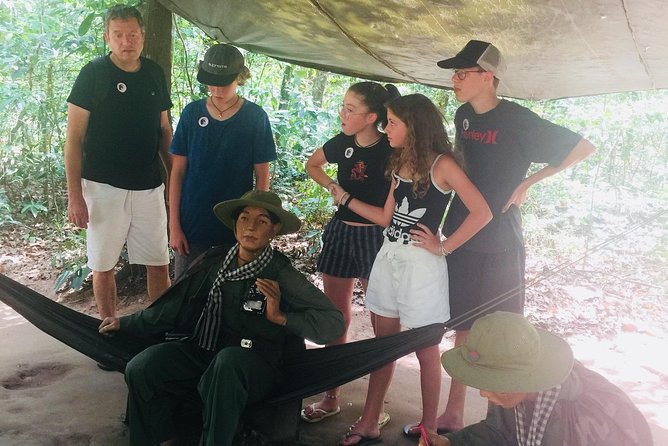
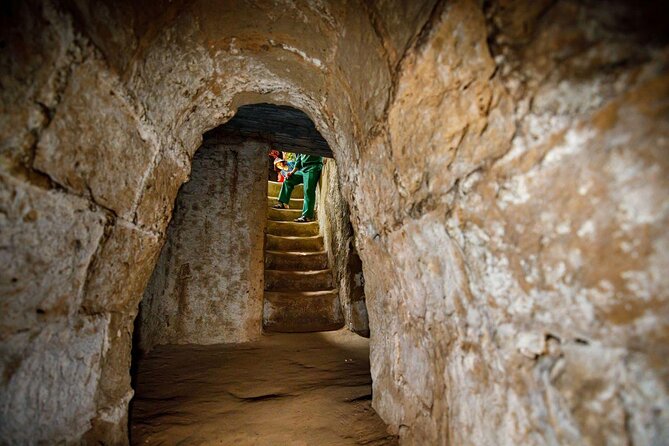
The heart of this tour is the time at the Cu Chi Tunnels area, set for about 2 hours. This isn’t only a museum-style visit. You’ll be shown the immense underground network tied to the Củ Chi District, and you’ll get to see how it functioned.
Here’s what you can expect to focus on:
You’ll learn about the connecting tunnels and how the system provided cover and movement during conflict. You’ll also see various traps used during the war. The point isn’t to shock you; it’s to help you understand the logic—how hiding, confusing, and controlling movement mattered when the enemy relied on searching from above.
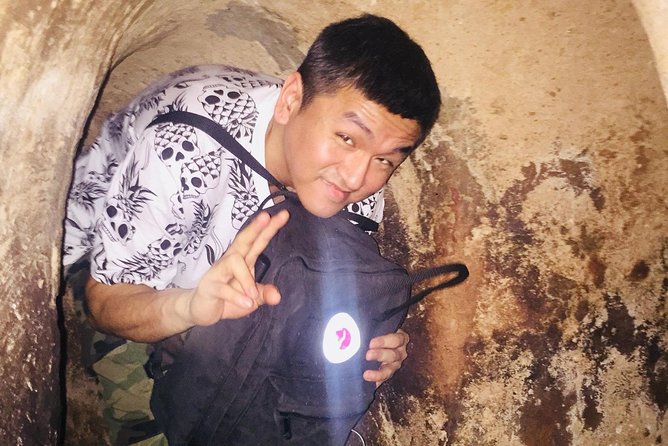
Then comes the part many people remember most: you’ll have a chance to enter and crawl through one of the tunnels. This is often where the experience becomes real. On the surface, the history can feel abstract. Inside, the scale and design choices become obvious—tight space, controlled routes, and an environment built for survival rather than comfort.
Tip from my angle: go in ready to take it slow. Don’t treat the crawl as a race. You’ll get more from it if you’re focused on the route, the shape of the passage, and what the guide points out along the way.
Rice fields over tunnels and blast craters you can still read
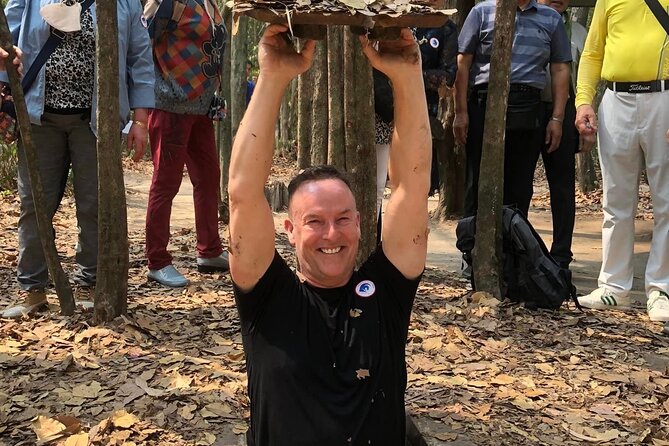
One of the most interesting parts is what surrounds the tunnels. Even today, the area shows traces of conflict in ways that make the story feel physical.
You’ll observe villagers working in nearby rice fields, including fields that sit over the tunnels. That detail is powerful because it connects past and present in a straightforward way: the land was engineered for war, and now it’s used for daily life and farming.
You’ll also see overgrown blast craters from aerial bombing campaigns. The vegetation doesn’t erase what happened—it softens the scene, then highlights it. You’ll likely find yourself looking at the land differently afterward, like it’s a map of events you can still spot with your eyes.
If you like places where you can “read” history through geography, this section is a big reason to book. It’s not only what’s underground; it’s how the surface carries the evidence too.
You can also read our reviews of more private tours in Ho Chi Minh City



Why an English-speaking guide matters (and why Chien and Dingo get named)
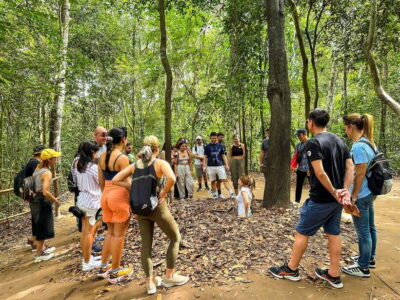
Cu Chi is one of those places where the explanations change everything. Without a guide, you’ll see tunnels and signage. With a good guide, you start connecting the design choices to the realities of the conflict.
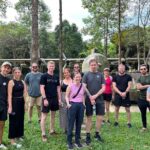
In the feedback I’ve taken in, guides are praised for clear English and for bringing stories to life with humor and careful pacing. Names that show up again and again include Chien and Dingo, with people appreciating how they kept the information informative while still feeling human and approachable.
What you’ll likely benefit from:
- Direct answers as you notice details in the tunnels and displays
- Context that helps you understand why specific traps existed
- A calmer experience because the guide manages the timing and keeps you moving efficiently
Also, because this is private, you can ask questions you actually care about. If you want more focus on the tunnel system itself, you can steer the conversation there. If you’d rather spend more time on how the area looks now, you can do that too.
The included snack and comfort breaks you’ll be glad you planned for
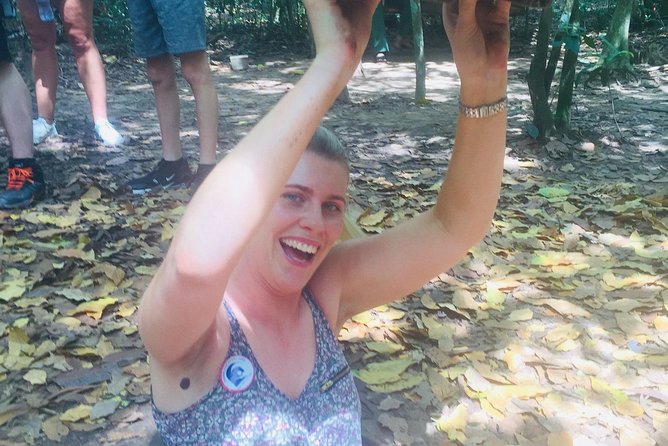
During your time at Cu Chi, you get a light snack: tapioca and tea. It’s simple, but it’s exactly the kind of included “reset” that matters on a day when you’ll be walking, learning, and doing something physically awkward like crawling.
You’ll also have bottled water. That’s practical value, not a luxury extra. Heat and humidity can sneak up on you, and no one wants to be searching for water mid-visit.
What’s not included is anything beyond the tour package itself. If you’re someone who likes to stay fueled, consider bringing a small personal snack too, just in case you prefer something more substantial than a light break.
Price and value: what $83 really buys you
At $83 per person, this tour sits in a range where you’re paying for convenience plus interpretation. The price covers the basics you’d otherwise piece together: a private car/minivan, entrance fees, pickup and drop-off, an English-speaking guide, bottled water, and that tapioca-and-tea snack.
Here’s the value logic I’d use when deciding:
- If you were to DIY it, you’d still need transport and entrance tickets.
- A private guide turns the tunnels into a guided narrative, not a self-directed puzzle.
- The private format also helps you avoid time waste—your time is spent on the tunnels, not on group logistics.
If you’re traveling as a couple, small family, or even solo, a private guide can feel less expensive per person than you’d expect. If you’re a group that wants quiet pacing and fewer crowds in your experience flow, private often becomes the smart choice.
What’s included, what costs extra, and what to plan
The essentials included are clear and helpful:
- English-speaking tour guide
- Private car or minivan
- Entrance fee
- Pickup and drop-off at hotel or residence (or airport pickup)
- Bottled water
- Light snack with tapioca and tea at the tunnels
What’s not included:
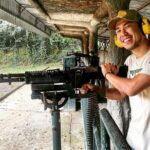
- Bullet fee at the Cu Chi shooting range
- Tips and personal expenses
If you’re considering the shooting range component, plan on extra costs there. If you’re not interested, you can treat it as optional and keep your attention on the tunnels and the underground system.
What to bring (practical, not fancy):
- Comfortable closed-toe shoes (you’ll be crawling/standing in tight spaces)
- A light layer, since conditions can feel different underground
- Patience with your body. This is history with a physical component
Who should book this private Cu Chi Tunnels tour
I’d point this tour toward people who:
- Want the Cu Chi Tunnels experience without crowd pressure
- Value an English-speaking guide for context and explanation
- Prefer pickup/drop-off convenience from Ho Chi Minh City
- Are okay with the idea of crawling through at least one tunnel section
It’s also a good fit for families who want a guided day rather than trying to manage everything themselves. Since infant ages 0–4 are listed as complimentary, this format can work for certain family setups where you’d rather not pay full price for the youngest passenger.
If you have serious mobility limits or strong claustrophobia, you’ll want to think twice, because the crawl-through is part of what makes this tour more than a standard sightseeing trip.
Should you book the Cu Chi Tunnels private tour?
If you want Cu Chi to feel like a guided story—tied to traps, tunnel design, the land above, and the present-day landscape—then yes, this is a smart choice. The combination of private pacing, English guidance, and the chance to crawl through a tunnel makes it more memorable than the purely observational options.
Book it if you care about understanding what you’re seeing, and you appreciate logistics that don’t eat your morning. Skip it if you’re uncomfortable with tight spaces or crawling, or if you only want a quick overview with minimal physical effort.
In short: this is a well-priced private way to see the tunnels with context, comfort breaks, and a guide like Chien or Dingo who can keep the day moving in the right direction.
FAQ
Is this tour private?
Yes. It’s a private tour/activity, so only your group participates.
How long is the tour?
It runs for about 6 hours.
Do I get picked up from my hotel?
Yes. Pickup is offered from your hotel in central Ho Chi Minh City, and pickup is also available at the airport.
Is there an entrance fee included?
Yes. The entrance fee is included.
Is the tour guide in English?
Yes. The tour includes an English speaking tour guide.
What’s included for food and drinks?
You’ll get bottled water and a light snack with tapioca and tea at Cu Chi Tunnels.
What extra costs should I expect?
The bullet fee at the Cu Chi shooting range is not included, and tips/personal expenses are not included.
What if the weather is bad?
This experience requires good weather. If it’s canceled due to poor weather, you’ll be offered a different date or a full refund.