REVIEW · HO CHI MINH CITY
Mekong Delta Homestay Explore Nature 2-Day Family Tiny Garden
Book on Viator →Operated by Vietnam To Travel · Bookable on Viator
Tiny gardens, big Mekong stories. This 2-day family homestay near Ben Luc turns nature time into real cultural time, with guided fruit-growing lessons and hands-on countryside activities. I particularly like the chance to chat with local households and hear everyday life from inside the family routine. I also like the fruit focus, with seasonal tastings like dragon fruit, grapefruit, guava, and mango. The only real consideration: the schedule is early—one morning starts at 5:30 am.
What makes the trip feel different is the human pace. You’ll share meals, join activities like cycling and kayaking, and spend about an hour talking with disadvantaged children in the local area. In the reviews, the guide name Chow comes up again and again for being friendly and informative, and that matters because it helps you connect instead of just watch. With a maximum group size of 12, you’re not stuck being one face in a crowd, which is great for families.
In This Review
- Key points worth knowing before you go
- Getting to Ben Luc from Ho Chi Minh City without losing the day
- Day 1 in Ben Luc: settling in, learning the fruit garden, and building connections
- What you might do on Day 1 (hands-on nature time)
- Day 2 at 5:30 am: sunrise bicycle ride over rice fields
- Kayaking through waterways: a true Mekong-style perspective
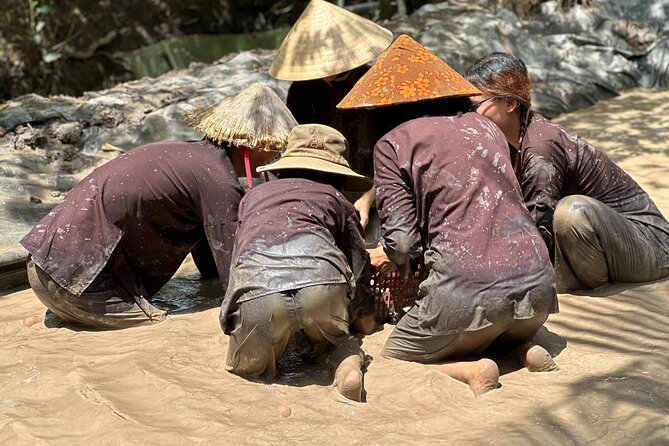
- Cooking, fishing, or rice planting: choose the hands-on option
- Fruit tasting and meals: what to expect beyond the menu
- Markets and countryside time: where the day actually breathes
- Price and value: is $72 fair for a 2-day homestay?
- Who this Mekong Delta family homestay suits best
- A balanced reality check before you book
- Should you book this tour?
- FAQ
- What area is this tour based in?
- How do I get to the start of the tour?
- How many people are in the group?
- What’s included in the price?
- What activities are part of the experience?
- Can the tour accommodate dietary restrictions?
- Is the tour dependent on weather?
Key points worth knowing before you go
- Small group size (max 12): easier conversations and less waiting around.
- Fruit lessons plus seasonal tastings: you learn how the garden works, not just what you eat.
- Kayaking through a maze of waterways: a core Mekong Delta experience done at homestay pace.
- Bicycle sunrise over rice fields: early start, but the timing is the point.
- Dinner, breakfast, and two lunches included: fewer meals to plan and less extra cost.
- About one hour of talking with local children: a serious, respectful cultural interaction.
Getting to Ben Luc from Ho Chi Minh City without losing the day
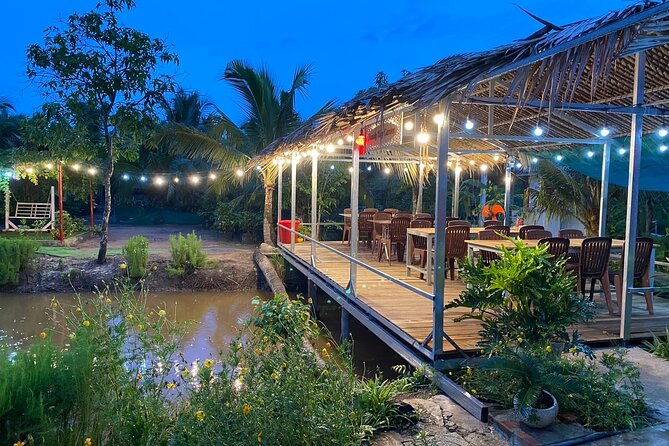
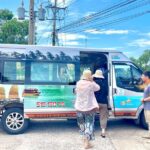
This tour starts with pickup from your hotel in central Ho Chi Minh City, which is a big deal when you’re heading out to the Mekong Delta. You’re not fighting taxis or figuring out routes on your own, and you’re traveling in an air-conditioned vehicle.
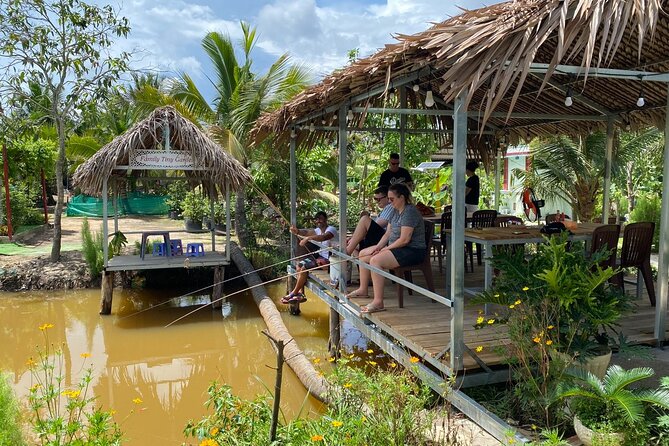
The timetable is built around staying overnight—so you’re not just doing a long “see it and leave” day trip. You’ll spend time in the Ben Luc area across two days and one night, and that means you get to do both daytime activities and the calmer early-morning rhythm. If you like photos, you’ll especially appreciate the early start on day two.
One more practical point: this experience uses a mobile ticket and is designed to fit most people (“most travelers can participate”). It also runs with small groups, so you’ll generally have a bit more flexibility and personal attention than big-bus tours.
You can also read our reviews of more tours and experiences in Ho Chi Minh City
Day 1 in Ben Luc: settling in, learning the fruit garden, and building connections
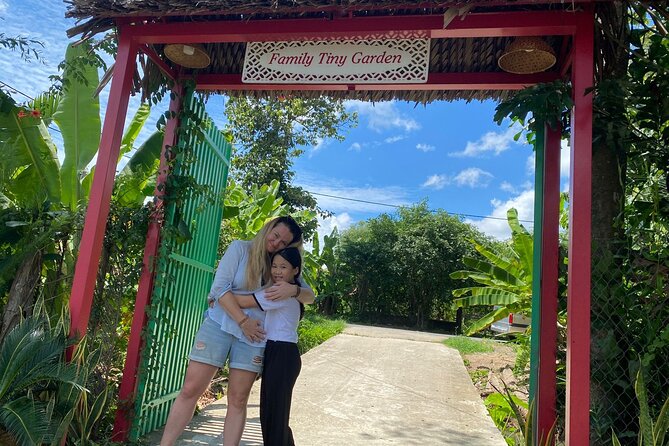
Day 1 begins with pickup around 7:40–8:00 am. From there, you’ll head toward Ben Luc and spend your first long chunk of the day with the family. The homestay setup here is all about turning everyday routines into an experience you can take part in.
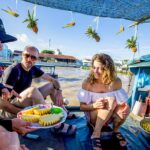
A major highlight is the fruit garden side. You’ll taste specialty fruit such as dragon fruit, grapefruit, guava, and mango, but the exact selection is seasonal, so don’t expect the same lineup year-round. What’s more valuable than the tasting is the guide’s explanation of how fruit is grown and cared for. That kind of practical talk helps you understand why the Mekong Delta is so closely tied to agriculture—and it also makes your meals feel connected to something real.
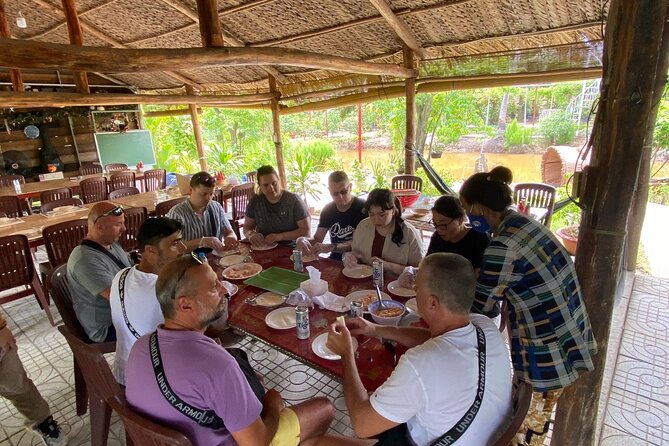
You’ll also eat traditional meals made with fresh ingredients. This isn’t about fancy presentation. It’s about flavor, simplicity, and the comfort of family cooking. If you’re traveling with kids, this part is usually easier for them than “museum time,” because you can talk about ingredients and taste as you go.
And then there’s the cultural interaction element: you’ll spend about one hour TALKING with disadvantaged children in the local area. I’d treat this as a respectful conversation time, not a performance. The value comes from listening, asking simple questions, and being present. You’ll likely feel the difference between this and a tour-stop photo moment.
What you might do on Day 1 (hands-on nature time)
The tour includes a menu of activity options that can change day to day depending on the family and conditions, including things like:
- cooking experiences
- fishing
- rice planting
You don’t need to be an expert. The point is participation and learning how daily work and food production connect in the delta.
Day 2 at 5:30 am: sunrise bicycle ride over rice fields
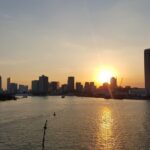
If you’re choosing this tour for nature and calm, day two delivers—starting at 5:30 am. You’ll get up early to ride bicycles and watch the sunrise over the rice fields. This is the classic “early light” moment, and it’s also the moment when the countryside feels most peaceful.
After the sunrise, you’ll explore the countryside, admire the scenery, and move through a slower rhythm than you’d get in the city. Then you’ll head toward the market, with time for coffee and breakfast.
The early start is the main consideration for this whole itinerary. If you’re the type who sleeps through alarms, plan for it. If you’re okay with mornings that begin fast, you’ll likely love this portion because it feels like you’re waking up with the land, not just arriving at it.
Kayaking through waterways: a true Mekong-style perspective
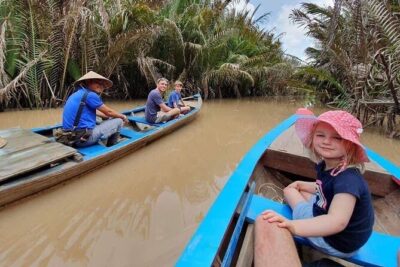
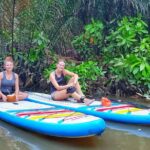
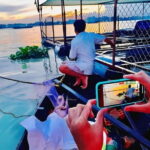
One of the best-included activities is kayaking through a maze of waterways. This is one of those moments where you stop thinking about the logistics and just pay attention to motion, water texture, and the view at low height.
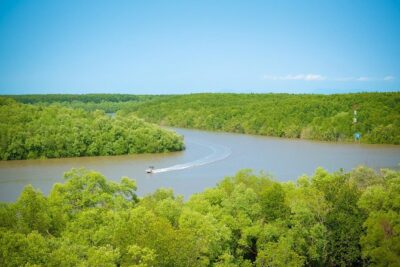
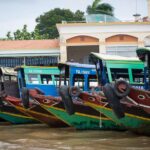
From a practical standpoint, kayaking gives you something walking tours don’t: scale. In the Mekong Delta, the water is the road. When you’re moving through the channels, you understand why people build homes, gardens, and routines around waterways rather than roads.
It also matches the homestay pace. Instead of rushing from one paid attraction to the next, the day includes active time with a guided approach, and you’re able to shift from paddling to meals without feeling like you’ve been on the move nonstop.
Wear what you can manage for being wet. Bring something to protect your valuables. And expect that water-based activities often feel more fun than they look in photos—because the sights come at you from the side.
Cooking, fishing, or rice planting: choose the hands-on option
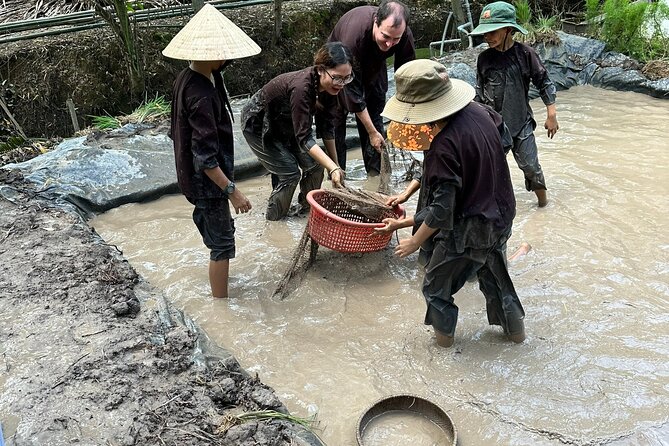
The tour is built around activity variety rather than one single “signature stop.” Depending on what the family is doing and what’s easiest that day, you can get involved in experiences like cooking, fishing, or rice planting.
Here’s why this matters: it turns the Mekong Delta from a background scenery into a place with work, skills, and small daily decisions. Even if you only do a portion of an activity, you’ll likely leave with practical understanding—how food moves from garden to table, and how people work with what the land provides.
If you’re traveling as a family, this kind of flexible participation usually performs better than rigid schedules. Kids often enjoy fishing or rice work because it feels like play with a real purpose. Adults may appreciate cooking, because you can translate what you learn into meals later.
Fruit tasting and meals: what to expect beyond the menu
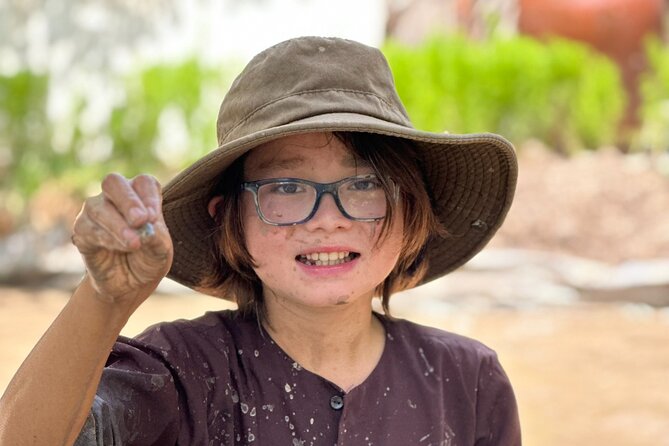
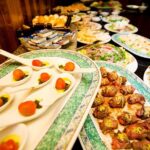
Food is a big part of why this experience works. You’ll have dinner and breakfast included, plus lunch (2). You’re also told that meals are traditional and prepared with fresh ingredients, which is exactly what you want in rural areas: food that’s close to where it’s grown.
On the fruit side, you’ll taste dragon fruit, grapefruit, guava, and mango when available. Because it’s seasonal, the fruit you taste can change with the time of year. I like tours that admit that reality instead of pretending every fruit is always ready.
If you’re the type who likes to “collect tastes,” this works well. Each fruit gives you a different texture and sweetness level, and the guide’s explanations help you connect flavor to cultivation practices. That makes your snack time feel like education without feeling like school.
For coffee, day two includes coffee with the market portion. It’s a small detail, but it breaks up the morning and gives you a natural moment to sit down and absorb the setting.
Markets and countryside time: where the day actually breathes
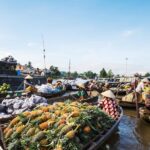
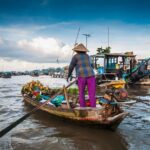
In the middle of day two, you’ll visit a local market. This isn’t positioned as a shopping trap. It’s presented as part of the countryside rhythm: after sunrise cycling and exploring, you move into the place where food and daily supplies are traded.
Markets in this region often feel especially connected to agriculture and river life. Even if you don’t buy anything, the experience helps you understand how the delta supports everyday living. You’ll then enjoy coffee and breakfast, which makes the market stop feel like a pause rather than a hurdle.
This is one of the smartest design elements of the itinerary: it blends early-morning movement with a human, food-centered break. That keeps energy up and prevents the day from turning into a checklist.
Price and value: is $72 fair for a 2-day homestay?
At $72 per person for about two days (with one night), this is priced like a solid value trip rather than a budget hustle. The big value factors are the inclusions.
You’re getting:
- pickup by air-conditioned vehicle
- dinner and breakfast
- lunch (2)
- use of a bicycle
- an A/C room
- kayaking through waterways
- admission tickets listed as free for the scheduled time blocks
When those items are bundled together, the price starts to make sense fast. A lot of tours charge extra for transportation, meals, and at least one “optional” activity. Here, the schedule is built around included activity time—so you’re paying for a package, not for individual add-ons.
Also, the small-group limit (max 12) can matter more than people realize. In practice, it usually means less time herding everyone, more time asking questions, and a better chance of real conversation with the guide and host family.
If you’re trying to compare, treat this as a homestay-with-activities package rather than a sightseeing-only tour.
Who this Mekong Delta family homestay suits best
This tour fits best if you want:
- family-style culture over big commercial sightseeing
- practical learning about fruit growing and fresh food
- active nature time like cycling and kayaking
- meaningful interaction time (the hour of talking with local children)
- an itinerary that includes meals instead of forcing you to improvise
It’s especially appealing for families because the day plan includes hands-on experiences like cooking, fishing, or rice planting. Kids can stay engaged when they’re doing something.
If you’re looking for ultra-luxury or lots of free time to wander independently, you might find the schedule structured. But if you like clear planning with natural breaks for food and conversation, this is a good match.
A balanced reality check before you book
This experience is “nature and people,” not “just attractions.” That’s a plus if you want authentic connection. It also means you should arrive with flexibility and a calm attitude. You’ll be asked to participate, talk, and adapt to what the family has available.
Also, expect that day two is early. If you dislike mornings that start before dawn, you’ll feel it.
Finally, the most powerful parts here are the social ones. If you’re not comfortable with conversation, or you’d rather keep things purely observational, you may find those moments challenging.
Should you book this tour?
Yes, I’d book it if you want a small-group Mekong Delta experience that mixes nature activities with genuine family time and fruit-and-food learning. The combination of kayaking, sunrise cycling, included meals, and the guided conversation elements makes it feel more like a lived-in visit than a checklist.
Skip it if you need a late start, dislike hands-on participation, or prefer a tour that’s mostly sightseeing from a comfortable distance.
If you do book, pack for early mornings and for getting a bit wet. And go in ready to talk—because that’s where the experience earns its best moments.
FAQ
What area is this tour based in?
It’s based around Ho Chi Minh City, with activities in the Ben Luc area as part of a 2-day, 1-night family homestay experience.
How do I get to the start of the tour?
Pickup is offered from a hotel in the center of Ho Chi Minh City. The meeting point address is 67 Thủ Khoa Huân, Phường Bến Thành, Quận 1, Thành phố Hồ Chí Minh.
How many people are in the group?
The group size is limited to a maximum of 12 travelers.
What’s included in the price?
The price includes dinner, breakfast, lunch (2), an air-conditioned vehicle, use of a bicycle, a room with A/C, and a kayaking adventure through waterways.
What activities are part of the experience?
You can expect fruit tasting with explanations about growing and caring for fruits, traditional meals, options for cooking and activities like fishing or rice planting, a bicycle ride at sunrise, and kayaking.
Can the tour accommodate dietary restrictions?
Yes. The tour can accommodate dietary restrictions such as vegetarian, vegan, and gluten-free. You should indicate your dietary needs when booking.
Is the tour dependent on weather?
Yes. The experience requires good weather. If it’s canceled due to poor weather, you’ll be offered a different date or a full refund. Cancellation is free up to 24 hours in advance for a full refund.