REVIEW · HO CHI MINH CITY
Long Tan Battlefield Day Tour – “Lest We Forget”
Book on Viator →Operated by Indochina Heritage Travel · Bookable on Viator
Long Tan has a way of slowing you down. This day trip from Ho Chi Minh City connects the Vietnam War to a place that still matters—especially for Australians and New Zealanders—through memorial stops and battlefield-adjacent locations tied to the 1966 Battle of Long Tan.
I really like two things about this tour: the private setup with hotel transfers, lunch, and entry fees handled for you, and the way the day is guided like a story—factual, respectful, and grounded in what the sites represent today. Even better, the memorial focus lands on the shift from war to friendship, which you can feel on-site.
One possible drawback: if you’re expecting lots of intact war artifacts, you may feel there are limited remnants to look at. A lot of the impact comes from memorials, tunnels, and the context your guide gives you, not from a museum-style walk-through.
In This Review
- Key Points You’ll Care About
- A Long Tan Day Trip That’s Built for Meaning
- Why Long Tan Hits Different for Australians and New Zealanders
- The Morning Drive: Rubber Plantations, Context, and Horseshoe FSB
- Long Tan Cross Memorial: A Pause Point That Changes the Whole Tone
- Long Phuoc Tunnels: Meeting Spaces, First Aid, and Survival Logic
- Lunch + Comfort on a 7-Hour Schedule
- Price and Value: What $90 Buys You (and Why It Can Be Worth It)
- The Guides: Tu and Tony Make the Difference
- Who Should Book This Tour (and Who Should Think Twice)
- Practical Tips for a Smooth, Respectful Day
- Should You Book the Lest We Forget Long Tan Battlefield Tour?
- FAQ
- How long is the Long Tan Battlefield Day Tour?
- Is hotel pickup and drop-off included?
- Does the price include lunch?
- Are entry fees included?
- Is this tour private?
- Is there an English-speaking guide?
- What should I know about Horseshoe FSB?
- What happens if weather is poor?
Key Points You’ll Care About
- Hotel pickup + air-conditioned transport keeps the early start manageable
- Private and customizable so your group can set the pace
- Long Tan Cross Memorial gives you a real pause point before you go underground
- Drive-by of Horseshoe FSB where entry is prohibited due to land mines
- Long Phuoc Tunnels show the practical side of survival—meeting spaces and first aid areas
- Guides like Tu and Tony make the day more personal without making it theatrical
A Long Tan Day Trip That’s Built for Meaning
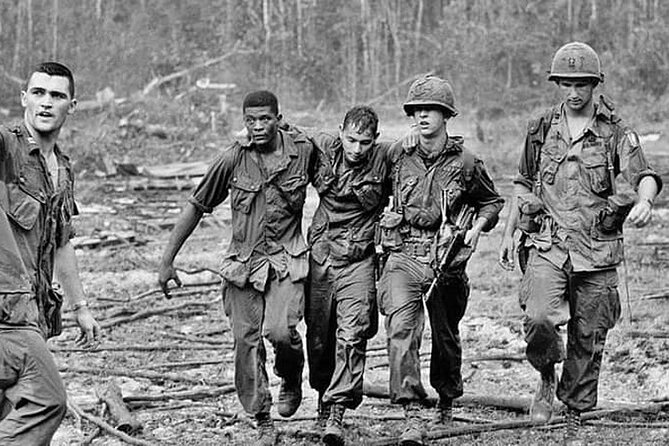
This tour is a focused “Lest We Forget” style outing, and it works because it doesn’t try to cram in everything. It starts early—pickup at 8:00 am—then you head out of Ho Chi Minh City into countryside where the setting helps you understand what soldiers were moving through in 1966. The trip lasts about 7 hours, which is long enough to feel like a full day, but not so long you lose the thread.
The best part is that you’re not just driving past places. You’re stopping at sites that are designed for remembrance, then using your guide’s explanations to connect the history to what you’re actually seeing. That combination matters because the Vietnam War can feel complicated fast. On this tour, it’s brought back to one key battle area and the people connected to it.
You can also read our reviews of more tours and experiences in Ho Chi Minh City.

Why Long Tan Hits Different for Australians and New Zealanders
Long Tan is a specific battlefield location tied to the 1966 battle that involved Australian and New Zealand forces. If that connection is part of your travel motivation, you’ll likely feel it immediately as you move through memorial points and learn the context behind them.
But the day isn’t only about national memory. The strongest moments are the ones that help you hold two ideas at once: the place carries loss, and it also carries what comes after. One of the clearer themes you’ll pick up is that the site now supports a story of friendship between Vietnam and Australia—something many visitors find quietly powerful because it contrasts with the violence the area is known for.
The Morning Drive: Rubber Plantations, Context, and Horseshoe FSB
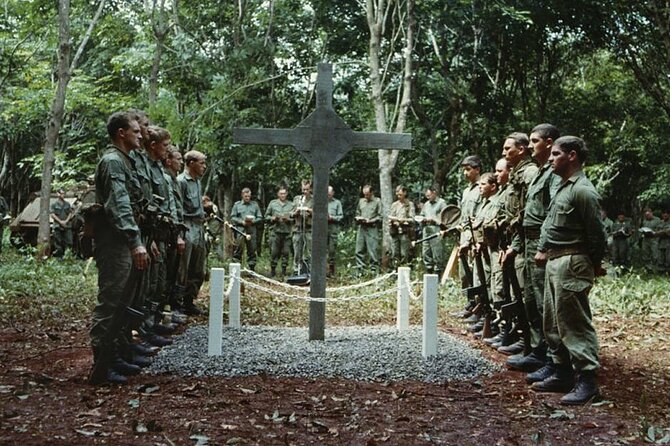
The day begins with pickup and a smooth ride in an air-conditioned vehicle. You’ll get bottled water, which sounds small until you’re out early and it’s warm. Your guide sets the tone as you head out—explaining the broader Vietnam War context and why this battle became such a focal point.
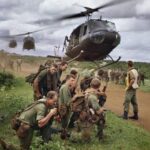
Along the way, you’ll make a stop tied to the terrain and operations: a drive-by of Horseshoe FSB. This is important because it helps you picture the battle environment, not just the memorials afterward. One caution you should take seriously: entry here is not permitted because land mines are still a real issue. So don’t plan on getting out and exploring like a normal viewpoint. It’s a drive-by with historical framing, and that boundary is part of the respect.
You’ll also pass through rubber plantation country, and the contrast is striking. The region looks peaceful. The history underneath it isn’t.
Long Tan Cross Memorial: A Pause Point That Changes the Whole Tone
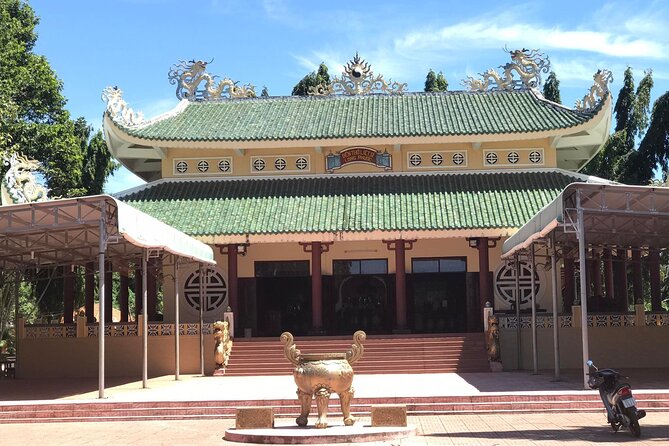
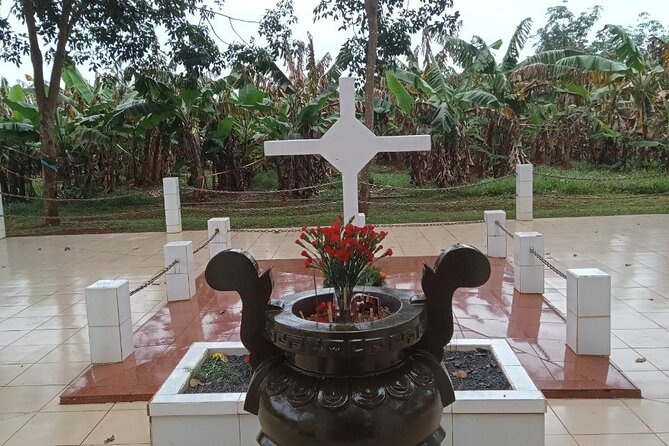
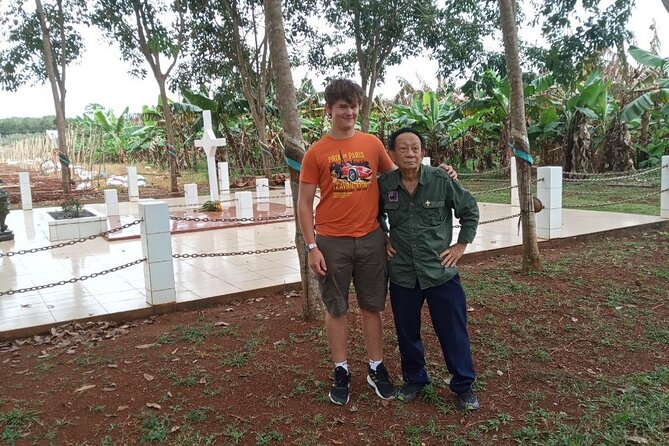
After the morning drive and orientation, you’ll stop at the Long Tan Cross Memorial. This is the kind of place that benefits from silence, not chatter—so if you’re the type who likes to take photos constantly, consider putting the camera away for a few minutes.
This stop works because it acts like a hinge in the day. Before it, you’re building understanding. After it, you can mentally shift into “what happened here” mode. Your guide’s role is helpful because they can connect the memorial’s symbolism back to the battle context you learned on the ride out.
In practical terms, treat this as your emotional reset. You’re not just ticking off a stop on a list. You’re preparing yourself for the next section of the day, which goes from remembrance to the built reality of wartime survival—underground and close to the ground.
Long Phuoc Tunnels: Meeting Spaces, First Aid, and Survival Logic
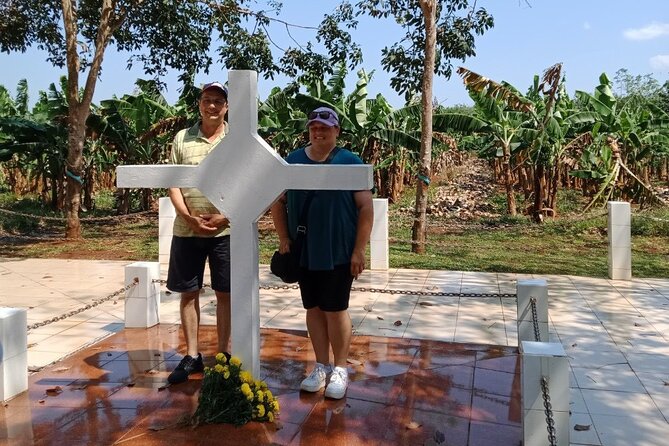
Next comes Long Phuoc Tunnels, an underground network with wartime functions. Here, you’ll get to see spaces described as having meeting areas and first aid stations—places where people needed to stay coordinated, treated, and hidden.
This stop is where the tour becomes more than a story. Underground spaces force your brain to do a different kind of thinking: What could people do safely? How did they communicate? Where would they wait, regroup, or receive medical help? Even if tunnel conditions are not described in your booking details, the historical purpose is clear from the way the guide frames what you’re seeing.
One drawback to consider: tunnels can be physically demanding depending on how the route is handled on the day. Since the provided info doesn’t spell out walking difficulty, you should treat this as a “comfortable shoes” situation and be ready for uneven, tight spaces. If you know you hate confined areas, tell your guide early so they can help you understand what’s ahead.
Also, remember the tone. This isn’t a thrill attraction. It’s a place that connects survival tactics to the consequences of war.
Lunch + Comfort on a 7-Hour Schedule
A big value point here is that lunch is included. When you’re doing a half-day trip out of the city, food logistics can quietly wreck the experience. Having a meal slotted into the day keeps you from feeling “stuck hungry while waiting for the next stop.”
The tour also includes the essentials you don’t want to think about on your travel day: hotel pickup and drop-off, bottled water, and an English-speaking guide. Those details matter for visitors who are short on time or don’t want to manage transportation through rural areas.
Because the tour lasts around 7 hours, you’ll also want to plan around the early start. I’d set expectations that you’ll feel like you did a real outing, not a quick hop. Bring a light layer too—morning air can feel cooler, and you’ll be moving between outdoors and built spaces.
Price and Value: What $90 Buys You (and Why It Can Be Worth It)
At $90 per person, this tour isn’t the cheapest way to spend a day in Vietnam. But it’s also not overpriced for what’s included.
You’re paying for:
- Private tour style (your group only)
- Hotel transfers
- Lunch
- Entry fees included
- Air-conditioned vehicle
- English-speaking guide
- Bottled water
When you add those up, the cost looks more reasonable because transportation and admission alone can add up quickly when you’re arranging everything yourself. Here, you’re buying a package that removes the “figuring it out” stress.
There’s also a practical angle: the day revolves around understanding. If you don’t get context, memorial sites can feel like just stops. Your guide helps connect the sites—especially Horseshoe FSB (drive-by only), the Long Tan Cross Memorial, and Long Phuoc Tunnels—into a single narrative you can actually follow.
If you’re the kind of traveler who likes a structured day but hates logistical headaches, this price lands in the “good deal” zone.
The Guides: Tu and Tony Make the Difference
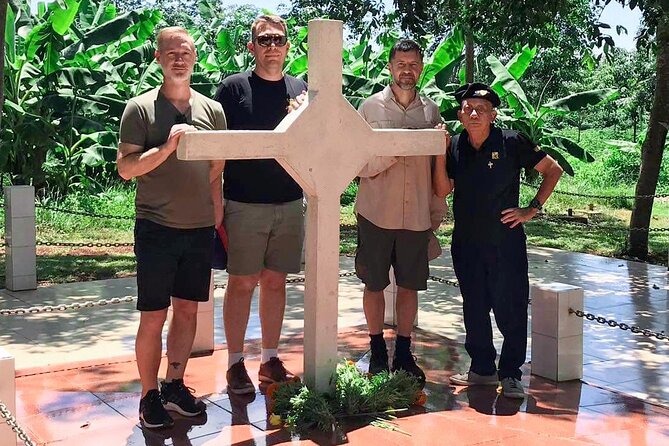
Two guide names stood out from real experiences: Tu and Tony. That’s a good sign, because it suggests the guiding isn’t generic.
What you’re looking for in a tour like this is storytelling that stays grounded. From what I’ve seen described, Tu comes across as informative and helpful, turning the day into something more than a checklist. Tony similarly gets praised for strong storytelling and for going beyond basic facts to make the experience feel personal and clear.
One thing to keep in mind: even with excellent guiding, Long Tan is emotional. That’s not the same as being dramatic. The best guides handle the story with respect—helping you understand the tragedy without turning it into entertainment.
If you want to make the most of your visit, ask questions during natural pauses. Your guide can help explain what you’re looking at and what it meant, based on the battle context they’re presenting.
Who Should Book This Tour (and Who Should Think Twice)
This is a great fit if you:
- Care about 20th-century military history
- Feel a personal connection to Australian and New Zealand involvement
- Want a respectful day focused on a single battle area instead of a rushed route
- Prefer private, guided travel with transport and lunch managed
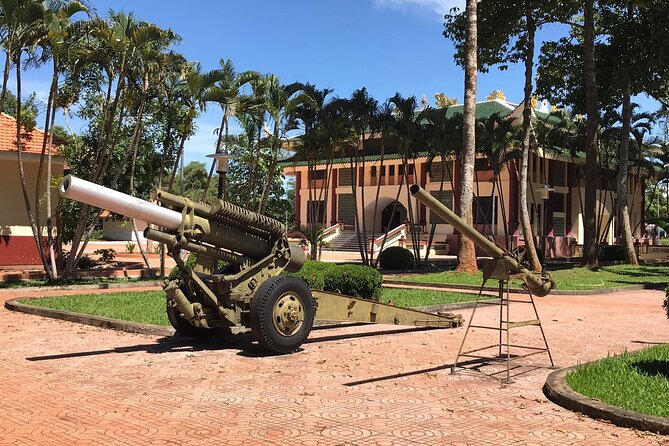
It might be less satisfying if you’re expecting a “big museum” experience. One review note you’ll want to take seriously is that there may not be many preserved war remnants to view. In other words, you’re here for meaning and understanding, not for photo ops of tanks and artillery.
It’s also a good idea to consider your comfort level with tunnels. The tour includes Long Phuoc Tunnels, and even without details on the exact walking path, tunnels generally call for a bit of physical readiness and comfort with enclosed areas.
Practical Tips for a Smooth, Respectful Day
Here are a few choices that will make your day easier and more comfortable:
- Wear comfortable shoes for walking outdoors and moving through tunnel areas
- Bring a small layer for early morning and for when you move between air-conditioned transport and the sites
- Keep your daypack light. You’ll have a guide, a set route, and a long block of time
- Stay aware of the respect factor. This is a memorial-focused experience, not a casual sightseeing hop
- If you have specific needs (like accessibility or comfort concerns), communicate them early so your guide can adjust within the limits of the sites
Also, because this tour depends on weather quality, it’s smart to plan around Vietnam’s day-to-day conditions. If the weather doesn’t cooperate, you’ll want flexibility in your schedule.
Should You Book the Lest We Forget Long Tan Battlefield Tour?
I’d book it if you want a meaningful, well-managed day trip with pickup, lunch, and entry fees included, and you care about understanding a key Vietnam War battle location tied to Australians and New Zealanders. The tour’s strength is its structure: drive out with context, pause at the Long Tan Cross Memorial, then move into the underground logic of Long Phuoc Tunnels.
I’d hesitate if your main goal is preserved war artifacts or if you know you’re uncomfortable with tunnels and confined spaces. In that case, you might find the emotional memorial tone heavier than expected, and the “things to see” angle less visually packed.
If you’re on the fence, think about your travel style. If you like a guided narrative and you want your time in Vietnam to mean something, this is a very solid choice.
FAQ
How long is the Long Tan Battlefield Day Tour?
The tour runs for about 7 hours.
Is hotel pickup and drop-off included?
Yes. Pickup and drop-off at your hotel are included.
Does the price include lunch?
Yes. Lunch is included.
Are entry fees included?
Yes. Entry fees are included.
Is this tour private?
Yes. It’s listed as a private tour/activity, and only your group participates.
Is there an English-speaking guide?
Yes. The tour includes an English speaking tour guide.
What should I know about Horseshoe FSB?
You can view Horseshoe FSB by driving by, but entry is prohibited due to ongoing land mines.
What happens if weather is poor?
The experience requires good weather. If it’s canceled due to poor weather, you’ll be offered a different date or a full refund.